
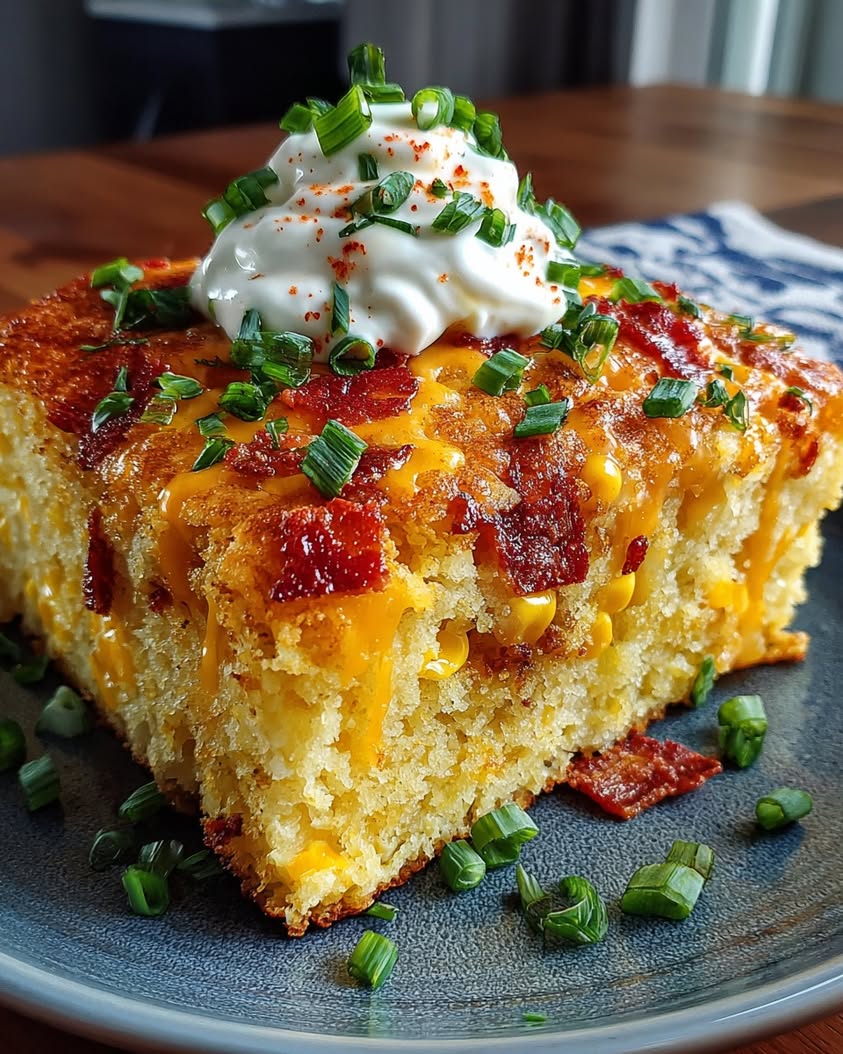
Hearty Southern Loaded Cornbread Casserole: A Comfort Food Masterpiece
Imagine the cozy aroma of freshly baked cornbread, but then picture it loaded with savory ground beef, sweet corn, and melted cheese. This Hearty Southern Loaded Cornbread Casserole is the ultimate one-dish wonder, blending the soul of Southern cooking with the convenience of a simple bake. It delivers a perfect bite every single time, combining a moist, slightly sweet cornbread base with a rich, flavorful topping. Ultimately, it is the kind of meal that brings everyone to the table, promising comfort and satisfaction in every spoonful.
Furthermore, this dish masterfully transforms humble ingredients into a spectacular feast. The golden cornbread rises around the hearty filling, creating a beautiful contrast of textures. Moreover, the melty cheese forms a gorgeous, bubbly crust that is simply irresistible. This Hearty Southern Loaded Cornbread Casserole is not just food; it is a warm hug on a plate, ideal for busy weeknights, potlucks, or any gathering where you want to impress with minimal effort. It is a guaranteed crowd-pleaser that celebrates the best of down-home cooking.
Additionally, the beauty of this recipe lies in its flexibility. You can easily adapt it based on what you have in your pantry or to suit different dietary preferences. Consequently, it becomes a reliable staple in your recipe rotation. Whether you serve it as a main course with a simple green salad or as a substantial side dish at your next barbecue, this casserole carries the unmistakable heart and flavor of the South. It is a testament to how simple ingredients can create something truly extraordinary and deeply comforting.
Quick Recipe Highlights
- Flavor Profile: This casserole delivers a beautiful harmony of savory, sweet, and rich notes. The seasoned ground beef and onions provide a deep, umami base, while the corn and cornbread mix add a touch of natural sweetness. Finally, the sharp cheddar cheese introduces a tangy, creamy finish that ties all the flavors together perfectly.
- Texture: Expect a delightful contrast in every bite. The cornbread bakes up fluffy and tender, while the ground beef filling remains juicy and substantial. The corn kernels offer little pops of sweetness and a slight crunch, and the melted cheese creates a wonderfully gooey, stretchy top layer that is utterly satisfying.
- Aroma: As it bakes, your kitchen will fill with an irresistible scent. The earthy aroma of browning meat and onions mingles with the sweet, toasty fragrance of baking cornbread. Furthermore, the sharp, nutty scent of melting cheddar cheese completes this symphony of smells, promising a delicious meal to come.
- Visual Appeal: This casserole presents beautifully with a golden-brown, slightly crisp cornbread top. Speckles of red and green from the bell peppers and flecks of black pepper add vibrant color. When you scoop into it, the layers reveal themselves—the cheesy topping, the moist cornbread, and the hearty meat filling—making it as visually appealing as it is tasty.
- Skill Level Needed: This is a beginner-friendly recipe designed for success. It requires basic skills like browning meat and mixing a batter. There is no need for advanced techniques or special equipment. Simply follow the straightforward steps for a foolproof result that tastes like you spent all day in the kitchen.
- Special Equipment: You only need common kitchen tools. A large skillet for the meat, a mixing bowl for the cornbread batter, and a 9×13 inch baking dish are essential. A whisk or spoon for mixing and a spatula for stirring the meat filling will complete your setup. No fancy gadgets are required.
Recipe Overview
- Difficulty Level: We rate this Hearty Southern Loaded Cornbread Casserole as “Easy” for several reasons. The steps are sequential and simple, involving basic cooking techniques like browning meat and combining wet and dry ingredients. There is no intricate knife work or precise baking science required. Consequently, even novice cooks can achieve excellent results on their first try, making it a confidence-building recipe.
- Category: This versatile dish comfortably fits into multiple meal categories. It shines as a hearty main course, especially when paired with a light vegetable side like a crisp salad or steamed green beans. Alternatively, it serves as a standout side dish for barbecues, picnics, and holiday meals, complementing grilled meats or roasted poultry perfectly.
- Cuisine: This recipe is firmly rooted in Southern American culinary traditions, which prize comfort, flavor, and resourcefulness. It draws direct inspiration from classic cornbread dressing and tamale pie, using accessible ingredients to create a filling and satisfying meal. The use of cornmeal, a staple of Native American and Southern cooking, grounds the dish in its regional heritage.
- Cost: This is an incredibly budget-friendly meal. Ground beef, cornmeal mix, and canned vegetables are typically affordable pantry staples. The cheese and sour cream might be the pricier items, but they are used in moderate amounts. Overall, you can feed a family of eight for a fraction of the cost of takeout, making it both economical and delicious.
- Season: While truly a year-round comfort food, this casserole feels particularly fitting during the cooler months of fall and winter. Its warm, hearty nature is ideal for cozy family dinners. That said, it is also a fantastic potluck or picnic dish in the spring and summer, as it travels well and can be served at room temperature.
- Occasion: This dish is perfect for casual family dinners, weeknight meals, and large gatherings alike. It is a potluck superstar because it feeds a crowd, holds its heat, and appeals to all ages. Furthermore, it is excellent for game day spreads, holiday buffets (especially alongside Thanksgiving turkey), or any casual get-together where good, simple food is the star.
Why You’ll Love This Recipe
First and foremost, the taste and texture of this Hearty Southern Loaded Cornbread Casserole are utterly irresistible. Each forkful delivers a complex party of flavors and sensations. You get the savory, well-seasoned heartiness of the ground beef, the sweet bursts from the corn, and the rich, creamy tang from the cheese and sour cream. Meanwhile, the cornbread base is moist and fluffy, soaking up the juices from the filling to become incredibly flavorful. This perfect balance ensures that no single element overpowers another, creating a harmonious and deeply satisfying dish that keeps you coming back for more.
Another significant advantage is the sheer convenience and simplicity of preparation. This entire meal comes together in one skillet for the filling and one bowl for the batter, meaning minimal cleanup. The active prep time is short, and then the oven does the rest of the work. Consequently, you can have a impressive, home-cooked dinner on the table in about an hour with very little hands-on effort. This makes the Hearty Southern Loaded Cornbread Casserole a lifesaver on busy evenings when you want something comforting but lack the time or energy for a complicated recipe.
From a nutritional perspective, this casserole offers a more balanced meal than it might initially appear. It provides a good source of protein from the ground beef and cheese, which helps keep you full. The corn and any added vegetables contribute fiber and essential vitamins. By using a leaner ground beef and potentially reducing the cheese slightly, you can easily adjust the fat content. Therefore, when served with a fresh green salad or steamed vegetables, it becomes a well-rounded dinner that satisfies both your cravings and your nutritional needs.
The social and entertaining value of this dish cannot be overstated. It is designed to feed a crowd and is universally appealing. Bringing a Hearty Southern Loaded Cornbread Casserole to a potluck or serving it at a family gathering guarantees compliments and empty plates. It is a conversation starter that evokes nostalgia and comfort. Moreover, because it is so easy to make, you can spend less time in the kitchen and more time enjoying your guests, which is the true goal of any good host.
Finally, this recipe is remarkably cost-effective and accessible. The ingredients are common, inexpensive, and available at any grocery store. You likely have many of them in your pantry already. It stretches a pound of ground beef to feed eight people comfortably. This affordability, combined with its deliciousness and ease, makes it a brilliant strategy for managing your food budget without sacrificing flavor or quality. It proves that you do not need expensive cuts of meat or exotic ingredients to create a memorable and beloved meal.
Historical Background and Cultural Significance
The origins of dishes like this Hearty Southern Loaded Cornbread Casserole are deeply entwined with the resourceful history of Southern and Appalachian cooking. Settlers in these regions, including those of Native American, European, and African descent, relied heavily on cornmeal as a staple grain. Corn was abundant, easy to grow, and could be dried and ground into meal for long-term storage. From this necessity came a vast array of cornmeal-based dishes like cornbread, mush, and hoecakes. Combining this affordable base with available proteins and vegetables was a natural evolution, leading to the creation of hearty, one-pot meals that could feed large families or farm workers efficiently.
Culturally, casseroles themselves hold a significant place in American food history, particularly in the mid-20th century. They symbolized convenience, community, and comfort. The ability to combine leftovers or pantry staples into a single baking dish resonated with post-war homemakers. In the South, this concept merged perfectly with traditional cornbread. The resulting dish is more than just food; it is a symbol of hospitality, warmth, and making the most of what you have. Serving a generous, steaming casserole is a gesture of care and welcome, deeply embedded in Southern social traditions.
The recipe has evolved considerably from its humble beginnings. Early versions might have used crumbled day-old cornbread mixed with pot liquor and scraps of meat. The modern interpretation, like this Hearty Southern Loaded Cornbread Casserole, benefits from consistent ingredient quality and availability. The use of pre-packaged cornbread mix, canned vegetables, and shredded cheese reflects contemporary convenience while honoring the original spirit. Additionally, the specific layering technique—pouring batter over a savory filling—shows clear influence from Midwestern “hotdish” culture and Southwestern tamale pie, illustrating how regional recipes cross-pollinate over time.
Regional variations of this concept are fascinating. In some parts of the South, you might find a similar dish called “Cornbread Pie” or “Tamale Pie,” often with a spicier profile using chili powder and tomatoes. In Appalachia, a simpler version might include just cornbread batter and seasoned soup beans. Some families swear by adding a can of cream-style corn to the batter for extra moisture and sweetness. The addition of bell peppers, onions, and cheese, as in this recipe, represents a more loaded, celebratory version often seen at gatherings. Each variation tells a story of local tastes, ingredient availability, and family tradition, keeping the core concept alive and ever-adaptable.
Ingredient Deep Dive
Cornbread Mix: The foundation of this casserole, cornbread mix, is a modern shortcut with deep roots. Traditionally, Southern cornbread was made from just cornmeal, buttermilk, eggs, and a leavener like baking soda. The pre-mixed version ensures consistency and saves time. For optimal flavor, look for a mix that uses stone-ground cornmeal. You can certainly make your own from scratch using a simple recipe of cornmeal, flour, sugar, baking powder, and salt. Store an opened package in a cool, dry place or in the refrigerator to extend its shelf life and prevent the fats in the mix from going rancid.
Ground Beef: This protein provides the hearty, savory backbone of the filling. An 80/20 lean-to-fat ratio is ideal; it offers enough fat to keep the meat juicy and flavorful without being overly greasy. Browning the beef properly is crucial for developing deep, rich flavors through the Maillard reaction. From a nutritional standpoint, it is an excellent source of protein, iron, and B vitamins. For a leaner option, you can use 90/10 ground sirloin or even ground turkey. Always drain excess fat after browning to prevent a greasy final casserole.
Cheddar Cheese: Sharp cheddar cheese introduces a tangy, creamy, and rich element that beautifully contrasts the sweet cornbread. Cheese-making has a long history in America, with cheddar being a particularly popular variety for its melting qualities and robust flavor. It adds calcium and protein. For the best melt and flavor, buy a block and shred it yourself, as pre-shredded cheese contains anti-caking agents that can make the texture slightly grainy. Store cheese tightly wrapped in the refrigerator. Monterey Jack or a Colby-Jack blend make excellent, milder substitutes.
Sour Cream: Sour cream is the secret weapon for an ultra-moist and tender cornbread layer. It adds fat and acidity, which tenderizes the gluten in the flour and creates a rich, luxurious crumb. Cultured dairy products like sour cream have been used in baking for centuries to activate leaveners and add flavor. It also contributes to the overall creamy texture of the dish. For a lighter version, you can use plain Greek yogurt, which offers a similar tang and moisture with more protein. Always check the expiration date and store it in the coldest part of your refrigerator.
Canned Corn: Corn provides essential sweetness, texture, and color. Using canned corn is a tremendous convenience that captures summer’s sweetness year-round. Native Americans first cultivated corn, and it became a cornerstone of the American diet. It offers dietary fiber and antioxidants like lutein. For this recipe, be sure to drain the kernels well to avoid adding excess liquid to the casserole. You can absolutely use frozen corn (thawed) or fresh corn cut from the cob when in season for an even brighter flavor. This simple ingredient connects the dish directly to its agricultural heritage.
Common Mistakes to Avoid
- Not Draining the Meat and Veggies: Failing to drain the cooked ground beef and the canned corn is a primary error. The excess fat from the beef and liquid from the corn will make the entire casserole greasy and soggy. Always take a moment to drain these ingredients thoroughly in a colander before combining them.
- Overmixing the Cornbread Batter: Overmixing is the enemy of tender, fluffy cornbread. When you combine the wet and dry ingredients, mix just until they are incorporated. A few small lumps are perfectly fine. Overmixing develops the gluten in the flour, leading to a tough, dense texture instead of a light, cakey one.
- Using Cold Ingredients: Using eggs and sour cream straight from the refrigerator can hinder the mixing process and result in a less cohesive batter. For a smoother batter that bakes more evenly, let your dairy ingredients sit at room temperature for about 15-20 minutes before you begin assembling the recipe.
- Underseasoning the Filling: The cornbread layer itself is lightly seasoned, so the flavor punch must come from the meat filling. Do not be shy with salt, pepper, and other seasonings when browning the beef and onions. Taste the filling before assembling the casserole and adjust the seasoning as needed.
- Skipping the Preheating Step: Placing your casserole dish into a cold oven is a surefire way to get uneven cooking. The cornbread may not rise properly, and the cooking time will be inaccurate. Always preheat your oven fully so the batter begins to set and rise the moment it hits the heat.
- Overbaking the Casserole: Baking for too long will dry out the cornbread, especially around the edges. The casserole is done when the top is golden brown and a toothpick inserted into the cornbread center comes out clean or with a few moist crumbs. Start checking a few minutes before the timer goes off.
- Cutting Into It Immediately: It is tempting to dive right in, but allowing the Hearty Southern Loaded Cornbread Casserole to rest for 10-15 minutes after baking is crucial. This resting period lets the layers set, making it much easier to cut clean portions. It also allows the flavors to meld together perfectly.
- Using the Wrong Size Dish: Using a dish that is too small will cause the casserole to overflow in the oven. Using one that is too large will result in a thin, overcooked layer. A standard 9×13 inch baking dish is ideal for this recipe’s volume, providing the perfect depth for the layers to bake evenly.
Essential Techniques
Properly Browning Ground Beef: This technique is fundamental for building flavor. Do not just gray the meat; cook it over medium-high heat, breaking it into crumbles, until it develops a deep brown color. This browning, known as the Maillard reaction, creates complex, savory flavors that form the foundation of your filling. Avoid crowding the pan, as steaming the meat will prevent proper browning. Drain the fat thoroughly after cooking to keep the final dish from being greasy.
Mixing the Cornbread Batter Correctly: The goal is a tender crumb, not a tough one. First, whisk your dry ingredients (or the cornbread mix) in one bowl. In another, whisk your wet ingredients (eggs, milk, sour cream) until just smooth. Then, create a well in the dry ingredients and pour the wet mixture in. Gently fold them together with a spatula until the dry ingredients are just moistened. Lumps are acceptable; overmixing is the real mistake here.
Layering for Success: The order of operations matters. Spread the fully cooked and seasoned meat filling evenly across the bottom of your greased baking dish. Next, sprinkle the cheese over the meat. Finally, pour the prepared cornbread batter evenly over the top. Do not stir the layers. This method allows the cornbread to bake up through and around the filling, creating those desirable pockets of cheesy meat within the golden bread.
Testing for Doneness: Visual and tactile cues are your best friends. The casserole is done when the top is uniformly golden brown and the edges have pulled slightly away from the sides of the pan. The most reliable test is to insert a toothpick or a thin knife into the center of the cornbread layer. It should come out clean or with a few dry crumbs attached. If you see wet batter, it needs more time. Remember that residual heat will continue to cook the casserole slightly as it rests.
Pro Tips for Perfect Hearty Southern Loaded Cornbread Casserole
- For an extra flavor boost, sauté your diced onions and bell peppers with the ground beef. This step caramelizes the vegetables and infuses the meat with their sweetness, creating a more complex and delicious filling base.
- Consider adding a teaspoon of smoked paprika or a pinch of cayenne pepper to the meat filling. This introduces a subtle, warm depth of flavor that complements the sweetness of the corn and cornbread beautifully without making the dish spicy.
- If you have time, let the meat filling cool for 10-15 minutes before assembling the casserole. A very hot filling can start to cook the bottom of the cornbread batter when you pour it on, potentially leading to uneven baking.
- For a stunning golden top, you can brush the surface of the unbaked cornbread batter with a little melted butter or a beaten egg wash. This simple step encourages a beautifully browned and slightly crisp crust.
- Always use a glass or light-colored metal baking dish. Dark metal or non-stick pans can cause the bottom and edges to brown too quickly, potentially burning before the center is fully cooked.
- Place your baking dish on a middle rack in the preheated oven. Avoid the top rack, as the close proximity to the heating element can cause the top to brown too fast while the inside remains undercooked.
- If you notice the top browning too quickly but the center is still wet, loosely tent the casserole with aluminum foil. This will shield the top from direct heat and allow the interior to finish cooking without further browning.
- Let the baked casserole rest on a wire cooling rack. This allows air to circulate underneath the hot dish, preventing the bottom from becoming soggy from trapped steam as it cools slightly.
Variations and Adaptations
Regional Variations: Across the South and Southwest, this concept takes many forms. For a Tex-Mex twist, add a packet of taco seasoning to the beef, use a can of drained Ro-Tel tomatoes, and top with a Monterey Jack and cheddar blend. In a more traditional Southern style, you might omit the bell pepper and add a finely diced stalk of celery. Some Appalachian versions keep it very simple, using just seasoned pinto beans as the filling under the cornbread.
Seasonal Adaptations: Embrace the produce of the season. In summer, use fresh corn cut from the cob and add diced zucchini or yellow squash to the filling. During fall, incorporate sautéed mushrooms and a pinch of thyme for an earthy flavor. For a winter holiday version, use ground sausage instead of beef and add a handful of dried cranberries to the filling for a sweet-tart contrast.
Dietary Modifications: This recipe is highly adaptable. For a gluten-free Hearty Southern Loaded Cornbread Casserole, use a certified gluten-free cornbread mix and ensure all other ingredients (like sour cream) are gluten-free. For a dairy-free version, use plant-based sour cream and cheese alternatives, and a dairy-free milk in the batter. To lower the carbs, you can experiment with a low-carb cornbread alternative made with almond flour, though the texture will differ.
Flavor Variations: Do not be afraid to experiment with different proteins and seasonings. Ground turkey, chicken, or pork sausage are excellent substitutes for beef. For a “BBQ” version, mix a half cup of your favorite barbecue sauce into the cooked meat. You can also add a cup of cooked, crumbled bacon to the filling for a smoky punch, or stir a cup of sautéed spinach into the meat mixture for added greens.
Texture Modifications: If you prefer a denser, more spoonable casserole, you can mix one can of cream-style corn directly into the cornbread batter. For a topping with more crunch, sprinkle the assembled casserole with a handful of French-fried onions or crushed butter crackers before baking. To achieve a distinct layered effect, par-bake the cornbread batter alone for 10 minutes, then spread the filling on top and finish baking.
Presentation Alternatives: For individual servings, bake the casserole in a greased muffin tin. This creates perfect personal portions that are great for packed lunches or parties. Simply fill each cup halfway with meat filling, then top with batter, and bake for 18-22 minutes. You can also prepare the casserole in a cast-iron skillet for a rustic, table-to-oven presentation that goes straight from the stove to the dinner table.
Serving and Presentation Guide
Plating Techniques: For a family-style presentation, place the entire baking dish on a trivet in the center of the table. Use a sharp knife or a square-edged spatula to cut clean portions. To plate individually, scoop a generous square onto a warm plate. For a more refined look, use a round cookie cutter to stamp out a perfect cylinder from the casserole, carefully lifting it with a wide spatula to maintain its shape on the plate.
Garnishing Ideas: Simple garnishes elevate the visual appeal instantly. A dollop of cool sour cream or Greek yogurt on top provides a lovely white contrast. Fresh, chopped herbs like chives, parsley, or cilantro add a pop of green color and freshness. A light sprinkle of paprika or thinly sliced green onions just before serving makes the golden top look even more inviting. For a special touch, a few pickled jalapeño slices add color and a hint of heat.
Traditional Accompaniments: This hearty casserole pairs beautifully with lighter, acidic, or crisp sides to balance its richness. A simple green salad with a tangy vinaigrette is a classic choice. Other traditional Southern sides include collard greens, stewed okra and tomatoes, or a tangy cucumber and onion salad. A bowl of chilled applesauce on the side also offers a sweet, refreshing contrast that complements the savory flavors wonderfully.
Modern Serving Suggestions: For a contemporary twist, serve a smaller portion of the casserole alongside a sophisticated salad featuring bitter greens, pecans, and a blue cheese vinaigrette. It also makes an excellent brunch item when served with poached eggs and a fresh fruit salad. For a casual “bowl” meal, crumble a portion of the warm casserole into a bowl and top with shredded lettuce, diced avocado, and a drizzle of ranch dressing.
Temperature Considerations: This dish is best served warm. The cheese should be melty and the cornbread tender. If it has cooled, reheat individual portions in the microwave for about 60-90 seconds. You can also reheat the whole dish, covered with foil, in a 350°F oven for 15-20 minutes until warmed through. Avoid serving it piping hot straight from the oven, as the flavors need a few minutes to settle and the layers to set for clean cutting.
Portion Control Tips: While incredibly delicious, this is a rich dish. A standard 9×13 inch casserole cut into 8 squares provides a very satisfying portion. For a larger crowd or as part of a bigger spread, you can easily cut it into 12 smaller squares. Serving it with substantial vegetable sides or a salad helps fill the plate and ensures a balanced meal, allowing everyone to enjoy the casserole without overindulging.
Wine and Beverage Pairing
Wine Pairings: The rich, savory, and slightly sweet profile of the Hearty Southern Loaded Cornbread Casserole calls for wines with good acidity to cut through the fat. A medium-bodied Zinfandel with its jammy fruit and peppery notes is an outstanding match. Alternatively, a Grenache or a Spanish Garnacha offers ripe red fruit flavors that complement the beef and cheese without overpowering the dish. For white wine lovers, a lightly oaked Chardonnay with its creamy texture and notes of baked apple can stand up to the casserole’s weight beautifully.
Non-Alcoholic Alternatives: A tart, homemade lemonade or limeade provides a fantastic sweet-and-sour contrast that cleanses the palate between bites. Sparkling water with a squeeze of citrus and a few muddled berries is another refreshing option. For a richer pairing, a creamy buttermilk or a tangy kombucha (like ginger or original flavor) can mirror the sour cream’s acidity and work surprisingly well with the hearty flavors.
Coffee and Tea Pairings: If serving this casserole for brunch or a cozy lunch, coffee makes an excellent companion. A medium-roast coffee with low acidity and notes of chocolate or nut will complement the savory elements without clashing. For tea, a robust black tea like English Breakfast or Assam stands up well. An iced sweet tea, the quintessential Southern beverage, is always a perfect and traditional pairing, its sweetness balancing the savory depth of the dish.
Temperature Considerations: Serve your chosen beverage at its ideal temperature to enhance the dining experience. White wines and non-alcoholic sparklers should be well-chilled. Red wines are best served slightly below room temperature, around 60-65°F. Iced teas and lemonades should be cold but not so icy that they dull your taste buds. A warm cup of coffee or tea provides a comforting contrast to the warm casserole, especially on a cool day.
Serving Suggestions: Offer a variety of beverages to cater to different preferences. You might set out a pitcher of iced tea and a carafe of water with citrus slices on the table. Have a bottle of red wine open to breathe before the meal. For a casual gathering, a selection of craft sodas or locally brewed root beer can be a fun and festive pairing that everyone, including kids, can enjoy with this comforting meal.
Storage and Shelf Life
Storage Methods: Allow the leftover Hearty Southern Loaded Cornbread Casserole to cool completely to room temperature, which should take no more than two hours to ensure food safety. Then, cover the baking dish tightly with plastic wrap or aluminum foil, or transfer individual portions to airtight containers. You can store it in the refrigerator for up to 4 days. For longer storage, freezing is an excellent option.
Temperature Requirements: Refrigerate leftovers promptly at or below 40°F. Do not leave the casserole sitting out on the counter for extended periods after serving. When freezing, ensure your freezer maintains a temperature of 0°F or lower to preserve texture and flavor best. Always label containers with the date so you can keep track of storage time.
Container Recommendations: For refrigerator storage, a glass container with a tight-sealing lid is ideal as it won’t absorb odors. For freezing, use heavy-duty freezer bags (squeeze out excess air) or freezer-safe containers. You can also wrap individual portions tightly in plastic wrap and then foil before placing them in a freezer bag. For the whole dish, consider freezing it in the baking dish, then popping out the frozen block, wrapping it thoroughly, and returning it to the freezer to free up your dish.
Signs of Spoilage: Before reheating, always inspect leftovers. Discard the casserole if you notice an off or sour smell, significant discoloration (like gray or green mold spots), or an excessively slimy texture on the surface. If it has been stored in the refrigerator for more than 4 days, it is safest to err on the side of caution and dispose of it.
Reheating Instructions: For best results, reheat portions in the oven. Preheat to 350°F, place the casserole in an oven-safe dish, cover with foil to prevent drying, and heat for 15-20 minutes until warmed through. For a single serving, the microwave works in a pinch: place on a microwave-safe plate, cover with a damp paper towel to add steam, and heat in 60-second intervals, stirring gently between, until hot.
Freezing Guidelines: To freeze, cool the baked casserole completely. Wrap the entire dish or individual portions tightly as described above. It will maintain best quality for 2-3 months. To reheat from frozen, do not thaw first. Bake covered with foil in a 350°F oven for 30-45 minutes (longer for a whole dish), removing the foil for the last 10 minutes to re-crisp the top. Check that the internal temperature reaches 165°F.
Make Ahead Strategies
Prep Timeline: You can prepare this casserole up to 24 hours in advance, which is perfect for stress-free entertaining. Simply assemble the entire dish—meat layer, cheese, and cornbread batter—in your baking dish as directed. Instead of baking, cover it tightly with plastic wrap or a lid and refrigerate it. The flavors will actually meld and deepen during this resting period. When ready to bake, let it sit on the counter for 20-30 minutes to take the chill off while the oven preheats.
Storage Between Steps: If you prefer to prep components separately, you can cook and season the meat filling, let it cool, and store it in an airtight container in the refrigerator for up to 2 days. You can also shred the cheese and measure out the dry cornbread mix ahead of time. The cornbread batter is best mixed just before assembly, as the leavening agents begin to activate once combined with liquid.
Quality Impact Assessment: Making the casserole ahead and refrigerating it before baking typically yields excellent results. The cornbread may be slightly denser than if baked immediately, but it remains delicious and moist. The main consideration is that the baking time may increase by 5-10 minutes because you are starting with a cold dish. Keep an eye on it and rely on the visual and toothpick tests for doneness.
Assembly Tips for Make-Ahead: When assembling a cold casserole, spread the chilled meat filling evenly. It is easier to spread the cornbread batter over a cold, firm filling. If the batter seems too thick to pour smoothly after refrigeration, you can give it a very brief stir to loosen it, but avoid overmixing. Ensure the batter layer is even for consistent baking.
Reheating Guidelines: For a casserole baked ahead and then refrigerated, reheat covered with foil in a 325°F oven for 20-25 minutes, or until heated through to 165°F internally. You can also reheat individual slices in an air fryer at 350°F for 5-7 minutes for a wonderfully crisp top. The microwave is fastest but will soften the texture.
Fresh Element Additions: If making ahead, consider adding a final fresh touch after reheating. A sprinkle of freshly chopped herbs like parsley or chives, a dollop of cool sour cream, or a few extra shreds of cheese added in the last few minutes of reheating can make the dish taste freshly made and brighten up the flavors and presentation.
Scaling Instructions
Halving the Recipe: To make a smaller Hearty Southern Loaded Cornbread Casserole for 4 people, simply divide all ingredient quantities in half. Use an 8×8 inch or 9×9 inch square baking dish. The prep steps remain identical. The baking time may be slightly reduced; start checking for doneness around the 35-minute mark. This is perfect for smaller families or when you want fewer leftovers.
Doubling or Tripling: Doubling the recipe is straightforward for feeding a crowd. Double all ingredients. You will need a very large roasting pan or two standard 9×13 inch dishes. If using two dishes, consider rotating their positions in the oven halfway through baking for even cooking. The baking time may increase by 10-15 minutes; rely on the visual cues and toothpick test. For tripling, use three dishes and adjust oven racks accordingly.
Equipment Adjustments: Scaling up requires planning. Ensure you have a{“success”:true,”message”:”Recipe created successfully”,”post_id”:7776,”tasty_recipe_id”:7776,”shortcode”:” Print
Hearty Southern Loaded Cornbread Casserole
Description
A comforting, savory casserole that combines fluffy cornbread with a rich, cheesy filling of ground beef, beans, and vegetables, baked to golden perfection.
Ingredients
For the Crust:
- 1 lb ground beef
- 1 medium onion, diced
- 1 bell pepper, diced
- 1 can (15 oz) black beans, drained and rinsed
- 1 can (15 oz) corn kernels, drained
- 1 can (10 oz) diced tomatoes with green chilies
- 1 package (8.5 oz) cornbread mix
- 1 cup shredded cheddar cheese
- 1/2 cup sour cream
- 1 tsp chili powder
- 1/2 tsp garlic powder
- Salt and black pepper to taste
- 1/2 cup milk
- 1 large egg
- 2 tbsp vegetable oil
Instructions
1. Prepare the Crust:
- Preheat oven to 375°F (190°C). Grease a 9×13 inch baking dish.
- In a large skillet, cook ground beef over medium heat until browned. Add onion and bell pepper, cooking until softened, about 5 minutes. Stir in black beans, corn, diced tomatoes, chili powder, garlic powder, salt, and pepper. Simmer for 5 minutes, then remove from heat.
- In a medium bowl, prepare cornbread batter by mixing cornbread mix, milk, egg, and vegetable oil until just combined.
- Spread the beef and vegetable mixture evenly in the prepared baking dish. Dollop sour cream over the top, then sprinkle with shredded cheddar cheese.
- Pour the cornbread batter over the filling, spreading gently to cover.
- Bake for 25-30 minutes, or until cornbread is golden brown and a toothpick inserted comes out clean. Let cool for 5 minutes before serving.
Notes
You can customize the seasonings to taste.

I’m Billy, a classically trained culinary school graduate from The Culinary Institute of America with over 12 years in the restaurant industry and over 19 years of cooking experience.