
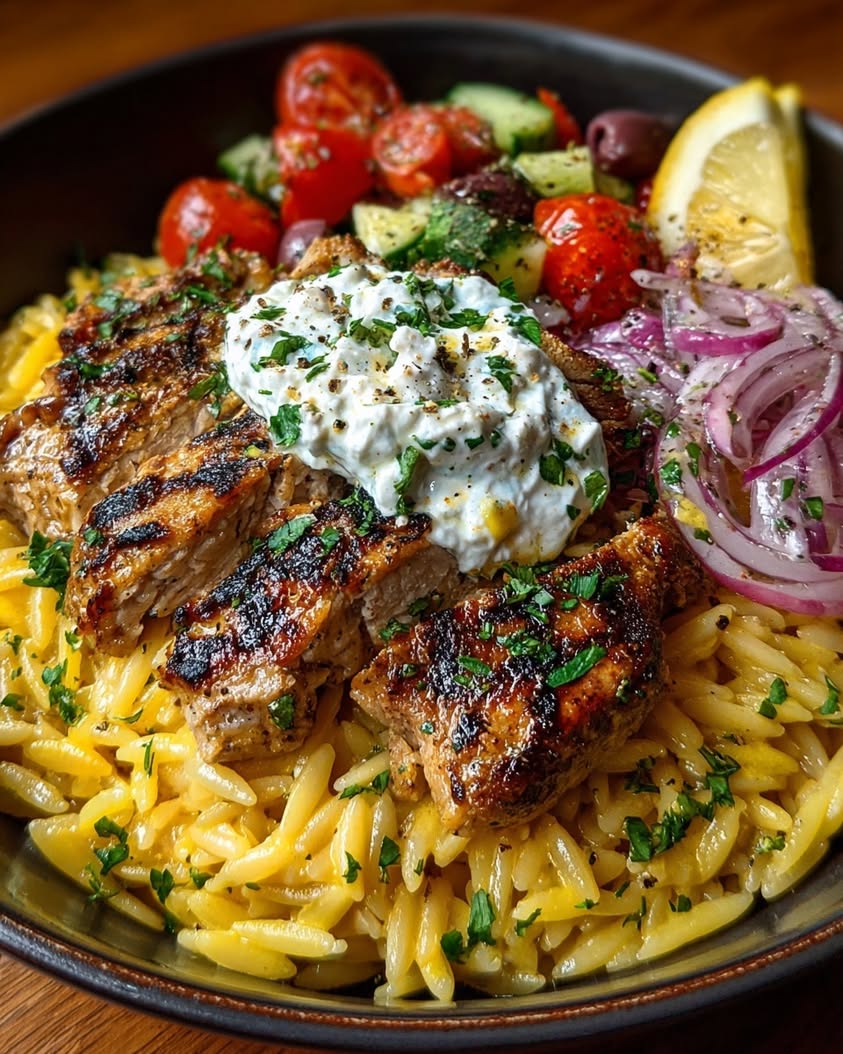
Lemon Dijon Chicken Orzo Bowl with Garlic Whipped Feta: Your New Favorite Weeknight Dinner
Let me introduce you to a dish that will absolutely transform your dinner routine. This Lemon Dijon Chicken Orzo Bowl with Garlic Whipped Feta is a symphony of bright, creamy, and savory flavors all in one comforting bowl. Imagine perfectly seared chicken, bathed in a tangy lemon Dijon sauce, nestled over tender orzo pasta. Then, picture a cloud of creamy, garlicky whipped feta melting into every bite. Ultimately, this recipe delivers restaurant-quality taste with straightforward, weeknight-friendly steps.
Furthermore, the beauty of this Lemon Dijon Chicken Orzo Bowl lies in its elegant simplicity. You create a stunning, complete meal using just one skillet and a food processor. The sauce builds right in the pan after cooking the chicken, meaning every drop of flavorful fond gets incorporated. Consequently, you achieve maximum flavor with minimal cleanup. This dish feels special enough for date night yet simple enough for a busy Tuesday. Truly, it is a versatile culinary hero.
Additionally, the textural contrast is nothing short of magical. You get the satisfying sear on the chicken, the pleasing chew of the orzo, and the luxurious, smooth spread of the whipped feta. Fresh herbs like dill or parsley add a final pop of color and freshness. As a result, every forkful is a perfect balance. This Lemon Dijon Chicken Orzo Bowl is more than just dinner. It is a flavorful experience that will have everyone asking for seconds.
Quick Recipe Highlights
- Flavor Profile: This Lemon Dijon Chicken Orzo Bowl masterfully balances tangy, savory, and creamy notes. The sharpness of Dijon mustard and fresh lemon juice cuts through the richness of the chicken and feta. Meanwhile, garlic and herbs provide a savory backbone that ties everything together beautifully.
- Texture: Expect a wonderful interplay of textures. The chicken boasts a golden, slightly crisp exterior with a juicy interior. The orzo offers a tender, rice-like bite. Finally, the whipped feta introduces a smooth, almost mousse-like creaminess that coats every component.
- Aroma: Cooking this dish fills your kitchen with an irresistible fragrance. First, you will smell the savory garlic and searing chicken. Then, the bright, zesty notes of lemon will mingle with the earthy aroma of cooking orzo. The scent is genuinely mouthwatering.
- Visual Appeal: This bowl is a feast for the eyes with its vibrant colors. Golden-brown chicken sits atop pale yellow orzo, all drizzled with a glossy sauce. The bright white whipped feta and green herbs create stunning contrast. Presentation is effortless yet impressive.
- Skill Level Needed: This is a fantastic recipe for cooks of all levels. Basic techniques like pan-searing and making a simple pan sauce are all you need. The whipped feta is incredibly easy with a food processor. Therefore, even beginners can achieve spectacular results.
- Special Equipment: You only need a large skillet and a food processor or blender. A good skillet ensures even cooking and proper sauce reduction. Meanwhile, the food processor is essential for achieving the perfectly smooth, airy texture of the garlic whipped feta.
Recipe Overview
- Difficulty Level: We rate this Lemon Dijon Chicken Orzo Bowl as easy. The steps are sequential and logical. You cook the chicken, then use the same pan to build the sauce and cook the orzo. The whipped feta is a simple blend. There is no complicated timing or advanced knife work required. Anyone comfortable following a recipe can master this dish.
- Category: This recipe fits multiple meal categories perfectly. It is a hearty main course, a complete one-bowl meal, and an excellent option for meal prep. You can also serve it as a more substantial side dish for a crowd. Its flexibility makes it a valuable addition to your recipe collection.
- Cuisine: The dish draws inspiration from Mediterranean and modern American cuisines. Orzo pasta is a staple in Greece and Italy. Whipped feta dips are popular across the Eastern Mediterranean. The lemon and Dijon sauce adds a French-inspired twist. Ultimately, it is a delicious fusion of flavors.
- Cost: This is a very cost-effective meal. Chicken thighs are typically affordable, and orzo is an inexpensive pantry staple. Feta cheese, lemon, and Dijon mustard are also budget-friendly. You can easily feed a family of four for less than the cost of takeout. It is a smart choice for your wallet.
- Season: This Lemon Dijon Chicken Orzo Bowl is truly a year-round favorite. The bright lemon makes it feel light and fresh for spring and summer. Conversely, the creamy, comforting elements are perfect for fall and winter. It adapts beautifully to any season with simple herb swaps.
- Occasion: It is ideal for busy weeknights, casual weekend dinners, or even informal entertaining. You can double the recipe easily for a dinner party. The components also pack well for lunches. This dish is a reliable choice for almost any dining situation.
Why You’ll Love This Recipe
First and foremost, the taste is absolutely unforgettable. The Lemon Dijon Chicken Orzo Bowl delivers a powerful punch of flavor in every single bite. The chicken soaks up the tangy, savory sauce, while the whipped feta adds a cooling, salty creaminess. Each element complements the others perfectly. You will find yourself savoring the complex layers of lemon, garlic, mustard, and herb. This is not a bland or boring dinner. It is a celebration of bold, harmonious flavors that will excite your palate.
Secondly, the convenience factor is a major win. This entire meal comes together in about forty minutes using mostly pantry staples. You cook everything in one skillet, which means less mess to clean up afterward. The orzo cooks directly in the flavorful sauce, absorbing all that deliciousness. Meanwhile, the whipped feta takes just minutes to prepare. Consequently, you get a gourmet-tasting meal without spending hours in the kitchen. It is the perfect solution for a satisfying dinner after a long day.
From a nutritional standpoint, this dish offers a well-rounded balance. Chicken thighs provide high-quality protein and essential nutrients like iron and zinc. Orzo, a wheat-based pasta, offers carbohydrates for energy. Using the cooking liquid from the sauce for the orzo also retains water-soluble vitamins. You can easily add more vegetables like spinach or cherry tomatoes for extra fiber. Therefore, this Lemon Dijon Chicken Orzo Bowl can be part of a wholesome, balanced diet.
Moreover, this recipe has fantastic social and entertaining value. It presents beautifully in a bowl, making it look chef-crafted. The whipped feta garnish feels like a special, restaurant-style touch. Guests will be impressed by the complex flavors and elegant presentation. You can prepare components ahead of time for stress-free hosting. It is a dish that encourages sharing and conversation around the table. Serving this meal shows care and culinary skill.
Finally, its cost-effectiveness and accessibility make it a staple. The ingredients are common and affordable at any grocery store. You likely have many of them in your kitchen already. There is no need for expensive or hard-to-find items. This recipe demonstrates how simple ingredients can create extraordinary food. It is an accessible way to elevate your everyday cooking without breaking the bank. The Lemon Dijon Chicken Orzo Bowl proves that delicious, impressive meals can be both easy and economical.
Historical Background and Cultural Significance
The story of this dish is a modern tale of culinary fusion. Orzo, which means “barley” in Italian, is a rice-shaped pasta that has been a staple in Greek and Italian kitchens for centuries. Traditionally, it appears in soups like “Youvarlakia” or baked dishes like “Pastitsio.” Whipped feta, or “htipiti,” is a classic Greek meze, blending feta with peppers or yogurt. The combination of lemon and mustard in sauces has roots in French and Mediterranean cuisines. This recipe creatively marries these distinct traditions into a cohesive, one-bowl meal.
Culturally, the bowl format reflects contemporary global eating trends. The concept of a “grain bowl” or “power bowl” gained massive popularity in the 2010s, emphasizing balanced, visually appealing meals. This Lemon Dijon Chicken Orzo Bowl fits right into that movement. It takes traditional Mediterranean components and presents them in a modern, convenient style. The dish honors the flavors of its ingredient origins while adapting to today’s desire for quick, complete, and Instagram-worthy meals. It is food that respects the past but lives in the present.
The evolution of the recipe likely stems from home cooks seeking to streamline weeknight cooking. Cooking orzo directly in a pan sauce is a technique that saves time and dishes. Adding a luxurious element like whipped feta transforms a simple chicken and pasta dish into something special. This evolution represents a key trend in modern home cooking: maximizing flavor and presentation while minimizing effort and cleanup. The Lemon Dijon Chicken Orzo Bowl is a perfect example of this practical, flavor-focused innovation.
Regional variations of this concept are endless. In Greece, one might find a similar flavor profile with grilled chicken souvlaki over orzo with a ladolemono sauce. In France, chicken with a Dijon cream sauce might be served over rice. This recipe borrows from these ideas and creates something new. You could adapt it further by using different herbs, adding olives or artichokes, or swapping the protein. The core framework is wonderfully adaptable. This flexibility ensures the Lemon Dijon Chicken Orzo Bowl can have countless delicious interpretations around the world.
Ingredient Deep Dive
Let us start with the star: boneless, skinless chicken thighs. Thighs are favored for their higher fat content compared to breasts, which translates to more flavor and juiciness, especially when seared. They are forgiving and less likely to dry out. Culturally, chicken is a global protein, adaptable to countless cuisines. Nutritionally, they provide excellent protein, B vitamins, and minerals like selenium. For the best results, pat your thighs very dry before seasoning. This ensures a proper sear. You can substitute chicken breasts, but reduce cooking time to prevent dryness.
Orzo pasta is the foundation of the bowl. Despite its rice-like shape, it is simply a small pasta made from semolina wheat. It has been a staple in Mediterranean diets for generations. Orzo cooks quickly and absorbs flavors magnificently, making it ideal for cooking in a sauce. It provides carbohydrates for energy and contains some protein and fiber. When selecting orzo, standard supermarket brands work perfectly. You can find whole wheat orzo for extra fiber. Do not rinse orzo after cooking, as the starch helps thicken the sauce and create a creamy texture.
Feta cheese, the base of our whipped topping, is a brined curd cheese with a tangy, salty flavor. It originated in Greece and is a protected designation of origin product. Traditional feta is made from sheep’s milk or a sheep-goat blend. It is rich in calcium and protein. For whipped feta, a block of feta in brine is superior to pre-crumbled cheese, which often contains anti-caking agents. The brine keeps it moist and flavorful. Store leftover feta submerged in its brine in the refrigerator. For a dairy-free version, try whipped tofu with nutritional yeast.
Fresh lemon juice and zest are non-negotiable for brightness. Lemon cultivation dates back to ancient Asia, and they are now synonymous with Mediterranean and Middle Eastern cooking. The juice provides acidity that balances richness, while the zest contains potent aromatic oils. Nutritionally, lemons are an excellent source of vitamin C. Always zest your lemon before juicing it. Use fresh juice, not bottled, for the best flavor. A medium lemon typically yields about two to three tablespoons of juice. Roll the lemon on the counter before cutting to maximize juice extraction.
Dijon mustard is the flavor catalyst. Originating in Dijon, France, it is made from brown mustard seeds, white wine, and spices. It adds a sharp, complex tang without the sweetness of yellow mustard. In cooking, it acts as an emulsifier, helping to create a smooth, cohesive sauce. It is low in calories and can contain turmeric, which has anti-inflammatory properties. A good-quality Dijon makes a difference. Store it in the refrigerator after opening. If you do not have Dijon, a whole-grain mustard can work, though the texture and flavor profile will change slightly.
Common Mistakes to Avoid
- Not Drying the Chicken: Adding wet chicken to a hot pan causes steaming instead of searing. Consequently, you will miss out on the flavorful, golden-brown crust that is essential for depth of flavor. Always pat chicken thighs thoroughly with paper towels before seasoning and cooking.
- Crowding the Pan: If you put all the chicken in the skillet at once, the pan temperature drops drastically. This leads to the chicken releasing its juices and boiling in them. Cook in batches if necessary to ensure each piece has space for proper searing and caramelization.
- Using Pre-Crumbled Feta: Pre-crumbled feta often contains cellulose to prevent clumping. This additive can prevent it from blending into a perfectly smooth, creamy texture. For the best garlic whipped feta, always start with a solid block of feta cheese stored in brine.
- Overcooking the Orzo: Orzo continues to cook and absorb liquid even after you turn off the heat. If you cook it to al dente in the pan, it will become perfectly tender by serving time. Follow the package instructions but start checking for doneness a minute or two early.
- Adding Cold Dairy to a Hot Pan: If your recipe calls for adding heavy cream or butter to the sauce, let it come to room temperature first. Adding it straight from the fridge can cause the sauce to break or look curdled. Gradual incorporation is key for a smooth emulsion.
- Skipping the Deglazing Step: After removing the chicken, those browned bits stuck to the pan are pure flavor. Pouring your liquid (like chicken broth) into the hot pan and scraping them up is called deglazing. This step is crucial for building a rich, complex sauce for your Lemon Dijon Chicken Orzo Bowl.
- Not Seasoning in Layers: Season only the chicken and forget the sauce and orzo. Season each component as you cook. Taste the sauce before adding the orzo, and taste again before serving. Building layers of seasoning ensures the final dish is perfectly balanced, not bland.
- Blending the Feta Without Liquid: Trying to whip dry feta in a food processor will result in a crumbly paste. You must add a liquid like olive oil, yogurt, or the brine from the feta container to facilitate blending. This creates the signature smooth, spreadable consistency.
- Using Bottled Lemon Juice: The flavor of fresh lemon juice is bright and vibrant, while bottled juice can taste flat, metallic, or overly acidic. The fresh zest is also irreplaceable. For the best flavor in your Lemon Dijon Chicken Orzo Bowl, always use a fresh lemon.
- Not Letting the Chicken Rest: Slicing into the chicken immediately after cooking causes all the precious juices to run out onto the cutting board. Let it rest for at least five minutes before slicing. This allows the juices to redistribute, resulting in much juicier meat.
Essential Techniques
Pan Searing: This technique creates a flavorful Maillard reaction—a chemical process that browns the proteins and sugars on the surface of the chicken. To master it, ensure your pan is properly preheated over medium-high heat and your chicken is very dry. Do not move the chicken for the first few minutes; let a crust form. The chicken should release easily from the pan when ready to flip. A common pitfall is flipping too early, which tears the seared crust. Visual cues include a golden-brown color and the meat releasing naturally from the pan surface.
Deglazing and Making a Pan Sauce: After searing, flavorful browned bits (fond) stick to the pan. Deglazing involves adding a liquid like broth or wine to the hot pan and using a wooden spoon to scrape these bits up. This dissolves the fond into the liquid, forming the base of your sauce. It is important because it captures all the caramelized flavor from the searing process. The key is to use a liquid that will reduce and concentrate. A common mistake is using too much liquid, resulting in a watery sauce. Success is a glossy, slightly thickened sauce that coats the back of a spoon.
One-Pot Pasta Cooking: Cooking pasta directly in the sauce is a brilliant time and dish-saving method. The starch released from the orzo as it cooks naturally thickens the sauce, creating a creamy, cohesive texture. The technique requires careful liquid measurement; you need enough for the orzo to absorb and cook through. Stir frequently at the beginning to prevent sticking. The pitfall is not adjusting the heat—start with a simmer, then reduce to low to cook the orzo gently without burning. Success means tender orzo suspended in a rich, flavorful sauce, with no excess watery liquid.
Whipping Cheese: Transforming a solid block of feta into a light, airy spread requires mechanical emulsification. The sharp blades of a food processor break down the cheese’s structure while incorporating air and fat (olive oil). The technique is important for creating a luxurious texture that contrasts with the other bowl components. The key is to start with room-temperature feta and add liquid gradually. A common mistake is over-processing, which can sometimes cause separation. Visual and textural cues for success are a homogeneous, smooth, spreadable consistency with a slight sheen.
Pro Tips for Perfect Lemon Dijon Chicken Orzo Bowl
Bring your chicken to room temperature for about fifteen minutes before cooking. This simple step promotes even cooking from edge to center, preventing a raw middle and overcooked edges. It also helps achieve a better sear.
Season your chicken generously with salt and pepper at least ten minutes before cooking. This allows the seasoning to penetrate the meat slightly, seasoning it from the inside out, rather than just sitting on the surface.
Use a mix of olive oil and butter to sear the chicken. The oil has a higher smoke point for searing, while the butter adds incredible flavor and aids in browning. The combination gives you the best of both worlds.
After removing the cooked chicken, let your pan cool for just a minute before adding garlic for the sauce. Garlic burns very quickly in a scorching hot pan, which will make it taste bitter. A slightly cooled pan allows it to become fragrant without burning.
When making the garlic whipped feta, add a tablespoon of the feta brine to the processor. This liquid is already seasoned and helps achieve a smooth consistency without diluting the cheesy, salty flavor. It is a chef’s secret for the best texture.
If your sauce seems too thin after adding the orzo, let it simmer uncovered for an extra minute or two to reduce. Conversely, if it seems too thick or the orzo is not cooked, add a splash more chicken broth or water and continue cooking.
Finish the dish with a final drizzle of high-quality extra virgin olive oil and a squeeze of fresh lemon juice just before serving. This last-minute addition brightens all the flavors and adds a professional, glossy finish to your Lemon Dijon Chicken Orzo Bowl.
Let the completed bowl rest for five minutes off the heat before serving. This allows the orzo to fully absorb the sauce and the flavors to meld together beautifully, resulting in a more cohesive and flavorful dish.
Variations and Adaptations
For regional variations, consider a Greek-inspired version. Add kalamata olives, sun-dried tomatoes, and a sprinkle of dried oregano to the sauce. Use a whipped feta that includes roasted red peppers. For an Italian twist, substitute the Dijon with a tablespoon of tomato paste, add fresh basil, and use whipped ricotta instead of feta. The framework is wonderfully adaptable to different flavor profiles from around the Mediterranean.
Seasonal adaptations are easy. In spring, stir in fresh peas and asparagus tips with the orzo. For summer, add halved cherry tomatoes and fresh corn kernels. In fall, incorporate roasted butternut squash cubes and sage. Winter calls for hearty greens like chopped kale or spinach wilted into the sauce. Changing the vegetables keeps the Lemon Dijon Chicken Orzo Bowl exciting all year long.
Dietary modifications are straightforward. For gluten-free, use a certified gluten-free orzo or substitute with rice or quinoa. For dairy-free, replace the whipped feta with a whipped cannellini bean spread flavored with garlic and lemon. To make it vegetarian, omit the chicken and use hearty mushrooms or chickpeas, using vegetable broth. Each swap maintains the spirit of the bowl while catering to specific needs.
Flavor variations can personalize the dish. Add a teaspoon of smoked paprika or harissa paste to the sauce for a smoky or spicy kick. Stir in a handful of capers for a briny punch. Swap the lemon for orange zest and juice for a sweeter citrus note. Use different herbs like tarragon, chives, or mint instead of dill or parsley. Experimenting keeps this recipe fresh in your rotation.
Texture modifications can cater to preference. For more crunch, top the finished bowl with toasted pine nuts or slivered almonds. For a creamier sauce, stir in a quarter cup of heavy cream or Greek yogurt at the end. If you prefer a looser consistency, add more broth. You can also shred the cooked chicken instead of slicing it for a different mouthfeel.
Presentation alternatives can elevate the dish for entertaining. Instead of mixing everything, serve the components deconstructed: a mound of orzo, sliced chicken arranged on top, and the whipped feta in a separate bowl for dolloping. Use individual serving bowls or even wide, shallow pasta plates. Garnish with edible flowers or microgreens for a truly special presentation.
Serving and Presentation Guide
Plating techniques matter for visual appeal. Start with a warm, shallow bowl. Place a generous scoop of the lemony orzo in the center. Fan the sliced Lemon Dijon chicken over the top, slightly overlapping. Dollop or swoosh the garlic whipped feta to the side or in the center. This arrangement showcases each beautiful component separately while inviting them to be mixed together.
Garnishing adds the final touch of freshness and color. A generous sprinkle of chopped fresh herbs like parsley, dill, or chives is essential. A light dusting of lemon zest over the white feta creates a vibrant contrast. A final crack of black pepper and a drizzle of your best extra virgin olive oil adds sheen. For special occasions, add a few whole herb leaves or edible flowers.
Traditional accompaniments might include a simple, crisp green salad with a lemony vinaigrette to complement the bowl’s flavors without competing. Warm, crusty bread is perfect for scooping up any remaining sauce and whipped feta. A side of roasted vegetables like broccoli or green beans also pairs beautifully, adding another texture and nutritional element to the meal.
Modern serving suggestions embrace the bowl’s versatility. Serve it family-style from a large serving platter for a casual gathering. For meal prep, divide it evenly into four airtight containers for ready-to-go lunches. You can also serve it as part of a larger Mediterranean-inspired spread with hummus, pita, and olives. Its format suits both formal and informal dining perfectly.
Temperature considerations are key. Serve the Lemon Dijon Chicken Orzo Bowl immediately while the orzo is hot and the sauce is loose. The whipped feta should be cool or at room temperature, providing a pleasant temperature contrast. If the dish sits, the orzo will continue to absorb liquid and thicken. Have a little warm broth on hand to loosen it up if needed before serving.
Portion control is easy with this recipe. The listed servings are generous. For lighter appetites, you can stretch it to five or six servings, especially if adding a large side salad. The balanced nature of the bowl—protein, carb, and fat—makes it satisfying without being overly heavy. Listen to your hunger cues and adjust scoop sizes accordingly.
Wine and Beverage Pairing
Wine pairings should complement the dish’s bright acidity and creamy elements. A crisp, unoaked white wine like Sauvignon Blanc or Pinot Grigio is a classic choice. Their citrus notes mirror the lemon in the bowl. Alternatively, a dry Greek Assyrtiko, with its mineral quality and lemon zest character, is a phenomenal regional match. For red wine lovers, a light-bodied, low-tannin red like a Beaujolais or Pinot Noir can work if served slightly chilled. The key is to avoid overly oaky or tannic wines that would clash with the lemon and mustard.
Non-alcoholic alternatives can be just as sophisticated. A sparkling lemonade or limeade provides effervescence and citrus harmony. Iced herbal tea, like mint or lemon verbena, offers a refreshing, aromatic counterpoint. For a creamier option, a chilled glass of buttermilk or a yogurt-based drink (like an Indian lassi) can complement the whipped feta beautifully. The goal is a beverage that cleanses the palate between bites.
While not traditional, certain coffees or teas could work if served after the meal. A light, citrusy tea like Earl Grey or a lemon ginger herbal tea would be a lovely digestif that echoes the bowl’s flavors. A bright, acidic coffee with citrus notes from East Africa could also be an interesting post-meal pairing, though it is less common. Generally, these are better suited for after the dining experience.
Temperature considerations are crucial for beverages. White wines and non-alcoholic sparklers should be served well-chilled, around 45-50°F. This cold temperature enhances their refreshing quality against the warm, savory bowl. If serving a light red, aim for a cool cellar temperature, around 55°F. Iced teas and lemonades should be very cold. The contrast between a cold drink and a warm meal is part of the pleasure.
Serving suggestions include offering a choice. When entertaining, you might set out a bottle of Sauvignon Blanc and a pitcher of homemade mint lemonade. Always provide plenty of cold water as well. Serve wines in appropriate glassware to enhance aroma and taste. For a casual family dinner, a simple pitcher of ice water with lemon slices is always perfect and hydrating.
Storage and Shelf Life
Storage methods are straightforward but important for food safety. Allow the Lemon Dijon Chicken Orzo Bowl to cool completely before storing. Do not leave it at room temperature for more than two hours. Store the chicken, orzo, and whipped feta in separate airtight containers in the refrigerator. This prevents the orzo from becoming soggy and the feta from weeping into the other components.
Temperature requirements are standard for cooked foods. The refrigerator must be at 40°F or below. Store all components on a shelf, not in the door where temperatures fluctuate. If you have mixed everything together, it will still keep but the textures will soften more quickly. Consume refrigerated leftovers within three to four days for the best quality and safety.
Container recommendations are key for freshness. Use glass or BPA-free plastic containers with tight-fitting lids. For the whipped feta, a small jar or container where it can sit in a relatively even layer is ideal. For the orzo and chicken, shallow containers promote faster, more even cooling. Avoid storing large, deep pots of hot food directly in the fridge, as they can raise the internal temperature.
Signs of spoilage include an off or sour smell, visible mold (especially on the whipped feta), or a slimy texture on the chicken or orzo. If the sauce has separated irreversibly or the orzo has become mushy and unpleasant, it is best to discard it. When in doubt, throw it out. Properly stored, the components should look and smell fresh for several days.
Reheating instructions require care. Reheat the chicken and orzo mixture gently in a skillet over medium-low heat with a splash of broth or water to loosen the sauce. You can also use the microwave, covered, stirring every 30 seconds until hot. Do not reheat the whipped feta. Serve it cold or at room temperature alongside the reheated components. Overheating can cause the cheese to separate or become oily.
Freezing guidelines are possible but with caveats. The chicken and orzo mixture can be frozen for up to two months, though the orzo may become softer upon thawing. Freeze in airtight containers or freezer bags, pressing out excess air. The garlic whipped feta does not freeze well, as the texture will become grainy and separate upon thawing. Thaw frozen portions overnight in the refrigerator before reheating.
Make Ahead Strategies
A prep timeline can turn this into a 15-minute meal on a busy night. Up to two days ahead, you can cook the chicken, let it cool, slice it, and store it in its container. You can also cook the orzo in the sauce, cool it completely, and store it separately. The garlic whipped feta can be made up to three days in advance. This leaves only gentle reheating and assembly for dinner time.
Storage between steps is simple with proper planning. Store pre-cooked, sliced chicken in a sealed container with any accumulated juices. Store the cooled orzo mixture in its own container. Keep the whipped feta in a small jar or container with a piece of plastic wrap pressed directly onto its surface to prevent oxidation and drying. All components go in the refrigerator.
Quality impact assessment is important. The chicken will be just as flavorful, though it may lose a bit of its seared texture. The orzo will absorb more sauce and become softer, but in a pleasant, cohesive way. The whipped feta’s flavor often improves as the garlic mellows. Overall, make-ahead prep has a minimal negative impact and a major positive impact on weeknight stress levels.
Assembly tips for make-ahead meals: When ready to serve, reheat the chicken and orzo together in a skillet with a splash of broth until steaming hot. Gently warm the chicken through without overcooking it. Spoon into bowls. Take the whipped feta out of the fridge about 15 minutes before serving to take the chill off. Dollop it on the warm bowls and garnish with fresh herbs.
Reheating guidelines are crucial for texture. Use the stovetop for best results. Add the orzo and chicken to a pan with a little liquid. Cover and heat over medium-low, stirring occasionally, until hot throughout. Microwave reheating can work but often heats unevenly and can make the orzo gummy if overdone. Stir well and check the temperature in the center before serving.
Fresh element additions are the final touch. Even with make-ahead components, always add a fresh garnish. Chop some new herbs, zest a bit of fresh lemon, or drizzle with new olive oil just before serving. This adds a burst of freshness that makes the dish taste newly made and vibrant, counteracting any “leftover” flavor from refrigeration.
Scaling Instructions
Halving the recipe is simple for smaller households. Use half the amount of all ingredients. Cooking times will remain roughly the same, though you may need a slightly smaller skillet. The sauce may reduce a bit faster, so keep an eye on it. The whipped feta can still be made with a full block of feta (use the rest for salads), or you can successfully halve those ingredients as well. Storage is easier with smaller portions.
Doubling or tripling the recipe for a crowd requires some adjustments. Use the largest skillet or Dutch oven you have, or cook the chicken in multiple batches to avoid overcrowding. You may need to increase the sauce simmering time slightly to reach the proper reduction. When cooking the orzo, ensure there is enough liquid to cover it adequately; you may need an extra half-cup to cup of broth. Stir more frequently to prevent sticking on the bottom.
Equipment adjustments are necessary when scaling. For a double batch, a large Dutch oven or a wide braiser is ideal. For tripling, consider using two large skillets simultaneously or cooking in a large stockpot. For the whipped feta, a standard food processor can handle a double batch easily. If tripling, you may need to blend in two batches to ensure smoothness.
Timing modifications are minimal but present. Cooking more chicken in batches will add to your active cook time. The sauce and orzo may take a few extra minutes to come to a simmer and cook through due to the larger volume. Factor in an extra 10-15 minutes of total time when doubling. Always use a food thermometer to ensure chicken reaches 165°F internally, regardless of batch size.
Storage considerations change with scale. If making a large batch for leftovers, divide the cooled components into meal-sized portions before refrigerating. This makes reheating easier and safer, as smaller portions cool faster. Label containers with the date. A large batch of whipped feta will keep just as well as a small one, provided it is stored in an airtight container.
Nutritional Deep Dive
A macro breakdown for one serving (approximately one-fourth of the recipe) provides a balanced profile. You can expect around 35-40 grams of high-quality protein from the chicken and feta, supporting muscle repair and satiety. Complex carbohydrates from the orzo contribute roughly 45-50 grams, offering sustained energy. Fats, primarily from olive oil, chicken thighs, and feta, come in around 25-30 grams, including heart-healthy monounsaturated fats. This balance makes the Lemon Dijon Chicken Orzo Bowl a satisfying and energy-stable meal.
The micronutrient analysis reveals a wealth of vitamins and minerals. Chicken thighs are an excellent source of B vitamins, particularly B6 and B12, crucial for energy metabolism{“success”:true,”message”:”Recipe created successfully”,”post_id”:8723,”tasty_recipe_id”:8723,”shortcode”:” Print
Lemon Dijon Chicken Orzo Bowl with Garlic Whipped Feta
Description
A bright and creamy one-bowl meal featuring tender chicken and orzo tossed in a lemon-Dijon sauce, topped with a fluffy garlic whipped feta.
Ingredients
For the Crust:
- 1 lb boneless, skinless chicken breasts, cubed
- 1 cup orzo pasta
- 4 oz feta cheese, crumbled
- 1/4 cup plain Greek yogurt
- 2 cloves garlic, minced
- 3 tbsp olive oil, divided
- 2 tbsp Dijon mustard
- Juice and zest of 1 lemon
- 1/2 cup chicken broth
- 1/4 cup chopped fresh parsley
- Salt and black pepper to taste
Instructions
1. Prepare the Crust:
- Cook the orzo according to package directions, drain, and set aside.
- Season chicken with salt and pepper. Heat 1 tbsp olive oil in a skillet over medium-high heat. Cook chicken until golden and cooked through, about 6-8 minutes. Remove from skillet.
- In the same skillet, add remaining olive oil, Dijon mustard, lemon juice, zest, and chicken broth. Simmer for 2-3 minutes until slightly thickened.
- Return chicken and orzo to the skillet, tossing to coat in the sauce. Stir in parsley.
- For the whipped feta: blend feta, Greek yogurt, and minced garlic in a food processor until smooth and fluffy.
- Serve chicken and orzo in bowls, topped with a dollop of garlic whipped feta.
Notes
You can customize the seasonings to taste.

I’m Billy, a classically trained culinary school graduate from The Culinary Institute of America with over 12 years in the restaurant industry and over 19 years of cooking experience.