
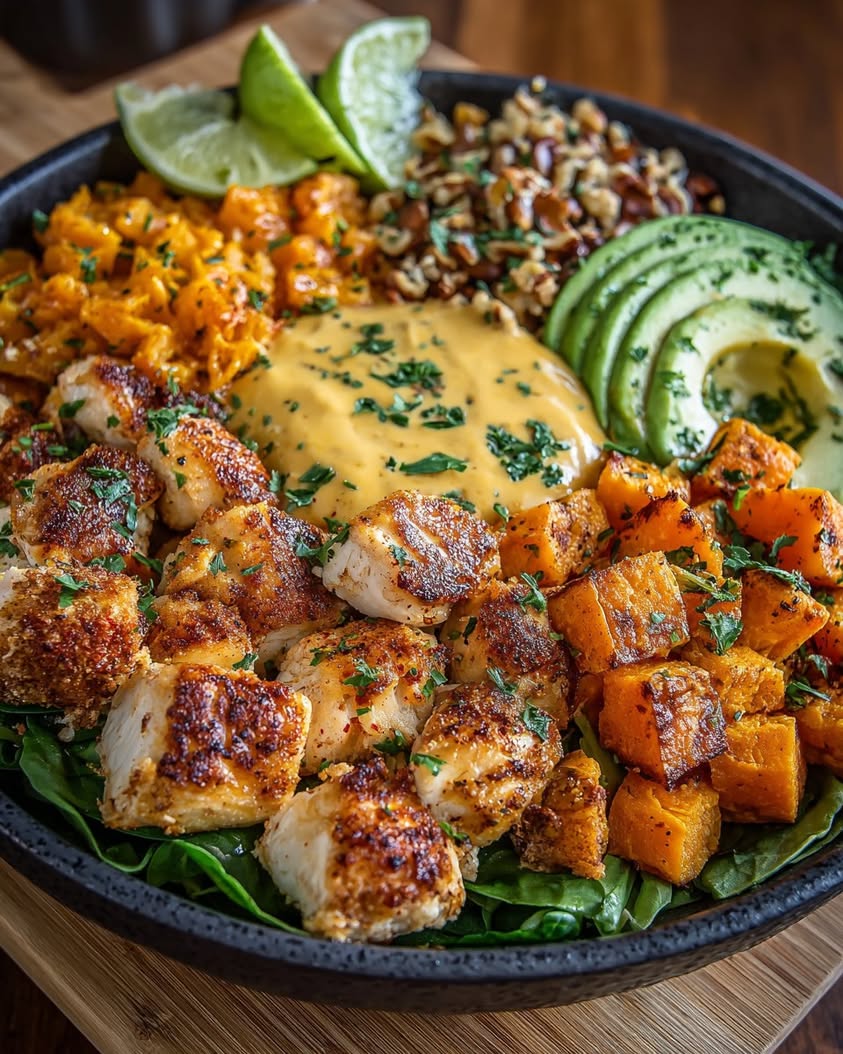
Maple Dijon Chicken and Sweet Potato Bowls: A Flavorful Meal Prep Recipe
Imagine a dinner that delivers a perfect harmony of sweet, savory, and tangy flavors in every single bite. This Maple Dijon Chicken and Sweet Potato Bowls recipe does exactly that, creating a wholesome and satisfying meal that feels both gourmet and incredibly approachable. The combination of juicy, glazed chicken with tender roasted sweet potatoes and crisp green beans is a true celebration of texture and taste. Ultimately, this dish proves that healthy eating can be an absolute delight for your senses.
Furthermore, this recipe shines as a fantastic meal prep solution for busy weeks. You can easily prepare all the components ahead of time, then assemble them quickly for a nutritious lunch or dinner. The maple Dijon glaze, a simple mixture of pantry staples, transforms ordinary chicken breasts into something extraordinary. Consequently, you get a restaurant-quality meal without the hassle or expense, all from the comfort of your own kitchen.
Finally, the visual appeal of these bowls is undeniable. The golden-brown chicken, vibrant orange sweet potatoes, and bright green beans create a beautiful, colorful plate that is as Instagram-worthy as it is delicious. This Maple Dijon Chicken and Sweet Potato Bowls recipe is more than just food; it’s a complete experience that nourishes your body and pleases your palate.
Quick Recipe Highlights
- Flavor Profile: This dish masterfully balances sweet maple syrup with tangy Dijon mustard and savory garlic. The result is a complex, addictive sauce that coats the chicken perfectly. Additionally, the natural sweetness of the roasted potatoes complements the savory glaze beautifully.
- Texture: You will enjoy a wonderful contrast of textures. The chicken stays juicy and tender inside with a slightly caramelized exterior. Meanwhile, the sweet potatoes become creamy and soft, while the green beans offer a satisfying, crisp-tender bite.
- Aroma: As the bowls bake, your kitchen will fill with the warm, inviting scent of roasting garlic and sweet maple. The aroma of the Dijon mustard adds a sharp, appetizing note that promises a flavorful meal.
- Visual Appeal: These bowls are a feast for the eyes with their stunning color palette. The golden chicken, deep orange sweet potatoes, and vibrant green beans look incredibly appetizing together. Presentation is effortless yet impressive.
- Skill Level Needed: This is a beginner-friendly recipe requiring only basic kitchen skills like chopping and mixing. You do not need any advanced techniques. Simply follow the straightforward steps for a guaranteed delicious result.
- Special Equipment: You only need a good baking sheet, a mixing bowl, and some basic measuring tools. A sheet pan with a wire rack can help the chicken crisp up, but it is not mandatory. Otherwise, standard kitchen equipment works perfectly.
Recipe Overview
- Difficulty Level: We rate this Maple Dijon Chicken and Sweet Potato Bowls recipe as easy. The steps are simple and sequential, with no complicated techniques involved. You simply prepare the ingredients, make the glaze, and roast everything together. Even novice cooks can achieve fantastic results with confidence.
- Category: This dish fits perfectly into several meal categories. It is an excellent main course for dinner, a reliable meal prep option for lunches, and a great high-protein post-workout meal. Moreover, it works well for casual family dinners or for impressing guests.
- Cuisine: While not tied to a single tradition, this recipe draws inspiration from modern American comfort food with French culinary influences, notably through the use of Dijon mustard. It embodies a contemporary, health-conscious approach to bowl meals, focusing on whole, roasted ingredients.
- Cost: This is a very budget-friendly recipe. Chicken breast, sweet potatoes, and green beans are all affordable, accessible ingredients. The glaze uses pantry staples like maple syrup and mustard, keeping the cost per serving quite low, especially compared to takeout.
- Season: This Maple Dijon Chicken and Sweet Potato Bowls recipe is fantastic year-round. It feels cozy and hearty in the fall and winter. Conversely, it also works in spring and summer when served with a lighter side, like a fresh green salad.
- Occasion: It is ideal for weekly meal prep, busy weeknight dinners, or a simple yet elegant weekend meal. You can also easily double the recipe to feed a crowd at a casual gathering. It is versatile and suits almost any informal dining occasion.
Why You’ll Love This Recipe
First, the taste and texture appeal is absolutely undeniable. The maple Dijon glaze creates a sticky, flavorful crust on the chicken that is both sweet and pleasantly sharp. Each component of these Maple Dijon Chicken and Sweet Potato Bowls brings its own unique quality to the fork. You get the hearty satisfaction of roasted vegetables paired with lean, protein-packed chicken, making every bite incredibly fulfilling and delicious.
Next, consider the sheer convenience and preparation benefits. This entire meal cooks on one or two sheet pans, meaning cleanup is a breeze. You can prep the vegetables and mix the glaze in just minutes. Consequently, you spend less time washing dishes and more time enjoying your food. This efficiency makes it a top contender for stressful weeknights when you want a healthy meal fast.
Furthermore, the nutritional advantages are significant. This recipe is packed with high-quality protein from the chicken and complex carbohydrates and fiber from the sweet potatoes. Green beans add essential vitamins and a satisfying crunch. It is a balanced meal that provides sustained energy, supports muscle repair, and keeps you feeling full and satisfied for hours. You are nourishing your body with every ingredient.
Additionally, this dish holds great social and entertaining value. It presents beautifully, making it look like you spent far more effort than you actually did. You can easily adapt the portions to serve a family or a group of friends. Serving these colorful, flavorful bowls often sparks conversation about the recipe. It is a surefire way to impress without stress.
Finally, the cost-effectiveness and accessibility are major wins. You likely have most of the glaze ingredients in your pantry already. Chicken, sweet potatoes, and green beans are routinely affordable at any grocery store. Compared to ordering similar grain bowls from a restaurant, making this Maple Dijon Chicken and Sweet Potato Bowls recipe at home saves you a substantial amount of money. You get gourmet flavor on a very modest budget.
Historical Background and Cultural Significance
The concept of the “bowl meal” has ancient roots across many cultures, from Hawaiian poke to Korean bibimbap. Our modern interpretation, like these Maple Dijon Chicken and Sweet Potato Bowls, is a relatively new phenomenon. It specifically grew from the health and wellness movement of the late 20th and early 21st centuries. This movement emphasized balanced, visually appealing meals that combined protein, vegetables, and complex carbs in a single, convenient vessel.
Maple syrup and Dijon mustard each carry their own rich histories. Indigenous peoples of North America first harvested and used maple sap. European settlers later adopted and refined the sugaring process. Dijon mustard originates from the city of Dijon, France, and has been a staple of French cuisine since the 14th century. The fusion of these two distinct ingredients is a testament to modern globalized cooking, where chefs and home cooks freely blend traditions to create new, exciting flavors.
The evolution of this recipe mirrors a broader shift towards “macro-bowl” or “power bowl” eating. People sought meals that were designed for nutrition, portability, and customization. The sweet potato, once a humble staple, gained superfood status for its nutrient density. Chicken breast remained a lean protein favorite. Combining them with a bold, simple glaze created a meal that perfectly fit contemporary desires for food that is healthy, Instagrammable, and deeply satisfying.
Regional variations of this concept are endless. In the American South, you might find a similar bowl with a bourbon-infused glaze. In Canada, the maple flavor would be paramount. The basic formula, however, is universally adaptable. This flexibility is the true cultural significance of dishes like these Maple Dijon Chicken and Sweet Potato Bowls. They represent a personalized, health-conscious, and globally-inspired approach to everyday eating that resonates with people worldwide.
Ingredient Deep Dive
Chicken Breast: Boneless, skinless chicken breast is the lean protein cornerstone of this recipe. A great source of high-quality protein, it supports muscle maintenance and keeps you full. For the best results in your Maple Dijon Chicken and Sweet Potato Bowls, look for breasts of even thickness to ensure uniform cooking. You can also pound them slightly to an even thickness. Store raw chicken in the coldest part of your refrigerator and use within 1-2 days, or freeze for longer storage. For a substitution, chicken thighs offer more flavor and juiciness, though they are higher in fat.
Sweet Potatoes: These vibrant tubers are nutritional powerhouses, packed with beta-carotene (which converts to Vitamin A), fiber, and complex carbohydrates. Their natural sweetness caramelizes beautifully when roasted, complementing the savory glaze. Choose firm sweet potatoes with smooth, unblemished skin. You can store them in a cool, dark place for several weeks. Do not refrigerate raw sweet potatoes, as cold temperatures can alter their texture and flavor. As an alternative, butternut squash or regular potatoes would work, though the flavor profile will change.
Maple Syrup: Real maple syrup is crucial for authentic flavor. It provides the distinct, nuanced sweetness that balances the Dijon’s tang. Beyond sweetness, it contains antioxidants and minerals like manganese and zinc. Always opt for 100% pure maple syrup, not pancake syrup, which is primarily corn syrup and artificial flavor. Store it in the pantry before opening and in the refrigerator afterward to prevent mold. For a lower-glycemic option, you can use a smaller amount of pure maple syrup or substitute with a sugar-free maple-flavored syrup, though the taste will differ.
Dijon Mustard: Originating from Dijon, France, this mustard is known for its sharp, clean, and slightly spicy flavor profile. It adds necessary acidity and complexity to cut through the sweetness of the maple. Mustard seeds also contain selenium and anti-inflammatory compounds. A good Dijon should have a smooth texture and a pungent aroma. Store it in the refrigerator after opening to maintain its potency. If you must substitute, whole-grain mustard will add texture, or a mix of yellow mustard and a pinch of horseradish can approximate the heat.
Green Beans: Fresh green beans contribute color, a crisp-tender texture, and essential nutrients like Vitamin K, Vitamin C, and fiber. They round out the meal with a fresh, vegetal component. Look for beans that are bright green, firm, and snap easily. Avoid any that are limp or have visible blemishes. Store them unwashed in a plastic bag in your refrigerator’s crisper drawer. For a variation, try asparagus, broccoli florets, or Brussels sprouts, adjusting the roasting time as needed for these Maple Dijon Chicken and Sweet Potato Bowls.
Common Mistakes to Avoid
- Overcrowding the Pan: Placing all ingredients too close together on the baking sheet is a common error. They will steam instead of roast, resulting in soggy sweet potatoes and pale chicken. Always use two pans if necessary to ensure everything has space for proper caramelization.
- Using Imitation Maple Syrup: Pancake syrup lacks the depth of flavor and can make the glaze overly sweet and artificial. Always invest in 100% pure maple syrup for the best flavor in your Maple Dijon Chicken and Sweet Potato Bowls.
- Underseasoning the Vegetables: Do not forget to toss the sweet potatoes and green beans with oil, salt, and pepper. They need their own seasoning to shine, not just to rely on the glaze from the chicken.
- Not Preheating the Oven: Starting with a cold oven will throw off your cooking times. The vegetables won’t crisp properly. Always allow your oven to fully preheat to the specified temperature before adding your pans.
- Skipping the Rest Time for Chicken: Cutting into the chicken immediately after baking lets all the precious juices run out. Let it rest for 5-10 minutes before slicing to ensure it stays moist and tender.
- Neglecting to Check Doneness: Oven temperatures vary. Always use a meat thermometer to check that the chicken has reached 165°F internally. Also, check that the sweet potatoes are fork-tender before removing everything from the oven.
- Mixing Raw Chicken Juices with Glaze: If you marinate the chicken, do not reuse the marinade that touched raw chicken as a finishing sauce unless you boil it first. To be safe, set aside a portion of the fresh glaze for brushing at the end.
- Cutting Sweet Potatoes Unevenly: If your sweet potato chunks are different sizes, they will cook unevenly. Take a moment to cut them into uniform, bite-sized pieces for consistent roasting.
Essential Techniques
Uniform Chopping: Cutting your vegetables to a consistent size is perhaps the most important technique for this recipe. Uniform pieces ensure that all your sweet potatoes roast at the same rate, preventing some from being undercooked while others burn. Aim for 1-inch cubes. This practice also applies to the green beans; trim them to similar lengths. Mastering this basic knife skill guarantees perfectly cooked components in every batch of Maple Dijon Chicken and Sweet Potato Bowls.
Creating an Emulsion (The Glaze): Whisking the glaze vigorously is key. You are emulsifying the oil with the maple syrup and Dijon mustard. A proper emulsion creates a smooth, cohesive sauce that clings to the chicken instead of separating. Whisk until the mixture looks uniform and slightly thickened. If the oil separates, simply whisk again before using. This technique ensures every piece of chicken gets evenly coated with maximum flavor.
High-Heat Roasting: Roasting at 400°F (200°C) is deliberate. This high heat promotes the Maillard reaction—the chemical process that creates browning and complex, savory flavors. It quickly caramelizes the natural sugars in the sweet potatoes and the maple syrup on the chicken. To master it, ensure your oven is fully preheated and use a light-colored, heavy-duty baking sheet. Dark pans can cause over-browning. The visual cue for success is golden-brown edges on the vegetables and a sticky, browned glaze on the chicken.
Resting Protein: Allowing the chicken to rest after cooking is a non-negotiable technique for juiciness. When heat is applied, the proteins in the meat tighten and push moisture toward the center. Slicing immediately forces all those juices onto the cutting board. Resting for 5-10 minutes lets the proteins relax and reabsorb the moisture, distributing it throughout the meat. The chicken will be noticeably more tender and succulent in your finished Maple Dijon Chicken and Sweet Potato Bowls.
Pro Tips for Perfect Maple Dijon Chicken and Sweet Potato Bowls
- Pat your chicken breasts completely dry with paper towels before seasoning. A dry surface helps the seasoning stick and promotes better browning in the oven.
- For extra crispy sweet potatoes, spread them in a single layer on the baking sheet and give the pan a shake halfway through roasting. This prevents sticking and encourages even browning on all sides.
- Add the green beans to the sheet pan during the last 10-15 minutes of cooking. This prevents them from becoming overcooked and mushy, preserving their vibrant color and crisp-tender bite.
- Double the glaze recipe and set half aside before brushing it on the raw chicken. Use the reserved clean glaze for an extra brush on the cooked chicken before serving for a powerful flavor boost.
- Let the assembled bowls sit for a minute after adding the hot chicken and vegetables. This allows the flavors to meld together slightly, creating a more cohesive eating experience.
- If meal prepping, store the components separately in airtight containers. Assemble the bowls just before eating to maintain the best texture, especially for the green beans.
- For a deeper flavor, marinate the chicken in the maple Dijon glaze for 30 minutes to 2 hours in the refrigerator before cooking. Remember to discard the used marinade.
- Garnish with a sprinkle of fresh herbs like chopped parsley or thyme, or add a crunch element like toasted pecans or pumpkin seeds for added texture and visual appeal.
Variations and Adaptations
Regional Variations: Give these bowls a regional twist. For a Southern feel, add a teaspoon of smoked paprika to the glaze and serve the bowls over a bed of cheesy grits. For a Mediterranean version, swap the maple Dijon glaze for a mixture of lemon, oregano, and olive oil, and add kalamata olives and feta cheese as a garnish.
Seasonal Adaptations: Adapt the vegetables with the seasons. In spring, use asparagus and new potatoes. In summer, try zucchini and cherry tomatoes. For fall and winter, stick with the sweet potatoes or swap in cubed butternut squash or parsnips. The maple Dijon flavor pairs wonderfully with almost any roasted vegetable.
Dietary Modifications: For a gluten-free meal, ensure your Dijon mustard and other condiments are certified gluten-free. To make it dairy-free, the recipe is already perfect as written. For a lower-carb or keto adaptation, replace the sweet potatoes with roasted cauliflower or broccoli and use a sugar-free maple-flavored syrup in the glaze.
Flavor Variations: Experiment with the glaze base. Add a tablespoon of soy sauce or tamari for umami depth. Incorporate a minced chipotle pepper in adobo sauce for smoky heat. Stir in a teaspoon of fresh grated ginger or rosemary for an herbal note. The basic formula is incredibly forgiving and adaptable to your taste preferences.
Texture Modifications: If you prefer a smoother eating experience, mash the roasted sweet potatoes with a fork right in the bowl. For more crunch, top the assembled bowls with toasted nuts, seeds, or even crispy chickpeas. You can also shred the cooked chicken instead of slicing it for a different mouthfeel.
Presentation Alternatives: Instead of a deconstructed bowl, chop all the components and toss them together in a large salad with mixed greens and a light vinaigrette. Alternatively, layer the ingredients in a mason jar for a portable meal prep lunch, putting the dressing (extra glaze thinned with vinegar or oil) at the bottom.
Serving and Presentation Guide
Plating Techniques: For visual appeal, think in terms of color blocking. Place a base of roasted sweet potatoes in one section of the bowl. Neatly arrange a pile of green beans next to them. Then, fan out the sliced maple Dijon chicken attractively over one portion. This intentional arrangement looks more curated than simply piling everything together.
Garnishing Ideas: A simple garnish elevates the dish instantly. A sprinkle of flaky sea salt over the chicken highlights the glaze. Fresh chopped herbs like parsley, chives, or thyme add a pop of color and freshness. For richness, a few crumbles of goat cheese or feta work beautifully. A drizzle of high-quality olive oil or a squeeze of fresh lemon juice just before serving brightens all the flavors.
Traditional Accompaniments: While these bowls are a complete meal, a simple side salad with a light vinaigrette complements them perfectly. A crusty piece of whole-grain bread or a dinner roll is also excellent for soaking up any extra glaze left in the bowl. For a heartier meal, serve over a bed of quinoa, brown rice, or farro.
Modern Serving Suggestions: Serve the components family-style on a large platter for a casual dinner party, allowing guests to build their own bowls. For individual meal prep, use compartmentalized containers to keep items separate until ready to eat. You can also deconstruct it further for a “buddha bowl” presentation, adding extras like avocado slices, pickled red onions, or a soft-boiled egg.
Temperature Considerations: These Maple Dijon Chicken and Sweet Potato Bowls are best served warm. However, they are also delicious at room temperature, making them ideal for packed lunches. If reheating, do so gently to avoid overcooking the chicken. A quick 60-90 seconds in the microwave usually suffices.
Portion Control Tips: A standard serving is one chicken breast and roughly one cup of vegetable mix per person. For larger appetites or active individuals, increase the portion of sweet potatoes or add a whole grain base. For smaller portions or weight management, the recipe as written provides excellent balance, but you can slightly reduce the amount of sweet potatoes and increase the green beans.
Wine and Beverage Pairing
Wine Pairings: The sweet and tangy profile of the maple Dijon glaze calls for wines with good acidity to cut through the richness. An off-dry Riesling or Gewürztraminer complements the sweetness beautifully. Alternatively, a medium-bodied Pinot Noir with its red fruit notes and low tannins pairs wonderfully with the chicken and roasted vegetables without overpowering the dish. A crisp, oak-aged Chardonnay can also stand up to the bold flavors.
Non-Alcoholic Alternatives: Sparkling water with a twist of lemon or lime cleanses the palate between bites. For something sweeter, a tart cherry juice or a cold-brewed iced tea with a hint of honey mirrors the sweet-and-savory theme. A ginger beer provides a spicy kick that contrasts nicely with the glaze’s sweetness.
Coffee/Tea Pairings: After enjoying these bowls, a cup of medium-roast coffee with notes of caramel or nut would be a delightful finish. For tea, consider a smoky Lapsang Souchong or a sweet, spiced chai. Both have robust flavors that can follow the hearty meal without being washed out.
Temperature Considerations: Serve white wines well-chilled, around 45-50°F. Serve red wines slightly cooler than room temperature, around 55-60°F, to keep them refreshing. Non-alcoholic sparkling drinks should be very cold. Coffee and tea, of course, are best served hot unless opting for iced versions.
Serving Suggestions: Pour wine into appropriate glassware to enhance the aroma and tasting experience. For non-alcoholic options, a tall glass with ice and a garnish makes the meal feel special. Always offer water alongside any other beverage to stay hydrated.
Storage and Shelf Life
Storage Methods: Store the completely cooled components of your Maple Dijon Chicken and Sweet Potato Bowls separately in airtight containers. This prevents the vegetables from becoming soggy from the chicken’s residual moisture. You can store them in the refrigerator for up to 4 days. For the best quality, assemble bowls just before eating.
Temperature Requirements: Refrigerate all leftovers promptly, within two hours of cooking. Keep your refrigerator at or below 40°F (4°C) to ensure food safety. Do not leave the assembled bowls at room temperature for extended periods, especially if they contain a grain base like rice or quinoa.
Container Recommendations: Use glass meal prep containers with tight-sealing lids for best results. Glass does not absorb odors and is easy to clean. If using plastic, ensure it is BPA-free and designated for food storage. Compartmentalized containers are ideal for keeping the ingredients separate during storage.
Signs of Spoilage: Discard the food if you notice an off or sour smell, significant discoloration (like grayish chicken or slimy green beans), or mold. If the sweet potatoes develop an excessively mushy texture or the chicken feels tacky, it is time to throw it out. When in doubt, remember the safety rule: when in doubt, throw it out.
Reheating Instructions: Reheat portions in the microwave in 30-second intervals until warmed through. You can also reheat in a 350°F oven for about 10-15 minutes, though this may dry out the chicken slightly. To help, add a tablespoon of water or broth to the container before microwaving, or cover with a damp paper towel.
Freezing Guidelines: You can freeze the cooked, sliced chicken and the roasted sweet potatoes separately for up to 3 months. Blanched green beans freeze better than roasted ones for this purpose. Thaw overnight in the refrigerator before reheating. Note that the texture of the thawed sweet potatoes may be slightly softer, and the chicken may be a bit drier.
Make Ahead Strategies
Prep Timeline: You can prep this entire meal 2-3 days in advance. Day 1: Chop the sweet potatoes and green beans. Store them separately in resealable bags in the refrigerator. Mix the maple Dijon glaze and store it in a jar. Day 2 or 3: Cook everything according to the recipe. This split approach makes weeknight cooking incredibly fast.
Storage Between Steps: Keep chopped, uncooked vegetables in the crisper drawer. Store the mixed glaze in the refrigerator. If you marinate the chicken, do so in a sealed container or bag on the bottom shelf of the fridge for no more than 24 hours to prevent the texture from breaking down.
Quality Impact Assessment: Pre-chopping vegetables has minimal impact on quality. Pre-mixing the glaze may actually improve flavor as the ingredients meld. Cooking the entire dish ahead and reheating is fine, though the green beans will lose some crispness. For the best texture, cook the green beans fresh or add them raw to the reheating process.
Assembly Tips: For meal prep, let all components cool completely before assembling into individual containers. Place the heartier sweet potatoes on the bottom, then the green beans, and finally the chicken on top to prevent it from steaming the vegetables. Keep any reserved fresh glaze in a small separate container.
Reheating Guidelines: Reheat assembled bowls without the lid for the first 30 seconds to allow steam to escape, preventing sogginess. If possible, reheat the chicken and sweet potatoes together first, then add the green beans for the last 15 seconds just to take the chill off.
Fresh Element Additions: Always add any fresh garnishes like herbs, nuts, or a squeeze of lemon juice after reheating, just before eating. This restores brightness and texture that can be lost during storage and reheating, making your prepped Maple Dijon Chicken and Sweet Potato Bowls taste freshly made.
Scaling Instructions
Halving the Recipe: To make two servings, simply divide all ingredient quantities by two. Use a standard baking sheet; the reduced volume will mean things cook slightly faster, so start checking for doneness 5 minutes earlier. The glaze can be halved precisely, but consider making the full amount and storing half for another use, as it’s difficult to halve a single garlic clove.
Doubling or Tripling: Doubling is straightforward for a family or meal prep. Multiply all ingredients accordingly. The key is to use multiple baking sheets and rotate them in the oven halfway through cooking to ensure even browning. You may need to extend the cook time by 5-10 minutes due to the increased volume in the oven.
Equipment Adjustments: When scaling up, you will need more baking sheets. Do not pile ingredients higher on a single sheet; this leads to steaming. If roasting multiple sheets at once, use the upper and lower racks and swap their positions midway. Ensure your oven is fully preheated to handle the load.
Timing Modifications: Larger batches generally require slightly longer cooking times, but not double the time. Add increments of 5 minutes and check for doneness with a thermometer for the chicken and a fork for the vegetables. Smaller batches may cook more quickly, so monitor them closely after the 15-minute mark.
Storage Considerations: When making a large batch for meal prep, ensure you have enough airtight containers for storage. Cool the food completely before packing to prevent condensation, which leads to sogginess. Label containers with the date to track freshness for your scaled-up Maple Dijon Chicken and Sweet Potato Bowls.
Nutritional Deep Dive
Macro Breakdown: A typical serving of these Maple Dijon Chicken and Sweet Potato Bowls provides an excellent balance of macronutrients. The chicken breast offers roughly 30-35 grams of high-quality protein, essential for muscle repair and satiety. The sweet potatoes contribute about 25-30 grams of complex carbohydrates, providing sustained energy. The olive oil and small amount of natural fat in the chicken provide healthy fats, bringing the total fat content to a moderate 10-15 grams per serving.
Micronutrient Analysis: This meal is rich in essential vitamins and minerals. Sweet potatoes are famously high in Vitamin A (as beta-carotene), crucial for vision and immune health. Green beans provide Vitamin C, Vitamin K, and folate. Chicken breast is a good source of B vitamins, particularly B6 and niacin, which support energy metabolism. The garlic and mustard in the glaze also contain trace antioxidants.
Health Benefits: This is a nutrient-dense, anti-inflammatory meal. The combination of lean protein, fiber-rich vegetables, and healthy fats helps regulate blood sugar levels, promoting steady energy. The antioxidants in the colorful vegetables combat oxidative stress. Furthermore, it is a whole-foods-based dish free from processed ingredients, supporting overall health and wellness.
Dietary Considerations: The recipe is naturally gluten-free and dairy-free, making it suitable for those with common intolerances. It is also a balanced option for those following a Mediterranean-style diet or general healthy eating patterns. The sodium content is controllable based on how much salt you add, making it easy to adapt for low-sodium diets.
Portion Analysis: One serving as described is a substantial and satisfying meal. The portion size effectively controls calories while maximizing nutrition. It is designed to fill you up without leaving you overly stuffed. The high protein and fiber content contribute significantly to the feeling of fullness, aiding in natural portion control.
Weight Management Tips: This recipe is excellent for weight management due to its high protein and fiber content, which increase satiety. To reduce calories slightly, you can use a light hand with the olive oil when tossing the vegetables or use an oil spray. You can also increase the proportion of green beans to sweet potatoes for a lower-carb, lower-calorie profile while maintaining volume.
Dietary Adaptations
Gluten-Free: This recipe is naturally gluten-free as written. Simply double-check that your Dijon mustard brand does not contain any wheat-based additives or vinegar derived from gluten grains. Most major brands are safe, but always read the label if you have celiac disease or a severe sensitivity.
Dairy-Free: No adaptations are needed. The Maple Dijon Chicken and Sweet Potato Bowls contain no dairy products. The glaze uses oil, not butter. It is a perfect choice for those avoiding dairy.
Vegan: Replace the chicken with a plant-based protein like extra-firm tofu, tempeh, or chickpeas. Press and cube the tofu, then marinate and roast it. Use maple syrup and ensure your Dijon mustard is vegan (some use white wine that may not be vegan). The vegetables remain the same.
Low-Carb/Keto: Omit the sweet potatoes. Replace them with low-carb vegetables like cauliflower florets, broccoli, or zucchini. For the glaze, use a sugar-free maple-flavored syrup and be mindful of the carb count in Dijon mustard, though it is typically low. Increase the portion of chicken and green beans to compensate.
Paleo: This recipe is nearly Paleo-compliant. Ensure your Dijon mustard contains no non-Paleo ingredients like white wine or sugar (check for brands with just mustard seeds, vinegar, salt, and spices). The recipe is otherwise perfect for a Paleo diet, focusing on whole proteins and vegetables.
Low-FODMAP: Chicken, sweet potatoes, and green beans (in servings of about 15 beans) are low-FODMAP. The issue is the garlic in the glaze. Replace the garlic clove with a generous pinch of garlic-infused oil, which captures the flavor without the fructans. Ensure your maple syrup is 100% pure and not high-fructose corn syrup.
Whole30: This recipe cannot be made Whole30 compliant as written because maple syrup is not allowed. Omit the maple syrup entirely. You can use a date paste or simply rely on the mustard, herbs, and spices for flavor. Alternatively, serve with a side of unsweetened applesauce for a hint of natural sweetness.
Troubleshooting Guide
Texture Issues (Soggy Vegetables): If your sweet potatoes or green beans are soggy, you likely overcrowded the pan. Next time, use two sheets. For now, you can spread the cooked vegetables on a fresh baking sheet and broil for 2-3 minutes to crisp them up, watching carefully to prevent burning.
Flavor Balance (Glaze Too Sweet or Too Tangy): If the glaze is too sweet, balance it with an extra teaspoon of Dijon mustard and a pinch of salt. If it’s too tangy or sharp, whisk in another tablespoon of maple syrup and a teaspoon of olive oil to mellow it. Always taste and adjust the glaze before brushing it on the chicken.
Temperature Problems (Undercooked Chicken): If the chicken is not cooked through but the vegetables are done, remove the vegetables to a plate. Return the chicken to the oven and continue baking, checking every 3-4 minutes with a meat thermometer until it reaches 165°F internally.
Equipment Challenges (No Wire Rack): I’m Billy, a classically trained culinary school graduate from The Culinary Institute of America with over 12 years in the restaurant industry and over 19 years of cooking experience.