
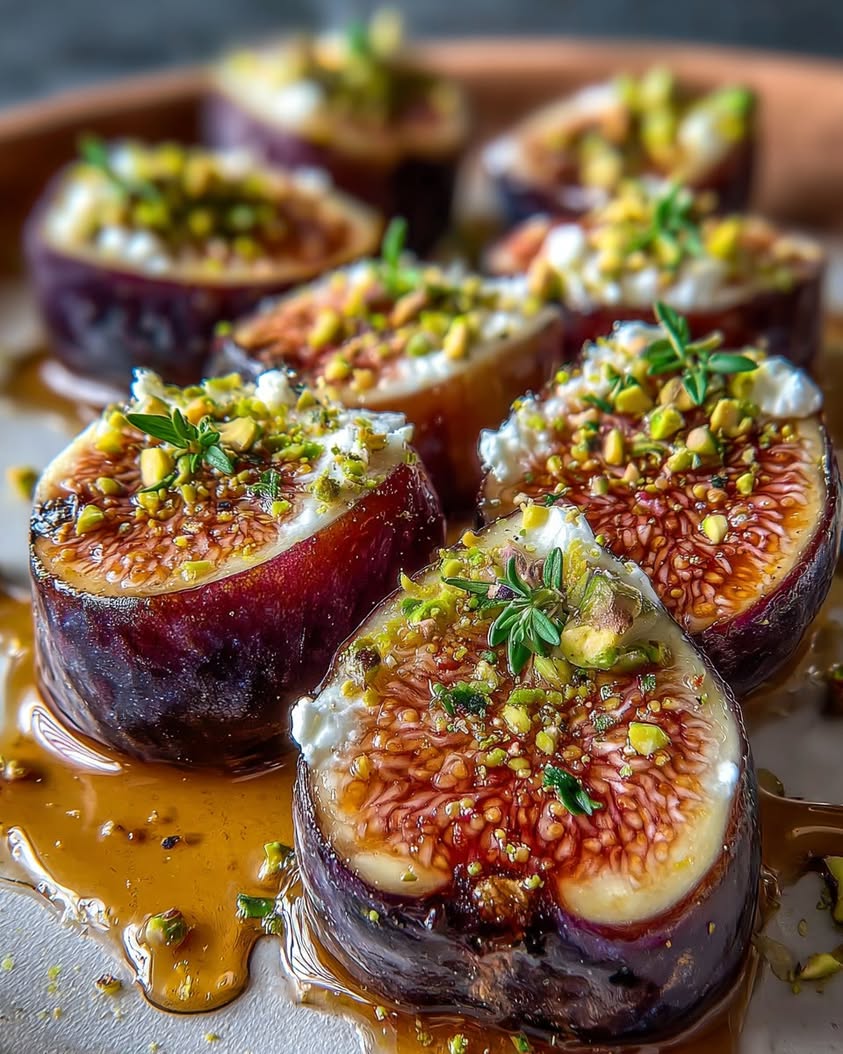
Maple-Roasted Figs with Goat Cheese & Pistachios: An Elegant Appetizer in Minutes
Imagine a dish that perfectly balances sweet, savory, creamy, and crunchy elements in a single, stunning bite. That is the magic of Maple-Roasted Figs with Goat Cheese and Pistachios. This recipe transforms simple, seasonal fruit into a sophisticated appetizer or dessert that will impress any guest. Moreover, it requires minimal effort and just a handful of quality ingredients. The process of roasting figs with maple syrup caramelizes their natural sugars, creating a jammy, luxurious texture that pairs beautifully with tangy goat cheese.
Consequently, this dish feels special enough for a holiday party yet simple enough for a weeknight treat. The aroma of warm figs and maple syrup filling your kitchen is simply irresistible. Additionally, the visual appeal of these glistening, roasted figs topped with creamy cheese and green pistachios is undeniable. Ultimately, this recipe proves that elegant food does not need to be complicated. Let’s explore how to create this delightful dish that celebrates the beautiful flavor of fresh figs.
Quick Recipe Highlights
- Flavor Profile: This dish masterfully combines the deep, caramelized sweetness of maple-roasted figs with the bright, tangy punch of creamy goat cheese. Furthermore, a sprinkle of sea salt and a drizzle of balsamic glaze elevate the flavors, creating a complex and satisfying taste experience in every bite.
- Texture: You will enjoy a wonderful contrast of textures. The roasted figs become tender and almost jammy, while the goat cheese offers a cool, creamy richness. Finally, the chopped pistachios provide a essential crunchy element that completes the mouthfeel.
- Aroma: As the figs roast, your kitchen will fill with the warm, comforting scent of maple syrup and caramelizing fruit. This aromatic promise is a prelude to the delicious flavors to come, making the cooking process a sensory joy.
- Visual Appeal: The presentation is stunning. The halved figs look like little jewels, their deep purple skins glistening with maple glaze. The white goat cheese and green pistachio crumbs create a beautiful color contrast that is perfect for photographing and sharing.
- Skill Level Needed: This is a beginner-friendly recipe. Importantly, no advanced techniques are required. If you can slice fruit, stir ingredients, and use an oven, you can successfully make this impressive appetizer.
- Special Equipment: You only need a basic baking sheet and some parchment paper. A small bowl for mixing the maple syrup and oil, and a knife for halving the figs are the only other tools required, making this recipe highly accessible.
Recipe Overview
- Difficulty Level: We rate this recipe as “Easy” because it involves straightforward steps like washing, halving, and roasting. There is no intricate knife work or complex cooking methods. Essentially, the oven does most of the work, and assembly is intuitive, making it perfect for novice cooks or experienced chefs needing a quick, elegant option.
- Category: This versatile dish fits multiple categories beautifully. It works wonderfully as a passed appetizer, a starter on a salad, or a light dessert. Additionally, it can be part of a cheese board or a brunch spread, demonstrating its flexible nature.
- Cuisine: While not tied to one specific tradition, this recipe draws inspiration from modern American and Mediterranean culinary styles. It uses classic pairings like fruit and cheese, which are celebrated in many food cultures, resulting in a globally appealing flavor combination.
- Cost: The cost is moderate and depends largely on the price of fresh figs, which can be seasonal. However, since only a few other ingredients are needed, the overall expense is reasonable for such an impressive result. Goat cheese, maple syrup, and pistachios are pantry items that can be used in many other recipes.
- Season: Fresh figs have two brief seasons: late summer and early fall. This is the ideal time to make this recipe. Thankfully, you can use high-quality dried figs rehydrated in warm water or even fig jam as a creative off-season adaptation.
- Occasion: This dish is perfect for entertaining. It is elegant for dinner parties, holiday gatherings, or romantic dates at home. Conversely, it is also simple enough to enjoy as a special treat for yourself on a quiet evening, proving its versatility for any occasion.
Why You’ll Love This Recipe
First, the taste and texture are utterly divine. The warm, jammy figs offer a natural sweetness that is deepened by the maple syrup. Then, the cool, tangy goat cheese cuts through that richness perfectly. The salty pistachios add a necessary crunch, creating a harmonious balance in every single bite. This combination is sophisticated yet deeply satisfying, appealing to a wide range of palates. You will find yourself making this recipe repeatedly once you experience its delightful flavor profile.
Next, consider the sheer convenience. From start to finish, this dish takes about 25 minutes, with most of that being hands-off oven time. You can prepare other parts of your meal while the figs roast. The ingredient list is short and simple, requiring no hard-to-find items. This makes Maple-Roasted Figs with Goat Cheese an ideal last-minute appetizer when guests surprise you. Its simplicity is its greatest strength, allowing the quality of the ingredients to shine without complicated preparation.
Furthermore, this recipe offers notable nutritional advantages. Figs are a good source of dietary fiber, which aids digestion, and contain essential minerals like potassium and magnesium. Goat cheese is often easier to digest than cow’s milk cheese for some people and provides protein and calcium. Pistachios contribute healthy fats, protein, and antioxidants. Together, they create a snack or starter that is indulgent but also offers genuine nutritional value, which is a rare and wonderful combination.
Additionally, the social and entertaining value is incredibly high. This dish looks like you spent hours in the kitchen, yet it comes together with minimal effort. It is a guaranteed conversation starter at any party. You can serve it on a beautiful platter with toothpicks for easy grazing, or plate it individually for a more formal presentation. Its elegant appearance and complex flavors will impress your friends and family, making you feel like a culinary rock star without the associated stress.
Finally, it is cost-effective and accessible. While fresh figs can be a premium item, you only need a small amount per serving. The other ingredients—maple syrup, goat cheese, pistachios—are pantry staples for many home cooks. You can often find them at standard grocery stores. This accessibility means you can create a restaurant-quality appetizer without a restaurant-sized budget. The recipe is also easily scalable, allowing you to make a small batch for two or a large platter for a crowd.
Historical Background and Cultural Significance
The story of figs is ancient and deeply woven into human history. Figs are one of the oldest cultivated fruits, with evidence of their domestication dating back over 11,000 years. They held significant symbolic meaning in ancient Greek, Roman, and Egyptian cultures, often associated with abundance, fertility, and peace. The combination of figs and cheese, however, is a timeless pairing found across the Mediterranean. For centuries, people have enjoyed the contrast of sweet fruit with salty, aged cheeses, a tradition that forms the foundation of this modern recipe.
Cultural importance of this pairing is evident in many regional cuisines. In Italy, fresh figs with prosciutto and cheese is a classic antipasto. In France, figs are served with fromage de chèvre (goat cheese) as a simple, elegant course. The addition of maple syrup is a distinctly North American twist, incorporating a native sweetener that adds depth and complexity. This fusion of Old World tradition and New World ingredients creates a dish that is both familiar and novel, celebrating a global love for simple, quality food.
The evolution of this specific recipe likely stems from the modern farm-to-table and gourmet appetizer movements. As home cooks and chefs sought ways to highlight seasonal produce, roasting emerged as a popular technique to intensify flavor. Roasting figs with a sweet glaze like maple syrup or honey became a standard method to enhance their natural sugars. Adding cheese and nuts followed logically, as these are classic accompaniments that provide balance. The recipe we see today is a refined product of this culinary evolution, prioritizing maximum flavor with minimal ingredients.
Regional variations of this concept are plentiful. In the Middle East, you might find figs roasted with date syrup and served with labneh and walnuts. In California, chefs might use local honey and almonds. The core concept remains constant: enhance the fruit, add a creamy element, and finish with crunch. This adaptability is a testament to the recipe’s solid foundation. You can travel the world through your taste buds by simply changing one or two ingredients, making Maple-Roasted Figs with Goat Cheese a versatile template for culinary exploration.
Ingredient Deep Dive
Fresh Figs: Figs have a rich history, revered since ancient times. They are not technically a fruit but an inverted flower, with the seeds providing a delightful crunch. Nutritionally, they are a good source of fiber, potassium, and calcium. When selecting figs, look for plump, soft fruit with unbroken skin; they should feel heavy for their size and have a slight give. Avoid figs that are overly mushy or have a sour smell. Store them in a single layer in the refrigerator for just a day or two, as they are highly perishable. For a substitution, try rehydrated dried figs or even ripe pears or plums.
Pure Maple Syrup: Maple syrup is a natural sweetener made from the sap of sugar maple trees, primarily in North America. It contains antioxidants and minerals like manganese and zinc. Always choose “pure maple syrup” over “pancake syrup,” which is often just corn syrup with flavoring. The darker grades (like Grade A Dark) have a more robust flavor perfect for roasting. Store it in the pantry before opening and in the refrigerator afterward to prevent mold. For a substitute, try honey, agave nectar, or a thick balsamic glaze, though each will impart a different flavor profile.
Fresh Goat Cheese (Chèvre): Goat cheese has been produced for thousands of years, particularly in Mediterranean regions. It is often easier to digest than cow’s milk cheese due to different protein structures. It provides protein, calcium, and healthy fats. Select a log of fresh, soft goat cheese for easy crumbling or spreading. For a creamier texture, let it sit at room temperature for 15 minutes before using. Store it tightly wrapped in the refrigerator. If you need a substitute, consider creamy feta, ricotta, blue cheese for a stronger flavor, or a dairy-free cream cheese for a vegan version.
Pistachios: Pistachios are one of the oldest flowering nut trees and were considered a royal snack in ancient Persia. They are packed with protein, fiber, and healthy fats, and are a good source of vitamin B6. Look for raw or roasted, unsalted pistachios for this recipe so you can control the seasoning. You can chop them roughly for texture. Store shelled pistachios in an airtight container in the refrigerator to prevent their oils from going rancid. Substitute with other nuts like walnuts, almonds, or pecans for a different but equally delicious crunch.
Common Mistakes to Avoid
- Using Overripe or Underripe Figs: Overripe figs will turn to mush in the oven, while underripe ones will be hard and lack sweetness. Aim for figs that are perfectly ripe—soft to a gentle squeeze but still holding their shape. This ensures they roast to a tender, jammy consistency without disintegrating.
- Skimping on the Maple Syrup Glaze: The maple syrup mixture is not just for sweetness; it creates the beautiful caramelized glaze. Be generous when brushing it on. Otherwise, the figs may dry out in the oven instead of becoming luxuriously glossy and sticky.
- Overcrowding the Baking Sheet: If the figs are placed too close together, they will steam instead of roast. Ensure they are in a single layer with a little space between each piece. This allows hot air to circulate, promoting proper caramelization and roasting.
- Over-roasting the Figs: Figs cook quickly. Roasting them for too long can cause them to burst completely and lose their shape. Watch them closely after the 10-minute mark. They are done when they are soft, glistening, and slightly caramelized at the edges.
- Adding the Goat Cheese Before Serving: If you place the cold goat cheese on the hot figs and then return them to the oven, the cheese will melt into a puddle. Always add the cheese after the figs have roasted and have cooled slightly. This preserves its distinct creamy texture.
- Using Pre-Ground or Salted Pistachios: Pre-chopped nuts can be stale and lack flavor. Similarly, salted pistachios can make the dish too salty. For the best result, buy whole, unsalted pistachios and chop them yourself just before serving to maximize their freshness and crunch.
- Skipping the Finishing Salt: A tiny pinch of flaky sea salt like Maldon is not an optional garnish. It is crucial. The salt heightens all the other flavors—the sweetness of the fig, the tang of the cheese, the richness of the nuts. Do not forget this final, essential step.
- Not Letting the Figs Cool Slightly: Serving the figs straight from the oven can cause the goat cheese to melt too quickly and burn mouths. Let them rest for 5 minutes. This allows the flavors to settle and ensures the perfect temperature for eating.
Essential Techniques
Halving Figs: Properly halving figs is key for presentation and even cooking. Use a sharp paring knife. First, rinse the figs gently and pat them dry. Then, slice straight through the stem end down to the bottom. The goal is to create two symmetrical halves that will sit flat on the baking sheet. A dull knife can crush the delicate fruit, so ensure your blade is sharp. The visual cue for success is two clean, intact halves ready for glazing.
Creating the Maple Glaze: Whisking the maple syrup with a touch of oil is a simple but important technique. The oil helps the syrup coat the figs evenly and promotes browning. Whisk vigorously until the mixture is fully emulsified—meaning the oil and syrup are combined and not separate. This ensures every fig gets a consistent layer of sweetness. The pitfall is simply pouring syrup on, which can lead to uneven coverage and pooling on the baking sheet.
Roasting for Caramelization: Roasting at a high heat (400°F) is deliberate. This temperature is hot enough to quickly caramelize the sugars in the maple syrup and figs without overcooking the interior. The technique involves brushing the figs thoroughly and roasting them cut-side up. The visual cue for success is seeing the maple syrup bubble around the edges of the figs and turn a shade darker, creating a sticky, fragrant glaze.
Assembling with Contrast: The final assembly technique is about balancing temperatures and textures. After roasting, let the figs cool just enough so they are warm, not scalding. Then, crumble or dollop the cool goat cheese on top. Immediately after, sprinkle with room-temperature chopped pistachios. This sequence ensures the cheese retains its shape and the nuts stay crunchy, providing the perfect textural contrast to the warm, soft fruit.
Pro Tips for Perfect Maple-Roasted Figs with Goat Cheese
First, for easier handling, lightly coat your hands with oil when crumbling the goat cheese. This prevents the cheese from sticking to your fingers and allows you to create beautiful, rustic crumbles.
Second, warm your maple syrup slightly before mixing it with the oil. Simply microwave it for 10 seconds; this makes it easier to whisk and emulsify, leading to a smoother glaze.
Third, add a whisper of flavor to the maple glaze. Consider whisking in a tiny pinch of cinnamon, a crack of black pepper, or a drop of vanilla extract to add an extra layer of complexity to the dish.
Fourth, if your pistachios are not already roasted, toast them in a dry skillet for a few minutes before chopping. This simple step dramatically enhances their nutty flavor and crunch.
Fifth, use a pastry brush to apply the maple glaze. This gives you much more control than spooning it on, ensuring an even, generous coating on every fig half without making a mess.
Sixth, line your baking sheet with parchment paper. This is non-negotiable. The maple syrup will caramelize and stick fiercely to an unlined pan, making cleanup a nightmare.
Seventh, for a beautiful presentation, drizzle the finished platter with a high-quality balsamic glaze or reduction. The dark, tangy streaks add visual drama and a wonderful flavor accent.
Eighth, serve these on a neutral-colored platter. A white or slate gray plate makes the vibrant colors of the figs, cheese, and pistachios truly pop, enhancing their visual appeal.
Variations and Adaptations
Regional Variations: Travel your palate by changing a few ingredients. For a French twist, use honey instead of maple and top with toasted walnuts. For an Italian version, add a thin slice of prosciutto under the cheese and use a balsamic reduction. A Middle Eastern adaptation could feature a drizzle of pomegranate molasses and a sprinkle of za’atar over the cheese.
Seasonal Adaptations: When fresh figs are out of season, don’t despair. You can use ripe pears or peaches, adjusting the roasting time slightly. In winter, try using halved, rehydrated dried figs—soak them in warm tea or port wine first for extra flavor. This ensures you can enjoy this flavor profile year-round.
Dietary Modifications: For a vegan version, use a high-quality vegan cream cheese or a cashew-based “cheese” and agave syrup. For a nut-free option, substitute pistachios with toasted pumpkin seeds (pepitas) or sunflower seeds. To make it gluten-free, simply ensure all packaged ingredients are certified GF, which they naturally should be.
Flavor Variations: Infuse the maple syrup with fresh herbs like rosemary or thyme before brushing it on the figs. Add a spicy kick by sprinkling the figs with a tiny bit of chili flakes before roasting. For a more decadent dessert, add a dark chocolate drizzle over the finished dish alongside the pistachios.
Texture Modifications: If you prefer a smoother component, whip the goat cheese with a little cream or yogurt until fluffy before dolloping it on. For extra crunch, mix the chopped pistachios with panko breadcrumbs and a little olive oil, toast them, and use as a topping.
Presentation Alternatives: Instead of a large platter, serve individual portions on small salad plates over a bed of arugula. Alternatively, skip the fork and knife altogether by serving the roasted fig halves on crostini or endive leaves as a perfect one-bite passed appetizer.
Serving and Presentation Guide
Plating Techniques: For a family-style presentation, arrange the warm Maple-Roasted Figs with Goat Cheese on a large, flat platter. Overlap them slightly in a circular pattern or line them up in rows. Place small bowls of extra pistachios and a drizzle of balsamic glaze on the side for guests to customize. This approach feels abundant and welcoming.
Garnishing Ideas: Beyond pistachios, consider microgreens, fresh thyme or mint leaves, edible flowers, or a light dusting of powdered sugar for a dessert presentation. A final zigzag of balsamic glaze across the platter not only tastes great but adds professional-looking visual lines to your dish.
Traditional Accompaniments: In many cultures, roasted figs are served with cured meats. Consider arranging slices of prosciutto, serrano ham, or salumi around the platter. Crusty bread or plain crackers are also essential for scooping up any runaway cheese and fig jam. A simple green salad with a lemon vinaigrette makes a perfect light meal alongside.
Modern Serving Suggestions: For a contemporary twist, serve these as a topping for crostini, bruschetta, or even a warm grain bowl with farro or quinoa. You can also chop the roasted figs after cooking and mix them with the goat cheese to create a stunning spread for a cheese board.
Temperature Considerations: These are best served warm, not hot. The ideal window is within 10-15 minutes of coming out of the oven. The figs should be warm enough to slightly soften the cheese but not melt it completely. If they cool too much, you can briefly warm the platter in the oven for a minute before adding the cold cheese and nuts.
Portion Control Tips: As an appetizer, plan for 3-4 fig halves per person. As part of a cheese board or with other substantial items, 2 halves per person is sufficient. If serving as a dessert with ice cream, 2-3 halves per plate is a perfect, elegant portion size.
Wine and Beverage Pairing
Wine Pairings: The sweet and savory profile of Maple-Roasted Figs with Goat Cheese pairs beautifully with several wines. A slightly sweet Riesling or Gewürztraminer complements the fruitiness and cuts through the cheese’s tang. For red wine lovers, a light Pinot Noir with its berry notes works well. Alternatively, a sparkling wine like Prosecco or Cava provides a refreshing contrast with its bubbles and acidity, cleansing the palate between bites.
Non-Alcoholic Alternatives: Sparkling apple cider or a ginger beer offer a festive, sweet-and-spicy counterpart. A chilled glass of grape or pomegranate juice can mirror the fruitiness of the figs. For a more sophisticated option, try a shrub (drinking vinegar) soda; the tartness pairs wonderfully with the rich, sweet figs and creamy cheese.
Coffee/Tea Pairings: If serving for dessert or brunch, consider beverage pairings. A medium-roast coffee with low acidity won’t clash with the dish’s flavors. For tea, a fragrant Earl Grey or a fruity herbal tea like hibiscus or berry blend can be delightful. The key is to avoid overly bitter or strong beverages that might overwhelm the subtlety of the figs.
Temperature Considerations: Always serve white and sparkling wines well-chilled. Red wines should be served slightly cooler than room temperature for this pairing—about 60°F (15°C). Non-alcoholic sparkling drinks should be ice-cold to provide a refreshing contrast to the warm figs.
Serving Suggestions: Offer a variety of pairing options if you’re hosting. Place bottles of chilled Riesling and sparkling water on the table alongside the platter. Provide small wine glasses and tumblers so guests can choose their preferred accompaniment, making the experience interactive and personalized.
Storage and Shelf Life
Storage Methods: It is best to enjoy Maple-Roasted Figs with Goat Cheese immediately after assembly. However, you can store components separately. Roasted figs (without toppings) can be cooled completely and stored in an airtight container in the refrigerator for up to 2 days. Store goat cheese and chopped pistachios in their own separate containers.
Temperature Requirements: All components must be refrigerated if not consumed right away. The ideal refrigerator temperature is below 40°F (4°C). Do not leave the assembled dish at room temperature for more than two hours, as the dairy and moist fruit create an environment where bacteria can grow.
Container Recommendations: Use shallow, airtight containers for the roasted figs to prevent them from getting soggy. Place a piece of parchment paper between layers if stacking is necessary. For the goat cheese, keep it in its original wrapper or rewrap tightly in fresh plastic wrap.
Signs of Spoilage: Discard the figs if they develop an off (sour or alcoholic) smell, become excessively slimy, or show visible mold. Goat cheese that develops blue or green mold, becomes overly dry and crumbly, or smells strongly ammonia-like should be thrown away.
Reheating Instructions: To refresh leftover roasted figs, place them on a parchment-lined baking sheet and warm in a 300°F (150°C) oven for 5-8 minutes until heated through. Do not microwave, as this will make them rubbery. Always add the cold goat cheese and nuts after reheating.
Freezing Guidelines: Freezing is not recommended for the assembled dish or the roasted figs. The high water content in figs causes them to become mushy and lose their texture upon thawing. It is best to enjoy this recipe fresh or store components in the fridge for short-term use.
Make Ahead Strategies
Prep Timeline: You can do nearly all the prep 1-2 hours before serving. Wash and halve the figs, storing them cut-side down on a paper towel-lined tray in the fridge. Mix the maple glaze and store it at room temperature. Chop the pistachios and keep them in a bowl. Crumble the goat cheese and refrigerate it. This leaves only roasting and assembly for the last moment.
Storage Between Steps: Keep prepped components in distinct containers. The halved figs should be kept dry and cold. The maple glaze can sit at room temperature. The cheese and nuts must stay refrigerated until the final minute. This compartmentalization prevents any component from degrading or absorbing unwanted moisture.
Quality Impact Assessment: Prepping the figs more than a few hours ahead can cause them to dry out slightly or oxidize (brown) at the cut edges. A slight browning is harmless but affects visual appeal. The flavor of pre-chopped nuts can diminish over time. Therefore, for optimal quality, keep the pre-assembly window to under 3 hours.
Assembly Tips: When ready to serve, roast the prepped figs as directed. While they are roasting, take the cheese and nuts out of the fridge to take the chill off. Assemble the moment the figs come out of the oven and have cooled for 5 minutes. This workflow ensures every element is at its peak.
Reheating Guidelines: If you must roast the figs completely ahead, let them cool, then refrigerate. Reheat gently on a baking sheet at 300°F as described earlier. They will soften further but will still be tasty. The key is to add the fresh, cold toppings after rewarming to restore textural contrast.
Fresh Element Additions: No matter how much you prep ahead, always add the cheese, nuts, and final garnishes like fresh herbs or salt at the absolute last second. These elements provide freshness, crunch, and vibrancy that cannot be replicated if added early and stored.
Scaling Instructions
Halving the Recipe: Halving is straightforward for an intimate dinner for two. Use 6 fig halves, 1 tablespoon of maple syrup, and proportionally less oil. Use a smaller baking sheet or quarter sheet pan to keep the figs in a single layer without too much empty space, which can affect oven heat circulation. Cooking time may be reduced by 1-2 minutes, so watch closely.
Doubling or Tripling: For a large party, you can easily double or triple the ingredients. The critical adjustment is to use multiple baking sheets and rotate them in the oven halfway through cooking. Do not overcrowd a single sheet. You may need to roast in batches to ensure proper caramelization. Increase the total oven time slightly if baking multiple full sheets at once.
Equipment Adjustments: When scaling up, ensure you have enough baking sheets and oven space. If your oven has hot spots, rotating sheets from top to bottom and front to back is essential for even cooking. Consider using convection bake mode if your oven has it, as it circulates air better for multiple racks.
Timing Modifications: When baking multiple trays, add 2-4 minutes to the total roasting time. However, rely on visual cues—caramelization and softening—more than the clock. Start checking at the original 12-minute mark. Assembly time will also increase, so have a helper to add toppings quickly while the figs are still warm.
Storage Considerations: Scaling up often means having leftovers. Remember, the assembled dish does not store well. It is better to roast figs in large batches but assemble smaller platters as needed throughout your event. Keep the bulk of roasted figs warm in a low oven (200°F) on a sheet pan, and assemble fresh platters every 30 minutes.
Nutritional Deep Dive
Macro Breakdown: A serving of Maple-Roasted Figs with Goat Cheese (approx. 3 fig halves with toppings) provides a balance of macronutrients. The figs and maple syrup contribute natural carbohydrates and sugars for energy. The goat cheese offers protein and fat, which promote satiety. The pistachios add more healthy fats and a small amount of additional protein. This combination prevents a blood sugar spike by pairing carbs with fat and protein.
Micronutrient Analysis: This dish is a source of several important micronutrients. Figs provide potassium, which supports heart health, and calcium. Goat cheese is rich in calcium, phosphorus, and vitamin B2. Pistachios contribute B vitamins, vitamin E (an antioxidant), and minerals like copper and manganese. Together, they offer a diverse array of vitamins and minerals in a small, flavorful package.
Health Benefits: The fiber from the figs and pistachios supports digestive health. The monounsaturated and polyunsaturated fats from the nuts and cheese are heart-healthy. Antioxidants present in figs (polyphenols) and pistachios help combat oxidative stress in the body. This makes the dish more than just a tasty treat; it’s a contributor to a balanced diet.
Dietary Considerations: This recipe is naturally gluten-free. It contains dairy (goat cheese) and tree nuts (pistachios), which are common allergens. For those monitoring sugar intake, note the natural sugars from the figs and added sugar from the maple syrup. However, the portion size keeps the total sugar content reasonable for a special appetizer or dessert.
Portion Analysis: The recommended serving of 3-4 halves is designed to be satisfying without being overly heavy. It provides enough flavor and texture to feel like a treat while leaving room for the rest of your meal. Sticking to this portion helps manage calorie and sugar intake while still allowing you to enjoy this decadent-tasting dish.
Weight Management Tips: To make this dish more weight-conscious, you can lightly brush the figs with maple syrup instead of a heavy coating, reducing added sugar. You can also use a reduced-fat goat cheese, though full-fat will provide more satiety. The key is portion control—enjoying it as a flavorful starter rather than a main component.
Dietary Adaptations
Gluten-free: This recipe is naturally gluten-free as written. Simply ensure that your maple syrup is pure and not blended with any additives that might contain gluten. All other ingredients—fresh produce, cheese, nuts—are inherently gluten-free, making this a safe and delicious option for those with celiac disease or gluten sensitivity.
Dairy-free: For a dairy-free version, substitute the goat cheese with a high-quality vegan cream cheese or a thick, plain dairy-free yogurt. Cashew-based “cheeses” work particularly well because of their tangy flavor and creamy texture. Follow the same assembly method, adding the vegan cheese after the figs have roasted.
Vegan: To make vegan Maple-Roasted Figs, use the dairy-free cheese substitute mentioned above and ensure your maple syrup is vegan (it almost always is). Agave nectar can be used in place of maple syrup if preferred. The dish will still have the wonderful contrast of sweet, warm fruit and cool, creamy topping.
Low-carb/Keto: This recipe is challenging for strict keto due to the natural sugars in figs. For a low-carb adaptation, replace figs with low-sugar fruits like blackberries or raspberries, roasting them very briefly. Use a sugar-free maple-flavored syrup and increase the amount of cheese and nuts to meet fat and protein macros.
Paleo: The main non-paleo ingredient is the goat cheese (dairy). Omit the cheese or replace it with a dollop of coconut cream. Ensure your maple syrup is 100% pure and your pistachios are raw or dry-roasted without unhealthy oils. This adaptation keeps the spirit of the dish while aligning with paleo guidelines.
Low-FODMAP: Figs are high in FODMAPs (specifically fructans), so they are not suitable for the elimination phase. For a low-FODMAP version, use a safe fruit like strawberries or oranges, adjusting roasting time accordingly. Use lactose-free cream cheese instead of goat cheese, and ensure maple syrup is used in a Monash-approved serving size (about 1 tablespoon).
Troubleshooting Guide
Texture Issues (Figs are too mushy): This usually means the figs were overripe before roasting or stayed in the oven too long. Next time, select firmer figs and reduce roasting time by 2-3 minutes. For salvage, you can mash the overcooked figs with the goat cheese to create a flavorful spread for toast or crackers.
Flavor Balance (Dish is too sweet): If your figs were very ripe, the natural sugars plus maple syrup can be overwhelming. Counteract this by adding a bigger pinch of flaky sea salt at{“success”:true,”message”:”Recipe created successfully”,”post_id”:8946,”tasty_recipe_id”:8946,”shortcode”:” Print
Maple-Roasted Figs with Goat Cheese & Pistachios
Description
A simple, elegant dessert or appetizer featuring fresh figs roasted in maple syrup until caramelized, topped with creamy goat cheese and crunchy pistachios.
Ingredients
For the Crust:
- 8 fresh figs, halved lengthwise
- 2 tablespoons pure maple syrup
- 1 tablespoon olive oil
- 1/4 teaspoon sea salt
- 1/4 cup crumbled goat cheese
- 2 tablespoons chopped pistachios
- Fresh thyme leaves for garnish (optional)
Instructions
1. Prepare the Crust:
- Preheat oven to 375°F (190°C). Line a baking sheet with parchment paper.
- Arrange fig halves cut-side up on the baking sheet. Drizzle with maple syrup and olive oil, then sprinkle with salt.
- Roast for 15-20 minutes, until figs are soft and slightly caramelized.
- Remove from oven and let cool slightly. Top each fig with goat cheese and pistachios.
- Garnish with fresh thyme if desired. Serve warm as an appetizer or dessert.
Notes
You can customize the seasonings to taste.

I’m Billy, a classically trained culinary school graduate from The Culinary Institute of America with over 12 years in the restaurant industry and over 19 years of cooking experience.