
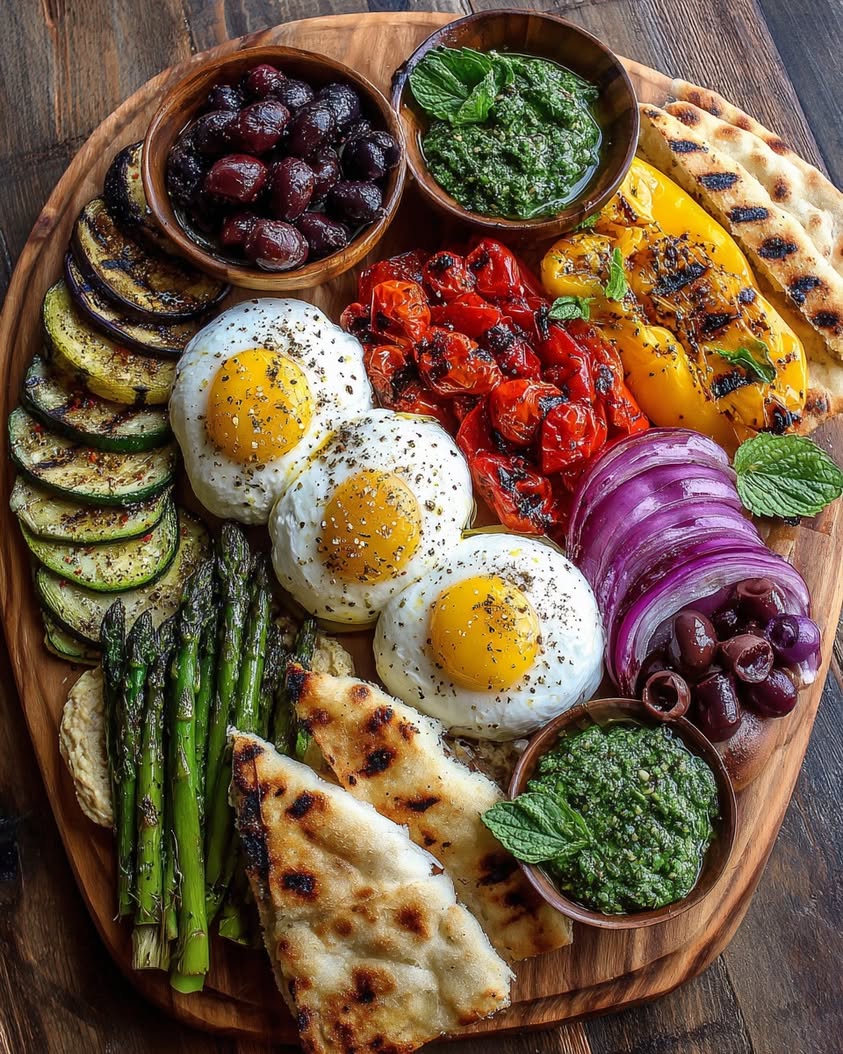
Mediterranean Burrata and Roasted Veggie Board: The Ultimate Shareable Feast
Imagine pulling a stunning platter from the oven, one brimming with jewel-toned, caramelized vegetables and a cloud of creamy, dreamy cheese. This Mediterranean Burrata and Roasted Veggie Board is that dish. It transforms simple, seasonal produce into a vibrant centerpiece that’s as delicious as it is beautiful. Consequently, it’s the perfect answer for effortless entertaining, a light yet satisfying dinner, or a spectacular appetizer that will have everyone reaching for more.
The magic of this recipe lies in its beautiful simplicity and incredible depth of flavor. Roasting concentrates the natural sugars in vegetables like zucchini, bell peppers, and cherry tomatoes, creating a sweet, smoky foundation. Then, you crown this colorful array with a luxurious ball of burrata cheese. When you slice into that delicate mozzarella shell, the rich, creamy stracciatella center spills out, creating an irresistible sauce for the warm veggies. Ultimately, this dish is a celebration of texture and taste, all arranged on a single, shareable board.
Furthermore, this Mediterranean Burrata Roasted Veggie Board is incredibly versatile. You can customize it with whatever vegetables are in season or lingering in your fridge. Serve it with crusty bread for dipping, a drizzle of high-quality olive oil, and a sprinkle of fresh herbs. It’s a recipe that feels special enough for a dinner party but simple enough for a cozy weeknight. Let’s dive into how to create this stunning and delicious masterpiece.
Quick Recipe Highlights
- Flavor Profile: This board delivers a symphony of Mediterranean flavors. You get the sweet, concentrated taste of roasted vegetables balanced by the mild, milky freshness of burrata. Additionally, briny olives, aromatic herbs, and a tangy balsamic glaze add bright, complex notes that tie everything together perfectly.
- Texture: The contrast in textures is absolutely key. Expect tender, slightly charred vegetables against the supremely creamy, soft interior of the burrata. Crusty bread provides a satisfying crunch, while the juicy burst of cherry tomatoes adds a delightful pop, creating a truly engaging eating experience.
- Aroma: As the vegetables roast, your kitchen will fill with the irresistible, earthy scent of caramelizing onions and peppers, mingled with the fragrance of garlic and rosemary. When you add the fresh burrata and herbs at the end, the aroma becomes fresh, creamy, and herbaceous, signaling a meal made with love.
- Visual Appeal: This dish is a feast for the eyes before it even reaches the table. The vibrant reds, yellows, and greens of the roasted vegetables create a stunning backdrop for the pure white, glossy burrata ball. Scattered fresh herbs and dark olives add the final touches to a picture-perfect, rustic-chic presentation.
- Skill Level Needed: This is a beginner-friendly recipe that requires minimal advanced technique. The primary skills are simple vegetable chopping and understanding your oven’s roasting temperament. There’s no fussy sauce-making or complex cooking methods, making it an excellent choice for novice cooks and seasoned chefs alike.
- Special Equipment: You need only a few basic kitchen tools. A large, sturdy baking sheet is essential for roasting the vegetables without crowding. A good chef’s knife and cutting board make prep work easy. Finally, a beautiful wooden board or large platter is needed for the artful, inviting final assembly.
Recipe Overview
- Difficulty Level: We rate this Mediterranean Burrata Roasted Veggie Board as “Easy” for several compelling reasons. The steps are straightforward: chop, toss, roast, and assemble. There’s no precise baking science or delicate tempering required. Moreover, the recipe is very forgiving; vegetable sizes can vary, and roasting times are flexible based on your preferred level of caramelization. It’s hard to mess up, which builds kitchen confidence.
- Category: This versatile dish straddles multiple meal categories beautifully. It shines as a spectacular appetizer or party snack for a crowd. Served with more bread or a side grain like couscous, it becomes a satisfying vegetarian main course. It also works wonderfully as a luxurious side dish alongside grilled chicken or fish, making it a truly adaptable addition to your recipe repertoire.
- Cuisine: This recipe is firmly rooted in the sun-drenched, health-focused traditions of Mediterranean cuisine. It emphasizes fresh, seasonal produce, high-quality olive oil, and simple preparations that highlight natural flavors. The use of burrata, a cheese from Southern Italy, along with classic ingredients like olives and tomatoes, directly channels the rustic, family-style eating celebrated across Italy and the broader Mediterranean region.
- Cost: Creating this impressive board is surprisingly cost-effective, especially if you choose vegetables that are in season. A single ball of burrata is a splurge item but serves multiple people, balancing the cost. Staples like onions, garlic, and pantry spices form the flavor base without breaking the bank. Ultimately, you get restaurant-quality presentation and taste for a fraction of the price.
- Season: This recipe is truly a year-round winner, but it particularly excels in late summer and early fall. This is when vegetables like zucchini, bell peppers, and tomatoes are at their peak of flavor and lowest in price. However, you can easily adapt it for winter with hardier veggies like squash, sweet potatoes, and Brussels sprouts, making the Mediterranean Burrata Roasted Veggie Board a perennial favorite.
- Occasion: It’s the ultimate social food, perfect for any gathering where sharing is encouraged. Think casual weekend get-togethers, holiday appetizer spreads, date nights at home, or even a visually stunning contribution to a potluck. Its assemble-ahead nature also makes it ideal for hosts who want to spend less time in the kitchen and more time with their guests.
Why You’ll Love This Recipe
First and foremost, the taste and texture appeal of this Mediterranean Burrata Roasted Veggie Board is utterly irresistible. Each component brings something unique to the table. The roasted vegetables offer a deep, caramelized sweetness that is incredibly satisfying. Then, the burrata provides a luxurious, cool creaminess that melts in your mouth. When you combine a piece of warm, smoky veggie with a bit of cheese and a swipe of crusty bread, you create a perfect bite. This harmonious contrast is what keeps everyone coming back for more, ensuring the board is always the first thing to disappear at any party.
From a convenience standpoint, this recipe is a true winner. The active prep time is minimal—mostly just chopping vegetables. Once they’re in the oven, you have twenty-five minutes to set the table, pour drinks, or simply relax. The assembly is intuitive and artistic; there’s no right or wrong way to arrange your board. This makes the Mediterranean Burrata Roasted Veggie Board a stress-free option for entertaining. You avoid the last-minute panic of cooking multiple courses, presenting a complete, gorgeous dish straight from the oven to your dining table with effortless style.
Nutritionally, this board is a powerhouse of vitamins, minerals, and healthy fats. The variety of colorful vegetables provides a broad spectrum of antioxidants and fiber, which are essential for gut health and overall wellness. Olive oil, a cornerstone of the Mediterranean diet, contributes heart-healthy monounsaturated fats. Meanwhile, the burrata offers a good source of protein and calcium. Therefore, you can indulge in this decadent-tasting dish knowing you’re fueling your body with wholesome, nutritious ingredients that align with a balanced lifestyle.
The social and entertaining value of this dish cannot be overstated. A Mediterranean Burrata Roasted Veggie Board is inherently interactive and communal. It invites conversation and sharing as guests build their own perfect bites. It serves as a beautiful centerpiece that sparks compliments and sets a relaxed, convivial tone for the meal. Unlike a plated appetizer, it encourages lingering and grazing, which is perfect for casual gatherings. It tells your guests that the evening is about connection and enjoyment, not just eating.
Finally, this recipe is remarkably cost-effective and accessible. You do not need expensive or exotic ingredients to create something spectacular. The foundation is simple vegetables, which are affordable, especially in season. The star, burrata, is a small splurge that goes a long way in terms of impact and serving size. All other components, like olives, herbs, and bread, are common pantry or deli items. Consequently, you can create an impressive, restaurant-quality feast on a reasonable budget, making elegant entertaining accessible to everyone.
Historical Background and Cultural Significance
The concept of a shared board or platter has deep roots in Mediterranean culinary history. For centuries, meals across Italy, Greece, and the Middle East have centered around communal dining, where dishes are placed in the center of the table for everyone to share. This style of eating fosters family bonding and hospitality. The Mediterranean Burrata and Roasted Veggie Board is a modern, elegant evolution of this tradition. It takes the rustic idea of antipasti or mezze—a collection of small dishes—and presents it in a cohesive, visually stunning format. The focus remains on fresh, local ingredients prepared simply to highlight their natural qualities, a principle that has defined Mediterranean cooking for generations.
Burrata cheese itself has a fascinating and relatively recent origin story. It was created in the early 20th century in the Apulia region of Southern Italy, a area renowned for its dairy production. Cheesemakers, seeking a way to use up the scraps (stracciatella) from making mozzarella, had a brilliant idea. They enveloped these creamy shreds in a fresh mozzarella shell, creating “burrata,” which literally means “buttered” in Italian. This invention was a testament to the region’s resourcefulness and dedication to minimizing waste while maximizing flavor. Originally a humble farmer’s cheese, burrata has since become a globally celebrated delicacy, symbolizing the rich dairy heritage of Italy.
The evolution of the roasted vegetable component is tied to both peasant cooking and modern culinary trends. Roasting over an open fire or in a simple oven was a fundamental, fuel-efficient way to cook vegetables, making them tender and more flavorful. Today, the high-heat roasting technique is celebrated for unlocking deep, caramelized flavors that boiling or steaming cannot achieve. Combining these timeless roasted vegetables with a luxurious cheese like burrata represents a beautiful marriage of rustic tradition and gourmet innovation. It’s a dish that respects its roots while appealing to contemporary tastes for shareable, visually-driven, and ingredient-focused meals.
Regional variations of this concept are endless, reflecting the diverse pantry of the Mediterranean basin. In Greece, you might find a similar board with roasted peppers, feta cheese, and Kalamata olives. A Provençal version could feature ratatouille vegetables with a local goat cheese. In the Middle East, the board might include roasted eggplant and zucchini with labneh and za’atar. The specific Mediterranean Burrata Roasted Veggie Board featured here leans into Italian influences but remains adaptable. This flexibility is its strength, allowing cooks to celebrate their own local produce and culinary preferences while staying true to the communal, flavorful spirit of Mediterranean dining.
Ingredient Deep Dive
Burrata Cheese: Burrata is the undisputed star of this board. As mentioned, it hails from Apulia, Italy, and is a fresh cheese made from cow or buffalo milk. Its magic lies in the contrast between the solid, elastic outer shell of mozzarella and the incredibly soft, creamy interior of stracciatella (curds soaked in cream). Nutritionally, it provides protein, calcium, and fats. For the best selection, look for burrata packed in water or whey, and always check for a fresh production date. It is highly perishable and should be stored in its liquid in the refrigerator and consumed within a day or two of purchase for peak quality. If you cannot find burrata, fresh mozzarella (bocconcini) or a high-quality ricotta can be a substitute, though the textural experience will differ.
Bell Peppers & Zucchini: These vegetables are summer staples in Mediterranean cooking. Bell peppers, originally from the Americas, were adopted into European cuisine centuries ago and are now integral for their sweetness and color. Zucchini, a type of summer squash, is prized for its mild flavor and tender texture. Both are low in calories and high in vitamins A and C, as well as antioxidants. Choose peppers that are firm with taut skin and zucchini that are small to medium-sized with glossy, unblemished skin. Store them in the crisper drawer of your refrigerator. Roasting transforms them, concentrating their flavors and adding a desirable smoky note that forms the base of the board’s flavor profile.
Cherry Tomatoes: These little bursts of sunshine are essential for their juicy acidity and vibrant color. Tomatoes are native to the Americas but became a cornerstone of Italian and Mediterranean cuisine after their introduction in the 16th century. They are an excellent source of lycopene, a powerful antioxidant, especially when cooked. Select cherry tomatoes that are plump, deeply colored, and free of wrinkles. They should be stored at room temperature until ripe to preserve their flavor. In this recipe, roasting them intensifies their sweetness and causes them to partially burst, creating delicious, jammy pockets that act as a natural sauce on the board.
Red Onion & Garlic: These alliums form the aromatic foundation of countless Mediterranean dishes. Red onions add a sharp, slightly sweet flavor and a beautiful purple hue that fades to a mild pink when roasted. Garlic provides its unmistakable pungent, savory depth that mellows and sweetens beautifully in the oven’s heat. Both contain beneficial sulfur compounds and have been used for both culinary and medicinal purposes for millennia. Choose firm, heavy onions with dry, papery skins and garlic heads that are plump with no green sprouts. Store in a cool, dark, dry place. Their transformation through roasting is key, adding a deep, caramelized sweetness that balances the dish’s brighter flavors.
Common Mistakes to Avoid
- Crowding the Baking Sheet: This is the most common error. If you pile all the vegetables onto one pan, they will steam instead of roast. Steamed vegetables become soggy and will not develop the necessary caramelized, crispy edges. Always use a large enough sheet and spread the veggies in a single layer, potentially using two sheets if needed.
- Using Cold Burrata Straight from the Fridge: Serving burrata ice-cold mutes its creamy texture and delicate flavor. For the best experience, take the burrata out of the refrigerator about 20-30 minutes before serving. This allows it to come closer to room temperature, so it becomes luxuriously soft and its flavors fully bloom when it meets the warm vegetables.
- Neglecting to Season the Vegetables Adequately: Vegetables need generous seasoning before roasting. A light sprinkle of salt is not enough. Be liberal with kosher salt and freshly ground black pepper. The seasoning not only enhances flavor but also helps draw out moisture, promoting better browning and caramelization during the roasting process.
- Cutting Vegetables Inconsistently: Chopping your vegetables into wildly different sizes guarantees uneven cooking. Smaller pieces will burn before larger ones are tender. Aim for uniform, bite-sized chunks. This ensures everything roasts evenly and is ready at the same time, creating a harmonious texture across the entire board.
- Skipping the Fresh Herb Finish: While dried herbs can be mixed with the oil before roasting, fresh herbs are non-negotiable for the final garnish. They provide a crucial pop of color, a bright aromatic lift, and a fresh flavor contrast to the rich, roasted components. Basil, parsley, or oregano added at the end make the dish sing.
- Over-Roasting the Vegetables into Mush: While caramelization is the goal, there is a fine line before vegetables become overly soft and lose all texture. Keep an eye on them, especially in the last few minutes. You want them tender with browned edges, not completely collapsed. They should still have a bit of structural integrity.
- Forgetting an Acidic Element: The rich, sweet, and creamy components need balance. A final drizzle of a good balsamic glaze, a squeeze of lemon juice, or even a splash of red wine vinegar is essential. This acidic touch cuts through the fat and richness, brightening all the other flavors and preventing the board from tasting one-dimensional.
- Using a Dull Knife for the Burrata: A dull knife will drag and tear the delicate burrata shell, making a messy presentation instead of a clean cut. Use a very sharp knife or a piece of unflavored dental floss to slice through the burrata cleanly, allowing the creamy center to spill out beautifully and intentionally.
Essential Techniques
Uniform Vegetable Chopping: Mastering consistent chopping is critical for even cooking. The goal is to create pieces that are similar in size and shape. For a Mediterranean Burrata Roasted Veggie Board, aim for 1 to 1.5-inch chunks. This size is large enough to hold its structure but small enough to roast through and caramelize in the given time. Use a sharp chef’s knife and take your time. A common pitfall is rushing and creating uneven pieces, which leads to some being undercooked and others burnt. The visual cue for success is a baking sheet filled with evenly sized vegetable pieces that will cook in harmony.
High-Heat Roasting: This technique is about transforming vegetables through dry, intense heat. Preheat your oven to a high temperature, typically between 400°F and 425°F. The high heat quickly evaporates surface moisture, allowing the vegetables to brown and caramelize instead of steam. It’s important to toss the vegetables in enough oil to coat them lightly but not drown them; this promotes browning. The common mistake is roasting at too low a temperature, which results in soft, steamed veggies without flavor concentration. Success is visually clear: you want tender vegetables with deeply browned, slightly crispy edges and a concentrated, sweet aroma.
Board Composition and Styling: Arranging the board is an intuitive but important technique for maximum visual impact. Start by creating a base with the warm roasted vegetables, spreading them out to cover most of the board. Then, strategically place the whole burrata ball in the center or slightly off-center as the focal point. Use a sharp knife to make an intentional cut in the top, revealing the creamy center. Finally, artfully scatter your garnishes—olives, fresh herbs, bread—in the empty spaces. The pitfall is piling everything in the middle. Instead, think about color distribution and creating a sense of abundance that invites guests to dig in from all sides.
Pro Tips for Perfect Mediterranean Burrata Roasted Veggie Board
First, always preheat your baking sheet in the oven while it comes to temperature. Consequently, when you add the oiled vegetables, they immediately start to sizzle and sear. This jumpstarts the caramelization process and helps prevent sticking, giving you better browning from the very beginning.
For deeper flavor, toss your vegetables with minced garlic and dried herbs like oregano or thyme before roasting. However, save fresh, delicate herbs like basil or parsley for the final garnish. This two-stage herb approach builds a complex flavor profile that is both deep and bright.
Do not discard the flavorful oil and juices left on the baking sheet after roasting. Instead, carefully pour or spoon this liquid gold over the arranged vegetables on your board. It is packed with concentrated vegetable essence and will amplify the overall taste of your dish immensely.
If you want to add a protein element, scatter some canned chickpeas (drained and patted dry) on the baking sheet with the veggies. Toss them with a little oil and seasoning. They will roast up crispy and add a wonderful textural contrast and plant-based protein to your board.
For an extra layer of luxury, drizzle a small amount of high-quality, fruity extra virgin olive oil over the burrata just before serving. Additionally, a light sprinkle of flaky sea salt (like Maldon) on the cheese and vegetables elevates the flavors and adds a delightful final crunch.
To make the board ahead, roast the vegetables completely and let them cool. Store them in an airtight container in the fridge. When ready to serve, re-spread them on a baking sheet and warm in a 350°F oven for 5-10 minutes just to take the chill off before assembling your board with the fresh burrata and herbs.
Variations and Adaptations
Regional Variations: You can easily pivot this board to reflect different Mediterranean regions. For a Greek twist, substitute the burrata with a block of creamy feta, add Kalamata olives, and include roasted lemon halves. A French Provençal version might feature herbes de Provence on the vegetables and a round of baked goat cheese (chèvre chaud). For a Spanish flair, include roasted padrón peppers and manchego cheese, finishing with a drizzle of smoked paprika oil.
Seasonal Adaptations: This recipe is a perfect canvas for seasonal produce. In fall, swap in cubed butternut squash, Brussels sprouts, and red onion. During winter, use sweet potatoes, parsnips, and cauliflower. Spring welcomes asparagus, new potatoes, and baby carrots. The method remains identical; simply adjust roasting times slightly based on the density of the vegetables you choose.
Dietary Modifications: For a vegan Mediterranean board, replace the burrata with a vegan mozzarella alternative or a generous dollop of creamy vegan ricotta. A fantastic homemade option is a cashew-based “cheese” spread. Ensure all other components, like bread, are vegan-friendly. For a gluten-free version, simply serve the board with gluten-free crackers or toasted gluten-free bread instead of traditional baguette.
Flavor Variations: Experiment with different infused oils and seasonings. Toss the vegetables with harissa paste and oil for a spicy North African kick. Alternatively, use za’atar seasoning and sumac for a tangy, Middle Eastern profile. A drizzle of pesto instead of balsamic glaze introduces a vibrant, herby note. A sprinkle of toasted pine nuts or walnuts adds a rich, nutty crunch that complements the creamy cheese beautifully.
Serving and Presentation Guide
Plating this board is part of the fun. Begin with a large wooden board, slate slab, or even a beautiful ceramic platter as your canvas. Anchor the composition with the warm roasted vegetables, spreading them out to cover about two-thirds of the surface. Place the room-temperature burrata ball as the stunning centerpiece. Use a sharp knife to make a confident “X” or cross on top, gently pulling the corners back to reveal the creamy interior. This intentional presentation invites guests to dive in.
Garnishing is key for color and flavor. Scatter whole basil leaves, roughly chopped parsley, or oregano sprigs over the vegetables and around the cheese. Add clusters of olives (both green and Kalamata for contrast) and perhaps some caper berries. Place small bowls of extra virgin olive oil and balsamic glaze on the side for drizzling, or drizzle them directly over the board in artistic swirls just before serving.
Traditional accompaniments are simple and functional. Provide plenty of sliced, toasted baguette or crusty ciabatta for scooping up the vegetables and creamy burrata. For a modern twist, offer grilled flatbread, pita chips, or even endive leaves for a low-carb option. A small bowl of marinated artichoke hearts or pepperoncini on the side adds another layer of flavor and acidity to the spread.
Temperature considerations are important for the best experience. The vegetables should be served warm or at room temperature, not piping hot. The burrata should be cool but not cold. This slight temperature contrast is part of the sensory appeal. If preparing ahead, assemble the board just minutes before serving to maintain these ideal temperatures and prevent the bread from becoming soggy from vegetable juices.
Wine and Beverage Pairing
Wine pairings for this board should complement its creamy, acidic, and earthy notes without overpowering the delicate burrata. A crisp, dry white wine like a Pinot Grigio or Sauvignon Blanc from Northern Italy cuts through the richness beautifully. Alternatively, a light-bodied, fruity red with low tannins, such as a Chianti Classico or a Beaujolais, pairs wonderfully with the roasted vegetable flavors. The key is to avoid heavily oaked or high-alcohol wines that can clash with the dish’s freshness.
For non-alcoholic alternatives, consider beverages that offer brightness and effervescence. A sparkling water with a squeeze of lemon or lime cleanses the palate between bites. Homemade lavender or rosemary lemonade provides a fragrant, sweet-tart counterpoint. Iced hibiscus tea offers a beautiful color and a tart, cranberry-like flavor that pairs exceptionally well with the creamy cheese and sweet vegetables.
If serving this board as part of a larger meal that includes coffee, a medium-roast coffee with low acidity would be a suitable finish. However, the board itself is best enjoyed with the suggested wines or refreshing non-alcoholic drinks. Serving suggestions are simple: ensure white wines are properly chilled and reds are served slightly below room temperature. Provide plenty of ice and citrus garnishes for the non-alcoholic options to keep them refreshing throughout your gathering.
Storage and Shelf Life
Storage of leftovers requires separating the components. Place any uneaten roasted vegetables in an airtight container in the refrigerator, where they will keep for 3-4 days. Burrata does not store well once opened and is best consumed immediately. If you must save it, place it in a sealed container with any remaining liquid and consume within 24 hours, though the texture will suffer. Store bread separately in a paper bag or bread box to maintain its crust.
For reheating, gently warm the roasted vegetables in a skillet over medium heat or in a 350°F oven for 5-10 minutes until heated through. Avoid the microwave, as it can make them soggy. Do not reheat the burrata. Instead, add fresh cheese when serving the leftovers. The board is not ideal for freezing, as the vegetables will become mushy upon thawing and the burrata’s texture will be completely ruined.
Make Ahead Strategies
You can significantly streamline your prep by employing make-ahead strategies. The vegetables can be chopped a day in advance. Store them in separate airtight containers or a large zip-top bag in the refrigerator. This saves you valuable time on the day of your event. You can also mix the oil and seasoning in a small jar ahead of time.
On the day of serving, simply toss the pre-chopped veggies with the oil and roast. The vegetables can be roasted up to 2 hours ahead. Let them cool on the sheet pan, then store at room temperature. Briefly re-warm them in the oven just before assembling the board to revive their texture and warmth. This approach ensures you are not stuck in the kitchen while your guests arrive.
Always add the fresh elements at the last possible moment. Slice the bread and prepare your herb garnishes ahead, but keep them covered. Take the burrata out of the fridge 30 minutes before serving. Assemble the entire board just before you plan to present it. This final-minute assembly guarantees the bread stays crusty, the herbs look vibrant, and the burrata is at its creamy, glorious best.
Scaling Instructions
Scaling this Mediterranean Burrata Roasted Veggie Board is straightforward. For a smaller serving for two, simply halve all the vegetable quantities. Use one small ball of burrata or even a few burrata mozzarella pearls. Roast on a quarter sheet pan to maintain proper spacing. The cooking time may be slightly reduced, so check for doneness a few minutes early.
To double or triple the recipe for a large crowd, use multiple baking sheets and rotate them in the oven halfway through cooking to ensure even roasting. You may need to roast in batches. For presentation, consider creating one massive centerpiece board or several smaller, identical boards placed around your serving area. Increase the number of burrata balls accordingly, placing one on each board or several around a large platter.
The primary equipment adjustment when scaling up is ensuring you have enough oven space and large enough pans. Do not overcrowd the pans. If doubling, using two pans is better than one overloaded pan. Timing modifications are minimal for scaling up; a larger volume of vegetables on multiple pans will require roughly the same cook time if the pans are not overcrowded.
Nutritional Deep Dive
This board offers a well-rounded nutritional profile. The macronutrient breakdown provides a balance of complex carbohydrates from the vegetables and bread, healthy fats from the olive oil and burrata, and a moderate amount of protein from the cheese. The micronutrient analysis is impressive due to the variety of colorful vegetables, which deliver vitamins A, C, and K, along with potassium, folate, and various antioxidants like lycopene from the tomatoes.
The health benefits are aligned with the Mediterranean diet, which is associated with improved heart health, reduced inflammation, and better weight management. The high fiber content from the vegetables promotes digestive health and satiety. The monounsaturated fats from olive oil support healthy cholesterol levels. For dietary considerations, it is naturally vegetarian and can be adapted for other needs as outlined earlier.
Portion control is intuitive with a shareable board, but a typical serving might include a cup of roasted vegetables, a quarter of a burrata ball, a slice of bread, and a tablespoon of olives. This makes for a satisfying appetizer or light meal. For weight management, you can focus on loading your plate with more vegetables and a modest amount of cheese and bread, leveraging the fiber to feel full while enjoying the indulgent elements in moderation.
Dietary Adaptations
Gluten-Free: This adaptation is incredibly simple. Omit the traditional baguette and serve the board with gluten-free crackers, toasted gluten-free bread, or raw vegetable crudités like endive spears and cucumber rounds for dipping. Ensure any store-bought items, like balsamic glaze, are certified gluten-free.
Dairy-Free/Vegan: Replace the burrata with a high-quality vegan mozzarella or a creamy plant-based spread. A fantastic homemade option involves blending soaked cashews with lemon juice, nutritional yeast, and salt until smooth. Use vegan bread and ensure all other components are plant-based. The roasted vegetables and olives naturally fit this diet perfectly.
Low-Carb/Keto: Focus on low-carb vegetables like zucchini, bell peppers, and cherry tomatoes (in moderation). Avoid onions or use them sparingly. Omit the bread entirely. Serve with the burrata, olives, and herbs. You can add other keto-friendly items like sliced salami or marinated artichoke hearts to increase fat and protein content.
Paleo: Omit the bread and cheese. For a similar creamy element, serve the roasted vegetables with a side of guacamole or a dollop of homemade almond-based “cheese.” Ensure the olive oil is high-quality and that no processed ingredients are used in the seasoning or garnishes.
Troubleshooting Guide
Vegetables Are Soggy, Not Browned: This indicates overcrowding or insufficient oven heat. Next time, ensure vegetables are in a single layer with space between them. Pat them very dry before tossing with oil. Also, verify your oven temperature with an independent thermometer. For a quick fix, you can spread the cooked, soggy veggies on a fresh pan and broil for a few minutes to crisp up the edges.
Burrata is Too Firm and Not Creamy: This usually means it was too cold when served. Always allow burrata to sit at room temperature for 20-30 minutes before using. If it’s past its prime or was stored improperly, it may simply be old. There’s no fix for stale burrata, so sourcing fresh cheese from a reputable market is key.
Board Looks Sparse or Unbalanced: Fill empty spaces with garnishes! Use bunches of fresh herbs, clusters of olives, lemon wedges, or even small bowls of nuts or extra oil. The goal is a look of abundant, casual elegance. You can also add more bread, arranging slices around the edges to frame the vegetables and cheese beautifully.
Flavor Seems Flat or One-Dimensional: You likely forgot the acid or sufficient seasoning. Just before serving, add a generous squeeze of fresh lemon juice or a drizzle of aged balsamic vinegar. Sprinkle with flaky sea salt and more fresh herbs. Taste and adjust; often these final brightening touches are what elevate the dish from good to extraordinary.
Recipe Success Stories
Community feedback on this Mediterranean Burrata Roasted Veggie Board has been overwhelmingly positive. Many readers report it becoming their go-to “impress with less stress” recipe for dinner parties. One home cook shared how she used it for a bridal shower brunch, substituting the burrata with whipped goat cheese and adding honey for drizzling, which was a huge hit. Another reader successfully adapted it for a gluten-free and vegan friend by using a cashew cheese and gluten-free crackers, proving its incredible versatility.
Photography tips from successful makers emphasize natural light. They suggest shooting the board from directly above or at a slight angle to capture all the vibrant colors. A dark wooden background makes the colors pop. The most important tip is to take the photo immediately after the final garnish is added, when the herbs are perky and the burrata cream is freshly spilled. Many have found this recipe to be as photogenic as it is delicious, perfect for sharing on social media.
Frequently Asked Questions
Can I make this board entirely ahead of time? You can prep components ahead, but assemble last minute. Roast veggies up to 2 hours ahead and re-warm slightly. Chop herbs and slice bread ahead. But add the burrata, fresh herbs, and final drizzles right before serving for the best texture and presentation.
What can I use if I can’t find burrata? Fresh mozzarella balls (bocconcini) are the closest substitute. For the creamy experience, tear the mozzarella and serve{“success”:true,”message”:”Recipe created successfully”,”post_id”:9259,”tasty_recipe_id”:9259,”shortcode”:”“}

I’m Billy, a classically trained culinary school graduate from The Culinary Institute of America with over 12 years in the restaurant industry and over 19 years of cooking experience.