
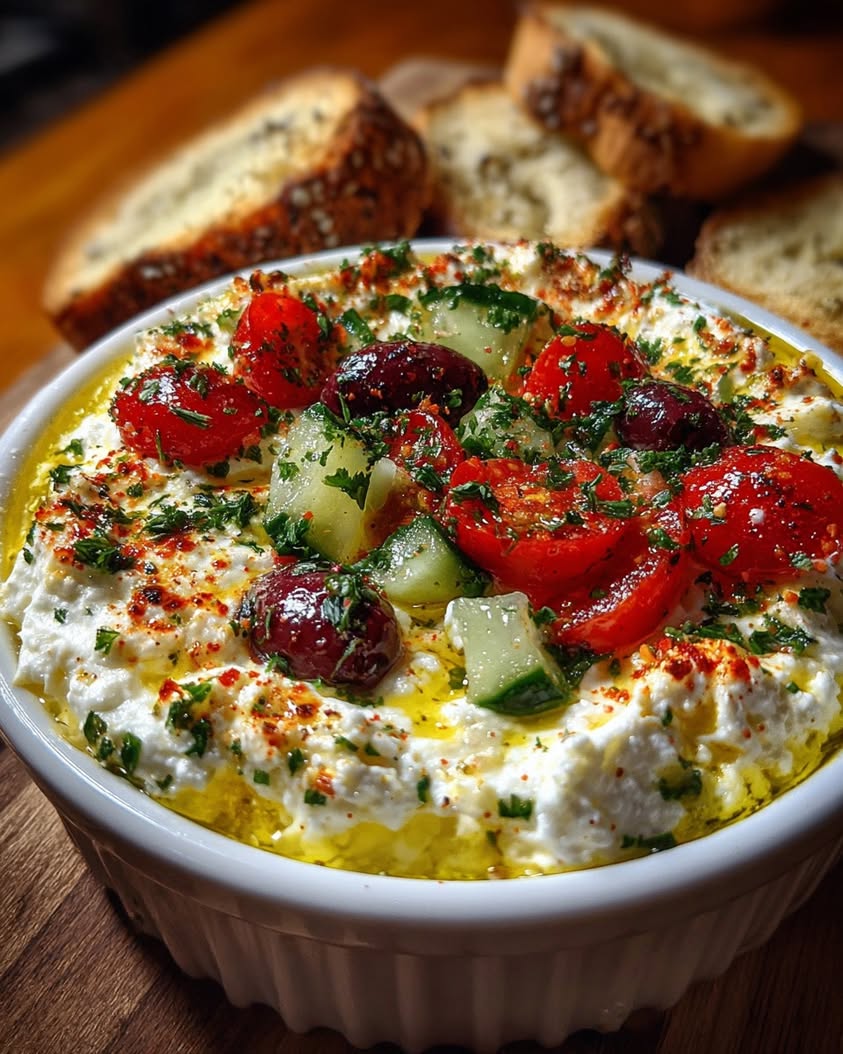
Creamy Mediterranean Feta Dip: An Easy, Flavorful Appetizer
Imagine a dip that captures the vibrant essence of the Mediterranean coastline in a single, irresistible bowl. This creamy Mediterranean feta dip does exactly that, offering a perfect harmony of tangy, salty, and fresh flavors. Moreover, it is a no-cook appetizer that comes together in mere minutes, making it the ultimate lifesaver for impromptu gatherings. Consequently, you can transform simple ingredients into a show-stopping centerpiece that will have your guests asking for the recipe.
The beauty of this Mediterranean feta dip lies in its stunning simplicity and bold character. Each bite delivers the creamy, crumbly texture of high-quality feta cheese, beautifully balanced with the bright acidity of lemon and the earthy richness of extra virgin olive oil. Fresh herbs like dill and parsley add a garden-fresh aroma, while a hint of garlic provides a subtle, savory backbone. Ultimately, this dip is not just food; it is a sensory experience that transports you to a sun-drenched Greek taverna.
Whether you are hosting a summer barbecue, a cozy winter potluck, or simply craving a flavorful snack, this dip is incredibly versatile. It pairs wonderfully with an array of dippers, from crisp pita chips and crunchy vegetables to warm, fluffy flatbread. Furthermore, its visually appealing presentation, with a drizzle of golden oil and a sprinkle of colorful herbs, makes it as beautiful as it is delicious. This creamy Mediterranean feta dip is guaranteed to become a staple in your entertaining repertoire.
Quick Recipe Highlights
- Flavor Profile: This Mediterranean feta dip boasts a masterful balance of tangy, salty, and fresh notes. The sharpness of the feta cheese is perfectly tempered by the creamy Greek yogurt and bright lemon juice. Additionally, fresh herbs and garlic add layers of savory, aromatic complexity that make each scoop exciting.
- Texture: The texture is luxuriously creamy and spreadable with a delightful, slight graininess from the crumbled feta. Importantly, using a food processor creates a smooth base while retaining tiny pockets of cheese for interest. Consequently, it clings perfectly to chips and crudités without being gloppy or runny.
- Aroma: The aroma is instantly inviting and fresh. You will first notice the grassy, peppery scent of extra virgin olive oil, followed by the bright, citrusy notes of lemon. Finally, the fragrant herbs like dill and parsley complete the scent profile, promising a light and refreshing taste.
- Visual Appeal: This dip is a feast for the eyes with its bright white base from the feta and yogurt. A generous drizzle of vibrant green olive oil and a confetti of red pepper flakes and fresh herbs create stunning contrast. Therefore, it looks artisanal and elegant with minimal effort, making it perfect for social media-worthy presentation.
- Skill Level Needed: Absolutely no advanced culinary skills are required. This is a beginner-friendly recipe that involves no cooking, just simple blending and mixing. As long as you can operate a food processor or blender and use a spatula, you can achieve perfect, restaurant-quality results every single time.
- Special Equipment: A food processor or high-powered blender is the only key tool for achieving the ideal creamy consistency. Alternatively, you can use a sturdy fork and some elbow grease to mash the feta by hand. Otherwise, you just need basic kitchen utensils like a spatula, measuring spoons, and a serving bowl.
Recipe Overview
- Difficulty Level: We classify this Mediterranean feta dip as “Easy” because it requires zero cooking techniques. The process involves simple measuring, blending, and stirring. There is no risk of overcooking or intricate knife work, making it completely foolproof for cooks of all experience levels, including teenagers and first-time hosts.
- Category: This recipe falls squarely into the appetizer and snack category, ideal for starting a meal or serving at a party. It also works wonderfully as a flavorful spread for sandwiches and wraps. Furthermore, it can be a component of a larger Mediterranean mezze platter, surrounded by olives, hummus, and dolmas.
- Cuisine: The dish is firmly rooted in Greek and broader Eastern Mediterranean cuisine, celebrating iconic ingredients like feta cheese, olive oil, and lemon. These flavors are staples across the Aegean islands and coastal regions. While not a single traditional recipe, it is a modern fusion that honors the region’s culinary principles of freshness and simplicity.
- Cost: This is a very cost-effective appetizer, especially when considering its impressive yield. A block of feta cheese and a container of Greek yogurt form the affordable base. Fresh herbs and lemons are inexpensive, and a little high-quality olive oil goes a long way. Overall, you can feed a crowd for a fraction of the cost of store-bought gourmet dips.
- Season: This creamy Mediterranean feta dip is truly a year-round champion. It feels light and refreshing for spring and summer gatherings. Conversely, its bright flavors can also cut through the richness of winter comfort foods. However, it shines brightest when fresh herbs are in season and at their most flavorful peak.
- Occasion: It is perfect for virtually any social event: game day parties, potlucks, holiday appetizer spreads, book club meetings, or casual family snacking. It also makes an elegant offering for more formal cocktail parties. Essentially, its universal appeal and easy preparation make it suitable for any time you need delicious food quickly.
Why You’ll Love This Recipe
First and foremost, the taste and texture of this Mediterranean feta dip are utterly addictive. The creamy, tangy base provides a perfect canvas for the salty punch of feta and the aromatic freshness of dill and parsley. Each mouthful is a complex yet harmonious blend that keeps you reaching for just one more bite. Importantly, the contrast between the smooth dip and a crunchy pita chip creates a satisfying sensory experience that is both gourmet and comforting.
From a convenience standpoint, this recipe is a true lifesaver. You can whip up this impressive Mediterranean feta dip in about fifteen minutes with no cooking required. Consequently, it solves the last-minute party panic or unexpected guest dilemma with grace. Furthermore, the ingredients are simple pantry and fridge staples that are easy to keep on hand. This means delicious, homemade food is always within quick and easy reach.
Nutritionally, this dip offers several advantages over many store-bought or cream cheese-based alternatives. Greek yogurt and feta provide a good dose of protein and calcium. Using heart-healthy olive oil as a primary fat source adds beneficial monounsaturated fats. Additionally, the fresh herbs and lemon juice contribute antioxidants and vitamin C. Therefore, you can indulge in a flavorful appetizer that also aligns with a balanced, mindful eating approach.
The social and entertaining value of this creamy Mediterranean feta dip cannot be overstated. It acts as a fantastic conversation starter and centerpiece for any snack table. Guests love interactive food, and dipping is inherently fun and communal. Moreover, its visually stunning presentation makes you look like a culinary pro, boosting your host confidence. It reliably receives compliments and recipe requests, cementing your reputation as a fantastic cook.
Finally, this recipe is remarkably cost-effective and accessible. You can create a large, crowd-pleasing bowl for less than the price of a small boutique dip from the grocery store. The ingredients are widely available at any standard supermarket. There is no need for expensive, hard-to-find specialty items. This accessibility ensures that anyone, anywhere, can enjoy the vibrant flavors of the Mediterranean without strain on their budget or time.
Historical Background and Cultural Significance
The story of feta cheese is deeply intertwined with Greek history and identity, protected as a Product of Designated Origin (PDO) since 2002. Traditionally, feta is made from sheep’s milk or a blend with goat’s milk, aged in brine. This preservation method was crucial in the Mediterranean climate before refrigeration. Consequently, feta became a dietary staple, its salty, tangy flavor defining countless regional dishes. While a blended “feta dip” is a modern creation, it builds upon ancient traditions of combining cheese, oil, and herbs.
Culturally, sharing food from a common plate is a cornerstone of Mediterranean and Middle Eastern hospitality. Mezze, a style of dining featuring numerous small dishes, encourages conversation and community. This creamy Mediterranean feta dip fits perfectly into that tradition, meant to be placed in the center of a table for everyone to enjoy. It embodies the spirit of “philoxenia” (friendliness to strangers), a value deeply cherished in Greek culture. Therefore, serving this dip is about more than food; it is about fostering connection.
The evolution of this recipe mirrors global culinary trends toward fusion and convenience. As Greek cuisine gained worldwide popularity, home cooks and chefs began adapting traditional flavors into easy, shareable formats. The food processor revolutionized the ability to create smooth, creamy textures from crumbly cheeses. This Mediterranean feta dip is a product of that innovation, taking the classic Greek salad flavors of feta, olive oil, and oregano and transforming them into a dippable, spreadable form. It is a delicious example of how recipes travel and adapt.
Regional variations of cheese-based dips abound throughout the Eastern Mediterranean. In Turkey, there is “haydari,” a thick yogurt dip with garlic and herbs. Lebanese cuisine offers “labneh,” a strained yogurt often served with olive oil and za’atar. This creamy Mediterranean feta dip sits alongside these traditions, offering a distinct profile centered on the feta cheese itself. Across different Greek islands, you might find similar spreads incorporating local ingredients like capers, sun-dried tomatoes, or different herb blends, showcasing the beautiful diversity within the region’s food culture.
Ingredient Deep Dive
Feta Cheese is the undisputed star of this Mediterranean feta dip. Authentic Greek feta, made from at least 70% sheep’s milk, offers a superior tangy, salty flavor and creamy-yet-crumbly texture that is essential. Nutritionally, it is a good source of calcium, protein, and beneficial fats. For the best results, always choose a block of feta packed in brine, not pre-crumbled, as it retains more moisture and flavor. Store leftover feta submerged in its brine in the refrigerator. If you need a substitution, a high-quality Bulgarian or French sheep’s milk cheese can work, though the flavor profile will shift slightly.
Greek Yogurt provides the essential creamy base that makes this dip spreadable and balances the feta’s saltiness. Its thick, strained texture is key to achieving the right consistency without dilution. Greek yogurt is packed with protein, probiotics for gut health, and calcium. Always opt for plain, full-fat Greek yogurt for the richest flavor and texture; low-fat versions can make the dip taste watery. For a dairy-free version, a thick, plain coconut yogurt can be a surprisingly effective substitute, though it will impart a subtle coconut note.
Extra Virgin Olive Oil is the liquid gold of the Mediterranean and non-negotiable for this recipe. A high-quality, fruity, and peppery EVOO contributes a distinct aroma and lush mouthfeel that refined oils cannot match. It is rich in heart-healthy monounsaturated fats and antioxidants. Drizzle it generously on top just before serving to create a beautiful flavor pool. Store your olive oil in a cool, dark place to prevent rancidity. While you can use a regular olive oil, the flavor payoff from a good EVOO is worth the investment for this simple dish.
Fresh Herbs like dill and parsley are the breath of fresh air in this creamy Mediterranean feta dip. Dill offers a delicate, slightly anise-like flavor that is quintessentially Greek, while flat-leaf parsley adds a clean, peppery note. They contribute vitamins A, C, and K, along with vibrant color. Always use fresh herbs, not dried, for this application as dried herbs will not rehydrate properly and can taste dusty. If you cannot find dill, fresh mint or chives make excellent, flavorful alternatives that stay within the Mediterranean theme.
Common Mistakes to Avoid
- Using Pre-Crumbled Feta: Pre-crumbled feta is often coated in anti-caking agents and is much drier than a block stored in brine. This results in a less creamy, somewhat chalky dip. Always buy a solid block and crumble it yourself for the best texture and flavor.
- Skipping the Fresh Lemon Juice: Bottled lemon juice lacks the bright, vibrant acidity of fresh juice. The fresh lemon is crucial for cutting through the richness of the cheese and yogurt. Do not substitute it; the flavor difference is noticeable and will make your dip taste flat.
- Overprocessing the Dip: If you run the food processor too long, you will aerate the dip too much, creating a fluffy, almost whipped texture that can be unappealing. Pulse just until the ingredients are combined and mostly smooth, with some tiny flecks of feta remaining for texture.
- Using Low-Fat or Non-Fat Yogurt: These products often contain stabilizers and more water, which can make your Mediterranean feta dip runny and dilute the flavor. Full-fat Greek yogurt provides the necessary richness and body to create a luxuriously thick consistency.
- Not Letting it Chill: Serving the dip immediately is fine, but its flavors truly marry and intensify after at least 30 minutes in the refrigerator. Skipping this rest means the garlic and herbs will taste raw and separate rather than harmonized.
- Forgetting to Drizzle Olive Oil on Top: The final drizzle of extra virgin olive oil is not just for looks. It adds a crucial layer of fruity flavor and richness with the first scoop. Serving it without this garnish misses a key component of the taste experience.
- Using Stale or Low-Quality Olive Oil: Olive oil can go rancid. If your oil smells musty or like crayons, it will ruin the dip. Always taste your olive oil before using it in an uncooked application like this to ensure it is fresh and flavorful.
- Oversalting Before Tasting: Feta cheese is already quite salty. Always mix your dip completely, let it chill, and then taste it before adding any additional salt. You will likely find it needs none at all, preventing an overly salty final product.
Essential Techniques
The key technique for this creamy Mediterranean feta dip is achieving the perfect emulsion in the food processor. This means blending the feta, yogurt, and lemon juice until they form a smooth, homogeneous base. The importance lies in creating a consistent texture that is spreadable but not gluey. To master it, start by pulsing the ingredients rather than running the processor continuously; this gives you more control. A common pitfall is over-processing, which can warm the ingredients and make the dip gummy. The visual cue for success is a uniformly pale, creamy mixture with no large chunks of feta remaining.
Properly incorporating the olive oil is another subtle but important technique. While some oil goes into the processor, the final drizzle on top should be added just before serving. This technique preserves the oil’s fresh, peppery flavor and beautiful sheen. To do it well, use a spoon to swirl the oil over the surface or pour it in a thin stream from a height. The mistake to avoid is stirring this final oil into the entire batch, which would disperse its flavor and ruin the presentation. The visual cue is a gorgeous, glistening pool of golden-green oil on the white dip.
Finally, mastering the chiffonade or fine chop for your fresh herbs is essential for both flavor distribution and aesthetics. Finely chopped herbs release more of their aromatic oils and integrate seamlessly into the dip. The technique involves stacking herb leaves, rolling them tightly, and slicing thinly with a sharp knife. A common pitfall is bruising the herbs with a dull knife, which can cause discoloration and a bitter taste. The visual cue for success is a uniform confetti of green herbs throughout the dip and as a garnish, providing little bursts of fresh flavor in every bite.
Pro Tips for Perfect Creamy Mediterranean Feta Dip
For an extra layer of smoky flavor, add a tiny pinch of smoked paprika or a few drops of liquid smoke to the food processor. This mimics the charred flavor of grilled vegetables common in Mediterranean cuisine. However, use a light hand to avoid overpowering the fresh herbs.
Take your feta and Greek yogurt out of the refrigerator about 15-20 minutes before you start. Using cold ingredients straight from the fridge can make the blending process less smooth. Slightly warmer ingredients will emulsify more easily and quickly in the food processor.
If you have time, let the minced garlic sit in the lemon juice for 5-10 minutes before adding it to the mix. This “mellows” the raw, sharp bite of the garlic and infuses the lemon juice with its flavor. Consequently, you get a more rounded garlic taste throughout the dip.
For a stunning presentation, serve your Mediterranean feta dip in a shallow, wide bowl. Use the back of a spoon to create swirls or wells on the surface before drizzling with oil. These grooves will catch the olive oil and herbs, creating a beautiful, restaurant-style visual effect.
If your dip seems a bit thick after chilling, you can thin it to the perfect consistency with a teaspoon of cold water or milk. Stir it in gently until you reach the desired texture. This is preferable to adding more yogurt or oil, which would alter the flavor balance.
For a truly authentic touch, garnish with a sprinkle of dried Greek oregano in addition to the fresh herbs. Oregano is a cornerstone of Greek cuisine and adds a familiar, earthy aroma that immediately signals the dip’s Mediterranean origins.
Variations and Adaptations
For regional variations, consider adding a quarter cup of chopped, marinated artichoke hearts and a spoonful of chopped sun-dried tomatoes for an Italian-Greek fusion. A Turkish-inspired version might include a spoonful of tomato paste and a dash of pul biber (Aleppo pepper). A Cypriot twist could incorporate a handful of chopped, toasted almonds or walnuts for added crunch and richness, reflecting the island’s love for nuts in savory dishes.
Seasonal adaptations are simple and effective. In the summer, fold in finely diced cucumber and fresh mint for a cooler, tzatziki-inspired profile. For autumn, add a spoonful of roasted pumpkin puree and a pinch of warm spices like nutmeg. Winter calls for heartier additions like chopped, roasted red peppers from a jar or a bit of chopped, preserved lemon for intense citrus flavor when fresh lemons are less vibrant.
Dietary modifications are straightforward. For a vegan Mediterranean “feta” dip, use a firm, brine-packed vegan feta alternative and a plant-based Greek-style yogurt. A keto or low-carb version is already nearly perfect; just ensure your yogurt is full-fat and unsweetened, and serve with low-carb vegetable dippers like bell peppers and cucumber. For a paleo adaptation, omit the dairy-based yogurt and use a thicker coconut cream instead, though the flavor will be different.
Flavor variations can take this dip around the world. Add a tablespoon of harissa paste for a spicy North African kick. Blend in a handful of fresh basil and a few pine nuts for a pesto-feta fusion. For a more Middle Eastern flavor, add a teaspoon of ground cumin and a garnish of za’atar spice blend instead of the red pepper flakes. The creamy base is incredibly adaptable to your favorite herb and spice combinations.
Serving and Presentation Guide
Plating techniques matter for visual impact. Choose a serving bowl with a color that contrasts with the white dip, such as deep blue, terracotta, or a simple wood slab. Use a spatula to transfer the dip, then create texture on the surface with the back of a spoon. This provides valleys for the olive oil to pool and creates shadows that make the dip look more abundant and artisanal.
Garnishing is your final, flavorful touch. Beyond the classic olive oil and herb sprinkle, consider adding a few whole Kalamata olives, a sprinkle of toasted sesame seeds, or delicate edible flowers for a special occasion. A thin slice of lemon placed on the rim of the bowl signals the key flavor inside. Remember, garnishes should be edible and complement the dip’s flavor profile.
Traditional accompaniments include warm, pillowy pita bread (cut into triangles), crisp pita chips, and a vibrant array of raw vegetables like carrot sticks, cucumber rounds, bell pepper strips, and radishes. For a fuller mezze platter, surround the bowl with dolmas (stuffed grape leaves), a handful of mixed olives, and some marinated gigante beans. This creates a complete, shareable Mediterranean feast.
Modern serving suggestions extend beyond the chip-and-dip format. Use the creamy Mediterranean feta dip as a spread on grilled chicken or fish sandwiches. Swirl it into scrambled eggs for a decadent breakfast. Thin it slightly with a bit more lemon juice to make a vibrant salad dressing for a Greek salad. Or, serve it as a condiment alongside grilled lamb chops or kebabs.
Wine and Beverage Pairing
Wine pairings for this Mediterranean feta dip should focus on crisp, high-acid whites that can cut through the richness and complement the salty, tangy flavors. A Greek Assyrtiko from Santorini is the perfect regional match, with its citrus notes and mineral backbone. Alternatively, a New Zealand Sauvignon Blanc with its grassy, grapefruit character works wonderfully. For a red option, choose a light-bodied, low-tannin wine like a Beaujolais or a Greek Xinomavro rosé to avoid clashing with the dip’s acidity.
Non-alcoholic alternatives are just as important. A sparkling lemonade or limeade mirrors the citrus in the dip. Iced herbal teas, like mint or rosemary tea, complement the fresh herbal notes beautifully. For a more authentic experience, serve chilled, still water with a few slices of cucumber and lemon to cleanse the palate between bites. These options ensure all guests can enjoy a perfectly paired beverage.
Coffee and tea pairings are less common for an appetizer but consider them for a brunch setting. A medium-roast coffee with low acidity won’t compete with the dip’s flavors. A cup of mint tea, either hot or iced, is a classic Mediterranean digestif that would follow the dip nicely if served as part of a larger meal. The key is to choose beverages that are refreshing rather than overpowering.
Temperature and serving suggestions are crucial. Always serve white wines and non-alcoholic sparklers well-chilled. Provide a separate ice bucket or keep bottles in the refrigerator until the moment of serving. For a crowd, consider a large dispenser of infused water or a pitcher of iced tea alongside the wine options. This allows guests to help themselves and keeps the focus on the delicious Mediterranean feta dip and its companions.
Storage and Shelf Life
Proper storage methods are key to maintaining freshness. Transfer any leftover creamy Mediterranean feta dip to an airtight container. Press a piece of plastic wrap directly onto the surface of the dip before sealing the lid. This minimizes air exposure, which can cause oxidation and off-flavors. Always store the dip in the main body of your refrigerator, not in the door, where temperatures fluctuate more.
The ideal shelf life for this dip is 3 to 4 days when stored correctly. The acidity from the lemon juice and the salt in the feta act as natural preservatives. However, the fresh herbs will begin to wilt and darken after a couple of days. For the best texture and flavor, aim to consume it within 72 hours of preparation. The dip does not freeze well, as freezing and thawing will cause the dairy to separate and become watery.
Signs of spoilage are easy to spot. Discard the dip if you notice any mold growth (even small spots), a sour smell beyond the tangy yogurt aroma, or significant liquid separation that cannot be stirred back in. If the color has turned noticeably grey or yellow, it is also past its prime. When in doubt, remember the golden rule: if you are unsure, it is safer to throw it out.
Make Ahead Strategies
This Mediterranean feta dip is an ideal make-ahead appetizer. You can prepare the entire dip up to 24 hours in advance. In fact, making it ahead allows the flavors to meld and deepen beautifully. After blending, scrape it into your serving bowl, cover the surface directly with plastic wrap, and refrigerate. This timeline ensures peak flavor without the herbs losing their vibrant color and freshness.
For optimal quality, hold off on the final garnishes until just before serving. Store the extra virgin olive oil and chopped fresh herbs separately in the refrigerator. About 15 minutes before your guests arrive, take the dip out to slightly take the chill off. Then, add the final drizzle of oil and sprinkle of herbs. This keeps the oil tasting fresh and the herbs looking perky and green.
If you need to prep further in advance, you can measure and prepare individual ingredients. Crumble the feta and store it in a container. Wash, dry, and chop the herbs, then wrap them in a damp paper towel inside a zip-top bag. Juice the lemon and mince the garlic. Having everything prepped and ready in the fridge means you can blend the entire dip in under 5 minutes when needed, making last-minute entertaining a breeze.
Scaling Instructions
Halving the recipe is simple for smaller gatherings. Use half of each ingredient listed. The blending time in the food processor may be slightly shorter due to the smaller volume. Be careful not to over-process. A mini food processor is perfect for this task. The yield will be perfect for 2-3 people as a snack or for a couple’s appetizer.
Doubling or tripling the recipe for a party is highly effective. Simply multiply all ingredients by your desired factor. You may need to blend in batches if your food processor is not large enough to hold the entire volume at once. Mix the batches together in a large bowl to ensure uniformity. When scaling up, taste for seasoning after mixing, as the saltiness can vary slightly with larger batches of feta.
Equipment adjustments are necessary when scaling. For a double batch, a standard 7- to 9-cup food processor should suffice. For tripling, you will likely need to work in batches. No timing modifications are needed for the actual prep. However, if making a very large batch, allow a little extra chilling time (closer to an hour) for the flavors to fully combine throughout the greater volume.
Nutritional Deep Dive
A standard serving of this creamy Mediterranean feta dip provides a good balance of macronutrients. It offers a moderate amount of protein from the feta and Greek yogurt, which helps promote satiety. The fats are primarily from the olive oil and cheese, consisting of beneficial monounsaturated and saturated fats. Carbohydrates are minimal and come mainly from the lactose in the dairy and a small amount from the herbs and lemon. This macro profile makes it a satisfying snack that won’t cause a rapid blood sugar spike.
The micronutrient profile is impressive. Feta and yogurt are excellent sources of calcium and phosphorus, crucial for bone health. Olive oil is rich in vitamin E and polyphenols, potent antioxidants. Fresh herbs like dill and parsley contribute vitamin K, vitamin A, and vitamin C. Garlic provides allicin, a compound studied for its potential health benefits. Therefore, this dip is a nutrient-dense choice compared to many processed snack foods.
From a dietary consideration standpoint, this Mediterranean feta dip is naturally gluten-free and vegetarian. It can be adapted to be keto-friendly by serving with low-carb vegetables. For those monitoring sodium, note that feta is a salty cheese, so portion control is advised. The probiotics in Greek yogurt support gut health. Overall, when enjoyed as part of a varied diet, this dip contributes valuable nutrients and aligns with the heart-healthy principles of the Mediterranean diet.
Dietary Adaptations
For a gluten-free version, this recipe is already compliant as written. The critical step is ensuring your dippers are gluten-free. Serve with certified gluten-free pita chips, corn tortilla chips, or fresh vegetables. Always check labels on pre-packaged ingredients like yogurt for any hidden gluten-based stabilizers, though this is rare in plain Greek yogurt.
A dairy-free or vegan adaptation requires specific substitutes. Use a high-quality, firm vegan feta cheese (often made from tofu or almonds) and a plain, unsweetened plant-based yogurt. Coconut yogurt works but will add a coconut flavor; a soy or almond-based Greek-style yogurt is more neutral. The olive oil, lemon, and herbs remain the same. The texture may be slightly different, but the flavor profile can still be deliciously tangy and herby.
For a keto or low-carb diet, this dip is an excellent fit. Use full-fat feta and full-fat Greek yogurt. Avoid any sweetened or flavored yogurts. The net carbs per serving are very low. Pair it with keto-friendly dippers like celery sticks, bell pepper strips, cucumber slices, or homemade cheese crisps. This makes it a perfect, flavorful snack that aligns with low-carb macronutrient goals.
Troubleshooting Guide
If your dip is too runny, the most likely cause is using a yogurt with too much water content (like non-fat varieties) or over-blending. To fix it, you can strain the dip through a fine-mesh sieve lined with cheesecloth for 15-30 minutes in the fridge. Alternatively, stir in a tablespoon of finely grated cucumber that has been squeezed dry; it will add body without altering flavor significantly.
If the dip tastes bland, it often needs more acidity or salt. First, add an extra squeeze of fresh lemon juice and stir well. Then, taste again. If it still lacks punch, add a tiny pinch of sea salt. Remember, the flavors will also intensify after chilling. Often, letting it rest for 30 minutes solves the “bland” problem as the garlic and herbs infuse the base.
If the garlic flavor is too harsh or raw-tasting, you have a couple of options. For the future, try the technique of macerating the minced garlic in lemon juice first. To fix a finished batch, you can try stirring in a tiny pinch of sugar to balance the sharpness. Alternatively, let the dip sit overnight; the garlic flavor will mellow considerably by the next day.
Recipe Success Stories
Community feedback on this Mediterranean feta dip has been overwhelmingly positive. Many readers report it becoming their “go-to” party recipe, often requested by friends and family. One common success story involves doubling the recipe for a holiday party and having the bowl scraped clean within the first hour. Others love how it impresses guests who assume it took much longer to prepare, giving the home cook a confident boost.
Variation successes are frequently shared. A reader added roasted red peppers and a touch of smoked paprika, creating a “rouge” version that was a hit. Another successfully made it vegan for a mixed-diet gathering, and no one could tell the difference. Several have used it as a sandwich spread for weekday lunches, proving its versatility beyond the appetizer bowl. These adaptations show how a solid base recipe can inspire personal culinary creativity.
Photography tips from successful makers emphasize natural light. They suggest photographing the dip on a textured surface like a wooden cutting board or slate, with the dippers artfully arranged around the bowl. A close-up shot capturing the drizzle of olive oil and sprinkle of herbs is always a winner. Many find that the dip’s bright white color and green garnish make it one of the easiest and most photogenic foods to capture for social media or recipe blogs.
Frequently Asked Questions
Can I make this dip without a food processor? Yes, you can. Use a sturdy fork to mash the feta cheese in a bowl until it’s as crumbly as possible. Then, whisk in the Greek yogurt, lemon juice, and garlic until relatively smooth. Finally, fold in the chopped herbs. The texture will be chunkier but still delicious.
How long can this dip sit out at room temperature during a party? For food safety, do not leave this dairy-based dip out at room temperature for more than 2 hours. If the room is very warm (above 90°F), limit it to 1 hour. To keep it safe longer, place the serving bowl on a larger platter filled with ice.
What is the best feta cheese to buy for this recipe? Always choose a block of feta packed in brine, not pre-crumbled. Look for authentic Greek feta made from sheep’s milk or a sheep/goat milk blend. The flavor and creamy texture are superior to cow’s milk feta, which can be drier and less tangy.
Can I freeze Mediterranean feta dip? We do not recommend freezing this dip. The dairy will separate and become grainy and watery when thawed. The fresh herbs will also discolor and turn mushy. It is best enjoyed fresh or stored in the refrigerator for a few days.
My dip turned out too salty. What can I do? To balance excess saltiness, try adding more plain Greek yogurt or a dollop of sour cream to dilute the salt. You can also stir in some finely grated, squeezed-dry cucumber for volume without adding more sodium. For next time, remember not to add extra salt before tasting.
What are some creative ways to use leftover dip? Use it as a spread on wraps and sandwiches, a topping for baked potatoes, a sauce for grilled chicken or fish, or a flavorful mix-in for scrambled eggs or omelets. You can also thin it with a little more lemon juice and olive oil to make a salad dressing.
Can I use dried herbs instead of fresh? For this particular recipe, fresh herbs are highly recommended. Dried herbs will not rehydrate properly in the cold dip and can have a dusty, concentrated flavor. If you must substitute, use only one-third the amount of dried herbs and be aware the flavor and texture will be different.
Is there a way to make this dip lower in fat? You can use reduced-fat feta and low-fat Greek yogurt. However, this will significantly impact the creamy, rich texture and flavor. The dip may also be more prone to becoming watery. For the best experience, we suggest enjoying a smaller portion of the full-fat version.
What can I{“success”:true,”message”:”Recipe created successfully”,”post_id”:7664,”tasty_recipe_id”:7664,”shortcode”:” Print A creamy, tangy dip blending feta cheese with Mediterranean herbs and olive oil, perfect for pita bread or fresh vegetables. You can customize the seasonings to taste.Mediterranean Feta Dip
Description
Ingredients
For the Crust:
Instructions
1. Prepare the Crust:
Notes

I’m Billy, a classically trained culinary school graduate from The Culinary Institute of America with over 12 years in the restaurant industry and over 19 years of cooking experience.