
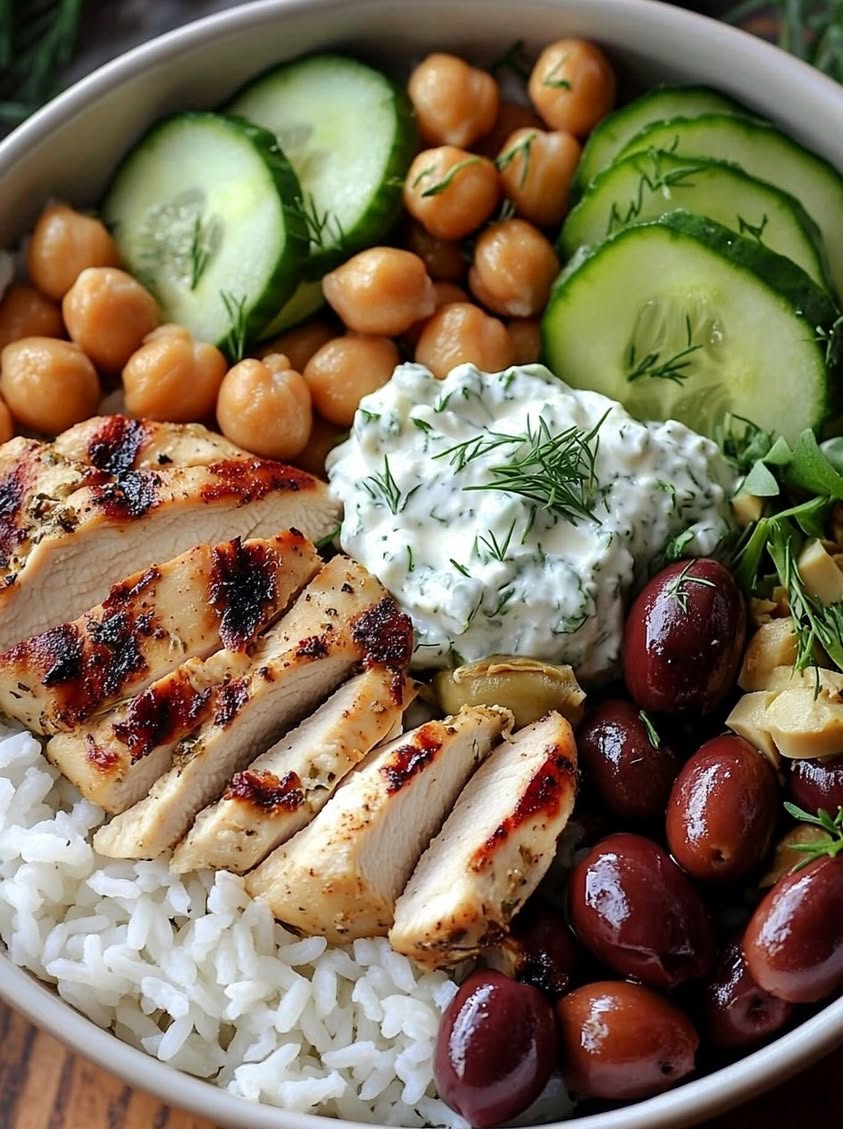
Mediterranean Grilled Lemon Chicken Bowl with Creamy Tzatziki Recipe: A Vibrant and Healthy Feast
Imagine a meal that captures the essence of a sun-drenched Mediterranean coastline. This Mediterranean Grilled Lemon Chicken Bowl with Creamy Tzatziki Recipe delivers exactly that experience. It brings together smoky, charred chicken, bright lemon, and cool, herby yogurt sauce in one satisfying bowl. Consequently, you get a restaurant-quality dish that is surprisingly simple to make at home. Moreover, it is a complete meal packed with lean protein, fresh vegetables, and complex carbohydrates. Ultimately, it is the perfect answer for a healthy weeknight dinner or an impressive weekend lunch.
The magic of this Mediterranean Grilled Lemon Chicken Bowl lies in its harmony of flavors and textures. First, juicy chicken thighs marinate in a vibrant blend of lemon, garlic, and oregano. Next, they hit a hot grill or grill pan, developing those coveted smoky marks. Meanwhile, you prepare a simple yet addictive creamy tzatziki sauce with cucumber and dill. Finally, you assemble everything over a base of fluffy quinoa or rice with crisp vegetables. The result is a colorful, nutrient-dense bowl that is as beautiful as it is delicious.
This recipe is more than just food; it is a lifestyle choice. It embraces the principles of the Mediterranean diet, which is celebrated for its health benefits and incredible flavors. Importantly, it uses whole, unprocessed ingredients that you can feel good about eating. Additionally, it is highly customizable based on what you have in your fridge or pantry. Whether you are cooking for your family or meal-prepping for the week, this bowl is a reliable and delightful option. Let us dive into how to create this culinary masterpiece.
Quick Recipe Highlights
- Flavor Profile: This Mediterranean Grilled Lemon Chicken Bowl offers a perfect balance. You experience the bright, tangy punch of fresh lemon and garlic from the chicken. Simultaneously, the cool, creamy tzatziki with cucumber and dill provides a refreshing contrast. The overall taste is herbaceous, smoky, and utterly satisfying.
- Texture: The texture journey is fantastic. You get tender, juicy chicken with a slightly crisp exterior from the grill. Meanwhile, the creamy tzatziki sauce is smooth with little bursts of crunchy cucumber. Furthermore, the base of quinoa or rice adds a pleasant chew, and fresh veggies like tomato and red onion provide a crisp bite.
- Aroma: The aromas are intoxicating and will fill your kitchen. As the chicken grills, the scent of charred lemon, garlic, and dried oregano becomes irresistible. Concurrently, the tzatziki sauce releases fresh notes of dill and cucumber. Altogether, it creates an inviting, herb-forward fragrance that promises a delicious meal.
- Visual Appeal: This bowl is a feast for the eyes with its vibrant color palette. The golden-brown chicken, white creamy tzatziki, and red tomatoes create a stunning contrast. Additionally, the green herbs and cucumbers add pops of freshness. Served in a deep bowl, the layered components look both rustic and elegant.
- Skill Level Needed: This is an accessible recipe for cooks of all levels. Basic skills like mixing a marinade, grilling or pan-searing protein, and chopping vegetables are all you need. Therefore, it is perfect for beginners looking to build confidence. Even experienced cooks will appreciate the efficient, flavor-packed process.
- Special Equipment: A grill, grill pan, or simple stovetop skillet is the main tool you will need. A box grater or food processor with a grating attachment helps quickly prepare the cucumber for the tzatziki. Otherwise, standard kitchen bowls, measuring spoons, and a sharp knife are all that is required.
Recipe Overview
- Difficulty Level: We rate this Mediterranean Grilled Lemon Chicken Bowl recipe as easy. The steps are straightforward: marinate, grill, chop, and assemble. There are no complicated techniques or precise baking times to worry about. As a result, it is a low-stress recipe that yields impressive, consistent results every time.
- Category: This dish fits perfectly into several meal categories. Primarily, it is a hearty and healthy main course for lunch or dinner. It also excels as a meal-prep option because the components store and reheat well. Furthermore, you can serve the deconstructed elements as part of a beautiful grazing board for entertaining.
- Cuisine: The cuisine is firmly rooted in the broader Mediterranean region, drawing inspiration from Greek and Middle Eastern flavors. The use of lemon, oregano, garlic, and olive oil is classically Greek. Meanwhile, the tzatziki sauce and grain bowl concept have echoes throughout the Eastern Mediterranean. It is a modern, fusion-style celebration of these healthy culinary traditions.
- Cost: This is a very cost-effective recipe to prepare. Chicken thighs are an affordable cut of protein, and the marinade uses pantry staples. The tzatziki relies on inexpensive yogurt, cucumber, and herbs. Overall, you can feed a family of four a restaurant-quality meal for a fraction of the cost of eating out.
- Season: This Mediterranean Grilled Lemon Chicken Bowl is truly a year-round recipe. It shines in the summer when you can use fresh garden herbs and grill outdoors. However, it is equally comforting in the winter, bringing bright, sunny flavors to darker months. The fresh ingredients are typically available in grocery stores any time of year.
- Occasion: This versatile bowl suits countless occasions. It is ideal for a quick and nutritious weeknight family dinner. Conversely, it is impressive enough for casual weekend entertaining with friends. You can also pack it for a portable lunch or prepare it for a healthy meal-prep routine.
Why You’ll Love This Mediterranean Grilled Lemon Chicken Bowl Recipe
First and foremost, the taste and texture combination is absolutely unbeatable. Each bite of this Mediterranean Grilled Lemon Chicken Bowl delivers a symphony of sensations. You get the smoky, savory depth from the perfectly grilled chicken, which is beautifully cut by the sharp, bright lemon in the marinade. Then, the cool, creamy tzatziki sauce swoops in, coating your palate with its garlicky, herby freshness. The various vegetables add juicy bursts and satisfying crunch, while the grain base brings a comforting, hearty foundation. Ultimately, it is a complete flavor experience that feels both indulgent and nourishing, leaving you completely satisfied without feeling heavy.
From a convenience standpoint, this recipe is a true weeknight hero. The marinade comes together in minutes, and while the chicken rests in those vibrant flavors, you can prepare everything else. The grilling or searing process is fast, taking only about 10-15 minutes. Furthermore, the assembly is a simple, no-cook affair of piling delicious components into a bowl. This efficiency makes it perfect for busy evenings when you want a wholesome meal without spending hours in the kitchen. Additionally, the clean-up is minimal, especially if you use a single bowl for mixing the marinade and a single pan for cooking.
Nutritionally, this Mediterranean Grilled Lemon Chicken Bowl is a powerhouse. It aligns perfectly with the principles of the celebrated Mediterranean diet, which is linked to longevity and heart health. The chicken provides high-quality, lean protein to support muscle repair and keep you full. The olive oil and yogurt offer healthy fats. Meanwhile, the abundance of fresh vegetables like cucumber, tomato, and red onion delivers essential vitamins, minerals, and fiber. Choosing a whole grain like quinoa or brown rice adds complex carbohydrates for sustained energy. This bowl is a balanced meal that fuels your body beautifully.
This dish also holds tremendous value for social gatherings and entertaining. Presenting individual, beautifully arranged bowls feels special and considerate for your guests. The recipe scales up effortlessly to feed a crowd, and much of the work can be done ahead of time. You can marinate the chicken the night before and make the tzatziki sauce a few hours in advance. Consequently, when your guests arrive, you simply need to grill the chicken and assemble the bowls, allowing you to enjoy the party. The vibrant, colorful presentation is always a conversation starter and is sure to impress.
Finally, the cost-effectiveness and accessibility of this recipe cannot be overstated. It utilizes affordable, whole-food ingredients that are easy to find at any standard grocery store. There is no need for expensive, specialty items. Chicken thighs are a budget-friendly protein choice that stays incredibly juicy during cooking. The herbs and spices are common pantry staples. This accessibility means you can enjoy a taste of the Mediterranean anytime you want, without breaking the bank. It is a delicious proof that eating well does not have to be complicated or expensive.
Historical Background and Cultural Significance
The origins of this dish are woven from several culinary threads across the Mediterranean basin. The concept of marinating meat in lemon, garlic, and herbs is ancient, with roots in Greek and Levantine cooking where these ingredients were abundant and used to preserve and flavor food. The practice of grilling over open flames is equally historic, a fundamental cooking method around the Mediterranean Sea. Tzatziki sauce, a cornerstone of the bowl, has a definitive history in Greek, Turkish, and broader Middle Eastern cuisines, often served as a cooling condiment with grilled meats and vegetables. The modern “grain bowl” or “Buddha bowl” presentation is a more recent trend, reflecting a global interest in healthy, compartmentalized, and visually appealing meals.
Culturally, this Mediterranean Grilled Lemon Chicken Bowl represents the core ethos of Mediterranean eating patterns. Meals in this region traditionally emphasize fresh, seasonal produce, lean proteins, healthy fats like olive oil, and communal dining. This bowl encapsulates all those values in a single, convenient vessel. It moves away from heavy, cream-based sauces and instead celebrates the natural flavors of high-quality ingredients enhanced by simple techniques. The dish honors the Mediterranean tradition of “mezze” or small plates, by combining several distinct elements—the protein, the sauce, the grain, the salad—into one harmonious experience. It is food meant to be shared, savored, and enjoyed slowly.
The evolution of this specific recipe is a testament to modern global fusion cuisine. While its individual components are classic, assembling them into a composed bowl is a contemporary interpretation. This format has gained immense popularity in recent years due to the rise of fast-casual dining and the focus on customizable, healthy options. Home cooks and chefs alike have embraced the bowl format for its versatility and balance. The Mediterranean Grilled Lemon Chicken Bowl recipe is a direct result of this evolution, taking timeless flavors and presenting them in a way that fits modern lifestyles and aesthetic preferences. It is a dish that feels both familiar and novel.
Regional variations of this concept are plentiful, showcasing the diversity of the Mediterranean. In Greece, you might find similar chicken souvlaki served in a pita with tzatziki, tomatoes, and onions—essentially a deconstructed version of our bowl. In Turkey, the chicken might be seasoned with paprika and cumin, served over bulgur wheat with a cacik sauce (a close relative of tzatziki). Lebanese versions could include toum (a powerful garlic sauce) instead of tzatziki and a side of garlic sauce. The choice of grain base also varies; farro in Italy, couscous in North Africa, or orzo in Greece. Our recipe provides a foundational template that you can easily adapt to explore these delicious regional twists.
Ingredient Deep Dive
Let us start with the star: chicken thighs. Boneless, skinless chicken thighs are ideal for this Mediterranean Grilled Lemon Chicken Bowl. Historically, darker meat poultry was often more accessible and valued for its richer flavor and moisture content. Nutritionally, thighs contain slightly more fat than breasts, which translates to incredible juiciness and flavor, especially when grilled. They are also a good source of iron and zinc. When selecting them, look for plump, pinkish-red pieces with minimal visible fat. You can substitute chicken breasts, but be vigilant about not overcooking them. Store raw thighs in the coldest part of your fridge and use within 1-2 days, or freeze for longer storage.
Plain Greek yogurt is the backbone of the creamy tzatziki. Yogurt has been a staple in Mediterranean and Middle Eastern diets for thousands of years, prized for its probiotic benefits and versatility. Greek yogurt is strained, making it thicker and higher in protein than regular yogurt. This thickness is crucial for a sauce that will not make your bowl soggy. Nutritionally, it provides calcium, protein, and gut-friendly bacteria. Always choose full-fat or 2% Greek yogurt for the best texture and flavor; non-fat versions can be watery and tart. For a dairy-free version, use a thick, plain coconut or almond milk yogurt. Once opened, store yogurt in the fridge and use by the date on the container.
Fresh lemon juice and zest are non-negotiable for the marinade. Lemons have been cultivated in the Mediterranean since ancient times, valued for their ability to preserve food and prevent scurvy. In cooking, the acid in lemon juice tenderizes the chicken while the essential oils in the zest provide intense, aromatic citrus flavor without added liquid. Nutritionally, lemons are an excellent source of vitamin C and antioxidants. Always choose firm, heavy lemons with bright, smooth skin for the most juice. Roll them on the counter before juicing to maximize yield. You cannot substitute bottled juice here; the fresh flavor is essential. Store whole lemons at room temperature for a week or in the fridge for longer.
Extra virgin olive oil (EVOO) is the heart of Mediterranean cuisine. It has been produced for millennia and is central to the region’s culture and health profile. In this recipe, it carries the fat-soluble flavors of the herbs and garlic in the marinade and helps create a beautiful sear on the chicken. Nutritionally, EVOO is rich in monounsaturated fats and antioxidants linked to reduced inflammation. Select a bottle labeled “extra virgin” for its superior flavor and quality; it should smell fruity and grassy. Avoid using refined “light” olive oil. Store EVOO in a cool, dark place away from the stove to prevent it from becoming rancid. For the tzatziki, a milder olive oil or even omitting it is fine.
Fresh dill and cucumber define the tzatziki sauce. Dill has a long history in European and Asian cooking, offering a sweet, grassy, slightly anise-like flavor that pairs perfectly with cucumber and yogurt. Cucumbers, originally from Southeast Asia, have been cultivated for over 3,000 years and are celebrated for their high water content and refreshing crunch. In tzatziki, they must be grated and thoroughly drained to prevent a watery sauce. Nutritionally, cucumbers provide hydration and vitamin K, while dill offers small amounts of vitamin A and C. Choose firm, dark green cucumbers and bright, feathery dill fronds. For the best texture, use an English (hothouse) cucumber as it has fewer seeds and thinner skin. Store both in the refrigerator’s crisper drawer.
Common Mistakes to Avoid
- Not Draining the Grated Cucumber: This is the number one mistake that leads to a watery, disappointing tzatziki sauce. After grating the cucumber, you must squeeze out as much liquid as possible using your hands or a clean kitchen towel. If you skip this step, the cucumber water will dilute the yogurt, making the sauce runny and weakening its flavor.
- Marinating the Chicken for Too Long in Lemon Juice: While marinating is good, the high acid content in lemon juice can actually start to “cook” the chicken proteins if left for more than a few hours, especially with thin cuts like thighs. This can result in a mushy, chalky texture. For this Mediterranean Grilled Lemon Chicken Bowl, 30 minutes to 2 hours is the ideal marinating window.
- Using Non-Fat Greek Yogurt: Non-fat Greek yogurt often contains stabilizers and has a tangier, less creamy profile. When used in tzatziki, it can separate more easily and lacks the rich mouthfeel that balances the dish. Always opt for full-fat or 2% Greek yogurt for a luxuriously creamy and stable sauce that clings beautifully to the other ingredients.
- Grilling on a Cold Surface: Whether using an outdoor grill or a grill pan, the cooking surface must be preheated until it is very hot. A hot grill ensures those beautiful, dark sear marks and prevents the chicken from sticking. It also cooks the chicken quickly, sealing in the juices. If the grill is not hot enough, the chicken will steam and become tough.
- Overcooking the Chicken Thighs: Even though thighs are forgiving, they can dry out if cooked for too long. The goal is an internal temperature of 165°F (74°C). Use a meat thermometer to check; do not rely solely on cooking time. Once removed from the grill, let the chicken rest for 5 minutes before slicing. This allows the juices to redistribute, ensuring every bite is moist.
- Skipping the Resting Time for the Chicken: Slicing into chicken immediately after it comes off the grill causes all the precious juices to run out onto the cutting board, leaving the meat dry. Letting it rest for 5-10 minutes allows the muscle fibers to relax and reabsorb those juices, which is critical for a succulent Mediterranean Grilled Lemon Chicken Bowl.
- Underseasoning the Tzatziki: Tzatziki should be boldly flavored to stand up to the smoky chicken. Do not be shy with the salt, garlic, and dill. Taste the sauce after mixing and adjust the seasoning. Remember, it will be diluted slightly when combined with the other bowl components, so it should taste a bit strong on its own.
- Using Dried Dill in the Tzatziki: While dried dill has its uses, it lacks the bright, fresh flavor and delicate texture of fresh dill. In a cold, creamy sauce like tzatziki, fresh herbs are non-negotiable. The flavor difference is dramatic, and fresh dill contributes to the vibrant green specks that make the sauce visually appealing.
- Forgetting to Warm or Fluff the Grain Base: Serving the bowl on a cold, clumpy bed of quinoa or rice is a textural letdown. Before assembling, fluff your cooked grain with a fork and give it a quick warm-up if it has been refrigerated. This makes the base light, separate, and welcoming for the other warm and cold components.
- Neglecting the Assembly Order: How you layer the bowl matters for both aesthetics and eating experience. Start with the warm grain, then add the sliced warm chicken. Spoon the cold tzatziki to the side, not directly on top of the hot chicken, to keep it cool. Finally, scatter the fresh vegetables and herbs on top. This preserves the distinct temperatures and textures.
Essential Techniques
Creating a Balanced Marinade: A good marinade needs three components: acid (lemon juice), fat (olive oil), and flavor (garlic, herbs, salt). The acid helps tenderize the surface and carry flavor, while the fat helps distribute flavors and promotes browning. Whisking them together thoroughly emulsifies the mixture, ensuring every piece of chicken gets coated evenly. The key is balance; too much acid can toughen meat, while too little won’t impart enough flavor. For this Mediterranean Grilled Lemon Chicken Bowl, the simple lemon-olive oil-garlic ratio is perfectly calibrated to flavor and tenderize without compromising texture.
Properly Draining Cucumber for Tzatziki: This technique is what separates a thick, creamy sauce from a watery disappointment. After grating the cucumber (using the large holes of a box grater), place it in a clean kitchen towel or several layers of cheesecloth. Gather the edges and twist tightly over the sink, squeezing with considerable force until no more liquid drips out. You will be amazed at how much water releases. This step concentrates the cucumber’s flavor and ensures your tzatziki has a luxurious, dip-like consistency that will not make your bowl soggy.
Getting a Perfect Grill Sear: Achieving those restaurant-quality grill marks requires a hot, clean, and lightly oiled cooking surface. Preheat your grill or grill pan over medium-high heat for at least 5-10 minutes. Just before adding the chicken, brush the grates lightly with oil (use tongs and a folded paper towel dipped in oil) to prevent sticking. Place the chicken thighs presentation-side down and do not move them for 4-5 minutes. This allows a proper sear to form. If you try to lift or move them too early, they will tear. Look for easy release and clear grill marks before flipping.
Resting Cooked Meat: This is the simplest yet most overlooked technique for juicy protein. When meat cooks, its juices are driven toward the center. Cutting it immediately forces those juices onto the plate. Resting allows the fibers to relax and the juices to redistribute evenly throughout the meat. For the chicken in this Mediterranean Grilled Lemon Chicken Bowl, transfer it to a clean plate or cutting board, tent loosely with foil (not tightly, or it will steam), and let it sit for 5-10 minutes. The residual heat will continue to cook it slightly (carryover cooking), so you can remove it from the grill at about 160°F.
Pro Tips for Perfect Mediterranean Grilled Lemon Chicken Bowl
Zest First, Then Juice: Always zest your lemon before you cut and juice it. It is nearly impossible to zest a juiced lemon half. The zest contains potent aromatic oils that will elevate your marinade significantly.
Use a Microplane for Garlic: Instead of mincing, use a Microplane to grate the garlic directly into the marinade and tzatziki. This creates a fine paste that distributes flavor more evenly and eliminates harsh, raw garlic chunks.
Pat Chicken Dry Before Marinating: Before adding chicken to the marinade, pat the pieces thoroughly dry with paper towels. This helps the marinade adhere better and promotes better browning on the grill.
Make Tzatziki in Advance: Tzatziki tastes best after the flavors have melded. Make it 1-2 hours ahead, or even the day before, and store it covered in the fridge. The garlic flavor will also mellow slightly.
Bring Chicken to Room Temperature: Take the marinated chicken out of the fridge 15-20 minutes before grilling. Cooking cold chicken straight from the fridge can lead to uneven cooking—a burnt outside and raw inside.
Don’t Crowd the Pan: If using a grill pan or skillet, cook the chicken in batches if necessary. Overcrowding lowers the pan’s temperature dramatically, causing the chicken to steam instead of sear.
Finish with Fresh Herbs and a Drizzle: Just before serving, add a final flourish of freshly chopped dill or parsley over the entire bowl. A light extra drizzle of good olive oil adds shine and richness.
Customize Your Bowl Base: While quinoa or rice are standard, do not be afraid to use farro, couscous, orzo, or even a bed of massaged kale or spinach for a low-carb version.
Variations and Adaptations
Regional Variations: Travel the Mediterranean through your bowl. For a Greek twist, add kalamata olives and crumbled feta cheese. For a Turkish influence, add a spoonful of spicy red pepper paste (biber salçası) to the marinade and use fresh mint in the tzatziki. A Lebanese version might include a sprinkle of sumac over the finished bowl and a side of pickled turnips.
Seasonal Adaptations: Embrace what is fresh. In summer, use ripe heirloom tomatoes and fresh sweet corn. In fall, roast cubes of butternut squash or sweet potato to add to the bowl. For winter, use hearty roasted Brussels sprouts or cauliflower. Spring welcomes asparagus and fresh peas.
Dietary Modifications: This recipe is a fantastic template for dietary needs. For a gluten-free bowl, ensure your grain choice (like quinoa or rice) is certified GF. For dairy-free, use a thick coconut yogurt in the tzatziki. For a vegan version, substitute marinated and grilled extra-firm tofu or chickpeas for the chicken.
Flavor Variations: Change the marinade profile easily. Use lime instead of lemon and add cilantro for a brighter, more tropical note. Incorporate smoked paprika or cumin for a deeper, warmer flavor. A spoonful of harissa paste will bring North African heat and complexity.
Texture Modifications: Play with textures for interest. Instead of grating the cucumber for tzatziki, finely dice it for a chunkier sauce. Add toasted pine nuts or slivered almonds to the bowl for crunch. Include creamy elements like sliced avocado or a soft-boiled egg.
Presentation Alternatives: Deconstruct the bowl for entertaining. Serve the grilled chicken sliced on a platter with a bowl of tzatziki, a large salad of the vegetable components, and a basket of warm pita bread. Let guests build their own wraps or plates.
Serving and Presentation Guide
Plating Techniques: Use wide, shallow bowls for the best presentation. Start by creating a base layer with your fluffed, warm grain, slightly mounded in the center. Arrange the sliced grilled chicken attractively over one side of the grain. This creates height and visual interest. Spoon the creamy tzatziki into a small well on the other side of the bowl, or drizzle it artistically over the chicken.
Garnishing Ideas: Garnishes add the final touch of freshness and color. A generous sprinkle of chopped fresh dill, parsley, or mint is essential. A wedge of lemon on the side invites a final squeeze of brightness. A drizzle of high-quality extra virgin olive oil adds a professional sheen. For a pop of color, add a sprinkle of paprika or red pepper flakes.
Traditional Accompaniments: To stay true to its roots, serve this Mediterranean Grilled Lemon Chicken Bowl with warm, soft pita bread or pita chips on the side for scooping. A simple side salad of chopped tomatoes, cucumbers, red onion, and olives dressed with lemon and oil (a Greek horiatiki salad) complements it perfectly.
Modern Serving Suggestions: For a casual family meal, serve the components “deconstructed” and let everyone build their own bowl. For meal prep, divide all components evenly into airtight containers, keeping the tzatziki in a separate small compartment. For a more formal dinner, use individual serving bowls and pay careful attention to the symmetrical arrangement of each element.
Temperature Considerations: The beauty of this bowl is the contrast of warm and cool. The grain and chicken should be warm or at room temperature. The tzatziki and fresh vegetables should be cold. This contrast makes each component distinct and refreshing. Avoid adding cold tzatziki directly onto very hot chicken, as it can become runny.
Portion Control Tips: This bowl is naturally well-portioned. A standard serving is about 4-6 ounces of chicken, ¾ cup of cooked grain, ½ cup of vegetables, and ¼ cup of tzatziki sauce. To reduce calories, increase the volume of non-starchy vegetables (like extra cucumber and tomatoes) and slightly reduce the amount of grain and olive oil.
Wine and Beverage Pairing
Wine Pairings: The bright acidity and herbal notes in this Mediterranean Grilled Lemon Chicken Bowl call for equally vibrant wines. A crisp, dry Greek Assyrtiko or a Sauvignon Blanc pairs beautifully, cutting through the richness of the tzatziki and complementing the lemon. For red wine lovers, a light-bodied, low-tannin red like a Beaujolais or a Greek Xinomavro works well, especially if the chicken has a good char. Rosé is another fantastic, versatile choice that bridges the gap between the dish’s varied flavors.
Non-Alcoholic Alternatives: Sparkling water with a squeeze of lemon or lime is a classic, refreshing choice. For something more special, try a homemade mint lemonade or a cucumber-mint infused water, which echo the dish’s fresh ingredients. Iced herbal teas, like a citrus or hibiscus blend, also complement the Mediterranean flavors without overpowering them.
Coffee/Tea Pairings: While not a typical pairing for this meal, if enjoying leftovers for lunch, a lightly brewed iced green tea with a hint of lemon would be a harmonious follow-up. The subtle bitterness and antioxidants in the tea can be a pleasant palate cleanser after the creamy, savory bowl.
Temperature Considerations: White, rosé, and sparkling wines should be served well-chilled, between 45-55°F. This cool temperature enhances their crispness, which is crucial for balancing the dish. Non-alcoholic beverages are also best served cold or over ice to provide a refreshing contrast to the warm, grilled elements of the bowl.
Serving Suggestions: Serve wine in appropriate glassware to appreciate its aroma. For a casual meal, simple tumblers for water or iced tea are perfect. Always offer a pitcher of cold water on the table, as the garlic and salt in the dish can be thirst-inducing. Encourage guests to sip and savor between bites to fully enjoy the pairing.
Storage and Shelf Life
Storage Methods: Store all components of the Mediterranean Grilled Lemon Chicken Bowl separately for best results. Place cooled, sliced chicken in an airtight container. Keep tzatziki in its own sealed container. Store chopped vegetables and cooked grains in separate containers. This prevents sogginess and preserves individual textures. Assembled bowls will become soggy within hours and are not recommended for storage.
Temperature Requirements: All components must be refrigerated promptly. Do not leave cooked chicken, tzatziki, or grains at room temperature for more than 2 hours. Your refrigerator should be at or below 40°F (4°C) to ensure food safety and maximize shelf life.
Container Recommendations: Use glass or BPA-free plastic containers with tight-fitting lids. For meal prep, consider containers with separate compartments to keep the tzatziki and wetter vegetables (like tomatoes) apart from the grain and chicken until ready to eat.
Signs of Spoilage: Discard any component that develops an off smell, unusual sliminess, or mold. Tzatziki may separate slightly, which is normal; just stir it. If the yogurt smells overly sour or the cucumber appears mushy, it is time to toss it. Cooked chicken that smells sour or foul should not be consumed.
Reheating Instructions: Reheat only the chicken and grain. Place them in a microwave-safe dish, sprinkle with a few drops of water, cover loosely, and microwave in 30-second intervals until warmed through. Alternatively, reheat in a skillet over medium heat with a touch of oil or water. Never reheat the tzatziki or fresh vegetables.
Freezing Guidelines: The grilled chicken freezes well for up to 3 months. Let it cool completely, then freeze in a single layer on a baking sheet before transferring to a freezer bag to prevent clumping. Thaw in the refrigerator overnight before reheating. Do not freeze tzatziki, cucumbers, or tomatoes, as they will become watery and grainy upon thawing. Cooked quinoa or rice can be frozen for 1-2 months.
Make Ahead Strategies
Prep Timeline: You can prep almost this entire Mediterranean Grilled Lemon Chicken Bowl in advance. Up to 2 days ahead: make the tzatziki sauce and store it covered in the fridge. Cook your grain of choice and let it cool before refrigerating. Chop sturdy vegetables like red onion. The day of or 2-4 hours ahead: marinate the chicken. 30 minutes before serving: grill the chicken and chop any delicate vegetables like tomatoes.
Storage Between Steps: Keep prepped ingredients in their separate, labeled containers in the refrigerator. The tzatziki will actually improve as the flavors meld. The cooked grain should be cooled to room temperature before covering and refrigerating to prevent condensation, which can make it gummy.
Quality Impact Assessment: Making components ahead has minimal negative impact and often improves flavor. The chicken marinade penetrates better over a few hours. Tzatziki’s garlic mellows and flavors marry. The only potential issue is the grain, which can dry out or harden in the fridge. A splash of water or broth when reheating fixes this.
Assembly Tips: For the freshest result, assemble bowls just before serving. Start with reheated or room-temperature grain, add warm chicken, then cold tzatziki and fresh vegetables. This maintains the appealing contrast of temperatures and textures that defines a great bowl.
Reheating Guidelines: Reheat the chicken and grain gently. For the chicken, a quick sear in a hot pan or a brief stint under the broiler can revive the exterior crispness. For the grain, reheating in the microwave with a damp paper towel over it helps steam it back to fluffiness without drying it out.
Fresh Element Additions: Always add the final fresh elements after reheating. This includes any delicate herbs (like dill or parsley), a fresh squeeze of lemon juice, a final drizzle of olive oil, and any crunchy garnishes like nuts or seeds. These last-minute touches restore brightness and texture.
Scaling Instructions
Halving the Recipe: Halving this Mediterranean Grilled Lemon Chicken Bowl recipe is straightforward. Simply divide all ingredient quantities by two. Use a smaller baking dish for marinating the chicken. Cooking time may reduce slightly, so start checking the chicken for doneness a few minutes earlier. The tzatziki recipe halves perfectly, but consider making a full batch anyway, as it is a delicious dip for vegetables or pita throughout the week.
Doubling or Tripling: Doubling or tripling is ideal for meal prep or feeding a crowd. Multiply all ingredients consistently. Use a very large bowl or multiple baking dishes for marinating the chicken. Cook the chicken in batches on{“success”:true,”message”:”Recipe created successfully”,”post_id”:8447,”tasty_recipe_id”:8447,”shortcode”:” Print
Mediterranean Grilled Lemon Chicken Bowl with Creamy Tzatziki and Fresh Herbs
Description
A vibrant and healthy bowl featuring tender grilled lemon-herb chicken, creamy homemade tzatziki, and a colorful mix of fresh Mediterranean vegetables and grains.
Ingredients
For the Crust:
- 1 lb boneless, skinless chicken breasts, thinly sliced
- 2 lemons (juice of 1, 1 sliced for grilling)
- 3 cloves garlic, minced
- 2 tbsp olive oil
- 1 tsp dried oregano
- 1/2 tsp smoked paprika
- Salt and black pepper to taste
- 1 cup cooked quinoa or couscous
- 1 cucumber, diced
- 1 cup cherry tomatoes, halved
- 1/2 red onion, thinly sliced
- 1/4 cup Kalamata olives, pitted
- 1/2 cup crumbled feta cheese
- Fresh parsley and dill for garnish
- For the tzatziki: 1 cup Greek yogurt, 1/2 cucumber (grated and drained), 1 tbsp lemon juice, 1 tbsp fresh dill (chopped), 1 garlic clove (minced), Salt to taste
Instructions
1. Prepare the Crust:
- In a bowl, combine chicken, juice of 1 lemon, minced garlic, olive oil, oregano, paprika, salt, and pepper. Marinate for at least 30 minutes.
- Prepare tzatziki by mixing Greek yogurt, grated cucumber, lemon juice, dill, garlic, and salt in a bowl. Chill until ready to serve.
- Grill marinated chicken over medium-high heat for 5-7 minutes per side until cooked through, adding lemon slices to the grill for the last 2 minutes.
- Assemble bowls with a base of cooked quinoa or couscous, topped with grilled chicken, diced cucumber, cherry tomatoes, red onion, olives, and feta cheese.
- Drizzle with tzatziki, garnish with fresh herbs and grilled lemon slices, and serve immediately.
Notes
You can customize the seasonings to taste.

I’m Billy, a classically trained culinary school graduate from The Culinary Institute of America with over 12 years in the restaurant industry and over 19 years of cooking experience.