
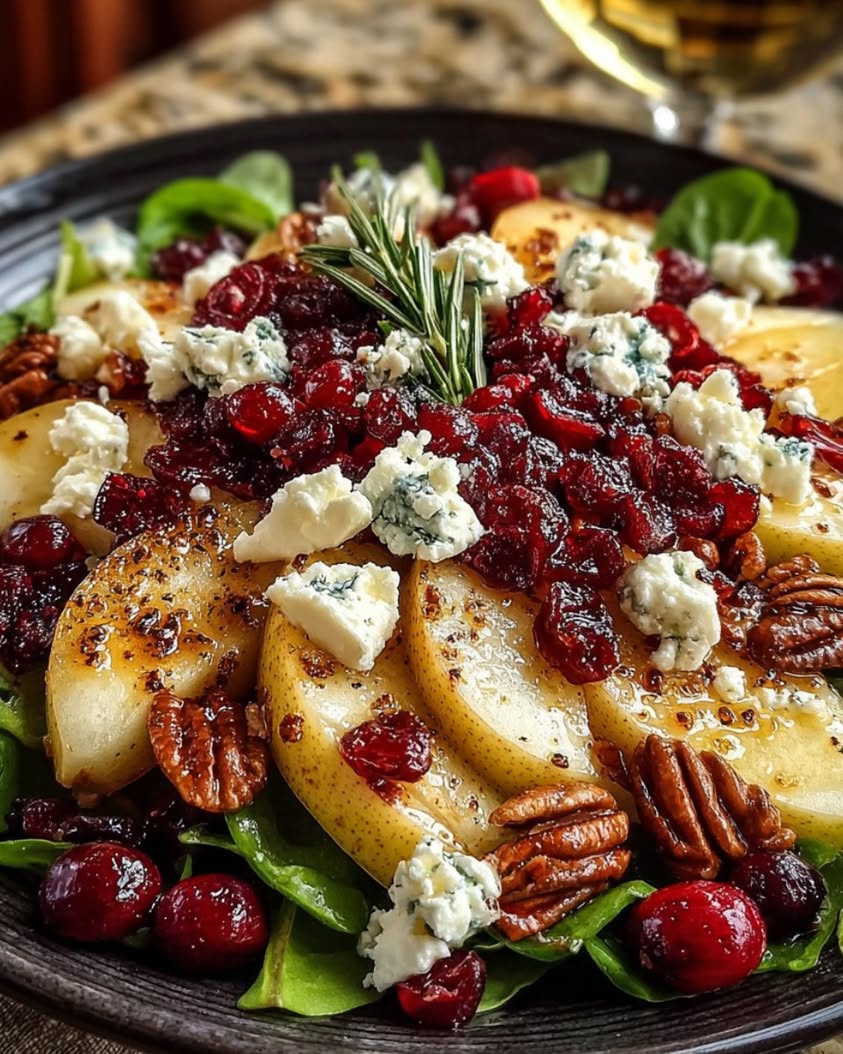
Pear, Apple & Cranberry Christmas Salad with Feta Snowflakes: A Festive Masterpiece
Welcome to the ultimate guide for creating a stunning and delicious holiday side dish. This Festive Pear Apple Cranberry Salad with Feta Snowflakes is more than just a recipe; it is a centerpiece for your Christmas table. Moreover, it brings together the quintessential flavors of the season in a refreshing and beautiful way. Imagine crisp, sweet pears and apples mingling with tart dried cranberries, all tossed in a vibrant maple vinaigrette. Then, picture delicate feta cheese snowflakes scattered on top, adding a creamy, salty contrast. This salad is a symphony of textures and tastes that will impress your guests and become a new family tradition.
Creating this Christmas salad is surprisingly simple, yet the result looks incredibly elegant. The combination of fresh fruit, crunchy nuts, and a homemade dressing is a guaranteed crowd-pleaser. Additionally, this dish offers a welcome break from the heavier, richer foods typically served during the holidays. It is light, bright, and bursting with natural sweetness. Ultimately, this salad is the perfect balance of health and indulgence, making it a versatile addition to any festive menu. Let us dive into the details of how to make this unforgettable holiday salad.
Quick Recipe Highlights
- Flavor Profile: This salad delivers a perfect harmony of sweet and savory notes. The natural sweetness of ripe pear and apple beautifully balances the tangy pop of dried cranberries. Meanwhile, the salty, creamy feta cheese and the rich maple dressing tie all the elements together.
- Texture: Every bite offers a delightful crunch from the fresh apples and toasted pecans. Conversely, the juicy pears and soft greens provide a lovely contrast. The feta snowflakes melt slightly on contact, adding a final creamy layer.
- Aroma: The salad fills the air with the fresh, crisp scent of just-cut apples and pears. Toasted pecans add a warm, nutty fragrance, while the maple vinaigrette introduces a sweet, autumnal aroma that is simply irresistible.
- Visual Appeal: This dish is a feast for the eyes with its vibrant red cranberries, green leafy base, and white feta snowflakes. The presentation is elegant and festive, making it a stunning centerpiece for any holiday table.
- Skill Level Needed: This is a beginner-friendly recipe requiring no cooking. Essentially, you only need basic knife skills for slicing fruit and a simple whisk for the dressing. The feta snowflakes are an easy, fun touch that anyone can master.
- Special Equipment: No special tools are required beyond a good chef’s knife and a mixing bowl. However, a small cookie cutter or a sharp paring knife is helpful for creating the feta snowflake shapes, elevating the presentation effortlessly.
Recipe Overview
- Difficulty Level: We rate this recipe as “Easy” because it involves no heat application or complex techniques. All steps are straightforward, like washing, chopping, and whisking. The most intricate part, crafting the feta snowflakes, is optional and purely for decorative fun. Consequently, even novice cooks can achieve a spectacular result with minimal effort.
- Category: This dish falls perfectly into the categories of Salads, Side Dishes, and Holiday Recipes. It is an ideal starter or accompaniment to a main holiday meal. Furthermore, it can easily be bulked up with protein like grilled chicken to become a satisfying main course.
- Cuisine: While not tied to one specific tradition, this salad draws inspiration from modern American holiday cuisine and farm-to-table principles. It utilizes classic winter produce available in North America, presented in a fresh, contemporary style that celebrates seasonal ingredients.
- Cost: This is a moderately priced dish, largely dependent on the cost of fresh pears, apples, and pecans. Using pre-crumbled feta and bagged greens can reduce cost and time. Overall, it provides excellent value, creating an impressive dish for a special occasion without breaking the bank.
- Season: This recipe is designed for peak enjoyment in the late fall and winter months. Specifically, it shines during the Christmas season when pears and apples are at their best. The ingredients and colors evoke the feeling of a winter wonderland, making it seasonally perfect.
- Occasion: It is tailor-made for Christmas dinner, Thanksgiving, and any festive winter gathering like potlucks or parties. Additionally, it makes a beautiful and special side for a cozy weekend meal, bringing holiday cheer to any table.
Why You’ll Love This Recipe
First and foremost, the taste and texture of this Festive Pear Apple Cranberry Salad are utterly captivating. Each forkful is a journey through sweet, tart, salty, and crunchy sensations. The maple vinaigrette enhances the natural fruit flavors without overpowering them. Meanwhile, the feta cheese provides a creamy, briny counterpoint that keeps your palate interested. This combination is so moreish that you will find yourself going back for seconds, even after a big holiday meal. It is a salad that delights all the senses and leaves a lasting impression of freshness and balance.
From a practical standpoint, the convenience of this recipe is a major win. Since there is no cooking involved, you can assemble it quickly while other dishes are in the oven. The components can also be prepped ahead of time, making last-minute assembly a breeze. This is a huge advantage during the hectic holiday season when kitchen time is precious. Furthermore, it requires minimal cleanup, using just a few bowls and utensils. Essentially, you get maximum festive impact with minimal kitchen stress, which is a recipe for success in any busy home.
Nutritionally, this Christmas salad is a powerhouse of vitamins, fiber, and antioxidants. Pears and apples provide essential dietary fiber and vitamin C, supporting digestion and immunity. Cranberries are famous for their antioxidant properties and benefits for urinary tract health. The leafy greens form a nutrient-dense base, while pecans offer healthy fats and protein. Choosing this salad means you are offering your guests a dish that is as good for their bodies as it is for their taste buds. It is a guilt-free way to indulge in the flavors of the season.
For entertaining, this salad offers incredible social value. Its stunning visual appeal makes it a natural conversation starter at any holiday table. Guests are always impressed by the thoughtful details, like the feta snowflakes. It also caters to a variety of preferences, as it can be easily adapted for different dietary needs, which we will cover later. Serving a beautiful, homemade dish shows care and effort, making your guests feel special. This salad helps create those warm, memorable moments that define the holiday season.
Finally, this dish is remarkably cost-effective and accessible. The ingredients are common and can be found at any grocery store, often year-round. You do not need expensive or exotic items to create something spectacular. If you need to save money, you can substitute walnuts for pecans or use a less expensive cheese. The recipe is forgiving and flexible. Ultimately, it proves that you do not need a big budget to create a show-stopping, delicious centerpiece for your holiday feast.
Historical Background and Cultural Significance
The tradition of incorporating fruit into salads, especially during winter celebrations, has deep roots in European and North American culinary history. Before modern transportation, people relied on stored or preserved fruits like apples and dried berries to add sweetness and nutrition to their winter diets. The combination of fruit with cheese and nuts can be traced back to ancient Roman cuisine, where sweet and savory pairings were common. Over centuries, this concept evolved through medieval feasts and Renaissance banquets, where elaborate salads showcased the best seasonal produce. The modern “festive fruit salad” is a direct descendant of these historical practices, updated with contemporary ingredients and presentation.
In North America, the Christmas salad has become a cultural staple, reflecting the bounty of the harvest and the desire for lighter fare amidst heavy holiday meals. The use of cranberries is particularly significant, as they are one of the few fruits native to the continent that are harvested in the late fall. Native Americans used cranberries for food, dye, and medicine long before the first Thanksgiving. Incorporating them into a Christmas dish connects the recipe to a deeper American culinary heritage. Similarly, apples and pears, brought by European settlers, have become symbols of autumn abundance and are central to holiday baking and cooking, making their inclusion in a salad feel both traditional and natural.
The evolution of this specific recipe mirrors broader food trends toward freshness, presentation, and balanced eating. A few decades ago, holiday salads were often heavier, featuring mayonnaise-based dressings and canned fruit. The contemporary shift celebrates raw, fresh ingredients and homemade vinaigrettes. The “Feta Snowflakes” idea is a modern, playful twist that highlights the importance of visual appeal in the age of social media and food photography. This evolution shows how traditional concepts are constantly being reinvented to suit new tastes, aesthetics, and nutritional understandings, while still honoring their seasonal and celebratory origins.
Regional variations of this festive salad abound, showcasing local ingredients and traditions. In the Pacific Northwest, you might find hazelnuts instead of pecans. In Wisconsin, a sharp cheddar might stand in for the feta. Some families add segmented oranges or pomegranate arils for extra color and zest. A Southern version could include a spoonful of bourbon in the dressing. These adaptations make the recipe a living tradition, one that families personalize and make their own. This versatility is a key to its enduring popularity, allowing it to fit seamlessly into diverse holiday menus across the country and around the world.
Ingredient Deep Dive
Pears: Pears have been cultivated for thousands of years, originating in Asia and later spreading through Europe and the Americas. They symbolize immortality and prosperity in Chinese culture and were sacred to Greek and Roman goddesses. Nutritionally, they are an excellent source of dietary fiber, particularly soluble fiber which aids heart health and digestion. They also provide vitamin C and potassium. For this salad, choose firm but ripe Bartlett or Anjou pears that yield slightly to pressure at the stem. Avoid overly soft pears, as they will become mushy. Store unripe pears at room temperature and refrigerate ripe ones. For a substitution, try firm Bosc pears or even sweet, crisp peaches in a non-winter variation.
Apples: Apples hold a mythic place in many cultures, from the biblical story of Eden to Norse mythology. They represent knowledge, immortality, and temptation. Today, they are one of the most widely cultivated fruits globally. Apples are rich in quercetin, a flavonoid with antioxidant and anti-inflammatory properties, and are a great source of both fiber and vitamin C. For the best texture and flavor in this salad, use a crisp, sweet-tart variety like Honeycrisp, Pink Lady, or Fuji. Their firmness holds up against the dressing. Store apples in the refrigerator to maintain crispness. If you need a substitute, firm Asian pears offer a similar crunch and mild sweetness.
Dried Cranberries: Unlike fresh cranberries, which are intensely tart, dried cranberries are sweetened, making them a palatable and portable snack. Their production is a modern innovation, allowing the unique flavor of cranberries to be enjoyed year-round. They retain some of the antioxidants, specifically proanthocyanidins, found in fresh cranberries, which are known for supporting urinary tract health. When selecting them, look for brands with no added artificial colors or excessive sugar. For storage, keep them in a cool, dry pantry. As a substitute, dried cherries or chopped dried apricots can provide a similar chewy, sweet-tart element, though the color and flavor profile will shift slightly.
Feta Cheese: Feta is a brined curd cheese with a history dating back to ancient Greece. It is traditionally made from sheep’s milk or a mixture of sheep and goat’s milk, giving it a tangy, salty, and slightly acidic flavor. It is a good source of calcium and protein. For the “snowflakes,” you need a block of feta that is firm enough to cut, not pre-crumbled cheese. Authentic Greek feta in brine is ideal. Store leftover feta submerged in its brine in the refrigerator. If you cannot find a block, other firm, sliceable cheeses like halloumi or even a mild goat cheese log can be used, though the flavor will be different.
Maple Syrup: Maple syrup is a uniquely North American product, first made by Indigenous peoples of the Northeast. The process of tapping maple trees and boiling the sap is a celebrated spring tradition. It is a natural sweetener containing minerals like manganese and zinc, and it has a lower glycemic index than refined sugar. For the best flavor in your vinaigrette, use pure maple syrup, not “pancake syrup” which contains artificial flavors and corn syrup. Grade A Amber Color and Rich Taste is perfect for dressings. Store it in the pantry after opening. As a substitute, honey or agave nectar can work, but they will impart their own distinct flavors.
Common Mistakes to Avoid
- Using Overripe or Mushy Fruit: This is the top mistake that ruins the salad’s texture. Overripe pears and apples will turn brown quickly and become unpleasantly soft when tossed. Always select fruit that is firm yet yields slightly to gentle pressure. Test the fruit near the stem for the best indication of ripeness.
- Not Toasting the Nuts: Skipping the toasting step for pecans results in a raw, bland flavor and less crunch. Toasting unlocks the nuts’ natural oils and deepens their taste dramatically. Simply toast them in a dry skillet over medium heat for 3-5 minutes, shaking often, until fragrant.
- Dressing the Salad Too Early: Adding the maple vinaigrette hours before serving will cause the greens to wilt and the fruit to oxidize and bleed color. The salad becomes soggy and unappealing. Always dress the salad just moments before you plan to serve it to maintain maximum freshness and crispness.
- Using Pre-Crumbled Feta for Snowflakes: Pre-crumbled feta is too dry and granular to hold a shape. You must start with a solid block of feta stored in brine. This type is moist and firm enough to be sliced and cut with a cookie cutter without falling apart.
- Neglecting to Balance the Dressing: A good vinaigrette needs a balance of fat, acid, and sweet. If your dressing is too oily or too sharp, the salad will taste off. Always taste your dressing and adjust before adding it. If it’s too tart, add a bit more maple syrup; if it’s too sweet, add a splash more vinegar.
- Chopping Ingredients Inconsistently: Haphazard chopping leads to an uneven eating experience. Aim for uniform, bite-sized pieces of pear and apple. Similarly, chop the pecans so they are small enough to distribute well but large enough to provide a satisfying crunch in every bite.
- Skipping the Lemon Juice on Cut Fruit: Apples and pears brown rapidly when exposed to air due to oxidation. Tossing the sliced fruit with a little lemon juice from the dressing recipe immediately after cutting creates a protective acidic barrier, keeping them looking fresh and bright for much longer.
- Overcomplicating the Greens: While mixed greens are fine, using a delicate green like butter lettuce or spring mix can wilt instantly under the weight of the fruit and dressing. Sturdier greens like romaine hearts, kale (massaged), or even shredded Brussels sprouts provide a better base that holds up.
Essential Techniques
Creating Feta Snowflakes: This technique is crucial for the festive presentation. First, ensure your block of feta is cold and firm; pat it dry with a paper towel. Use a small, clean snowflake-shaped cookie cutter (or a sharp paring knife to freehand a simple shape). Press the cutter firmly and cleanly through the feta. If it sticks, dip the cutter in water first. Gently push the shaped snowflake out. If it breaks, simply press the feta back together and re-cut. The key is firm, confident pressure and a very sharp tool. These little details elevate the salad from ordinary to extraordinary.
Toasting Nuts: Toasting is a non-negotiable step for maximizing flavor. Place raw pecan halves in a single layer in a dry skillet over medium heat. Do not add oil. Cook for 3-5 minutes, shaking the pan or stirring frequently. Watch them closely, as they can burn in seconds. You will know they are done when they become fragrant and slightly darker in color. Immediately transfer them to a plate to stop the cooking process. This technique works for any nut and should be done just before assembling the salad for the best texture.
Emulsifying a Vinaigrette: A stable, well-emulsified dressing coats ingredients evenly instead of separating into a pool of oil. The classic technique is to combine the acid (vinegar, lemon juice) and flavorings (mustard, maple syrup, salt, pepper) first. Then, whisk vigorously while slowly drizzling in the oil in a thin, steady stream. This slow incorporation allows the oil to break into tiny droplets suspended in the acid, creating a temporary emulsion. For an even easier method, combine all ingredients in a small jar with a tight lid and shake vigorously for 30 seconds.
Preventing Fruit Oxidation: Browning fruit is the enemy of a beautiful salad. The technique to prevent it is acidulation. As soon as you slice your apples and pears, immediately toss them in a bowl with the lemon juice called for in the dressing recipe. The ascorbic acid (vitamin C) in the lemon juice acts as an antioxidant, slowing the enzymatic browning process. This simple step keeps your fruit looking freshly cut and appetizing for hours, which is especially important if you are prepping components ahead of time.
Pro Tips for Perfect Pear, Apple & Cranberry Christmas Salad
Chill Your Plates or Serving Bowl: For an extra-refreshing experience, place your salad bowl or serving plates in the refrigerator for 20-30 minutes before assembling. A cold surface helps keep the salad crisp and vibrant from the first bite to the last, especially in a warm dining room.
Massage Sturdy Greens: If you choose to use kale as your base, give it a quick massage. After chopping, drizzle the leaves with a tiny bit of the dressing or olive oil and use your hands to rub them for a minute. This breaks down the tough fibers, making the kale tender, sweeter, and more enjoyable to eat.
Use a Mandoline for Consistent Slices: For perfectly uniform, thin slices of apple and pear that look professional, use a mandoline slicer. Just remember to use the guard for safety. Consistent slices not only look better but also ensure each bite has the same perfect texture and flavor balance.
Toast Nuts with a Pinch of Salt: When toasting your pecans, add a very small pinch of sea salt to the dry skillet. The salt will adhere to the warm nuts, enhancing their natural flavor and making them even more addictive. This tiny step adds a layer of seasoned complexity.
Make a Double Batch of Dressing: The maple vinaigrette is so delicious you will want to use it on other salads. Make extra and store it in a jar in the refrigerator for up to a week. It is perfect for drizzling over roasted vegetables or a simple green salad.
Add the Feta Snowflakes Last: Place the feta snowflakes on top of the assembled salad just before serving. If you toss them in, they will break apart and lose their shape. Arranging them on top as a final garnish ensures they remain intact and visible, creating that beautiful “snowfall” effect.
Prep a “Salad Station”: For easy assembly during a busy meal, prep all your components ahead of time. Store dressed fruit, toasted nuts, and crumbled cheese in separate containers in the fridge. When ready to serve, simply layer everything in your chilled bowl, drizzle with dressing, and garnish.
Variations and Adaptations
Regional Variations: Across different regions, local ingredients can personalize this salad. In the South, substitute pecans with toasted Georgia peanuts and add a pinch of cayenne to the dressing for heat. A Pacific Northwest version might use hazelnuts and a blackberry-infused vinegar. In New England, adding a handful of fresh, raw cranberries (chopped) alongside the dried ones provides an intense tart burst. These regional twists connect the dish to local terroir and make it uniquely yours.
Seasonal Adaptations: While perfect for winter, this salad adapts beautifully year-round. For a spring version, use strawberries and sliced almonds with a champagne vinaigrette. In summer, try peaches, blueberries, and goat cheese with a basil-infused dressing. An autumn twist could feature roasted butternut squash cubes, pomegranate arils, and pumpkin seeds. The core formula of fruit + cheese + nut + green + vinaigrette is endlessly versatile across all seasons.
Dietary Modifications: For a vegan salad, omit the feta or use a firm vegan cheese alternative for the snowflakes, and ensure your maple syrup is vegan-certified. For a nut-free version, replace pecans with roasted pumpkin seeds (pepitas) or sunflower seeds. To make it gluten-free, simply verify that all packaged ingredients like dried cranberries are certified GF, which they typically are.
Flavor Variations: Experiment with the dressing to change the flavor profile. Add a teaspoon of whole grain mustard for tang, a minced shallot for pungency, or a pinch of cinnamon for warm spice. For the cheese, try shaved Manchego for a nutty note or creamy blue cheese crumbles for a stronger flavor. Swapping the maple syrup for orange blossom honey creates a floral, Mediterranean-inspired dish.
Texture Modifications: To add more crunch, include thinly sliced fennel or radish. For extra creaminess, add slices of ripe avocado or small balls of fresh mozzarella (bocconcini). If you prefer a softer, grain-based salad, serve the entire mixture over a bed of cooked and cooled farro or quinoa to make it more substantial and hearty.
Presentation Alternatives: Instead of a large bowl, create individual salad portions on each guest’s plate for an elegant plated starter. You can also serve it deconstructed on a large board as part of a holiday grazing table. For a truly stunning centerpiece, arrange the ingredients in concentric circles on a wide platter, with the feta snowflakes artfully scattered in the center.
Serving and Presentation Guide
Plating Techniques: For the most impact, use a wide, shallow bowl or a large white platter that contrasts with the salad’s vibrant colors. Start with a base of greens, then artfully arrange the pear and apple slices in overlapping layers or casual piles. Scatter the cranberries and pecans evenly, ensuring they are visible. Finally, drizzle the dressing in a zigzag pattern over the top and place the feta snowflakes strategically. This layered approach looks abundant and intentional.
Garnishing Ideas: Beyond the feta snowflakes, consider additional garnishes for extra flair. Fresh pomegranate arils add jewel-like color and a juicy pop. A few fresh rosemary or thyme sprigs introduce an aromatic, festive herb note. A light dusting of freshly cracked black pepper or flaky sea salt just before serving heightens all the flavors. Edible flowers, though not traditional, can make the dish exceptionally beautiful for a special occasion.
Traditional Accompaniments: This salad pairs classically with traditional holiday mains. It is the perfect bright counterpoint to rich, savory dishes like herb-roasted turkey, honey-glazed ham, or prime rib. It also complements sides like creamy mashed potatoes, savory stuffing, and buttery dinner rolls by cutting through their richness with its acidity and freshness.
Modern Serving Suggestions: For a modern twist, serve it as a starter in small portions on black slate plates. Alternatively, turn it into a main course by topping it with sliced grilled chicken, seared scallops, or flaked smoked salmon. You can also serve it alongside a festive soup, like butternut squash or creamy mushroom, for a lighter holiday lunch.
Temperature Considerations: All components should be cold. Chill the chopped fruit (after lemon juice treatment), the dressing, and even the serving bowl. The only exception is the toasted pecans, which should be cooled to room temperature. A uniformly cold salad is incredibly refreshing and helps the flavors stand out more clearly against warm holiday dishes.
Portion Control Tips: This recipe yields about six generous side-dish servings. For a larger crowd, you can easily double it. If serving as part of an extensive buffet with many other sides, you can stretch it to 8-10 smaller servings. As a guide, plan for about 1.5 to 2 cups of salad per person when it is a side, and 3-4 cups if it is a main course.
Wine and Beverage Pairing
Wine Pairings: The sweet and savory elements in this salad call for wines with good acidity and some fruitiness. A classic pairing is a Riesling, particularly an off-dry (Kabinett) style from Germany or Alsace. Its bright acidity cuts through the richness, and its slight sweetness mirrors the maple and fruit. A New World Pinot Noir with red fruit notes and low tannins is another excellent choice, complementing the cranberries and earthiness of the nuts. For a white option, a Sauvignon Blanc with its grassy, citrusy notes provides a refreshing contrast.
Non-Alcoholic Alternatives: Sparkling apple cider is a festive and perfect match, echoing the apple in the salad. A cranberry spritzer made with unsweetened cranberry juice, club soda, and a squeeze of lime is both thematic and refreshing. For a warmer option, a lightly sweetened ginger tea or a mulled cranberry punch complements the wintery spices and fruit flavors beautifully without any alcohol.
Coffee and Tea Pairings: After a meal featuring this salad, a medium-roast coffee with low acidity and notes of nut or caramel would be a pleasant finish. For tea, consider a white tea with hints of apricot or a spiced chai. The gentle flavors of these hot beverages won’t overpower the lingering fresh taste of the salad and can ease the transition to dessert.
Temperature Considerations: Serve white wines and sparkling ciders well-chilled, between 45-50°F. Red wines like Pinot Noir should be served slightly cooler than room temperature, around 55°F, to keep them fresh-tasting. Non-alcoholic spritzers should be ice-cold, while teas and coffees should be served piping hot to provide a comforting contrast to the cool salad.
Serving Suggestions: Offer a choice of beverages to cater to all guests. You could set up a small beverage station with a bottle of Riesling, a carafe of sparkling cider, and a pitcher of water infused with lemon and cranberries. Clearly labeling options helps guests serve themselves and pairs the drink experience seamlessly with the meal.
Storage and Shelf Life
Storage Methods: This salad is best enjoyed immediately. However, if you have leftovers, store them with great care. Place any undressed salad in the largest airtight container possible to minimize crushing. Store the dressing separately in a small jar. The dressed salad will become soggy within an hour, so keeping components apart is the key to salvaging leftovers.
Temperature Requirements: All components must be refrigerated. The cut fruit (tossed with lemon juice), toasted nuts, and feta snowflakes should each be in their own containers. The greens should be stored in a bag or container with a dry paper towel to absorb excess moisture. The refrigerator should be set at 40°F or below for food safety.
Container Recommendations: Use glass or BPA-free plastic containers with tight-fitting lids. For the greens, a salad spinner insert stored in the fridge is ideal. For the dressing, a small mason jar is perfect for shaking and pouring. Storing the feta snowflakes in a single layer on parchment paper in a flat container will prevent them from sticking together.
Signs of Spoilage: Discard the salad if the greens become slimy, wilted beyond recognition, or develop an off odor. If the cut fruit shows excessive browning or a fermented smell, it is no longer good. Mold on any component, especially cheese or nuts, means it must be thrown away immediately. Always follow the “when in doubt, throw it out” rule.
Reheating Instructions: This is a cold salad and should not be reheated. If you have added a grain like farro, you could theoretically warm that component separately, but the fresh fruit and greens should always remain cold. The integrity of the dish depends on the contrast of cool, crisp textures.
Freezing Guidelines: Freezing is not recommended for this salad. The high water content in the lettuce, pears, and apples will cause them to become mushy and watery when thawed. The vinaigrette may separate. The only component you could potentially freeze is the toasted pecans in a freezer bag for up to 3 months to retain freshness.
Make Ahead Strategies
Prep Timeline: You can prep almost every component 1-2 days in advance. Day 1: Toast the pecans and let them cool completely before storing at room temperature. Make the maple vinaigrette and refrigerate it. Day of (up to 4 hours ahead): Wash and dry greens; store in fridge with a paper towel. Slice apples and pears; toss immediately with lemon juice and store in an airtight container in the fridge. Cut the feta snowflakes and keep them on parchment paper in the fridge.
Storage Between Steps: Keep each prepped component in its own dedicated container. This modular approach prevents cross-contamination of flavors and textures and allows you to identify and replace any element that spoils. It also makes the final assembly incredibly fast and stress-free, as everything is pre-measured and ready to go.
Quality Impact Assessment: Pre-toasting nuts has no negative impact; it actually improves flavor. The vinaigrette may separate when chilled, so simply shake or whisk it vigorously before using. Fruit sliced and treated with lemon juice will hold well for 4-6 hours with minimal browning. The feta snowflakes may dry out slightly on the edges but will still taste fine. Greens can wilt if stored poorly, so ensure they are very dry.
Assembly Tips: When ready to serve, take all components from the fridge. In your chilled serving bowl, layer the greens first. Give the dressed fruit a quick stir, then arrange it over the greens. Scatter cranberries and pecans. Shake the dressing until emulsified, then drizzle over the top. Finally, place the cold feta snowflakes on the very top as the grand finale.
Reheating Guidelines: As a cold salad, no reheating is needed or advised. If you pre-chilled your serving bowl, you might need to let it sit out for just a minute to prevent condensation from forming on the outside, but the contents should remain cold.
Fresh Element Additions: The only thing you should not prep too far ahead is tossing the dressing with the greens and fruit. That step must be done at the last minute. Also, if using a delicate herb like mint as garnish, chop and add it right before serving to prevent wilting and browning.
Scaling Instructions
Halving the Recipe: To serve 2-3 people, simply divide all ingredient quantities by two. Use a smaller skillet for toasting the reduced amount of pecans, as they need space to toast evenly. The dressing can be halved easily in a small jar. The only tricky part is the feta snowflake—you will have leftover feta block, which you can crumble over the top instead of making many snowflakes, or use a smaller cutter.
Doubling or Tripling: For a large party, doubling or tripling is straightforward. Multiply all ingredients accordingly. Toast the nuts in batches to avoid steaming; do not overcrowd the pan. Make the dressing in a large liquid measuring cup for easy pouring, or blend it in batches. For assembly, consider using two large bowls or a massive serving platter. You may need to buy multiple blocks of feta for enough snowflakes, or use a mix of snowflakes and crumbles for garnish.
Equipment Adjustments: Scaling up requires larger equipment. Use your biggest mixing bowls for tossing. A baking sheet can be used to toast large batches of nuts in a single layer in the oven at 350°F for 8-10 minutes, shaking halfway. For very large batches, an immersion blender or regular blender is excellent for emulsifying a big quantity of dressing quickly and smoothly.
Timing Modifications: Prepping a double or triple batch will not double or triple your active prep time. Slicing more fruit takes a bit longer, but tasks like making dressing and toasting nuts take roughly the same amount of time regardless of quantity. The main time increase comes from the assembly, which is still relatively quick. Plan for an extra 10-15 minutes of active time when doubling.
Storage Considerations: When making a large batch, storage becomes more important. You will need multiple containers for the increased volume of prepped components. If not serving all at once, only dress the portion you plan to serve immediately. Keep the remaining undressed components separate to maintain quality for potential leftovers or a second serving.
Nutritional Deep Dive
Macro Breakdown: A serving of this salad provides a balanced mix of macronutrients. The{“success”:true,”message”:”Recipe created successfully”,”post_id”:7595,”tasty_recipe_id”:7595,”shortcode”:” Print
Pear, Apple & Cranberry Christmas Salad with Feta Snowflakes
Description
A festive holiday salad featuring crisp pears, apples, and dried cranberries, topped with delicate feta snowflakes and a tangy vinaigrette.
Ingredients
For the Crust:
- 2 ripe pears, thinly sliced
- 1 apple, thinly sliced
- 1/2 cup dried cranberries
- 1/4 cup chopped walnuts
- 4 cups mixed greens (e.g., arugula, spinach)
- 4 oz feta cheese, cut into snowflake shapes
- 1/4 cup olive oil
- 2 tbsp apple cider vinegar
- 1 tbsp honey
- 1 tsp Dijon mustard
- Salt and pepper to taste
Instructions
1. Prepare the Crust:
- In a large bowl, combine the mixed greens, sliced pears, sliced apple, dried cranberries, and chopped walnuts.
- In a small bowl, whisk together the olive oil, apple cider vinegar, honey, Dijon mustard, salt, and pepper until emulsified.
- Drizzle the vinaigrette over the salad and toss gently to coat.
- Arrange the salad on plates or a serving platter and top with the feta snowflakes.
- Serve immediately and enjoy as a refreshing holiday side dish.
Notes
You can customize the seasonings to taste.

I’m Billy, a classically trained culinary school graduate from The Culinary Institute of America with over 12 years in the restaurant industry and over 19 years of cooking experience.