
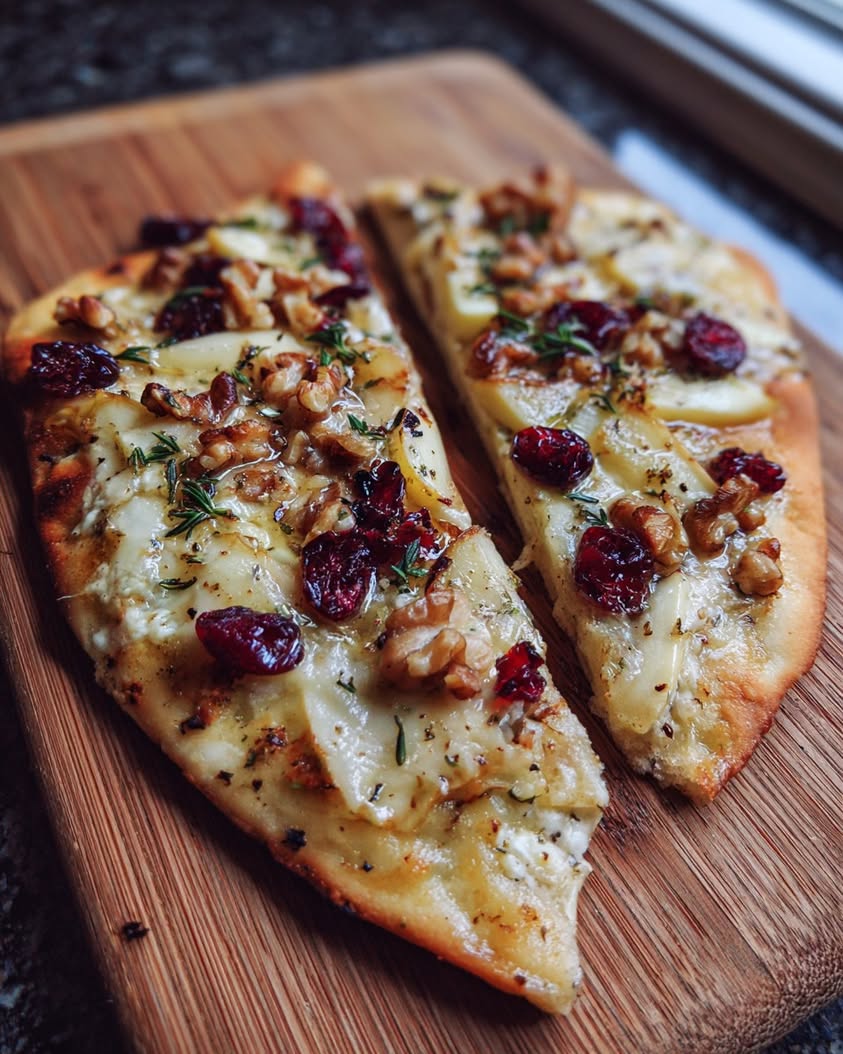
Pear & Blue Cheese Galette with Walnut Crumble: An Elegant Rustic Tart
This savory pear and blue cheese galette with walnut crumble is a stunning centerpiece that masterfully balances sweet, salty, and earthy flavors. Imagine a flaky, buttery crust cradling tender, caramelized pears, all punctuated by pockets of tangy blue cheese and crowned with a crunchy, nutty topping. Ultimately, this free-form tart is a celebration of autumn’s bounty, offering a sophisticated yet approachable dish perfect for any gathering. Furthermore, its rustic beauty means perfection lies in its charming imperfections, making it ideal for home bakers of all levels.
The magic of this pear and blue cheese galette recipe lies in its incredible contrast. Firstly, the gentle sweetness of ripe pears softens the bold, pungent notes of the cheese. Meanwhile, the walnut crumble adds a necessary textural counterpoint to the soft fruit and creamy filling. Consequently, each bite delivers a complex symphony of flavors and sensations. This dish is incredibly versatile, serving beautifully as a vegetarian main course, an impressive appetizer, or even a unique side dish alongside a holiday roast.
Creating this galette is a joyful process. Essentially, you start with a simple pastry dough, roll it out, and artfully arrange the filling. The free-form nature is forgiving; you simply fold the edges over the filling, creating a beautifully rustic presentation. After that, a sprinkle of the walnut crumble adds the final touch before baking. The result is a golden-brown, fragrant tart that fills your kitchen with an irresistible aroma. Without a doubt, this pear and blue cheese galette will become a cherished recipe in your repertoire.
Quick Recipe Highlights
- Flavor Profile: This savory pear and blue cheese galette offers a masterful balance. The natural sweetness of ripe pears beautifully contrasts the sharp, salty tang of quality blue cheese. Finally, the savory walnut crumble ties everything together with its toasty, earthy depth.
- Texture: Expect a delightful textural journey. A flaky, crisp pastry crust gives way to soft, juicy pear slices and melty pockets of cheese. Meanwhile, the walnut crumble provides a crucial crunchy element that makes every bite interesting.
- Aroma: As it bakes, the kitchen fills with an intoxicating scent. Warm, baking pastry mingles with the caramelizing sugar of the pears and the nutty fragrance of toasting walnuts. The blue cheese adds a subtle, savory note that completes the aromatic profile.
- Visual Appeal: This galette is a showstopper with rustic charm. The golden-brown, folded crust frames the glistening pears and melted cheese. Subsequently, the toasted walnut crumble scattered across the top adds visual texture and a promise of crunch.
- Skill Level Needed: This is an intermediate-level recipe ideal for bakers with some pastry experience. While the steps are straightforward, success hinges on handling the dough properly and achieving the right balance of flavors. However, the free-form style is forgiving of minor imperfections.
- Special Equipment: You need only basic kitchen tools. A rolling pin is essential for the crust, and a baking sheet lined with parchment paper is your canvas. Additionally, a pastry brush for the egg wash and a small bowl for mixing the crumble are helpful.
Recipe Overview
- Difficulty Level: We rate this pear and blue cheese galette as intermediate. The process involves making a pastry dough, which requires keeping ingredients cold and handling it minimally to ensure flakiness. Additionally, balancing the filling ingredients and executing the free-form fold require a bit of practice and confidence. However, the recipe provides clear guidance for success.
- Category: This dish brilliantly straddles multiple categories. Primarily, it is a savory tart or galette. It functions perfectly as a vegetarian main course, an elegant appetizer sliced into smaller pieces, or a standout side dish for a festive meal. Its versatility is one of its greatest strengths.
- Cuisine: The galette has its roots in French rustic cuisine, where free-form tarts are a tradition. The combination of fruit and cheese, however, speaks to a broader European culinary sensibility. This particular recipe with its walnut crumble topping feels inspired by modern American farm-to-table cooking.
- Cost: This is a moderately priced dish that delivers high-end appeal. The most significant costs are the blue cheese and the nuts. Fortunately, seasonal pears are often affordable. Using a good-quality store-bought pie crust can lower the cost and preparation time if desired.
- Season: This pear and blue cheese galette is quintessential autumn and winter fare. It showcases pears at their peak sweetness and richness. The warm, comforting flavors are ideal for cooler weather. That said, with proper storage, you can make it year-round.
- Occasion: This galette is perfect for many occasions. It elevates a casual weekend dinner, shines on a holiday table like Thanksgiving or Christmas, and impresses at a dinner party. Moreover, it travels well for potlucks, making it a reliable choice for social gatherings.
Why You’ll Love This Recipe
You will adore the sophisticated flavor combination of this savory pear and blue cheese galette. The sweet, mellow pears create a perfect canvas for the bold, tangy blue cheese. Meanwhile, the savory walnut crumble adds a necessary nutty crunch that completes each bite. This balance of sweet, salty, and earthy is complex yet incredibly harmonious. Ultimately, it feels like a restaurant-quality dish made accessible in your own kitchen, offering a gourmet experience without the premium price tag.
The convenience of this pear and blue cheese galette recipe is a major benefit. Unlike a double-crust pie, this free-form tart is forgiving and quick to assemble. You don’t need a special pie dish, just a simple baking sheet. Furthermore, you can prepare components ahead of time; make the dough and crumble in advance, then simply assemble and bake before serving. This makes it an excellent choice for entertaining, as you can minimize last-minute kitchen stress.
Nutritionally, this galette offers some advantages. Pears provide dietary fiber and vitamin C, while walnuts contribute healthy fats, protein, and antioxidants. Using a whole-grain flour in the crust can boost the fiber content even further. While it is a rich dish, serving it as a shared appetizer or alongside a large salad helps with portion control. Consequently, you can enjoy this indulgent-tasting tart as part of a balanced meal.
The social and entertaining value of this dish is immense. A pear and blue cheese galette presented on a board or platter is visually stunning and sparks conversation. It appeals to a wide range of palates, from adventurous foodies to those who appreciate classic comfort food. Serving it encourages sharing and creates a warm, communal dining atmosphere. It’s a guaranteed way to impress guests and make any meal feel special.
Finally, this recipe is cost-effective and accessible. The ingredient list is relatively short, and many items are pantry staples. You can often find affordable, delicious blue cheese varieties at most grocery stores. Seasonal pears are inexpensive, and the walnut crumble uses a modest amount of nuts. Compared to ordering a similar dish at a restaurant, making this galette at home saves money while allowing you to control the quality of every ingredient.
Historical Background and Cultural Significance
The galette, a rustic free-form tart, has humble origins in French country cooking. Historically, it was a practical solution for home cooks without specialized pie pans. Cooks would roll out simple pastry dough on a hearthstone or later a baking sheet, top it with seasonal, often savory fillings, and fold the edges over. This pear and blue cheese galette is a modern iteration of that tradition, using accessible ingredients to create a dish that feels both ancient and contemporary. The simplicity of its form is a direct link to its peasant roots.
Culturally, the combination of fruit and cheese is a cornerstone of European cuisine. From Italy’s pears with pecorino to France’s apples and Camembert, pairing sweet fruit with pungent cheese is a time-honored practice. This pear and blue cheese galette recipe formalizes that pairing within a baked pastry. The addition of a nut crumble topping is a more recent innovation, reflecting a modern desire for added texture and flavor complexity. This dish, therefore, sits at a delicious intersection of old-world tradition and new-world creativity.
The evolution of the galette recipe is a story of adaptation. Originally filled with meats or foraged greens, sweet versions with apples or berries became popular. The savory-sweet bridge, like in this recipe, is a relatively modern development that showcases a more adventurous palate. The use of blue cheese, once considered strong for mainstream tastes, is now celebrated in such dishes, indicating a broader acceptance of bold flavors in home cooking. This galette represents how classic forms evolve to incorporate new ingredient relationships.
Regional variations of the savory galette abound. In Brittany, the galette is often a buckwheat crepe. In other regions, it remains a pastry. A similar Italian concept is the crostata. This particular pear and blue cheese galette with walnut crumble doesn’t hail from one specific region but is inspired by a general French-American culinary dialogue. It takes the free-form spirit of the French galette and incorporates the bold flavor combinations and textural contrasts beloved in modern American cooking, creating a delicious hybrid.
Ingredient Deep Dive
Pears: Pears have been cultivated for thousands of years, originating in Asia and beloved by ancient Greeks and Romans. For this pear and blue cheese galette, choose firm-ripe varieties like Bosc or Anjou, as they hold their shape during baking. They offer fiber, vitamin C, and potassium. Store unripe pears at room temperature and refrigerate once they yield slightly to pressure at the stem. If pears are unavailable, firm apples like Honeycrisp make a fine substitute, though the flavor profile will shift.
Blue Cheese: Blue cheese’s history is rich, with legends of caves and accidental mold creation. Its bold flavor is essential for balancing the pears’ sweetness in this galette. Nutritionally, it provides calcium and protein but is high in sodium and saturated fat, so use it judiciously. Choose a creamy, crumbly variety like Roquefort, Gorgonzola Dolce, or a domestic blue. Store tightly wrapped in the fridge. For a milder taste, try a creamy goat cheese; for a dairy-free version, a cashew-based “blue” style cheese can work.
Walnuts: Walnuts are among the oldest tree foods, revered in Persian and Mediterranean cultures. Toasting them for the crumble in this recipe deepens their earthy flavor and adds crucial crunch. They are a superb source of omega-3 fatty acids, antioxidants, and protein. Purchase walnuts in small quantities and store them in the freezer to prevent rancidity. For a different nutty flavor, pecans or hazelnuts are excellent alternatives in the crumble for your savory pear and blue cheese galette.
Pastry Dough: The foundation of any great galette is a flaky, buttery crust. This typically involves flour, cold butter, salt, and ice water. The key technique is keeping everything cold to prevent the butter from melting before baking, which creates steam pockets and flakiness. For a shortcut, a high-quality store-bought pie crust is acceptable. For a nutritional boost, substitute half the all-purpose flour with whole wheat pastry flour. For a gluten-free galette, use a reliable gluten-free flour blend designed for pastry.
Common Mistakes to Avoid
- Using Overripe Pears: Overly soft pears will turn to mush during baking. Always select firm-ripe pears that will soften perfectly but maintain some structure. Consequently, you’ll get defined slices in your finished pear and blue cheese galette.
- Not Chilling the Dough: Skipping the chill time for the pastry dough is a critical error. Chilling relaxes the gluten and re-solidifies the butter, which is essential for a flaky crust and prevents shrinkage during baking.
- Overworking the Pastry: Handling the dough too much develops gluten, leading to a tough crust. Mix just until the dough comes together, and handle it minimally when rolling. A few visible butter streaks are actually desirable.
- Skimping on the Egg Wash: The egg wash (egg beaten with water or cream) is not just for color. It helps seal the folded edges and creates a beautifully glossy, golden-brown finish on your galette crust.
- Overloading the Filling: Piling on too many pear slices or too much cheese creates a soggy bottom crust and prevents even cooking. Arrange the filling in a single, even layer, leaving a generous border for folding.
- Not Preheating the Baking Sheet: Placing the galette on a preheated baking sheet or pizza stone gives the bottom crust a strong, immediate heat shock. This technique helps ensure a crisp, not soggy, base.
- Cutting the Galette Too Soon: Slicing into the pear and blue cheese galette immediately after baking releases steam and can cause the filling to run. Let it rest for at least 15-20 minutes to allow the juices to set.
- Using Stale Walnuts: Walnuts can go rancid quickly. Always taste your walnuts before using. Rancid nuts will impart a bitter, off flavor that can ruin the delicate balance of the dish.
Essential Techniques
Keeping Ingredients Cold: This is the cardinal rule for flaky pastry. Start with cold butter and ice water. Work quickly so the butter doesn’t melt into the flour. The goal is to create small, discrete pockets of solid fat. During baking, these pockets melt and release steam, which lifts the layers of dough apart. The visual cue for success is a crust with visible, flaky layers and a tender, not tough, bite.
Creating a Free-Form Fold: The rustic fold is what defines a galette. After rolling the dough into a rough circle, arrange the filling in the center, leaving a 2-inch border. Then, gently lift the edges of the dough and fold them over the filling, pleating as you go. This doesn’t need to be perfect; uneven folds add charm. The technique contains the filling while allowing the beautiful, rustic shape to emerge naturally.
Balancing Sweet and Savory: Achieving the right flavor balance in a savory pear and blue cheese galette is crucial. Taste your blue cheese first; if it’s very sharp, use a slightly lighter hand. Conversely, if your pears are less sweet, a tiny drizzle of honey on them before adding the cheese can help. The goal is a harmonious blend where neither element overpowers the other, but rather they enhance each other in every bite.
Pro Tips for Perfect Pear & Blue Cheese Galette
First, freeze your butter and then grate it into the flour using a box grater. This creates perfect, small butter pieces that distribute evenly and melt into ideal steam pockets for maximum flakiness in your crust.
Second, toss your pear slices with a teaspoon of cornstarch before assembling. This minor step helps absorb excess juices released during baking, preventing a soggy bottom crust in your finished galette.
Third, for the most beautiful golden color, use an egg wash made with one egg yolk and a tablespoon of cream. Brush it lightly on the folded crust edges just before baking.
Fourth, sprinkle a thin layer of fine breadcrumbs or grated Parmesan cheese over the dough before adding the pears. This creates an extra barrier against moisture and adds a subtle savory note.
Fifth, if your walnut crumble seems too dry to clump, add a few more drops of melted butter. You want it to hold together in small clusters that will bake into delightful crunchy bits.
Sixth, let the baked galette cool on the baking sheet set on a wire rack. This allows air to circulate underneath, further crisping the bottom crust as it cools.
Variations and Adaptations
For regional variations, consider the ingredients around you. A French-inspired version might use Roquefort cheese and add a sprinkle of fresh thyme. An Italian twist could feature Gorgonzola Dolce and a drizzle of balsamic glaze after baking. A Pacific Northwest adaptation might include hazelnuts in the crumble instead of walnuts. These small changes root your pear and blue cheese galette in different culinary traditions while keeping the core concept intact.
Seasonal adaptations are simple. In winter, add very thin slices of sweet-tart apple alongside the pear. In late summer, a few halved figs make a luxurious addition. For a spring version, incorporate a handful of fresh arugula tossed in lemon juice after baking for a peppery contrast. The galette form is a perfect vehicle for whatever produce is at its peak, making this recipe adaptable year-round.
Dietary modifications are straightforward. For a gluten-free pear and blue cheese galette, use a quality 1:1 gluten-free flour blend in the crust. For dairy-free, use a vegan butter substitute and a tangy cashew-based cheese alternative. To make it vegan, also replace the egg wash with plant-based milk or aquafaba. For a nut-free version, substitute the walnut crumble with a seeded crumble made from pumpkin and sunflower seeds.
Flavor variations invite creativity. Add a whisper of warmth with a pinch of cinnamon or nutmeg to the pears. Incorporate caramelized onions beneath the pear layer for incredible depth. Swap the blue cheese for a sharp aged cheddar or a creamy goat cheese for a different personality. Fold a tablespoon of fresh chopped rosemary into the crumble for an aromatic herbal note. Each change creates a new signature dish.
Serving and Presentation Guide
Plating your pear and blue cheese galette starts with the right canvas. Transfer the cooled galette to a large wooden cutting board, slate slab, or simple white platter. This highlights its rustic beauty. For serving, use a sharp chef’s knife or pie server to cut clean wedges. Wipe the knife between cuts for neat presentation. If serving as an appetizer, cut smaller, bite-sized squares or triangles for easy handling.
Garnishing adds the final touch of elegance. A simple scattering of fresh microgreens, watercress, or arugula on top adds color and a fresh peppery note. A light drizzle of high-quality honey or reduced balsamic glaze over each slice accentuates the sweet-savory balance. For a festive touch, sprinkle with edible flowers or a few extra toasted walnut halves just before serving.
Traditional accompaniments keep the focus on the galette. A simple mixed green salad with a bright vinaigrette cuts through the richness. For a heartier meal, serve alongside a bowl of roasted squash soup. If presenting as part of a cheese board, include complementary items like sliced prosciutto, fresh figs, and a few other cheese varieties to create a full tasting experience.
Modern serving suggestions embrace its versatility. Serve it warm or at room temperature as the centerpiece of a brunch spread. Package individual slices for a sophisticated picnic. Crumble leftover galette over a bed of greens for a next-day salad. The key is to match the serving style to the occasion, allowing this beautiful dish to shine in any setting.
Wine and Beverage Pairing
Wine pairings for this savory pear and blue cheese galette should complement its complex profile. A classic choice is a medium-bodied white like an Alsatian Gewürztraminer or Pinot Gris, whose slight sweetness and spice echo the pears and stand up to the cheese. Alternatively, a lighter red with low tannins, such as a Pinot Noir or Beaujolais, works beautifully. The fruitiness of these reds harmonizes with the pears without clashing with the blue cheese’s tang.
For non-alcoholic alternatives, consider drinks with balancing acidity or subtle sweetness. A sparkling apple cider provides festive bubbles and fruit flavor. A ginger beer or spicy ginger ale offers a zingy contrast that cleanses the palate. For a more refined option, a pear-infused sparkling water or a lightly sweetened iced tea with a hint of lemon complements the dish without overwhelming it.
If serving this galette for a brunch or afternoon occasion, coffee and tea pairings are excellent. A medium-roast coffee with nutty or caramel notes mirrors the flavors in the walnut crumble. For tea, a smoky Lapsang Souchong or a malty Assam black tea can stand up to the bold cheese. Ultimately, the goal is to choose a beverage that refreshes the palate between bites of this rich, flavorful tart.
Storage and Shelf Life
Proper storage is key to enjoying leftovers of your pear and blue cheese galette. First, allow the galette to cool completely to room temperature. Then, wrap it tightly in plastic wrap or aluminum foil, or place it in an airtight container. Store it in the refrigerator for up to 3 days. The crust will soften over time, but the flavors will continue to meld and develop.
For reheating, avoid the microwave, which will make the crust soggy. Instead, reheat slices in a preheated 350°F oven or toaster oven for about 10 minutes, or until warmed through and the crust re-crisps. You can also reheat the entire galette on a baking sheet. This method best restores the textural contrasts that make the dish so appealing.
Freezing is possible but with caveats. Freeze the fully baked and cooled galette whole, wrapped tightly in several layers of plastic and foil. Thaw overnight in the refrigerator before reheating as directed above. Note that the pears may become slightly softer upon thawing. The walnut crumble may also lose some crispness, but a quick reheat in the oven will help revive it.
Make Ahead Strategies
You can easily break down this pear and blue cheese galette recipe into make-ahead steps. Prepare the pastry dough up to 2 days in advance. Wrap the disk tightly in plastic and refrigerate. You can also freeze the dough for up to 3 months; thaw overnight in the fridge before using. Similarly, mix the walnut crumble topping and store it in an airtight container in the fridge for up to 5 days.
For the filling, slice the pears and toss them with lemon juice to prevent browning. Store them in a sealed container in the refrigerator for a few hours. However, for the best texture and to avoid excess liquid, it’s ideal to slice the pears just before assembly. The blue cheese can always be crumbled ahead of time and kept chilled.
On the day of serving, simply roll out the chilled dough, assemble with the prepped components, and bake. This staged approach turns what seems like a complex project into a manageable, stress-free process, perfect for dinner parties or holiday meals where kitchen time is limited.
Scaling Instructions
Scaling this pear and blue cheese galette recipe is straightforward. To halve it, simply divide all ingredient quantities by two. Use a smaller baking sheet, and expect a shorter baking time by about 5-10 minutes. The galette will be smaller and serve 2-3 people comfortably as a main, or 4-6 as an appetizer.
To double the recipe, you have two excellent options. You can make one very large galette on a half-sheet pan, though you may need to extend the baking time. Alternatively, and often more successfully, make two separate galettes using the standard recipe amounts. This ensures even cooking and gives you the flexibility to serve one immediately and freeze the other for later. No major equipment adjustments are needed beyond having enough baking sheets.
Nutritional Deep Dive
A serving of this savory pear and blue cheese galette provides a balance of macronutrients. The crust and walnuts contribute carbohydrates and healthy fats, while the cheese and nuts offer protein. Pears add fiber and natural sugars. It is a calorie-dense dish due to the butter, cheese, and nuts, so portion awareness is helpful. Consider it a centerpiece to be balanced with lighter sides like a large green salad.
Micronutrient analysis reveals benefits from the whole ingredients. Pears offer vitamin C and potassium. Blue cheese provides calcium, vitamin B12, and phosphorus. Walnuts are a standout source of alpha-linolenic acid, a plant-based omega-3 fatty acid, and antioxidants like vitamin E. Using whole-grain flour in the crust would further increase the fiber, magnesium, and B-vitamin content.
For weight management, enjoy this galette mindfully. Serve it as a shared appetizer or as part of a meal where it’s complemented by voluminous, low-calorie sides like roasted vegetables or a broth-based soup. Being aware of the rich ingredients allows you to savor a satisfying portion without overindulgence, turning a special dish into part of a balanced eating pattern.
Dietary Adaptations
For a gluten-free pear and blue cheese galette, substitute the all-purpose flour in the crust with a 1:1 gluten-free baking blend that contains xanthan gum. Ensure your oats in the crumble are certified gluten-free. The filling remains naturally gluten-free, making this a simple and effective switch.
Creating a dairy-free version requires substitutions for butter, cheese, and the egg wash. Use a high-quality vegan butter stick for the crust and crumble. For the cheese, seek out a tangy, crumbly vegan cheese alternative, or make a cashew-based “blue cheese” spread. For the wash, use plant-based milk or aquafaba.
A vegan adaptation builds on the dairy-free changes and replaces the egg wash. All other components are plant-based. The key is finding a vegan cheese that melts somewhat and provides the sharp, salty counterpoint to the sweet pears. Nutritional yeast in the crumble can add a cheesy flavor note.
For a lower-carb or keto adaptation, the crust is the main challenge. Use a nut-based crust made from almond or coconut flour. Reduce the amount of pear significantly, using just a few thin slices for flavor. Increase the cheese and walnut content. Sweeten the pears minimally with a keto-friendly sweetener if needed.
Troubleshooting Guide
If your crust is tough, you likely overworked the dough or didn’t keep it cold enough. Next time, handle the dough minimally and ensure your butter and water are very cold. If the bottom is soggy, the oven may not have been hot enough, or the galette was placed on a cold sheet. Always preheat your baking sheet. Also, the cornstarch trick with the pears and the breadcrumb barrier are crucial preventative steps.
If the filling is too runny, the pears may have been too juicy or under-thickened. Ensure pears are firm-ripe, and don’t skip the cornstarch. Let the galette rest fully before cutting. If the blue cheese flavor is overpowering, you may have used a very strong variety or too much. Taste your cheese first and adjust quantity. A creamier, milder blue like Gorgonzola Dolce is often more balanced for this application.
If the walnut crumble burns, it may be too finely ground or contain too much sugar. Ensure your crumble is in pea-sized clumps. If browning too quickly, you can tent the entire galette loosely with foil partway through baking. If the crust shrinks excessively, the dough was overworked or not allowed to rest/chill sufficiently before baking. Always chill the shaped dough for 15-20 minutes before it goes in the oven.
Recipe Success Stories
Community feedback on this pear and blue cheese galette has been overwhelmingly positive. Many home cooks report it becoming their go-to impressive dish for potlucks and holidays. A common success story involves skeptical family members who claim not to like blue cheese being converted after one bite, amazed by how the flavors work together. Others love how it makes them feel like professional bakers with minimal stress.
Readers have shared brilliant variations. One added thinly sliced shallots caramelized in balsamic vinegar beneath the pears. Another used a mix of pears and apples from their orchard. A third sprinkled the finished galette with crispy fried sage leaves. These adaptations show the recipe’s fantastic flexibility and how it inspires creativity in the kitchen, making it a true community favorite.
Photography tips from successful makers highlight natural light. Shooting the galette on a wooden board near a window, perhaps with a slice removed to show the layers, creates stunning images. A drizzle of honey or balsamic reduction and a few artfully scattered walnuts in the foreground add professional polish. These small touches help capture the rustic elegance that makes this dish so photogenic and shareable.
Frequently Asked Questions
Q: Can I use pre-made pie crust?
A: Absolutely. A high-quality store-bought pie crust is a great time-saver. Just roll it out to about a 12-inch circle on parchment paper and proceed with the recipe. The results will still be delicious, making your savory pear and blue cheese galette achievable on a busy schedule.
Q: What’s the best type of pear to use?
A: Firm-ripe Bosc or Anjou pears are ideal. They hold their shape well during baking. Avoid Bartlett pears if they are very soft, as they can become mushy. The key is a pear that is fragrant and yields slightly at the stem but is still firm to the touch.
Q: Can I make this galette ahead of time?
A: You can prepare all components ahead. The dough and crumble can be made 2-3 days in advance. For best texture, assemble and bake the galette the same day you plan to serve it. You can bake it a few hours ahead and reheat it gently before serving.
Q: My crust isn’t browning evenly. Why?
A: Oven hot spots are a common cause. Rotate your baking sheet halfway through the cooking time. Also, ensure your egg wash is applied evenly. If some areas are browning too fast, you can cover them with small pieces of foil while the rest catches up.
Q: Is this served warm or cold?
A: This galette is best served warm or at room temperature. If serving warm, let it rest for 15-20 minutes after baking so the filling sets. Serving it cold straight from the fridge will mute the flavors and make the crust less palatable.
Q: Can I freeze the assembled, unbaked galette?
A> Yes. Assemble the galette on a parchment-lined sheet, freeze it solid, then wrap it tightly. Bake from frozen, adding 10-15 minutes to the baking time. This is a fantastic way to have a gourmet meal ready to go at a moment’s notice.
Q: What can I substitute for blue cheese?
A> For a different profile, try a creamy goat cheese (chèvre) or a sharp aged white cheddar. The dish will be less pungent but still delicious. For a vegan version, a store-bought vegan “feta” or “blue” style cheese can work, though flavors will differ.
Q: How do I prevent a soggy bottom crust?
A> Several tricks help: preheat your baking sheet, use the cornstarch toss for the pears, create a thin breadcrumb barrier on the dough, and ensure your pears are not overly juicy. Also, avoid overloading the filling. These steps together guarantee a crisp base.
Additional Resources
If you loved this savory pear and blue cheese galette, explore other rustic tart recipes. A caramelized onion and goat cheese galette makes a wonderful savory companion. For a sweet option, a classic apple galette with salted caramel is always a hit. These recipes use similar techniques, building your confidence and repertoire in free-form pastry baking.
For technique guides, mastering pie and tart dough is a valuable skill. Look for resources on “blind baking” for custard pies or “laminating” for extra-flaky pastries. Understanding the science of fat, flour, and water will make you a more adaptable and confident baker, able to tackle any pastry recipe that comes your way.
For seasonal variations, visit your local farmers’ market. Ask the growers which apple or pear varieties are best for baking that week. In summer, try a galette with stone fruits and herbs. In spring, asparagus and leeks make a beautiful savory filling. Let the seasons guide your adaptations of this versatile galette template.
{“success”:true,”message”:”Recipe created successfully”,”post_id”:8016,”tasty_recipe_id”:8016,”shortcode”:” Print
Pear & Blue Cheese Galette with Walnut Crumble
Description
A rustic, savory-sweet galette featuring tender pears, tangy blue cheese, and a crunchy walnut crumble, perfect for a fall appetizer or light meal.
Ingredients
For the Crust:
- 1 sheet store-bought puff pastry, thawed
- 2 ripe but firm pears, thinly sliced
- 1/2 cup crumbled blue cheese
- 1/4 cup chopped walnuts
- 2 tablespoons honey
- 1 tablespoon olive oil
- 1 teaspoon fresh thyme leaves
- 1/4 teaspoon black pepper
- 1 egg, beaten (for egg wash)
Instructions
1. Prepare the Crust:
- Preheat oven to 400°F (200°C). Line a baking sheet with parchment paper.
- Roll out puff pastry on the prepared sheet into a rough 12-inch circle. Arrange pear slices in overlapping circles on the pastry, leaving a 2-inch border.
- Sprinkle blue cheese and thyme over the pears. Drizzle with honey and olive oil, then season with black pepper.
- Fold the pastry edges over the filling, pleating as you go. Brush the crust with beaten egg.
- In a small bowl, mix walnuts with any remaining honey or a drizzle of oil, then sprinkle over the galette center.
- Bake for 25-30 minutes until crust is golden and pears are tender. Let cool slightly before serving.
Notes
You can customize the seasonings to taste.

I’m Billy, a classically trained culinary school graduate from The Culinary Institute of America with over 12 years in the restaurant industry and over 19 years of cooking experience.