
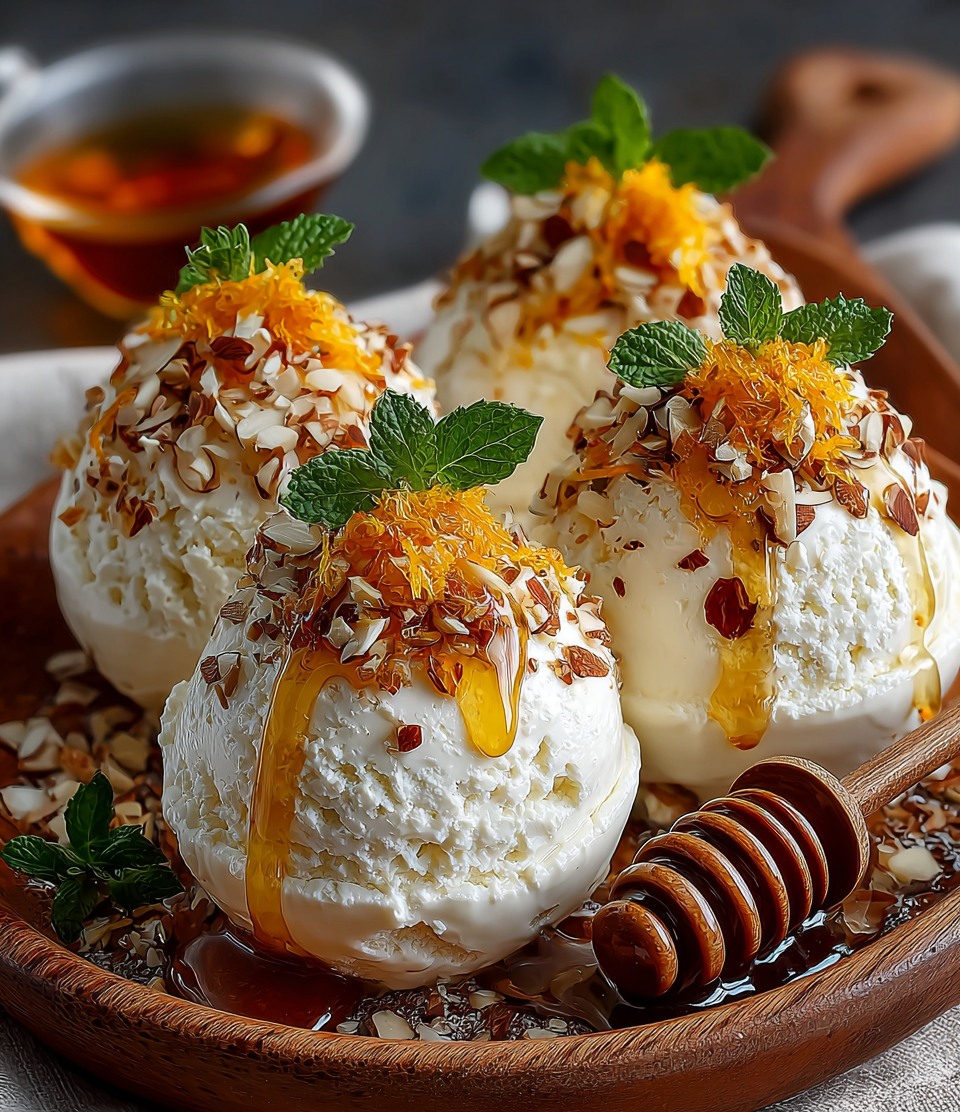
Ricotta-Almond Gelato Bites with Candied Orange Zest: A Creamy, No-Churn Italian Dessert
Imagine a dessert that captures the creamy luxury of gelato without needing an ice cream machine. These Ricotta-Almond Gelato Bites with Candied Orange Zest are exactly that. They are elegant, surprisingly simple, and deliver a sophisticated flavor profile that will impress any guest. Essentially, they are a frozen Italian masterpiece in a single, delightful mouthful.
The magic of these gelato bites lies in their texture and balance. Creamy, whole-milk ricotta provides a lush base, while almond flour introduces a subtle nuttiness and perfect structure. Meanwhile, the candied orange zest offers a vibrant, citrusy pop that cuts through the richness. Consequently, every bite is a harmonious blend of creamy, nutty, and bright. Ultimately, this dessert proves that impressive treats can be wonderfully straightforward.
Furthermore, this recipe is a fantastic make-ahead option for entertaining. You can prepare the bites days in advance, storing them in your freezer until the moment you need a stunning dessert. They are perfect for dinner parties, holiday gatherings, or even as a special treat for yourself. Their individual portion size makes them both elegant and convenient. So, let’s dive into how you can create these exquisite no-churn Ricotta-Almond Gelato Bites.
Quick Recipe Highlights
- Flavor Profile: These bites masterfully balance the mild, milky sweetness of ricotta with the earthy depth of almond. The candied orange zest then introduces a brilliant, aromatic citrus note that elevates the entire experience. Finally, a hint of vanilla ties all the flavors together seamlessly.
- Texture: The texture is luxuriously smooth and creamy, mimicking traditional gelato thanks to the high-fat ricotta. Additionally, the almond flour provides a very slight, pleasant graininess that prevents it from being overly dense. The candied zest, on the other hand, offers a delightful, chewy contrast.
- Aroma: As you prepare these, the kitchen will fill with the warm, comforting scent of toasting almonds and vanilla. Then, the candying process for the orange zest releases incredibly bright, sweet citrus oils into the air. Altogether, the aroma promises a fresh and indulgent dessert.
- Visual Appeal: These petite bites are visually charming with their pale, creamy color studded with specks of vanilla bean and almond. The garnish of glossy, jewel-like candied orange zest on top makes them look professionally crafted. They are perfect for a beautiful dessert platter.
- Skill Level Needed: This is a beginner-friendly recipe that requires no special pastry skills or equipment. The most technical step is candying the orange zest, which is a simple process of simmering. Therefore, even novice cooks can achieve stunning, restaurant-quality results.
- Special Equipment: You only need basic kitchen tools: a mixing bowl, a whisk or hand mixer, a small saucepan, and a silicone mold or mini muffin tin. A hand mixer makes whipping the ricotta mixture easier, but a strong arm and a whisk will also work perfectly.
Recipe Overview
- Difficulty Level: We rate this recipe as “Easy” because it involves simple mixing and a straightforward candying process. There is no complex baking, tempering, or churning required. The steps are sequential and hard to mess up, making it very accessible. Finally, the freezing does all the work of setting the perfect texture.
- Category: This recipe falls squarely into the dessert category, specifically frozen desserts and no-churn ice cream alternatives. It can also be considered a party appetizer or a sweet canapé for upscale events. Moreover, it fits beautifully into a menu of Italian-inspired cuisine.
- Cuisine: The dish is rooted in Italian culinary tradition, drawing directly from the classic use of ricotta in desserts like cannoli and cheesecake. The gelato style is authentically Italian, emphasizing rich, dense creaminess. The almond and orange combination is also a classic Mediterranean flavor pairing.
- Cost: This is a relatively cost-effective dessert to prepare, using primarily pantry staples. Ricotta, almond flour, sugar, and a single orange are the main investments. Compared to store-bought gourmet gelato or dessert bites, making these at home offers significant savings.
- Season: While delicious year-round, these bites are particularly wonderful in the winter and spring. Winter citrus, like navel oranges, is at its peak sweetness and flavor. Conversely, they also serve as a refreshing, cool treat during warmer summer months.
- Occasion: These gelato bites are incredibly versatile for many occasions. They are ideal for holiday parties, bridal or baby showers, and dinner party finales. Additionally, they make a wonderful homemade gift when packaged beautifully in a small box.
Why You’ll Love This Recipe
First and foremost, you will adore the sublime taste and texture of these Ricotta-Almond Gelato Bites. The flavor is sophisticated yet familiar, combining creamy dairy, nutty almond, and bright citrus in every mouthful. Importantly, the texture is incredibly smooth and rich, rivaling that of professionally churned gelato. The contrast between the frozen filling and the chewy candied zest creates a truly engaging eating experience. Ultimately, it’s a dessert that feels indulgent and special without being overly heavy or cloying.
Next, consider the sheer convenience and preparation benefits. Since this is a no-churn recipe, you bypass the need for any special ice cream machinery. The active preparation time is under 30 minutes, after which your freezer handles the rest. This makes it an excellent choice for busy hosts who want to prepare desserts ahead of time. Furthermore, the ingredients are simple and often already in your kitchen. You can easily whip up a batch on a whim for a sudden craving or unexpected guests.
From a nutritional perspective, these bites offer some advantages over traditional ice cream. Ricotta is an excellent source of protein and calcium, providing more substance than just empty calories. Almond flour contributes healthy fats, fiber, and vitamin E. By controlling the sugar content yourself, you can adjust the sweetness to your preference, potentially making it lower than commercial frozen desserts. Of course, it’s still a treat, but one with a slightly better nutritional profile.
The social and entertaining value of this recipe is exceptionally high. Individual portion desserts are always a hit at parties because they are easy to serve and eliminate the mess of slicing. Their elegant appearance suggests you spent hours in the kitchen, when the reality is much simpler. They are perfect conversation starters and allow guests to enjoy a complete, composed dessert without commitment to a large slice. Consequently, they elevate any gathering from casual to chic with minimal effort.
Finally, the cost-effectiveness and accessibility are major wins. Creating a dozen of these gourmet-tasting bites at home costs a fraction of what you’d pay at a boutique bakery or restaurant. The process is accessible to cooks of all skill levels, requiring no professional techniques. Moreover, the recipe is forgiving and allows for numerous variations based on your dietary needs or flavor preferences. In short, it delivers maximum reward for minimal investment of time, money, and skill.
Historical Background and Cultural Significance
The story of these Ricotta-Almond Gelato Bites is deeply intertwined with the history of Italian peasant cuisine and ingenuity. Ricotta, which literally means “recooked,” was created as a way to use the whey leftover from cheese production. This resourceful approach is a hallmark of cucina povera, or “poor cooking,” which transforms humble ingredients into beloved dishes. Desserts like ricotta pie, cassata, and cannoli showcase how this mild cheese became a star in the sweet kitchen. Therefore, using ricotta as the base for a frozen dessert is a natural and traditional progression.
Culturally, gelato holds a place of national pride in Italy, distinct from other frozen desserts. Its history dates back to the Renaissance, with lower butterfat content and denser texture than American ice cream due to a slower churning process. Traditionally, gelato was made fresh daily in small batches, emphasizing quality and natural flavors. The combination of ricotta and almond speaks to regional Italian flavors, particularly from Sicily where citrus and nuts abound. This recipe, in essence, captures the spirit of Italian gelateria in a simple, no-churn format accessible in any home kitchen.
The evolution of this specific recipe reflects modern cooking trends toward simplicity and no-churn methods. As home cooks sought to recreate professional desserts without specialized equipment, recipes leveraging the freezing power of whipped dairy proliferated. The addition of almond flour is a contemporary twist, often used in gluten-free baking, which here provides structure and flavor without crumbs. Candying citrus zest is an ancient preservation method that adds a gourmet, textural element. Thus, the recipe is a beautiful fusion of ancient preservation, traditional Italian ingredients, and modern convenience.
Regional variations of similar concepts exist throughout Italy and the Mediterranean. In Sicily, you might find “gelo di mellone,” a jellied watermelon pudding often topped with pistachios and jasmine flowers. Other regions might fold ricotta into semifreddo, another frozen dessert. The almond and orange combination is classic in many Sicilian pastries, reflecting the island’s abundant crops. This recipe, therefore, is not an authentic historic dish but a modern homage that respectfully combines these iconic elements into a new, convenient form.
Ingredient Deep Dive
Let’s start with whole-milk ricotta, the star of our Ricotta-Almond Gelato Bites. Culturally, ricotta is a pillar of Italian cooking, born from the philosophy of wasting nothing. Nutritionally, it’s a protein powerhouse, offering about 14 grams per half-cup, along with calcium and vitamin A. For the best texture, seek out a high-quality, fresh whole-milk ricotta; avoid the part-skim varieties as they can be grainy and lack richness. Store it in the coldest part of your refrigerator and use it by the date on the container. If you need a substitution, full-fat mascarpone or a well-drained Greek yogurt can work, though the flavor profile will shift.
Next, almond flour is crucial for structure and flavor. Almonds have been cultivated around the Mediterranean for millennia, symbolizing hope and sweetness. They provide healthy monounsaturated fats, vitamin E, magnesium, and fiber. For this recipe, use finely ground almond flour, not almond meal, to ensure the smoothest texture possible. Store almond flour in an airtight container in the refrigerator or freezer to prevent the natural oils from going rancid. As a substitute, you could use an equal weight of finely ground, toasted hazelnuts or pistachios for a different but equally delicious nutty flavor.
The candied orange zest provides the vibrant top note. Citrus cultivation, especially in regions like Sicily, has shaped entire economies and cuisines. Orange zest is rich in antioxidants and fiber, and the candying process preserves its potent aromatic oils. Selecting organic oranges is highly recommended since you are using the peel, which can harbor pesticides. The zest can be candied ahead of time and stored in its syrup in the refrigerator for weeks. For a variation, try candying lemon, grapefruit, or even blood orange zest depending on the season.
Granulated sugar plays multiple roles: it sweetens the ricotta base, aids in freezing to a softer texture, and is the medium for candying the zest. Historically, sugar’s journey to Europe transformed dessert making entirely. In the base, it lowers the freezing point, preventing the bites from becoming a solid ice block. There’s no real substitute for its functional properties here, though you could experiment with a monk fruit-erythritol blend for a sugar-free version, noting the texture may change slightly. Superfine sugar is ideal as it dissolves more readily into the ricotta.
Finally, pure vanilla extract or vanilla bean paste is the flavor bridge. Vanilla’s history is one of intrigue and luxury, originating from Mesoamerica. It adds a warm, floral depth that complements both the dairy and the citrus perfectly. Using a high-quality extract or the seeds from a real vanilla bean makes a significant difference in flavor complexity. Store vanilla extract in a cool, dark place. There is no true substitute for its unique flavor, though a tiny drop of almond extract could complement the nut flour, but use it sparingly as it is potent.
Common Mistakes to Avoid
- Using Low-Fat Ricotta: Choosing part-skim ricotta is the most common error. It often has a grainy, dry texture and lacks the creamy fat necessary for a lush, gelato-like mouthfeel. Always opt for whole-milk ricotta for the smoothest, richest result.
- Not Draining the Ricotta: Even whole-milk ricotta can contain excess whey. Failing to drain it in a fine-mesh sieve for 15-30 minutes can lead to a watery base that forms ice crystals. This simple step ensures a dense, creamy freeze.
- Undermixing the Base: Simply stirring the ingredients won’t incorporate enough air. You need to whisk or beat the ricotta mixture vigorously until it becomes noticeably smoother and slightly aerated. This lightens the texture, mimicking churned gelato.
- Overlooking Zest Candying: Adding raw orange zest to the top will be bitter and hard. The brief candying process in sugar syrup transforms it into a sweet, tender, and flavorful garnish. Don’t skip simmering it for the full 5-7 minutes.
- Using Almond Meal Instead of Flour: Almond meal is more coarsely ground and includes the skins, leading to a gritty texture in your delicate gelato bites. Finely ground, blanched almond flour is essential for a smooth integration.
- Insufficient Freezing Time: Being impatient and trying to unmold the bites after only 2-3 hours will lead to collapse. They need a full 4 hours, or preferably overnight, to set firmly enough to hold their shape when handled.
- Skipping the Lining Step: Trying to pop frozen bites out of a metal muffin tin without liners is a recipe for disaster. Use silicone molds for easy release or paper mini-muffin liners for guaranteed success.
- Storing Without Airtight Protection: Placing the tray in the freezer uncovered allows odors to infiltrate and can cause freezer burn. Always cover the mold tightly with plastic wrap or transfer frozen bites to an airtight container.
Essential Techniques
Draining the ricotta is your first critical technique. This step removes excess whey, which is mostly water. Why is this important? Because water freezes into hard, crunchy ice crystals, ruining the smooth gelato texture you desire. To master it, simply place the ricotta in a fine-mesh sieve set over a bowl for 15-30 minutes. You’ll see liquid collect in the bowl below. The ricotta will look slightly drier and feel thicker. A common pitfall is rushing this step; patience here directly correlates to creaminess later.
Candying the orange zest is a simple but transformative technique. The process involves simmering thin strips of zest in a sugar syrup. This is important because it cooks out the bitter oils, softens the tough peel, and infuses it with sweetness. To do it, use a vegetable peeler to get wide strips of zest, avoiding the bitter white pith. Simmer gently in equal parts sugar and water until the zest becomes translucent and the syrup slightly thickens. The visual cue for success is the zest losing its opaque white color and becoming glossy and pliable.
Aerating the ricotta mixture is what gives these bites their light, gelato-like body versus a solid frozen block. Vigorous whisking or beating incorporates tiny air bubbles into the base. These bubbles expand slightly when frozen, creating a softer, more scoopable texture. Use a hand mixer on medium speed for 2-3 minutes or whisk by hand with great effort until the mixture looks smooth, creamy, and has increased slightly in volume. The pitfall is stopping when it’s just combined; you need to work it a bit more to achieve the right consistency.
Pro Tips for Perfect Ricotta-Almond Gelato Bites
For the ultimate smoothness, press your drained ricotta through the fine-mesh sieve with a spatula. This extra step breaks down any remaining curds and ensures a perfectly silky base for your gelato bites.
Toast your almond flour in a dry skillet over medium heat for 3-4 minutes before using. This deepens the nutty flavor dramatically and adds a wonderful aroma to your dessert.
When zesting the orange, use a light hand and only remove the bright orange outer layer. The white pith underneath is intensely bitter and can ruin the flavor balance of your candied zest.
After candying, don’t discard the orange-infused sugar syrup. Let it cool and use it to sweeten iced tea, sparkling water, or drizzle over pancakes for a burst of citrus flavor.
If using a metal muffin tin, lightly spray the mini liners with cooking spray before filling. This guarantees the frozen gelato bites will release cleanly from the paper when you peel it away.
For a professional finish, after unmolding, roll the sides of each gelato bite in finely chopped toasted almonds or crushed amaretti cookies. This adds texture and makes them even easier to pick up.
Let the bites sit at room temperature for 5-7 minutes before serving. This slight thawing softens them to the perfect creamy, scoopable consistency, just like gelato from the shop.
Variations and Adaptations
Consider regional variations by exploring other classic Italian flavor pairings. For a Sicilian twist, fold in mini dark chocolate chips and top with a sliver of candied citron. A Venetian-inspired version could incorporate a teaspoon of espresso powder into the base and a dusting of cocoa powder on top. For a taste of the Italian coast, add a tablespoon of limoncello to the ricotta mixture and use candied lemon zest.
Seasonal adaptations are easy and fun. In summer, top with a fresh raspberry or a drizzle of reduced balsamic glaze alongside the zest. During the holidays, mix a pinch of cinnamon or nutmeg into the base and garnish with a tiny sprig of mint or a pomegranate aril. For a spring celebration, incorporate a teaspoon of rose water and top with a tiny edible flower.
For dietary modifications, the recipe is naturally gluten-free. To make it dairy-free, use a high-fat, smooth vegan ricotta alternative made from almonds or cashews. For a vegan version, combine that with a plant-based whipped topping instead of heavy cream. A keto adaptation would use a powdered erythritol/monk fruit sweetener in both the base and the candying syrup, and ensure the almond flour is finely ground.
Flavor variations are limitless. Replace the vanilla with almond extract for a stronger nut profile, or use orange blossom water. Fold in a tablespoon of unsweetened cocoa powder for a chocolate-almond version. Swirl in a ribbon of pureed strawberries or a spoonful of pistachio paste before freezing for a marbled effect and vibrant flavor.
Serving and Presentation Guide
Plating techniques can elevate these bites from simple to stunning. Arrange them on a chilled marble slab or a dark slate board for dramatic contrast. Alternatively, place each bite in a small, colorful porcelain dish or on a delicate dessert spoon for individual service. For a family-style presentation, pile them high on a vintage cake stand, separating layers with parchment paper.
Garnishing ideas extend beyond the candied zest. A tiny mint leaf adds a fresh, green pop of color. A light dusting of powdered sugar or edible gold dust looks elegant for special occasions. A small dot of fruit coulis, like raspberry or blood orange, beside the bite on the plate creates a beautiful sauce swipe.
Traditional accompaniments might include a small glass of vin santo, a sweet Italian dessert wine, or a shot of strong espresso. A small, crisp almond biscotti on the side provides a textural contrast for dipping. In true Italian fashion, serving them after a meal as part of a leisurely dolce course is ideal.
Modern serving suggestions include presenting them as part of a dessert grazing board with other small sweets like macarons and chocolate truffles. They can also be served in a mini cone for a playful “gelato cone” experience. For a brunch item, serve them slightly softer as a frozen parfait alongside fresh fruit.
Wine and Beverage Pairing
Wine pairings should complement the creamy, nutty, and citrus notes. A Moscato d’Asti, with its light effervescence and peach notes, cuts through the richness beautifully. A Vin Santo from Italy, traditionally served with cantucci for dipping, is a classic match for almond-based desserts. For a richer pairing, a cream sherry like Pedro Ximénez offers raisin and maple flavors that harmonize with the ricotta and orange.
Non-alcoholic alternatives are just as thoughtful. Sparkling water with a twist of orange or a dash of the leftover candying syrup makes a refreshing palate cleanser. A cold brew of chicory coffee offers a bitter counterpoint that highlights the sweetness. A creamy, frothy almond milk latte echoes the almond flavor in the dessert itself.
If serving with coffee or tea, consider a strong, black espresso to balance the dessert’s sweetness. A citrus-forward Earl Grey tea complements the orange zest perfectly. For a herbal option, a mint tea cleanses the palate and finishes the meal on a refreshing note.
Temperature considerations are key. Serve dessert wines well-chilled but not ice-cold to allow their aromas to bloom. Non-alcoholic sparkling drinks should be very cold. Coffee and espresso are best served hot to provide a temperature contrast with the frozen bites, enhancing the overall experience.
Storage and Shelf Life
Storage methods are straightforward but important for maintaining quality. Once fully frozen and unmolded, transfer the Ricotta-Almond Gelato Bites to a single layer in an airtight, freezer-safe container. Place parchment paper between layers if you must stack them to prevent sticking. Label the container with the date so you can track freshness.
Temperature requirements are non-negotiable: they must be kept at 0°F (-18°C) or below in a consistent freezer environment. Avoid storing them in the freezer door where temperature fluctuates with frequent opening. This consistency prevents ice crystal formation and freezer burn, preserving the creamy texture.
Container recommendations include rigid plastic containers with tight-sealing lids or heavy-duty freezer bags with all air pressed out. Glass containers can work but ensure they are labeled as freezer-safe to prevent cracking. For gifting, small cardboard boxes lined with wax paper are charming but should be consumed immediately upon gifting.
Signs of spoilage are rare in the freezer but include large ice crystals coating the surface, a shriveled or discolored appearance, or off odors absorbed from other foods. If the bites develop a stale, “freezer-burned” taste or a gritty, icy texture, their quality has degraded.
There are no reheating instructions, as these are meant to be served frozen. However, the ideal serving texture is achieved by letting them temper at room temperature for 5-7 minutes. Do not use a microwave or any heat source, as this will cause them to melt unevenly and become a mess.
Make Ahead Strategies
Your prep timeline can span several days, making this an excellent party dessert. You can candy the orange zest up to two weeks in advance and store it in its syrup in the refrigerator. The ricotta base can be mixed, covered tightly, and refrigerated for up to 24 hours before you fill the molds and freeze. This can help the flavors meld.
Storage between steps is simple. Keep the candied zest in a small jar in the fridge. Store the prepared base in a bowl covered with plastic wrap pressed directly onto the surface to prevent a skin from forming. When ready to assemble, give the base a quick stir to recombine any separation.
The quality impact assessment of make-ahead steps is positive. Candying the zest ahead only improves its flavor. Letting the base rest in the fridge allows the sugar to fully dissolve and the vanilla to permeate, potentially improving the final taste. The freezing step itself is the final make-ahead, as the bites need at least 4 hours.
Assembly tips for make-ahead include filling your molds and freezing them solid. Once solid, you can pop them out and consolidate them into a single container to free up your molds for another use. If leaving them in molds for more than a day, be sure to wrap the entire tray tightly in plastic wrap.
There are no reheating guidelines, but remember the tempering step. When ready to serve, transfer the number of bites you need from the freezer container to a serving plate and let them sit for 5-7 minutes. This brief rest is the only “last-minute” task required.
Scaling Instructions
Halving the recipe is simple if you only want six bites. Precisely divide all ingredients by two. Use a smaller mold or simply create free-form scoops on a parchment-lined baking sheet to freeze. The freezing time may be slightly reduced due to the smaller volume, but still check for firmness after 3 hours.
Doubling or tripling the recipe is excellent for large gatherings. Multiply all ingredients consistently. Use multiple molds or bake sheets. When mixing a large batch, ensure your mixing bowl is large enough to accommodate the increased volume while still allowing room for aeration. A stand mixer can be very helpful here.
Equipment adjustments for scaling up are minimal. You may need additional silicone molds or mini muffin tins. Ensure you have enough freezer space to accommodate the trays lying flat. If space is limited, freeze in batches, letting one tray set solid before unmolding, consolidating, and reusing the mold for the next batch.
Timing modifications are mostly relevant for the freezing stage. A single layer of bites will freeze in about 4 hours. If you stack containers of already-frozen bites, the ones in the center of the stack may take longer to re-solidify if they warmed during handling. Always allow extra time when working with large quantities.
Nutritional Deep Dive
A macro breakdown per bite shows a balance of fats, proteins, and carbohydrates. The primary macros come from the healthy fats in ricotta and almond flour, and the protein from the ricotta. The carbohydrates are primarily from the granulated sugar, with a small amount of fiber from the almond flour and orange zest. This combination provides sustained energy release rather than a simple sugar spike.
The micronutrient analysis reveals notable amounts of calcium from the ricotta, crucial for bone health. Almond flour contributes vitamin E, a powerful antioxidant for skin health, and magnesium for muscle function. The orange zest provides a boost of vitamin C and flavonoids, though in a small amount per serving.
Health benefits include the protein content promoting satiety, which can help with portion control. The monounsaturated fats from almonds are heart-healthy. Furthermore, controlling the sugar content yourself allows you to moderate added sugars compared to commercial desserts, aligning better with dietary guidelines.
Dietary considerations are favorable: the recipe is naturally gluten-free. It is vegetarian but not vegan due to the dairy. For those monitoring carbohydrates, the sugar is the primary source, so it may not suit very low-carb diets without modification. It is also nut-based, so it is not suitable for those with tree nut allergies.
Portion analysis is built into the recipe, as each bite is a pre-portioned single serving. This inherent portion control helps prevent overindulgence. Each bite is rich and satisfying, so one or two is often enough to conclude a meal pleasantly, unlike a large slice of cake which might be overly filling.
Dietary Adaptations
For a gluten-free adaptation, the recipe is already perfect as written. Simply ensure your almond flour and all other ingredients are certified gluten-free to avoid cross-contamination concerns. No other changes are needed, making this an excellent dessert for those with celiac disease or gluten sensitivity.
A dairy-free version requires substituting the ricotta. Use a high-quality, store-bought vegan ricotta made from almonds or cashews, or make your own by blending soaked cashews with lemon juice and water until smooth. The texture should be thick and spreadable. The result will be different but still creamy and delicious.
Creating a vegan Ricotta-Almond Gelato Bite involves the dairy-free ricotta substitution above. Additionally, you would need to replace the heavy cream. Whip the solid cream from a can of full-fat coconut milk or use a store-bought vegan whipped topping to fold in for aeration. Use a vegan sugar for candying the zest.
For a low-carb or keto adaptation, replace the granulated sugar with a powdered erythritol-based sweetener that measures 1:1 like sugar. Use it in both the base and the candying syrup. Be aware that sugar-free syrups may not thicken or candy in exactly the same way, so monitor the zest closely. The net carbs will be significantly reduced.
A Paleo adaptation would use the keto sugar substitute and ensure all ingredients are Paleo-compliant. Some strict Paleo diets avoid dairy, so you would also need to use a dairy-free ricotta alternative made from nuts. Verify that your vanilla extract is alcohol-free if following a very strict protocol.
Troubleshooting Guide
If your bites are too icy or hard, the likely cause is insufficient aeration or excess water. Next time, whip the base longer to incorporate more air and ensure you thoroughly drained the ricotta. To salvage the current batch, let them temper longer before serving, or blend a few into a milkshake.
If the flavor is bland, you may have used low-quality vanilla or not toasted the almond flour. To fix future batches, always toast the almond flour and use real vanilla bean paste or a high-quality extract. For the current batch, serve with a flavorful sauce or a drizzle of honey to boost taste.
If the bites won’t release from the mold, they are either not frozen solid or you didn’t use liners in a metal tin. For silicone molds, flex them vigorously. If stuck in paper liners, let them sit for 8-10 minutes to soften slightly, then gently peel. Next time, spray liners lightly with oil.
If the candied zest is tough or bitter, you may have included too much white pith or not simmered it long enough. To fix it, you can re-simmer tough zest in fresh syrup for a few more minutes. For bitter zest, it’s best to start over, carefully removing only the colored part of the peel.
If the mixture separates or looks grainy after mixing, your ricotta may have been too cold or you didn’t drain it. Try letting the ricotta come to room temperature for 15 minutes before whipping. If it’s already mixed, straining the entire base through a sieve again can help smooth it out before freezing.
Recipe Success Stories
Community feedback on this recipe has been overwhelmingly positive, with many home cooks praising its elegance and simplicity. One reader reported making them for a wedding shower, where they were the standout dessert on a table full of sweets. Another mentioned their children loved them as a “fancy ice cream pop” without the stick. The common theme is surprise at how professional they look versus the minimal effort required.
Variation successes have been creative and inspiring. A reader from California used Meyer lemons from her tree for the zest and added a hint of thyme to the syrup for an herbal twist. Another successfully made a chocolate-hazelnut version for a Nutella-loving family. A gluten-free blogger featured the recipe as a perfect dinner party dessert for her clients, confirming its reliability for special diets.
Adaptation stories include a home cook who made them vegan for a family gathering, using cashew ricotta, and said no one could tell the difference. Another scaled the recipe up by five times to make over 60 bites for a charity bake sale, where they sold out immediately. Their portability and unique appearance made them a lucrative item.
Reader suggestions have improved the recipe over time. One tip was to add a pinch of salt to the ricotta base to enhance all the flavors, which we now include. Another suggested using a small cookie scoop to fill the molds neatly and evenly, which is a fantastic technique for consistency. The community’s input has made the recipe even more foolproof.
Frequently Asked Questions
Can I use cottage cheese instead of ricotta?
While cottage cheese can be blended until smooth, its flavor is tangier and its texture, even when blended, is often grainier than ricotta. For the authentic creamy, mild flavor and smooth texture of gelato, ricotta is the superior choice. If you must substitute, use small-curd, full-fat cottage cheese and blend it thoroughly until no grains remain.
Do I really need an ice cream maker?
No, you absolutely do not need an ice cream maker for this recipe. The magic of these Ricotta-Almond Gelato Bites is that they are a no-churn dessert. The aeration from whipping the base and the freezing process in small molds creates a perfect, creamy texture without any special equipment.
How long can I store these in the freezer?
For optimal flavor and texture, consume the gelato bites within 2-3 weeks. While they will be safe to eat for longer, the quality begins to decline after a month, with potential for freezer burn or flavor absorption. They are best enjoyed relatively fresh for that perfect creamy consistency.
Can I make these without nuts for an allergy?
Yes, you can omit the almond flour for a nut-free version. The bites will be softer and more delicate, so you may need to freeze them longer. For structure, you could substitute with an equal amount of finely ground gluten-free cookie crumbs or even oat flour, though the flavor will change.
What can I use if I don’t have a silicone mold?
A mini muffin tin lined with paper liners works perfectly. You can also use a standard muffin tin to make larger, single-serve portions, adjusting the freezing time upward. For a free-form style, scoop mounds onto a parchment-lined baking sheet and freeze, then{“success”:true,”message”:”Recipe created successfully”,”post_id”:9165,”tasty_recipe_id”:9165,”shortcode”:”“}

I’m Billy, a classically trained culinary school graduate from The Culinary Institute of America with over 12 years in the restaurant industry and over 19 years of cooking experience.