
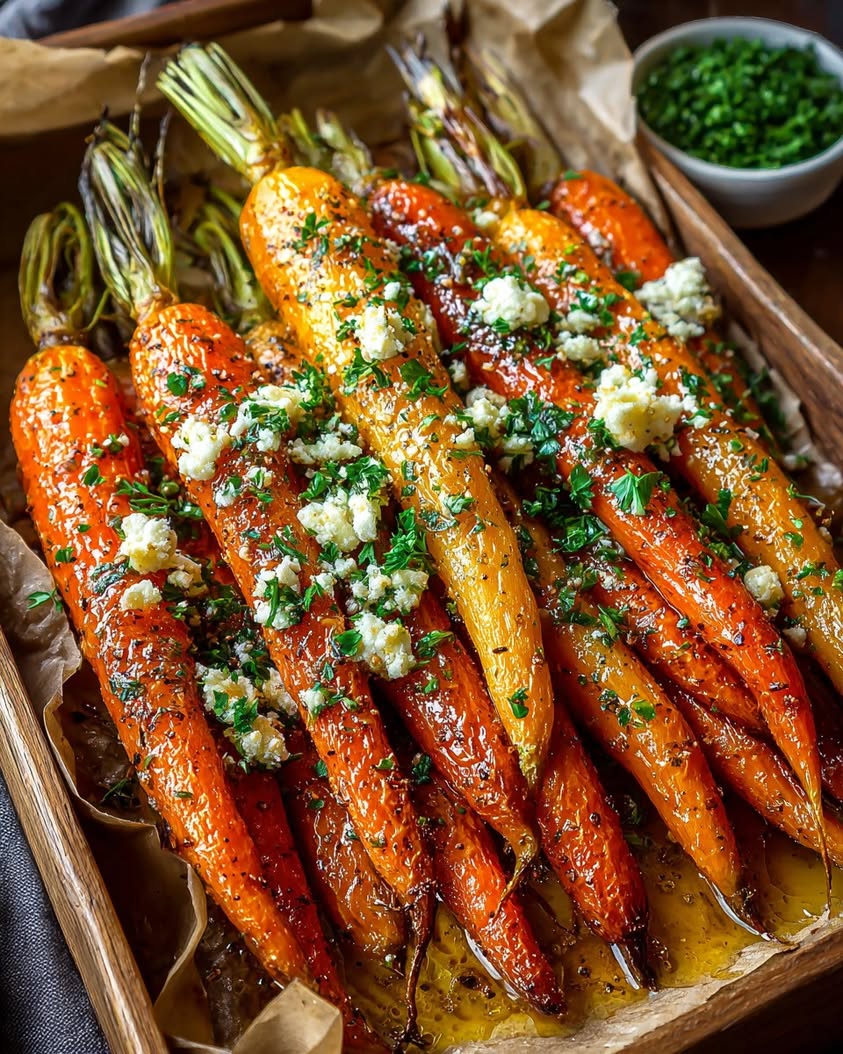
Roasted Brown Butter Honey Garlic Carrots: The Ultimate Sweet and Savory Side Dish
Imagine transforming the humble carrot into a show-stopping side dish. This recipe for Roasted Brown Butter Honey Garlic Carrots does exactly that. It elevates a simple root vegetable into a caramelized, glossy, and deeply flavorful masterpiece. The process involves roasting carrots to tender perfection while coating them in a luxurious sauce. This sauce features nutty brown butter, sweet honey, and aromatic garlic. Consequently, every bite delivers a complex harmony of sweet, savory, and earthy notes.
These Roasted Honey Garlic Butter Carrots will become your new favorite vegetable recipe. They offer a perfect balance that pleases both adults and children. Moreover, they pair beautifully with a wide range of main courses, from a simple roasted chicken to an elegant holiday ham. The magic lies in the brown butter, which adds a rich, toasty dimension that regular melted butter simply cannot match. Ultimately, this dish proves that with a few quality ingredients and simple techniques, you can create restaurant-quality food at home.
Furthermore, this recipe is incredibly versatile and reliable. Whether you need a quick weeknight side or an impressive dish for guests, these carrots deliver. The oven does most of the work, allowing you to focus on other parts of your meal. As the carrots roast, their natural sugars concentrate and caramelize. Meanwhile, the brown butter honey garlic glaze reduces into a sticky, flavorful coating. The final result is a vegetable side that is anything but boring, guaranteed to steal the spotlight on any dinner plate.
Quick Recipe Highlights
- Flavor Profile: These Roasted Honey Garlic Butter Carrots masterfully balance sweet and savory. The natural sweetness of the carrots and honey meets the deep, nutty flavor of brown butter. Additionally, the garlic provides a savory, aromatic backbone that ties everything together.
- Texture: You achieve a wonderful contrast in textures with this recipe. The exterior of the carrots becomes slightly sticky and caramelized from the glaze. Meanwhile, the interior turns fork-tender and soft, creating a perfect mouthfeel in every bite.
- Aroma: The cooking process fills your kitchen with an irresistible fragrance. First, you smell the nutty, almost toffee-like scent of browning butter. Then, the sweet aroma of honey and the pungent warmth of garlic join in, promising a delicious outcome.
- Visual Appeal: These carrots boast a stunning, glossy appearance. They glisten with a deep amber glaze and often develop beautiful, caramelized edges. Their vibrant orange color makes them a bright and inviting addition to any plate.
- Skill Level Needed: This is a beginner-friendly recipe that requires basic kitchen skills. You only need to know how to peel and cut vegetables, brown butter, and use an oven. Therefore, even novice cooks can achieve fantastic results with confidence.
- Special Equipment: You require only standard kitchen tools. A good baking sheet, a sharp knife, a vegetable peeler, and a small saucepan are essential. Parchment paper is highly recommended for easy cleanup and to prevent sticking.
Recipe Overview
- Difficulty Level: We classify this recipe as easy because it involves straightforward techniques. The steps are simple: prepare the carrots, make the brown butter sauce, toss, and roast. There is no complicated knife work or advanced culinary methods required, making it accessible for all.
- Category: This dish falls squarely into the side dish category. It is a vegetable-based accompaniment designed to complement a protein main course. However, it is substantial and flavorful enough to stand on its own as a simple vegetarian lunch option.
- Cuisine: While carrots are a global vegetable, this preparation leans into modern American comfort food. The use of brown butter is a classic French technique, but the combination with honey and garlic creates a contemporary, fusion-style dish popular in home kitchens today.
- Cost: This is a very cost-effective recipe. Carrots are an inexpensive root vegetable available year-round. Butter, honey, and garlic are pantry staples for most households. Therefore, you can create an impressive side dish for a family of four for just a few dollars.
- Season: You can make these Roasted Honey Garlic Butter Carrots any time of year. They are particularly wonderful in fall and winter when carrots are at their sweetest and heartier sides are desired. Nonetheless, their bright flavor also suits spring and summer meals perfectly.
- Occasion: This recipe is perfect for both everyday dinners and special occasions. It is quick enough for a Tuesday night but elegant enough for Thanksgiving, Easter, or a dinner party. Its universal appeal makes it a reliable choice for any gathering.
Why You’ll Love This Recipe
First and foremost, the taste and texture are utterly irresistible. These Roasted Honey Garlic Butter Carrots offer a symphony of flavors in every forkful. The sweet caramelization from roasting meets the complex nuttiness of brown butter. Simultaneously, the garlic adds a savory punch that prevents the dish from being cloying. The texture is equally compelling, featuring tender interiors and slightly sticky, glazed exteriors. This combination makes the carrots satisfying to eat and far more exciting than plain steamed vegetables.
Next, consider the sheer convenience and preparation benefits. This recipe requires minimal hands-on time, as the oven handles the heavy lifting. You can prepare the glaze while the carrots roast, maximizing efficiency in the kitchen. Furthermore, the ingredient list is short and simple, with no hard-to-find items. The process is also very forgiving; a few extra minutes in the oven won’t ruin the dish. This reliability makes it a stress-free option for busy cooks who still want to serve something special.
Additionally, these carrots offer notable nutritional advantages. Carrots are famously rich in beta-carotene, which your body converts to vitamin A, essential for vision and immune health. Roasting vegetables helps retain more nutrients compared to boiling. Using honey as a natural sweetener is a better alternative to refined sugars. While butter adds fat, it also helps your body absorb the fat-soluble vitamins in the carrots. Therefore, you are serving a side dish that is as wholesome as it is delicious.
Moreover, this dish holds significant social and entertaining value. A beautiful platter of glossy, caramelized carrots makes a stunning presentation on a dinner table. It is a versatile side that pairs with almost any protein, making menu planning easy. The familiar flavors are crowd-pleasing, ensuring that both picky eaters and food enthusiasts will enjoy it. Serving a homemade, beautifully prepared vegetable side always impresses guests and shows care in your cooking.
Finally, the cost-effectiveness and accessibility are major wins. Carrots are one of the most affordable vegetables in the produce aisle. The other ingredients are common pantry staples. You can easily double or triple the recipe to feed a crowd without straining your budget. This accessibility means you can enjoy a gourmet-tasting side dish any night of the week. Ultimately, this recipe proves that eating well does not require expensive or exotic ingredients, just a little creativity in the kitchen.
Historical Background and Cultural Significance
The carrot has a long and fascinating history, dating back thousands of years. Originally, carrots were not orange but purple, white, and yellow, cultivated in Central Asia. The familiar orange carrot we know today was developed by Dutch growers in the 17th century, allegedly to honor the Dutch Royal Family, the House of Orange. Initially, carrots were valued more for their aromatic leaves and seeds than their roots. Over centuries, selective breeding produced the sweet, large-rooted vegetable that is now a global kitchen staple.
Roasting vegetables is one of the oldest cooking methods, deeply rooted in culinary traditions worldwide. Before modern ovens, people roasted food over open fires, a technique that caramelizes natural sugars and concentrates flavors. The combination of honey and garlic also has ancient origins, appearing in various forms in Roman, Middle Eastern, and Asian cuisines as a glaze for meats and vegetables. Brown butter, or “beurre noisette,” is a cornerstone of French cuisine, used to add depth to everything from fish to pastries. This recipe represents a beautiful fusion of these timeless culinary ideas.
The evolution of the glazed carrot side dish is particularly interesting in American cuisine. In the mid-20th century, recipes for glazed carrots often involved boiling them and then coating them in a sauce made with sugar or orange marmalade. The modern shift toward roasting, as seen in these Roasted Honey Garlic Butter Carrots, reflects a broader culinary trend favoring deeper, caramelized flavors over boiled sweetness. The incorporation of brown butter signifies a move toward more sophisticated, chef-inspired techniques in home cooking. Today, this dish epitomizes the desire for vegetable sides that are both healthy and indulgently flavorful.
Regional variations of glazed carrots abound, showcasing local ingredients and tastes. In the American South, you might find carrots glazed with bourbon or sorghum. Mediterranean versions could include herbs like thyme or rosemary and a finish of lemon zest. Asian-inspired adaptations might use soy sauce or ginger in the glaze instead of garlic. Some European recipes incorporate spices like cumin or coriander. This global tapestry of variations highlights the carrot’s versatility and the universal appeal of combining its natural sweetness with savory, aromatic elements.
Ingredient Deep Dive
Carrots: Carrots are root vegetables with immense cultural significance, symbolizing good luck and prosperity in some traditions. Nutritionally, they are powerhouses of beta-carotene, fiber, vitamin K1, and potassium. Their antioxidants are linked to reduced risk of cancer and improved eye health. For this recipe, choose firm, smooth carrots with bright color and fresh, green tops if possible. Avoid limp or rubbery carrots. Store them unwashed in the cool, humid drawer of your refrigerator in a plastic bag. You can substitute with parsnips, rainbow carrots, or even whole baby carrots for a different presentation.
Unsalted Butter: Butter is a dairy product with a rich history in European and Indian cuisines. Using unsalted butter allows you to control the final salt level of the dish. The browning process creates compounds called “lactones” and “diacetyl,” which provide the signature nutty aroma and taste. Butter contains vitamins A, E, and K2. For best results, use a high-quality butter; European-style butters with higher fat content brown particularly well. Store butter tightly wrapped in the refrigerator. For a dairy-free version, you can substitute with a plant-based butter that browns well or use extra virgin olive oil, though the flavor profile will change.
Honey: Honey is one of the oldest sweeteners known to humanity, featured in ancient Egyptian, Greek, and Roman cultures. It possesses natural preservative and antibacterial properties. In cooking, it not only sweetens but also promotes beautiful caramelization and adds moisture. The flavor of honey varies dramatically based on the flowers visited by the bees. For this recipe, a mild, clover, or wildflower honey works well without overpowering the other ingredients. Store honey at room temperature in a sealed container. You can substitute with pure maple syrup, agave nectar, or even a light brown sugar syrup in a pinch.
Garlic: Garlic has been used for both culinary and medicinal purposes for over 5,000 years. It contains allicin, a compound with potent medicinal properties, including boosting immune function and reducing blood pressure. Fresh garlic provides the best flavor for the Roasted Honey Garlic Butter Carrots glaze. Look for firm, plump heads with tight, papery skin. Avoid heads that are sprouting or feel light. Store garlic in a cool, dark, dry place with good air circulation. Do not refrigerate whole heads. For a milder flavor, you can use roasted garlic paste. In a true emergency, 1/4 teaspoon of garlic powder can substitute for one fresh clove, but fresh is vastly superior.
Common Mistakes to Avoid
- Overcrowding the Pan: Placing too many carrots on the baking sheet causes them to steam instead of roast. This prevents proper caramelization and results in soggy, rather than crispy-edged, vegetables. Always ensure the carrots are in a single layer with a little space between them for optimal hot air circulation.
- Not Browning the Butter Properly: Under-browning the butter misses the point, leaving you with plain melted butter. Conversely, burning the butter makes it bitter and unusable. Watch carefully for the milk solids to turn a deep golden brown and emit a nutty fragrance, then immediately remove the pan from the heat.
- Using Pre-Crushed Jarred Garlic: Jarred garlic often contains preservatives and lacks the fresh, pungent flavor of a freshly minced clove. It can also burn more easily in the hot butter. Taking the extra minute to mince fresh garlic will make a significant difference in the depth of flavor in your glaze.
- Skipping the Toss Halfway Through: Roasting the carrots without turning them leads to uneven cooking. The bottoms may burn while the tops remain pale. Always take a moment to toss the carrots with a spatula about 15 minutes into roasting. This ensures all sides get coated in the glaze and caramelize evenly.
- Cutting the Carrots Inconsistently: If your carrot pieces are different sizes, they will cook at different rates. Smaller pieces will burn before larger ones are tender. Aim for uniform pieces, about 1/2-inch thick on the diagonal, to guarantee they all finish roasting at the same time.
- Adding the Honey to the Butter Too Early: If you add the honey to the saucepan with the butter at the start, the sugars can scorch during the browning process. Instead, always brown the butter first, then remove it from the heat before stirring in the honey and garlic. This preserves the delicate flavor of the honey.
- Forgetting to Season: Salt is crucial for balancing the sweetness of the honey and carrots. Do not rely solely on the salted butter if you use it. Season the carrots with salt and pepper before roasting, and taste the finished dish to see if it needs another small pinch before serving.
- Using a Dark Baking Sheet Unmonitored: Dark-colored pans absorb more heat and can cause the edges of the carrots to burn faster. If you only have a dark sheet pan, consider reducing the oven temperature by 25 degrees Fahrenheit and checking the carrots a few minutes earlier.
Essential Techniques
How to Cut Carrots for Roasting: Cutting carrots properly is essential for even cooking. First, peel the carrots to remove the outer skin. Then, slice them on a diagonal into pieces about 1/2-inch thick. Diagonal cuts create more surface area for caramelization compared to simple rounds. Importantly, try to make all pieces roughly the same size and thickness. This uniformity ensures that every piece roasts at the same rate, preventing some from being undercooked while others burn. A sharp chef’s knife makes this task easy and safe.
How to Brown Butter Perfectly: Browning butter, or making “beurre noisette,” is a simple but transformative technique. Start with unsalted butter in a light-colored saucepan over medium heat. Melt the butter, then continue to cook, swirling the pan occasionally. The butter will foam, then the foam will subside. Watch closely as the milk solids at the bottom turn from yellow to a deep, golden brown and smell intensely nutty. Immediately remove the pan from the heat and pour the butter into a heatproof bowl to stop the cooking. The entire process takes only a few minutes, so do not walk away.
The Roasting Process: Roasting is a dry-heat cooking method that caramelizes the natural sugars in vegetables. For perfect Roasted Honey Garlic Butter Carrots, preheat your oven fully before adding the pan. A hot oven, around 400-425°F, is ideal. Use a rimmed baking sheet lined with parchment paper for easy cleanup. Spread the coated carrots in a single layer without touching. The high heat will cause the sugars in the honey and carrots to caramelize, creating a beautiful glaze and concentrated flavor. Tossing halfway through is non-negotiable for even color and doneness.
Pro Tips for Perfect Roasted Honey Garlic Butter Carrots
First, use whole carrots and cut them yourself instead of pre-cut baby carrots. Whole carrots generally have better flavor and texture. Baby carrots are often cut from larger, less flavorful carrots and treated with chlorine, which can affect taste.
Second, let your butter come to room temperature for a minute before cutting it. Cold butter is more likely to splatter and burn unevenly when you start to melt it. Starting with slightly softened butter ensures a more controlled browning process.
Third, consider adding a sprig of fresh thyme or rosemary to the baking sheet with the carrots. The herbs will infuse their fragrance into the dish as they roast. Simply remove the woody stems before serving for an elegant, aromatic touch.
Fourth, for an extra layer of flavor, add a teaspoon of fresh lemon juice or a pinch of lemon zest to the glaze after removing it from the heat. The acidity brightens the rich, sweet flavors and adds a wonderful complexity to the final dish.
Fifth, if your carrots are done roasting but the glaze seems too thin, you can use a slotted spoon to remove the carrots. Then, pour the pan juices back into a small saucepan and simmer for a minute or two until thickened. Drizzle this reduced glaze over the carrots before serving.
Sixth, for maximum caramelization, preheat your baking sheet in the oven for 5 minutes before adding the tossed carrots. The hot pan will give the carrots an immediate sear, promoting better browning from the very start of the cooking process.
Variations and Adaptations
Regional Variations: Globally, you can adapt these Roasted Honey Garlic Butter Carrots to match different cuisines. For a Middle Eastern twist, add a pinch of cumin and cinnamon to the glaze and finish with chopped pistachios and pomegranate seeds. An Asian-inspired version could use soy sauce or miso paste in place of some salt and garnish with sesame seeds and sliced scallions. A French “Provençal” style might include herbes de Provence in the butter.
Seasonal Adaptations: Embrace the seasons by incorporating complementary ingredients. In spring, use tender, young carrots with their tops on and add fresh peas to the sheet pan for the last 5 minutes of roasting. For summer, add sliced zucchini or summer squash. In fall, roast the carrots with chunks of sweet potato or parsnip and a dash of maple syrup instead of honey. Winter calls for heartier additions like chopped Brussels sprouts or a dusting of smoked paprika.
Dietary Modifications: This recipe is easily adaptable for various dietary needs. For a vegan version, use a high-quality plant-based butter and maple syrup or agave nectar. To make it Whole30 or paleo, use ghee instead of butter and omit the honey or use a compliant alternative like date paste. For a lower-sugar option, reduce the honey by half and rely on the carrots’ natural sweetness enhanced by roasting.
Flavor Variations: Do not be afraid to experiment with the flavor profile. Add a tablespoon of Dijon mustard or whole-grain mustard to the glaze for tanginess. Stir in a teaspoon of curry powder or smoked paprika with the garlic for warmth and smokiness. For an herbal note, mix chopped fresh parsley, dill, or chives into the finished dish just before serving.
Texture Modifications: Alter the texture to suit your preference. For crisp-tender carrots with more bite, roast for 20-25 minutes. For ultra-soft, almost melting carrots, roast for 35-40 minutes and cover with foil for the last 10 minutes to steam them slightly. You can also cut the carrots into different shapes, like thin batons or large, rustic chunks, to change the eating experience.
Presentation Alternatives: Elevate your plating for special occasions. Instead of piling them in a bowl, arrange the Roasted Honey Garlic Butter Carrots neatly on a long platter. Drizzle any remaining glaze over the top. Garnish with flaky sea salt, microgreens, edible flowers, or a crumble of goat cheese or feta for a salty contrast.
Serving and Presentation Guide
Plating Techniques: Presentation elevates these carrots from a simple side to a centerpiece. For a family-style meal, serve them in a warm, shallow bowl or on a rustic platter. For individual plates, use tongs to create a neat, vertical stack or a fan-like arrangement alongside the main protein. Always spoon any extra glaze from the baking sheet over the top to maximize shine and flavor.
Garnishing Ideas: A simple garnish adds color, texture, and flavor contrast. Fresh, soft herbs like chopped parsley, chives, or dill provide a bright green pop and fresh flavor. For crunch, sprinkle with toasted sliced almonds, pecans, or pine nuts. A final sprinkle of flaky sea salt, such as Maldon, enhances all the flavors and adds a delightful textural crunch. A zest of citrus, like orange or lemon, adds fragrance and acidity.
Traditional Accompaniments: These Roasted Honey Garlic Butter Carrots are a classic pairing for roasted meats. They are exceptional alongside herb-roasted chicken, turkey, pork loin, or a standing rib roast. For a holiday spread, they complement the savory notes of stuffing and gravy beautifully. They also work well with meatloaf, grilled steak, or baked ham, providing a sweet counterpoint to savory flavors.
Modern Serving Suggestions: Think beyond the traditional protein-and-two-sides plate. Chop the leftover roasted carrots and add them to a grain bowl with quinoa, greens, and a tahini dressing. Toss them into a hearty fall salad with arugula, goat cheese, and walnuts. Use them as a topping for a gourmet flatbread with ricotta cheese. They can even be pureed into a silky soup with vegetable broth and a touch of cream.
Temperature Considerations: These carrots are best served warm, straight from the oven. However, they are also delicious at room temperature, making them a great option for a buffet or picnic. If you need to hold them, tent the platter loosely with foil and keep them in a warm spot. Avoid sealing them tightly, as this will trap steam and make the glaze soggy.
Portion Control Tips: This recipe yields about four servings as a side dish, assuming about 3/4 to 1 cup of roasted carrots per person. For a larger crowd or a potluck, you can easily double the recipe. Just be sure to use two baking sheets and rotate them in the oven halfway through cooking for even results. For a lighter meal, a smaller portion pairs wonderfully with a large salad.
Wine and Beverage Pairing
Wine Pairings: The sweet and savory profile of Roasted Honey Garlic Butter Carrots pairs beautifully with several wines. A slightly off-dry Riesling or Gewürztraminer complements the honey and contrasts the savory garlic. For red wine lovers, a light-bodied Pinot Noir with its earthy notes works well without overpowering the dish. A crisp, unoaked Chardonnay or a dry Rosé also makes an excellent match, cutting through the richness of the butter.
Non-Alcoholic Alternatives: For a sophisticated non-alcoholic pairing, try a sparkling apple cider. Its effervescence and slight tartness cleanse the palate. A ginger beer or a homemade honey-lemon-ginger tea also pairs wonderfully, as the spice from the ginger echoes the warmth of the roasted garlic. Iced herbal tea, like mint or chamomile, provides a refreshing counterpoint.
Coffee and Tea Pairings: If serving these carrots for a brunch or lunch, consider beverage pairings beyond juice. A medium-roast coffee with nutty or caramel notes can mirror the flavors of the brown butter. For tea, a smoky Lapsang Souchong or a mild Oolong would create an interesting flavor dialogue with the sweet, roasted vegetables.
Temperature Considerations: Always serve white wines and sparkling beverages well-chilled, around 45-50°F. Red wines should be served slightly cooler than room temperature, around 55-60°F, especially a light Pinot Noir. Non-alcoholic sparkling drinks are best served very cold to provide a refreshing contrast to the warm, rich carrots.
Serving Suggestions: When planning a full menu, consider the beverage for the entire meal. If your main course is a rich meat dish with a heavy red wine, the carrots will adapt. However, if the carrots are the star of a vegetarian meal, you can choose the beverage specifically to highlight their unique sweet and savory glaze.
Storage and Shelf Life
Storage Methods: Allow any leftover Roasted Honey Garlic Butter Carrots to cool completely to room temperature. Do not leave them out for more than two hours. Transfer the cooled carrots to an airtight container. You can store them in the refrigerator for up to 4 days. For best results, store the carrots and any residual glaze together to keep them moist.
Temperature Requirements: Refrigeration is essential for food safety. Store the container in the main body of your refrigerator, not in the door, where temperatures fluctuate more. The ideal refrigerator temperature is at or below 40°F (4°C). This cold environment slows bacterial growth and helps preserve the quality of the carrots.
Container Recommendations: Use a glass or BPA-free plastic container with a tight-sealing lid. Glass is preferable as it does not absorb odors or stains from the garlic and butter glaze. If using a shallow container, place a piece of parchment paper directly on the surface of the carrots before sealing to minimize exposure to air, which can dry them out.
Signs of Spoilage: Before eating leftovers, inspect the carrots. Discard them if you notice an off or sour smell, significant sliminess on the surface, or visible mold growth. While the garlic aroma will remain strong, it should not smell fermented or unpleasant. When in doubt, it is always safer to throw it out.
Reheating Instructions: To restore their best texture, reheat leftovers in the oven or toaster oven. Spread them on a baking sheet and warm at 350°F for about 10 minutes, or until heated through. You can also reheat them in a skillet over medium heat, stirring occasionally. The microwave is quick but will make them soft and may cause the glaze to separate; use it at a lower power setting if necessary.
Freezing Guidelines: You can freeze these carrots, but note that the texture will become softer upon thawing. Freeze cooled carrots in a single layer on a parchment-lined sheet, then transfer to a freezer bag. They will keep for 2-3 months. Thaw overnight in the refrigerator before reheating using the oven method to help revive some texture.
Make Ahead Strategies
Prep Timeline: You can prepare components of this dish ahead to streamline dinner. Up to two days in advance, wash, peel, and cut the carrots. Store them submerged in cold water in an airtight container in the refrigerator; this keeps them crisp. You can also mince the garlic and store it in a small container in the fridge. The brown butter honey garlic glaze can be made 1 day ahead, cooled, and refrigerated in a jar.
Storage Between Steps: Keep pre-cut carrots in water, changing the water daily. Store the minced garlic separately to prevent its flavor from permeating everything else. If you make the glaze ahead, gently reheat it in a saucepan or the microwave until it returns to a liquid state before tossing with the carrots. Do not toss the carrots with the glaze until you are ready to roast.
Quality Impact Assessment: Prepping the carrots in advance has minimal impact on final quality, especially if stored in water. Making the glaze ahead is also fine, though the fresh garlic flavor will mellow slightly. The best practice is to do all the knife work and measuring ahead, but combine and roast the dish just before serving for peak freshness and optimal caramelized texture.
Assembly Tips: When ready to cook, drain and thoroughly pat the pre-cut carrots dry with a kitchen towel. Moisture is the enemy of good roasting. If using cold, solidified glaze, warm it gently until pourable. Toss the dry carrots with the warm glaze, season, and roast immediately. This method gives you the convenience of prep-ahead with the results of a freshly made dish.
Reheating Guidelines: If you fully cook the Roasted Honey Garlic Butter Carrots a few hours ahead, you can re-crisp them before serving. Spread them on a baking sheet and place in a 400°F oven for 5-8 minutes. This will re-warm them and re-caramelize the glaze better than a microwave. Add a fresh garnish after reheating.
Fresh Element Additions: Any make-ahead strategy benefits from a fresh finish. Even if you reheat the carrots, always add a final garnish just before serving. A sprinkle of fresh herbs, a dash of flaky salt, or a squeeze of lemon juice added at the last minute will make the dish taste bright and freshly prepared.
Scaling Instructions
Halving the Recipe: To serve two people, simply divide all ingredient quantities by two. Use a standard quarter-sheet pan or a smaller baking dish to ensure the carrots are not swimming in too much space, which can cause the glaze to burn. The cook time may reduce by about 5 minutes, so start checking for doneness at the 20-minute mark.
Doubling or Tripling: For a crowd, multiply the ingredients accordingly. The key is to use multiple baking sheets. Do not pile all the carrots onto one sheet, as overcrowding will cause steaming. Rotate the sheets from top to bottom and front to back halfway through the roasting time to ensure even cooking. You may need to add a few extra minutes to the total cook time.
Equipment Adjustments: Scaling up requires planning. Ensure you have enough large, rimmed baking sheets. Lining them with parchment paper is even more crucial for easy cleanup when making large batches. If browning butter for a double or triple batch, use a larger, heavy-bottomed saucepan to prevent overflow and allow for even heating.
Timing Modifications: When cooking multiple trays, the total oven time may increase slightly due to the added moisture and reduced air circulation. Add the trays one at a time if your oven is small, staggering the start by 5-10 minutes. Always rely on visual and textural cues—tender carrots with caramelized edges—rather than strictly adhering to the original timer.
Storage Considerations: If you make a large batch for meal prep, store the cooled carrots in several smaller containers rather than one giant one. This makes reheating individual portions easier and prevents you from repeatedly warming and cooling the entire batch, which degrades quality and safety.
Nutritional Deep Dive
Macro Breakdown: A serving of these Roasted Honey Garlic Butter Carrots provides a balance of macronutrients. The carbohydrates come primarily from the carrots and honey, offering natural sugars and fiber. The fat content is from the butter, providing satiety and carrying flavor. The protein content is minimal, as this is a vegetable side dish. The glaze adds calories from the honey and butter, so portion awareness is key if you are tracking macros closely.
Micronutrient Analysis: This dish is a micronutrient powerhouse thanks to the carrots. They are exceptionally high in beta-carotene (vitamin A), essential for vision, immune function, and skin health. They also provide vitamin K1 for blood clotting and bone health, potassium for blood pressure regulation, and antioxidants like lutein. The garlic contributes manganese, vitamin B6, and vitamin C, along with the beneficial compound allicin.
Health Benefits: Consuming roasted carrots supports overall health in several ways. The high antioxidant content helps combat oxidative stress and inflammation. The fiber promotes digestive health and gut microbiome balance. The healthy fats from butter aid in the absorption of fat-soluble vitamins (A, K, E) present in the carrots. Garlic compounds have been linked to improved heart health and immune support.
Dietary Considerations: This recipe is naturally gluten-free. It contains dairy (butter) and an animal product (honey), so it is not vegan. For those on low-carb or keto diets, the carrots and honey contribute significant carbohydrates, so portion size must be very small. It can be adapted for many diets, as outlined in the variations section.
Portion Analysis: A standard serving is about 3/4 to 1 cup of roasted carrots. This portion provides a substantial amount of your daily vitamin A needs and contributes to your vegetable intake. To make it a more balanced standalone meal, pair it with a lean protein source like grilled chicken or tofu and a whole grain like quinoa.
Weight Management Tips: These carrots are more calorie-dense than plain steamed carrots due to the added butter and honey. For weight management, you can reduce the amount of butter and honey by one-third without sacrificing too much flavor. Alternatively, enjoy a smaller portion alongside a large salad filled with leafy greens and a light vinaigrette to create a satisfying, volume-rich meal.
Dietary Adaptations
Gluten-Free: This recipe is naturally gluten-free as written. None of the core ingredients—carrots, butter, honey, garlic—contain gluten. Always double-check that any pre-packaged ingredients, like some butter brands that may add flavorings, are certified gluten-free if you have celiac disease or a severe sensitivity.
Dairy-Free: To make dairy-free Roasted Honey Garlic Butter Carrots, substitute the butter with a high-quality vegan butter stick that is designed to brown. Brands like Miyoko’s or Earth Balance work well. Alternatively, you can use refined coconut oil, though the flavor will be different. The goal is to have a fat that can brown and carry the other flavors.
Vegan: For a vegan version, make both the dairy-free substitution above and replace the{“success”:true,”message”:”Recipe created successfully”,”post_id”:9054,”tasty_recipe_id”:9054,”shortcode”:”“}

I’m Billy, a classically trained culinary school graduate from The Culinary Institute of America with over 12 years in the restaurant industry and over 19 years of cooking experience.