
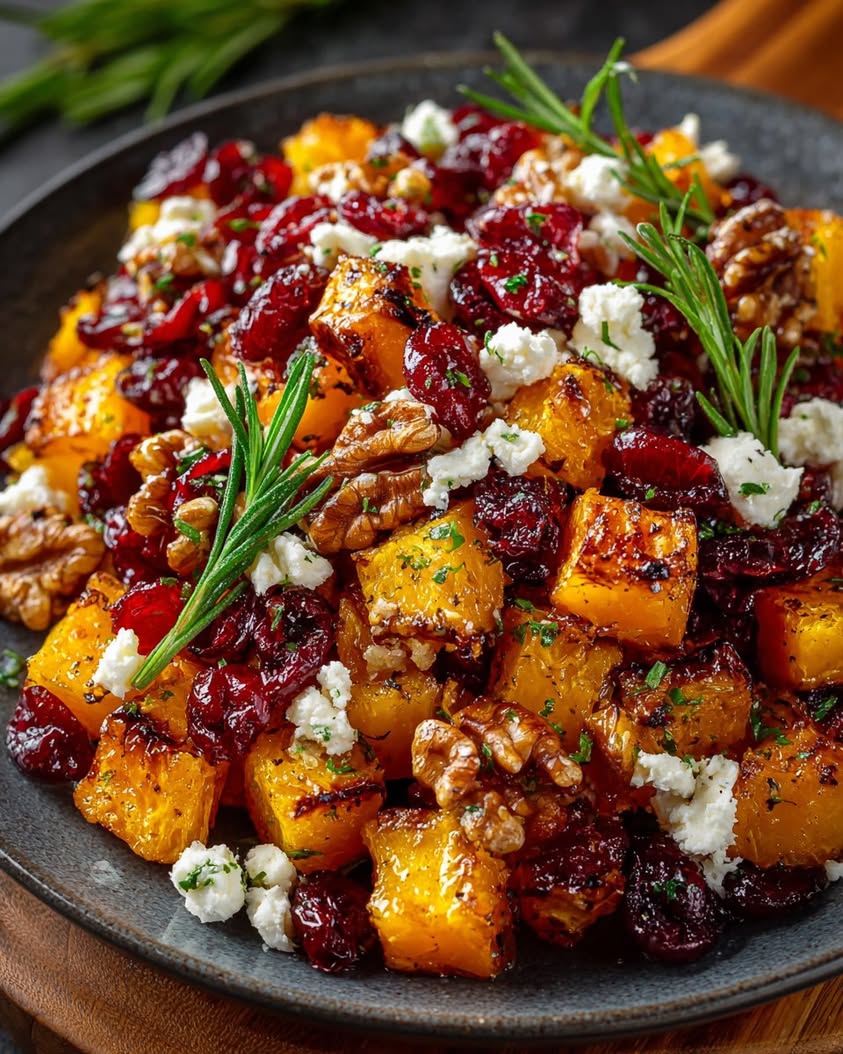
Roasted Butternut Squash with Feta, Walnuts & Balsamic-Glazed Cranberries: An Elegant Fall Side Dish
Welcome to a recipe that captures the very essence of autumn on a single, stunning platter. This roasted butternut squash with feta, walnuts, and balsamic-glazed cranberries is more than just a side dish. It is a vibrant celebration of seasonal flavors and textures designed to elevate any meal. Imagine sweet, caramelized squash paired with salty, creamy feta, crunchy toasted walnuts, and a pop of tart-sweet cranberries glazed in rich balsamic vinegar. Consequently, every bite offers a complex and satisfying harmony that will have your guests asking for the recipe.
Moreover, this dish is incredibly versatile. You can serve it as a show-stopping vegetarian main course, a beautiful side for your holiday turkey or ham, or even as a sophisticated addition to a festive buffet. The process is straightforward, but the final presentation looks like it came from a professional kitchen. Ultimately, this recipe proves that with a few quality ingredients and simple techniques, you can create something truly special and memorable for your table.
Quick Recipe Highlights
- Flavor Profile: This dish masterfully balances sweet, savory, salty, and tangy notes. The natural sweetness of the roasted butternut squash meets the salty punch of feta cheese. Meanwhile, the balsamic-glazed cranberries add a sophisticated tartness that ties everything together beautifully.
- Texture: You will enjoy a wonderful contrast in every mouthful. Expect creamy, tender squash cubes against the satisfying crunch of toasted walnuts. Additionally, the cranberries offer a slight chew, and the feta provides a delightful crumbly texture.
- Aroma: As the squash roasts, your kitchen will fill with its warm, sweet, and nutty fragrance. The scent of toasting walnuts adds a deep, earthy note. Finally, the reduction of balsamic vinegar and cranberries creates a rich, tangy-sweet aroma that is simply irresistible.
- Visual Appeal: This dish is a feast for the eyes with its stunning color palette. The vibrant orange squash, white feta, deep brown walnuts, and glossy ruby-red cranberries create a presentation that is both rustic and elegant, perfect for holiday gatherings.
- Skill Level Needed: This is a beginner-friendly recipe. The techniques involve simple chopping, roasting, and making a quick stovetop glaze. Therefore, even novice cooks can achieve impressive results with minimal stress.
- Special Equipment: You need only basic kitchen tools: a good chef’s knife, a sturdy cutting board, a large baking sheet, and a small saucepan. A silicone baking mat or parchment paper is helpful for easy cleanup.
Recipe Overview
- Difficulty Level: We rate this recipe as easy. The steps are sequential and simple. For instance, you roast the squash, toast the walnuts, and make the glaze separately before combining. There is no complicated technique, making it accessible for cooks of all levels.
- Category: This dish fits perfectly into several categories. Primarily, it is a standout vegetable side dish. However, with its hearty components, it can also serve as a satisfying vegetarian main course. It is also an excellent choice for holiday meals and special occasion dining.
- Cuisine: While not tied to one specific tradition, this recipe draws inspiration from modern American and Mediterranean cuisines. The use of feta cheese and olive oil nods to Greek influences. Meanwhile, the combination of squash and cranberries is a classic North American fall pairing.
- Cost: This is a moderately priced recipe. Butternut squash and fresh cranberries are very affordable in season. Feta cheese and walnuts may represent a slightly higher cost, but a little goes a long way. Overall, you get restaurant-quality presentation and flavor for a fraction of the price.
- Season: This recipe is ideal for late fall and winter. Butternut squash and fresh cranberries are at their peak during these months. Their flavors naturally complement the cozy, hearty meals typical of the season, making it a timely and delicious choice.
- Occasion: It is perfect for Thanksgiving, Christmas, or Friendsgiving dinners as an elegant side. Furthermore, it works wonderfully for a cozy weekend dinner party or even as a special weeknight treat to brighten the autumn table.
Why You’ll Love This Recipe
First, the taste and texture appeal is undeniable. This roasted butternut squash with feta, walnuts, and balsamic cranberries delivers a symphony of flavors in every forkful. The sweet, caramelized squash forms the perfect base. Then, the salty, tangy feta cuts through the richness. The walnuts add essential crunch, and the glossy cranberries provide a burst of bright, tangy sweetness. Consequently, your palate experiences sweet, salty, creamy, crunchy, and chewy all at once, creating a deeply satisfying and complex dish that never gets boring.
Next, consider the convenience and preparation benefits. This recipe uses mostly hands-off cooking time. After you cube the squash and toss it with oil, the oven does the majority of the work. While it roasts, you can quickly toast the walnuts and simmer the simple balsamic cranberry glaze. This efficient workflow means you are not stuck at the stove. Instead, you can prepare other parts of your meal or simply relax. The assembly is just a gentle toss on a platter, making final presentation effortless and stress-free.
Furthermore, the nutritional advantages are significant. Butternut squash is a powerhouse of vitamins A and C, essential for immune function and eye health. Walnuts provide healthy omega-3 fats and protein, supporting heart and brain health. Cranberries are famous for their antioxidants. Even the feta cheese offers a dose of calcium and protein. Together, they create a side dish that is as nourishing as it is delicious, allowing you to indulge in fantastic flavor while still feeding your body well.
Additionally, the social and entertaining value of this dish is high. Its stunning visual presentation makes it a centerpiece on any table. Guests will be immediately drawn to its vibrant colors and elegant composition. It is a conversation starter that shows care and thoughtfulness in your cooking. Because it caters beautifully to vegetarians and feels special, it ensures everyone at the table has a spectacular option to enjoy, elevating the entire dining experience.
Finally, the cost-effectiveness and accessibility are major wins. The main ingredients are seasonal and often inexpensive. You can find butternut squash and cranberries at any grocery store in the fall. While feta and walnuts might be a small splurge, their strong flavors mean you use them sparingly to great effect. This recipe delivers a taste and presentation that feels luxurious and restaurant-worthy without the associated high cost, making gourmet home cooking accessible to everyone.
Historical Background and Cultural Significance
The story of this dish begins with its individual components, each with a rich history. Butternut squash, a cultivar of winter squash, was developed in the mid-20th century in Massachusetts. Its development aimed for a squash with a thinner skin and sweeter, nuttier flesh than its predecessors, making it easier to prepare and more versatile in cooking. Its rapid popularity in American kitchens cemented it as a fall staple. Consequently, it became a blank canvas for both sweet and savory autumn recipes, prized for its creamy texture and ability to caramelize beautifully when roasted.
Cranberries hold deep cultural significance for Native American communities, who used them for food, dye, and medicine long before European arrival. They introduced the tart berry to pilgrims, and it eventually became a symbol of survival and celebration, central to the Thanksgiving tradition. The practice of sweetening and cooking cranberries into sauces and relishes is uniquely North American. Incorporating them into a savory, glazed preparation for a side dish like this is a modern evolution of that tradition, moving beyond the canned jelly to highlight their vibrant, tart flavor in a more sophisticated way.
The use of feta cheese connects the recipe to ancient Mediterranean practices. Feta, a brined curd cheese traditionally made from sheep’s milk or a sheep-goat blend, has been produced in Greece for centuries. Its salty, tangy profile and crumbly texture have made it a global favorite for adding a punch of flavor to salads, pastries, and roasted vegetables. Pairing it with sweet squash is a classic flavor combination in modern Mediterranean-inspired cooking, showcasing how ancient ingredients can find new life in contemporary fusion dishes.
The evolution of this specific recipe is a testament to modern, fusion-style home cooking. It takes the American tradition of squash and cranberries and elevates it with Mediterranean accents (feta, olive oil) and a chef-inspired technique (the balsamic glaze). This reflects a broader culinary trend where home cooks confidently mix flavors and traditions from around the world to create personalized, impressive dishes. There are no strict regional variations, but the formula is adaptable; one might see similar dishes with goat cheese instead of feta, pecans instead of walnuts, or a maple glaze instead of balsamic, allowing for endless personalization.
Ingredient Deep Dive
Butternut Squash is the hearty foundation of this dish. This winter squash, developed in the 1940s, is beloved for its smooth, thin skin and sweet, orange flesh. Nutritionally, it is exceptionally high in Vitamin A (as beta-carotene), Vitamin C, fiber, and potassium. When selecting one, look for a squash that feels heavy for its size with a firm, matte skin free of soft spots or cracks. Store it in a cool, dark place for up to a month. For a substitution, sweet potatoes or acorn squash would work well, though cooking times may vary slightly.
Feta Cheese brings the essential salty and tangy contrast. This brined cheese has a history dating back to ancient Greece and is a protected designation of origin (PDO) product. It provides calcium, protein, and beneficial probiotics. For the best flavor, seek out a block of feta packed in brine rather than pre-crumbled varieties, which often contain anti-caking agents. Store it submerged in its brine in the refrigerator. If you need a substitute, a good quality goat cheese (chèvre) or a firm ricotta salata would offer a different but delicious profile.
Walnuts contribute crucial crunch and earthy depth. Walnuts are among the oldest tree foods, cultivated for thousands of years. They are an excellent source of plant-based omega-3 fatty acids, antioxidants, and protein. For the freshest taste, buy walnut halves and toast them yourself just before using. Store walnuts in an airtight container in the freezer to prevent their oils from turning rancid. For a different nutty flavor, pecans or hazelnuts would be fantastic alternatives in this roasted butternut squash recipe.
Fresh Cranberries provide the vibrant, tart counterpoint. Native to North America, these berries are a seasonal treasure from October through December. They are packed with vitamin C, fiber, and unique antioxidants called proanthocyanidins. Choose bags of cranberries that are firm, shiny, and deep red in color; discard any soft or brown berries. Refrigerate them in their original bag and use within a few weeks. You can also freeze them directly in the bag for year-round use. In a pinch, dried cranberries can be used, but rehydrate them in warm water first and adjust the sugar in the glaze.
Balsamic Vinegar is the key to the luxurious glaze. True traditional balsamic vinegar (Aceto Balsamico Tradizionale) is aged for years and comes from Modena, Italy. For cooking, a good quality, moderately priced balsamic works perfectly. It adds a complex sweetness and acidity that enhances the other ingredients. There is no true substitute for its unique flavor, but in a glaze, a mix of red wine vinegar and a touch of honey or maple syrup could provide a similar sweet-tart balance for your balsamic-glazed cranberries.
Common Mistakes to Avoid
- Cutting the Squash Unevenly: If your squash cubes are different sizes, they will cook unevenly. Consequently, some pieces will be mushy while others remain hard. Aim for uniform 1-inch cubes to ensure they all roast to perfect tenderness at the same time.
- Overcrowding the Baking Sheet: Spreading the squash in a single layer with space between pieces is crucial. If the pan is too crowded, the squash will steam instead of roast. This prevents the beautiful caramelization and deep flavor development that makes this dish special.
- Underseasoning the Squash: Do not be shy with salt and pepper before roasting. The squash is a large, mild canvas that needs proper seasoning from the inside out. Seasoning after roasting will not penetrate the flesh in the same way, resulting in a bland base for your other flavorful components.
- Burning the Walnuts: Toasting nuts requires constant attention. They can go from golden to burnt in seconds. Toast them in a dry pan over medium-low heat, shaking frequently, until fragrant. Immediately transfer them to a plate to stop the cooking process.
- Overcooking the Balsamic Glaze: When reducing the balsamic vinegar and cranberries, keep the heat at a simmer, not a rolling boil. Let it reduce slowly until syrupy. If you cook it too fast or too long, it can become bitter or turn into a sticky, hard candy.
- Adding the Feta Too Early: Feta cheese is best added at the very end, just before serving. If you mix it in while the squash is hot or bake it, the cheese will melt into a greasy mess and lose its distinct crumbly texture and salty bite.
- Skipping the Walnut Toasting Step: Using raw walnuts is a missed opportunity. Toasting unlocks their oils, deepens their flavor exponentially, and improves their crunch. This simple, extra five-minute step makes a dramatic difference in the final texture and taste of the dish.
- Using Pre-Crumbled Feta: While convenient, pre-crumbled feta is often drier and coated in anti-caking agents. A block of feta in brine is far superior in flavor and texture. Crumble it yourself with your hands for the best creamy, salty results in your finished recipe.
Essential Techniques
Roasting the Squash is the most critical technique. Roasting concentrates the squash’s natural sugars through caramelization, creating deep, sweet flavors and a tender interior with slightly crisp edges. To master it, toss the cubed squash evenly in oil and seasonings, then spread it in a single layer on a preheated sheet pan. The common pitfall is overcrowding, which leads to steaming. Visual cues for success are golden brown edges and a fork-tender center. The squash should hold its shape but offer no resistance when pierced.
Making the Balsamic Glaze requires gentle reduction. This technique thickens the vinegar and cranberry juice, intensifying their flavors and creating a glossy, syrupy coating. Combine the ingredients in a saucepan and simmer over medium-low heat. It is important to stir occasionally and watch closely. A common mistake is boiling too vigorously, which can scorch the sugars and create bitterness. The glaze is ready when it coats the back of a spoon and has reduced by about half, leaving you with perfectly balsamic-glazed cranberries.
Toasting the Walnuts amplifies their flavor and crunch. This dry-heat technique wakes up the natural oils in the nuts. Place them in a single layer in a dry skillet over medium heat. Shake the pan or stir frequently for even toasting. The major pitfall is walking away; they burn quickly. Visual and aromatic cues are your best guides. The walnuts are done when they become fragrant and take on a slightly darker golden color. Immediately transfer them to a plate to cool.
Pro Tips for Perfect Roasted Butternut Squash with Feta, Walnuts & Balsamic-Glazed Cranberries
First, for easier peeling, microwave the whole squash for 2-3 minutes. This loosens the skin slightly, making it much safer and simpler to cut and peel with a sharp vegetable peeler or knife.
Second, preheat your baking sheet in the oven. Placing the squash on a hot pan gives it an immediate sear, promoting better browning and preventing sticking from the start.
Third, add a touch of maple syrup or honey to the squash before roasting. This enhances the natural caramelization process, giving you deeper color and a more complex sweetness.
Fourth, reserve a few whole cranberries and walnut halves for garnish. Sprinkling these on top after assembling adds visual height and texture, making the final presentation even more impressive.
Fifth, let the balsamic cranberry glaze cool for a minute before drizzling. A very hot glaze can wilt the fresh elements and cause the feta to sweat. A warm glaze drapes beautifully.
Sixth, use a mix of fresh herbs for garnish. While parsley is fine, try adding a few leaves of fresh thyme or rosemary for an aromatic touch that complements the fall flavors perfectly.
Seventh, if making ahead, prepare all components separately. Store the roasted squash, toasted walnuts, glaze, and crumbled feta in separate containers. Combine them just before serving to maintain ideal textures.
Variations and Adaptations
For regional variations, consider a Southern twist by using pecans instead of walnuts and a bourbon-maple glaze. A Mediterranean version could include toasted pine nuts, Kalamata olives, and a sprinkle of oregano. For a Middle Eastern flair, swap feta for creamy labneh, add pomegranate arils instead of cranberries, and garnish with za’atar.
Seasonal adaptations are simple. In winter, use roasted Brussels sprout halves alongside the squash. For a spring version, substitute asparagus and peas, using a lemon-herb vinaigrette instead of the balsamic glaze. Summer might feature zucchini and yellow squash with a basil oil.
Dietary modifications are straightforward. For a vegan dish, omit the feta or use a firm vegan cheese alternative. To make it dairy-free, simply leave out the cheese—the other flavors are robust enough to stand alone. For a nut-free version, use toasted pumpkin seeds (pepitas) for crunch.
Flavor variations can personalize the dish. Add warmth with a pinch of smoked paprika or cayenne pepper on the squash before roasting. Incorporate fresh sage leaves fried in olive oil until crisp as a garnish. A drizzle of truffle oil at the end adds luxurious depth.
Texture modifications can cater to preferences. For a creamier element, add dollops of goat cheese or whipped ricotta on the platter. For extra crunch, include crispy fried shallots or garlic breadcrumbs sprinkled over the top just before serving.
Presentation alternatives offer creative freedom. Instead of a large platter, serve individual portions in small bowls or on salad plates. You can also layer the components in a glass trifle dish for a deconstructed salad look, or pile the mixture into hollowed-out roasted squash halves for a stunning edible vessel.
Serving and Presentation Guide
Plating techniques matter for visual impact. Choose a large, shallow platter or a wide, rustic wooden board. Spoon the warm roasted butternut squash as the base, creating a slightly uneven mound for visual interest. This allows the other ingredients to nestle into the crevices. Avoid spreading it flat, as this looks less abundant and dynamic.
Garnishing ideas elevate the dish from simple to spectacular. After scattering the feta, walnuts, and cranberries, add a final flourish of fresh, soft herbs like Italian parsley, chopped chives, or tiny thyme leaves. A final drizzle of extra virgin olive oil or a light sprinkle of flaky sea salt just before bringing it to the table adds a professional chef’s touch.
Traditional accompaniments include a simple roast chicken, turkey, or ham. It also pairs wonderfully with pork chops or a hearty lentil loaf for a vegetarian feast. Consider serving it alongside other fall sides like garlicky sautéed greens or a wild rice pilaf to create a complete, balanced meal.
Modern serving suggestions might feature it as a warm salad atop a bed of baby arugula or kale massaged with lemon juice. You can also use it as a sophisticated topping for a bowl of creamy polenta or farro, turning the side dish into a hearty grain bowl main course.
Temperature considerations are key. This dish is best served warm or at room temperature. If the squash is piping hot, it will melt the feta. Let the roasted squash cool for about 10 minutes after coming out of the oven before assembling. The balsamic glaze should also be warm, not scalding.
Portion control tips are helpful for planning. As a substantial side dish, this recipe serves four generous portions. If it is one of many sides on a holiday buffet, it could stretch to serve six. As a vegetarian main, consider it two servings, perhaps with a side salad or crusty bread to complete the meal.
Wine and Beverage Pairing
Wine pairings should complement the dish’s sweet and savory balance. A medium-bodied white wine like an off-dry Riesling or Gewürztraminer beautifully mirrors the sweetness of the squash and cranberries while cutting through the richness. For red wine lovers, a fruity, low-tannin Pinot Noir or Beaujolais works wonderfully, as it will not overpower the vegetables. An oak-aged Chardonnay can also pair nicely with the toasted nut and caramelized squash flavors.
Non-alcoholic alternatives can be just as thoughtful. A sparkling apple cider provides festive effervescence and echoes the fall fruit notes. For a warmer option, a mulled cranberry juice spiced with cinnamon and orange peel is a cozy match. A simple glass of chilled, dry kombucha also works, as its acidity and fizz cleanse the palate between bites of the rich dish.
Coffee and tea pairings are excellent for a brunch or lunch setting. A medium-roast coffee with notes of caramel or nut would complement the roasted elements. For tea, a smoky Lapsang Souchong highlights the squash’s caramelization, while a fruity herbal tea with hibiscus or berry notes would connect with the cranberry glaze.
Temperature considerations for beverages are straightforward. Serve white wines and sparkling ciders well-chilled. Red wines should be served slightly below room temperature, around 60-65°F. Non-alcoholic sparklers and kombucha should be cold. Mulled drinks, coffee, and tea should be served hot to provide a comforting contrast to the warm salad.
Serving suggestions include offering a choice. When entertaining, set out both a white and a red wine option to cater to different preferences. For non-alcoholic guests, have a beautiful pitcher of sparkling water with citrus slices and a separate pitcher of the mulled cranberry juice warming on the stove, allowing everyone to feel included.
Storage and Shelf Life
Storage methods depend on whether the dish is assembled. The best practice is to store components separately. Place cooled roasted squash, toasted walnuts, and crumbled feta in individual airtight containers. Pour the balsamic cranberry glaze into a small jar or container with a lid. This prevents the walnuts from getting soggy and the feta from dissolving.
Temperature requirements are simple: refrigeration is essential for all components except the toasted walnuts, which can be stored at room temperature. The squash, glaze, and feta must be refrigerated promptly. The ideal refrigerator temperature is below 40°F to ensure food safety and maximize freshness.
Container recommendations include glass containers with tight-fitting lids for the squash and glaze, as they can stain plastic. Use a small zip-top bag or a sealed container for the walnuts to keep them crisp. Store the feta in its original brine or in a container covered with water to prevent drying out.
Signs of spoilage to watch for include an off or sour smell, visible mold (especially on the cheese or cranberry glaze), or a slimy texture on the roasted squash. If any component shows these signs, discard it immediately. The walnuts will become rancid if stored too long, indicated by a bitter, paint-like smell.
Reheating instructions apply only to the squash. To reheat, spread the squash in a single layer on a baking sheet and warm it in a 350°F oven for 10-15 minutes until heated through. Avoid microwaving, as it can make the squash mushy. Reheat the glaze gently in a saucepan over low heat or in the microwave in short bursts, stirring in between.
Freezing guidelines are limited. You can freeze the roasted butternut squash cubes on a parchment-lined tray before transferring to a freezer bag. However, the texture will be softer upon thawing. Do not freeze the assembled dish, the feta, the toasted walnuts, or the cranberry glaze, as their textures will be irreparably damaged.
Make Ahead Strategies
Your prep timeline can span two days. On Day 1, you can peel and cube the butternut squash. Store the raw cubes in an airtight container in the refrigerator. You can also measure out your cranberries, walnuts, and other dry ingredients. This breaks up the most time-consuming task and makes day-of assembly much faster.
Storage between steps is simple for pre-cooked components. After roasting, let the squash cool completely before transferring it to a container. The toasted walnuts can be stored at room temperature. The crumbled feta should stay in its brine or a covered container in the fridge. The balsamic glaze can be made and refrigerated.
Quality impact assessment is positive. The flavors of the roasted squash and balsamic glaze often deepen and improve after a day in the refrigerator. The walnuts will stay crisp if stored properly. The only element that must be absolutely fresh is the feta crumble, which should be done just before serving for the best texture.
Assembly tips for a make-ahead meal are easy. About 30 minutes before serving, take the squash and glaze out of the fridge to take the chill off. Reheat the squash in the oven as directed. Gently warm the glaze. Then, on your platter, combine the warm squash, room-temperature walnuts, and warm glaze. Finally, top with the fresh, cold feta crumbles and herbs.
Reheating guidelines are crucial for texture. Always reheat the squash in the oven, not the microwave, to restore some of its roasted texture and prevent sogginess. Warm the glaze slowly on the stovetop, adding a teaspoon of water if it has thickened too much in the fridge. This ensures the components come together perfectly.
Fresh element additions are the final touch. Even if everything else is prepped, always add the walnuts, feta, and any fresh herb garnish at the very last moment. This guarantees the walnuts remain crunchy, the feta retains its shape and saltiness, and the herbs look vibrant, giving the entire make-ahead dish a just-made freshness.
Scaling Instructions
Halving the recipe is straightforward for a smaller household. Simply divide all ingredient quantities by two. Use a smaller baking sheet to keep the squash in a single layer for proper roasting. The cook time may be slightly shorter, so start checking the squash for tenderness around the 30-minute mark. The glaze will also reduce more quickly, so watch it closely.
Doubling or tripling the recipe is perfect for a crowd. Multiply all ingredients accordingly. You will need to roast the squash in batches or on multiple oven racks using two or three large sheet pans. Rotate the pans halfway through cooking for even browning. For the glaze, use a wider saucepan to allow for faster evaporation, or make it in batches to ensure proper reduction without overcooking.
Equipment adjustments are necessary when scaling up. For a double batch, ensure you have enough large sheet pans. You may also need a larger saucepan for the glaze. When serving, consider using two platters or a very large serving bowl to accommodate the increased volume without overcrowding the presentation.
Timing modifications are minimal when scaling. The roasting time for the squash may increase slightly if the pans are very full, as the oven’s steam content rises. Add 5-10 minutes and rely on the fork-tender test. The glaze will take longer to reduce if you increase the volume significantly; be patient and maintain a gentle simmer.
Storage considerations change with scale. A larger batch means more leftovers. Plan to store components separately in multiple containers. If you have doubled the recipe, you might want to freeze a portion of the plain roasted squash for future use in soups or other dishes, as the assembled dish does not freeze well.
Nutritional Deep Dive
The macro breakdown of this dish offers a good balance. Butternut squash provides complex carbohydrates and fiber. Walnuts contribute healthy fats and plant-based protein. Feta cheese adds more protein and a modest amount of fat. The cranberries and balsamic glaze contribute minimal sugars. This combination results in a side dish that is satisfying and energy-sustaining without being overly heavy.
Micronutrient analysis reveals a wealth of vitamins and minerals. The squash is exceptionally high in Vitamin A (in the form of beta-carotene), crucial for vision and immune health, and a good source of Vitamin C and potassium. Walnuts provide manganese, copper, and magnesium. Cranberries add more Vitamin C and Vitamin K. Feta contributes calcium and phosphorus, supporting bone health.
Health benefits are numerous. The antioxidants in the squash, cranberries, and walnuts combat inflammation. The fiber promotes digestive health and helps regulate blood sugar. The healthy fats from the walnuts and olive oil support heart and brain function. Together, these ingredients make a dish that supports overall wellness while delighting the taste buds.
Dietary considerations are mostly positive. This dish is naturally gluten-free. It is vegetarian but not vegan due to the cheese. For those monitoring sodium, you can reduce the salt added to the squash and use a lighter hand with the feta. The dish contains natural sugars from the squash and cranberries, but no refined sugars are added if you make the glaze as written.
Portion analysis shows that one serving (approximately one-quarter of the recipe) is a substantial and nutrient-dense addition to a meal. It is not a low-calorie dish due to the olive oil, nuts, and cheese, but these ingredients provide essential nutrients and satiety. View it as a replacement for heavier, starchier sides like mashed potatoes or stuffing, offering more vitamins and better fats.
Weight management tips include being mindful of portion size, as nuts and cheese are calorie-dense. You can lightly reduce the amount of olive oil used to toss the squash by using an oil spray. Increasing the ratio of squash to walnuts and feta will also lower the calorie count per serving while still delivering fantastic flavor from the balsamic-glazed cranberries and herbs.
Dietary Adaptations
Gluten-free adaptation is simple: this recipe is naturally gluten-free. Just ensure that all packaged ingredients, like balsamic vinegar, are certified gluten-free, as cross-contamination can sometimes occur in processing facilities. Most brands are safe, but it is always good to check the label if you have celiac disease or a severe sensitivity.
Dairy-free adaptation requires omitting the feta cheese. The dish will still be delicious with the sweet squash, tart cranberries, and crunchy walnuts. For a creamy element, add dollops of dairy-free pesto or a drizzle of tahini sauce. You could also use a store-bought vegan feta alternative, though the flavor and texture will differ.
Vegan adaptation follows the dairy-free steps and also ensures the sweetener in the glaze is vegan (maple syrup or agave instead of honey). To add a savory, umami component lost by removing the feta, sprinkle the finished dish with nutritional yeast or a vegan parmesan alternative just before serving.
Low-carb and Keto adaptations require significant changes. Replace the butternut squash with lower-carb vegetables like cubed radishes, turnips, or broccoli. Use a sugar-free sweetener like monk fruit or erythritol in the cranberry glaze, or omit the cranberries entirely and make a simple reduction of balsamic vinegar with herbs. Keep the walnuts and feta, as they fit within keto macros.
Paleo adaptation means removing the dairy (feta) and any refined sweetener. Use cubed sweet potato or another squash variety if preferred. Sweeten the cranberry glaze with a touch of raw honey or maple syrup, which are paleo-approved sweeteners in moderation. All other ingredients—olive oil, nuts, fresh cranberries—are paleo-friendly.
Low-FODMAP adaptation involves careful portioning. Butternut squash is low-FODMAP in servings of 1/3 cup cubed. Ensure your portion stays within that limit. Omit the garlic if used. Walnuts are low-FODMAP in moderate amounts (about 10 halves). The cranberries and balsamic vinegar are safe. You would need to omit the feta cheese, as it is high in lactose.
Troubleshooting Guide
If your squash is soggy, the likely cause was overcrowding on the pan or a lack of oven heat. For next time, ensure your oven is fully preheated and use two pans if necessary to give each piece space. To salvage it, you can spread the cooked squash on a fresh pan and broil it for a few minutes to evaporate excess moisture and crisp the edges.
If the flavor balance seems off, assess each component. Is it too sweet? Add a squeeze of fresh lemon juice over the top to brighten it. Too tart? Drizzle with a little extra olive oil or honey. Not savory enough? A pinch of flaky sea salt on the finished dish can work wonders. Remember, seasoning is layered, so adjust at the end.
If the balsamic glaze is too thin, return it to the saucepan and continue simmering until it reduces further. If it is too thick and sticky, it may have overcooked. Whisk in a teaspoon of warm water at a time until it returns to a drizzle-able consistency. If it tastes bitter from over-reduction, stir in a tiny pinch of sugar to balance it.
If your walnuts are soft or stale, you can often revive them. Spread them on a baking sheet and toast in a 350°F oven for 5-8 minutes, watching closely. This will re-crisp them and refresh their flavor. Let them cool completely before adding to the dish. For future reference, always store nuts in the freezer.
If you need an ingredient substitution mid-recipe, don’t panic. No walnuts? Use pecans, almonds,{“success”:true,”message”:”Recipe created successfully”,”post_id”:7785,”tasty_recipe_id”:7785,”shortcode”:” Print
Roasted Butternut Squash with Feta, Walnuts & Balsamic-Glazed Cranberries
Description
A vibrant, savory-sweet fall dish featuring tender roasted butternut squash, tangy feta, crunchy walnuts, and balsamic-glazed cranberries for a festive touch.
Ingredients
For the Crust:
- 1 medium butternut squash, peeled and cubed
- 2 tablespoons olive oil
- 1 teaspoon dried thyme
- Salt and black pepper to taste
- 1/2 cup dried cranberries
- 2 tablespoons balsamic vinegar
- 1 tablespoon honey
- 1/2 cup crumbled feta cheese
- 1/3 cup walnuts, roughly chopped
- Fresh parsley for garnish
Instructions
1. Prepare the Crust:
- Preheat oven to 400°F (200°C). Toss butternut squash cubes with olive oil, thyme, salt, and pepper on a baking sheet. Roast for 25-30 minutes until tender and lightly browned.
- While squash roasts, combine cranberries, balsamic vinegar, and honey in a small saucepan. Simmer over medium heat for 5-7 minutes until cranberries are plump and glazed. Set aside.
- In a large bowl, combine roasted squash, glazed cranberries, feta, and walnuts. Gently toss to mix. Garnish with fresh parsley and serve warm.
Notes
You can customize the seasonings to taste.

I’m Billy, a classically trained culinary school graduate from The Culinary Institute of America with over 12 years in the restaurant industry and over 19 years of cooking experience.