
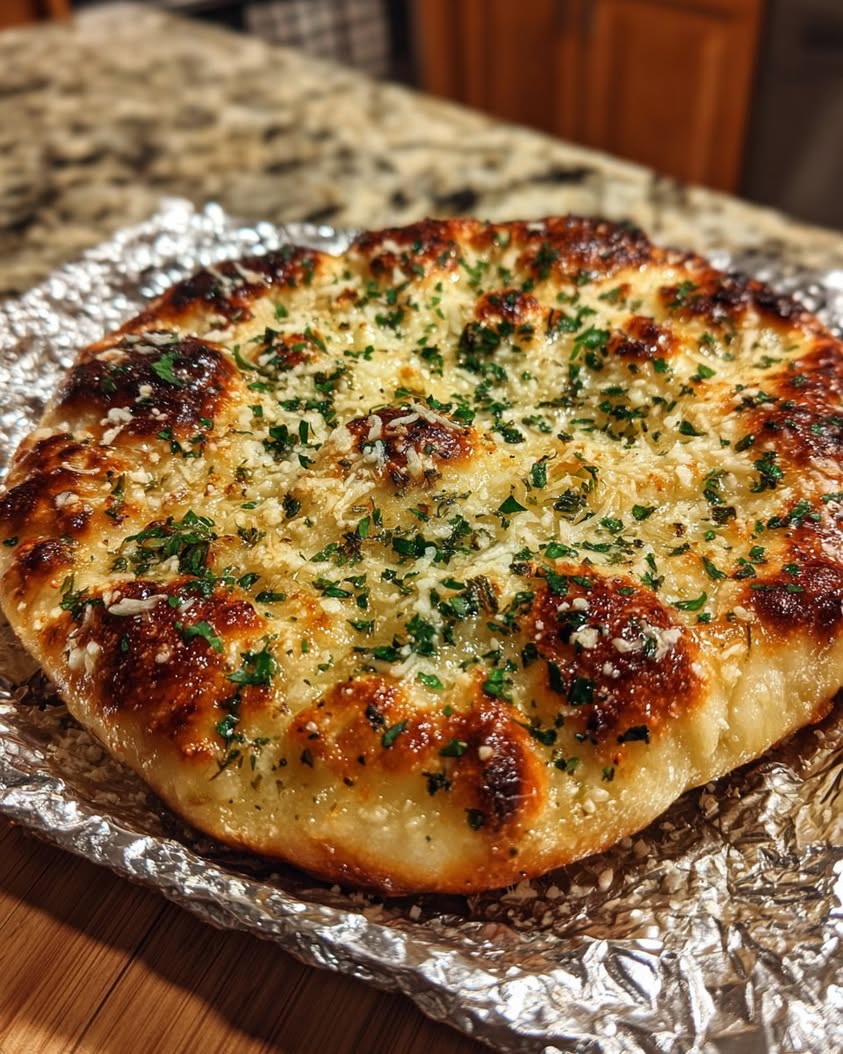
Roasted Garlic and Herb Flatbread with Parmesan: A Crispy, Savory Homemade Delight
Imagine pulling a golden, bubbly flatbread from your oven. The aroma of roasted garlic and fresh herbs fills your kitchen. This easy roasted garlic and herb flatbread with Parmesan recipe delivers that exact experience. Moreover, it transforms simple pantry staples into an impressive appetizer or side dish. The process is straightforward, and the results are consistently delicious. Consequently, you will want to make this flatbread recipe again and again.
The magic of this flatbread lies in its beautiful contrasts. You get a crisp, chewy crust topped with creamy, mellow roasted garlic. Next, fragrant herbs and salty Parmesan cheese create layers of flavor. This homemade flatbread feels special, yet it requires no advanced baking skills. Ultimately, it is the perfect project for a weeknight dinner or weekend gathering. Let us explore how to create this culinary masterpiece in your own kitchen.
Quick Recipe Highlights
- Flavor Profile: This easy roasted garlic and herb flatbread with Parmesan recipe features deep, sweet notes from roasted garlic. Furthermore, it balances those with the bright, earthy flavors of fresh herbs. Finally, a generous sprinkle of nutty Parmesan cheese adds a savory, salty finish.
- Texture: The flatbread bakes to a wonderfully crisp exterior with a tender, slightly chewy interior. Additionally, the toppings meld into a cohesive layer that is both creamy and crisp in spots.
- Aroma: While baking, the scent of roasting garlic and toasting herbs is irresistible. Subsequently, the nutty fragrance of browning Parmesan cheese completes the aromatic experience.
- Visual Appeal: The finished flatbread boasts a gorgeous golden-brown crust. Meanwhile, flecks of green herbs and white cheese create a rustic, inviting presentation.
- Skill Level Needed: This is a beginner-friendly recipe. Importantly, it uses a simple dough that does not require yeast or lengthy rising times.
- Special Equipment: You only need a mixing bowl, a rolling pin, and a baking sheet. A pizza stone can elevate the crust but is not mandatory.
Recipe Overview
- Difficulty Level: We rate this easy roasted garlic and herb flatbread with Parmesan recipe as easy. The dough comes together quickly without yeast. Also, the roasting garlic step is simple. Therefore, even novice cooks can achieve fantastic results on their first attempt.
- Category: This versatile flatbread fits into multiple categories. It works perfectly as a shareable appetizer, a side for soups and salads, or even a light main course.
- Cuisine: While flatbread has roots in many global cuisines, this recipe leans into Italian and Mediterranean flavors. The use of olive oil, Parmesan, and herbs like rosemary and thyme is classic.
- Cost: This is a very budget-friendly recipe. The base ingredients like flour, yogurt, and garlic are inexpensive. Consequently, you can create a restaurant-quality dish for a fraction of the cost.
- Season: This flatbread is fantastic year-round. However, it pairs exceptionally well with summer salads or cozy winter soups. Fresh herbs from a summer garden make it especially vibrant.
- Occasion: It is ideal for casual dinners, game day gatherings, wine nights, or as a pre-dinner snack. It is also elegant enough for a dinner party starter.
Why You’ll Love This Recipe
First, the taste and texture are utterly addictive. The sweet, caramelized roasted garlic spreads like butter across the warm dough. Then, each bite delivers a symphony of herbal notes and rich, umami cheese. The crust provides the perfect sturdy yet yielding base. This easy roasted garlic and herb flatbread with Parmesan recipe satisfies cravings for something savory, cheesy, and homemade. It is far superior to any store-bought version.
Next, consider the sheer convenience. This flatbread recipe uses a brilliant shortcut dough made with Greek yogurt. As a result, there is no waiting for yeast to proof or dough to rise. You can go from idea to eating in well under an hour. The active prep time is minimal, leaving you free to prepare other parts of your meal. It is the ultimate solution for a quick, impressive bread option.
Furthermore, this recipe offers notable nutritional advantages compared to traditional pizza dough. Using Greek yogurt adds protein and probiotics. Olive oil provides heart-healthy fats. Garlic is renowned for its immune-boosting properties. When you choose whole-grain flour, you increase the fiber content. Therefore, this flatbread can be part of a balanced diet.
Socially, this flatbread is a star. It is meant to be torn and shared, fostering a communal dining experience. Placing a warm, fragrant flatbread in the center of the table instantly creates a welcoming atmosphere. It is a conversation starter and a guaranteed crowd-pleaser for guests of all ages. You can easily double the recipe for larger groups.
Finally, the cost-effectiveness is outstanding. For the price of one artisanal flatbread at a restaurant, you can make several at home. The ingredients are pantry staples with a long shelf life. This makes the recipe accessible and repeatable without straining your grocery budget. You gain restaurant-quality results with home kitchen economics.
Historical Background and Cultural Significance
Flatbread is arguably the oldest form of bread, with evidence dating back thousands of years across civilizations. Almost every culture has a version, from Indian naan to Middle Eastern pita to Italian focaccia. These breads were practical, often cooked on hot stones or in communal ovens. Our easy roasted garlic and herb flatbread with Parmesan recipe draws inspiration from this rich, global tradition. It simplifies the method while honoring the spirit of combining simple, local ingredients.
Specifically, the use of garlic and herbs as toppings has deep roots in Mediterranean cuisine. Garlic was cultivated in ancient Egypt and prized by Romans for both flavor and medicinal value. Herbs like rosemary and thyme grew wild in the Mediterranean hills. Combining them with olive oil and a grain base is a timeless practice. This recipe modernizes that tradition for the contemporary home kitchen.
The evolution of this recipe style is fascinating. Originally, flatbreads were unleavened. Later, bakers introduced yeast for leavening. Our version uses a modern hack—Greek yogurt—to create a tender, quick-rise texture without yeast. This reflects how home cooking adapts classic techniques for convenience without sacrificing soul. The addition of Parmesan, a cheese with history dating to the Middle Ages in Italy, adds another layer of cultural depth.
Regional variations of herbed flatbread are endless. In the south of France, you might find fougasse studded with olives and herbs. In Turkey, there is herb-laden pide. Our recipe is a versatile template. You can easily adapt it with different cheeses, herbs, or infused oils to reflect other culinary traditions. It serves as a delicious gateway to exploring world cuisines from your own oven.
Ingredient Deep Dive
Let us start with the star: garlic. Garlic has been a culinary cornerstone for millennia, believed to have originated in Central Asia. When roasted, its sharp, pungent flavor transforms into a sweet, nutty, spreadable paste. Nutritionally, it is packed with allicin, a compound linked to cardiovascular and immune benefits. For this recipe, select firm, plump heads with tight, papery skin. Store garlic in a cool, dark, dry place—not in the refrigerator. If you must substitute, a tablespoon of high-quality garlic confit or even a mild garlic powder in a pinch can work.
Greek yogurt is the secret to our quick dough. This strained yogurt provides thickness, tang, and protein. Historically, straining yogurt was a preservation method in many cultures. In baking, its acidity reacts with baking powder to create lift, mimicking a yeasted rise. Opt for full-fat Greek yogurt for the richest texture and flavor. Non-fat will work but may yield a slightly less tender crust. For a dairy-free version, a thick, unsweetened plant-based yogurt can be tested as a substitute.
Fresh herbs are non-negotiable for vibrant flavor. Rosemary, with its piney fragrance, has symbolized remembrance and fidelity since ancient times. Thyme, associated with courage in the medieval period, offers a subtle, earthy warmth. Together, they create a classic Mediterranean profile. Always choose herbs that look bright green and perky, not wilted. To store, wrap them in a damp paper towel and place in a sealed container in the fridge. In a pinch, you can use dried herbs, but use only one-third the amount as their flavor is more concentrated.
Parmesan cheese, or Parmigiano-Reggiano, is a hard, granular cheese from Italy with a protected designation of origin. It is aged for at least 12 months, developing complex, umami-rich flavors. It adds a salty, nutty depth that perfectly complements the sweet garlic. For the best results, buy a block and grate it yourself; pre-grated cheese often contains anti-caking agents that hinder melting. Store Parmesan wrapped in parchment paper inside a sealed bag in the refrigerator. As a substitute, a similar aged hard cheese like Pecorino Romano or Grana Padano works well.
Common Mistakes to Avoid
- Overworking the Dough: Kneading the yogurt-based dough too much develops gluten, making the flatbread tough. Mix just until the dough comes together into a shaggy ball.
- Using Cold Yogurt: Straight-from-the-fridge yogurt makes the dough stiff and harder to work with. Let your yogurt sit at room temperature for 10-15 minutes before mixing.
- Skipping the Garlic Roasting: Raw garlic will burn and taste harsh. Roasting is essential for developing the sweet, mellow flavor that defines this easy roasted garlic and herb flatbread with Parmesan recipe.
- Rolling the Dough Too Thin: If rolled paper-thin, the flatbread can become cracker-like and lose its pleasing chew. Aim for about 1/4-inch thickness.
- Not Preheating the Baking Sheet: Placing the dough on a cold sheet prevents a crisp bottom crust. Always preheat your pan or stone in the oven.
- Overloading with Toppings: Piling on too much cheese or garlic can weigh down the dough and make it soggy. A light, even layer is more effective.
- Underseasoning: The dough itself needs salt. Do not rely solely on the Parmesan for seasoning. Season each component lightly.
- Cutting Immediately: Let the flatbread rest for 2-3 minutes after baking. This allows the cheese to set slightly, making for cleaner cuts.
Essential Techniques
Roasting garlic is a fundamental technique for unlocking deep flavor. First, slice the top off a whole head to expose the cloves. Drizzle with oil, wrap in foil, and bake until the cloves are soft and golden-brown. This process caramelizes the natural sugars, taming the sharp bite. The key visual cue is squeezability; the cloves should easily pop out of their skins when gently pressed. A common pitfall is under-roasting, which leaves the garlic with a bitter, raw edge.
Creating the yogurt dough requires a gentle hand. Combine the flour, baking powder, and salt first. Then, add the yogurt and mix with a fork until a shaggy mass forms. Use your hands to gently knead it just 5-6 times in the bowl to bring it together. Over-kneading is the primary mistake here, as it leads to a dense, tough flatbread. The dough should be slightly sticky but manageable. If it is too wet, add a tablespoon of flour; if too dry, add a teaspoon of water.
Rolling and shaping the dough is next. Lightly flour your surface and rolling pin. Roll the dough into your desired shape—a rustic oval or rectangle is perfect. Do not worry about perfection. The technique is to roll from the center outward, turning the dough occasionally to prevent sticking. The goal is an even thickness, about 1/4-inch, for consistent baking. If the dough springs back, let it rest for 5 minutes to relax the gluten before continuing.
Pro Tips for Perfect Roasted Garlic and Herb Flatbread
First, infuse your olive oil. Warm the oil with the minced herbs for a few minutes before brushing it on the dough. This creates an instant herb-infused base layer.
Second, use semolina or cornmeal on your baking sheet. This prevents sticking and adds a delightful gritty texture to the crust’s underside.
Third, create a flavor paste. Mash the roasted garlic cloves with a pinch of salt and a drizzle of oil into a smooth paste before spreading. This ensures even distribution.
Fourth, bake on the lowest oven rack. This positions the flatbread closer to the heat source, guaranteeing a crisp, golden bottom.
Fifth, finish with fresh herbs. Add a sprinkle of chopped fresh herbs right after baking for a burst of color and bright flavor.
Sixth, try a drizzle. After baking, a light drizzle of high-quality extra virgin olive oil or even a balsamic glaze elevates the flatbread instantly.
Variations and Adaptations
For regional variations, consider adding sliced olives and sun-dried tomatoes for a Greek twist. Alternatively, top with caramelized onions and Gruyère for a French-inspired flavor. A sprinkle of za’atar and a drizzle of tahini after baking transports it to the Middle East. The basic dough is a perfect canvas for global flavors.
Seasonal adaptations are simple. In spring, top with fresh peas, lemon zest, and ricotta. For summer, use ripe cherry tomatoes and fresh basil. Autumn calls for roasted squash and sage. In winter, a topping of wild mushrooms and truffle oil feels luxurious.
Dietary modifications are straightforward. For gluten-free flatbread, use a 1:1 gluten-free flour blend. To make it dairy-free, substitute the yogurt with a thick, unsweetened plant-based yogurt and use a vegan Parmesan alternative. For a vegan version, ensure your sugar is vegan and use the dairy-free swaps mentioned.
Flavor variations are endless. Swap the herbs for pesto as a base. Add chili flakes for heat. Incorporate crumbled cooked sausage or pancetta before baking. Use different cheeses like feta, goat cheese, or mozzarella.
Serving and Presentation Guide
For plating, place the whole flatbread on a large wooden board or a simple platter. Provide a pizza cutter or sharp knife for guests to cut their own pieces. This encourages a hands-on, communal feel. Alternatively, pre-cut it into rustic strips or squares for easier grabbing.
Garnishing is key for visual appeal. A final flourish of flaky sea salt, cracked black pepper, and a handful of microgreens or arugula adds color and freshness. A light grating of extra Parmesan over the top while still warm makes it look professional.
Traditional accompaniments include a simple tomato-basil soup for dipping or a crisp, green salad. It also pairs beautifully with antipasto platters featuring cured meats, olives, and marinated vegetables.
For a modern twist, serve it as part of a “flatbread bar” with small bowls of additional toppings like prosciutto, arugula, or different cheeses for guests to customize their slices.
Wine and Beverage Pairing
Wine pairings should complement the savory, herbal notes. A crisp, unoaked white like Sauvignon Blanc or Pinot Grigio cuts through the richness beautifully. For red wine lovers, a light-bodied, low-tannin red such as a Chianti or Pinot Noir works well without overwhelming the garlic.
Non-alcoholic alternatives are just as important. Sparkling water with a twist of lemon cleanses the palate. A chilled herbal iced tea, like rosemary-lemon or mint, echoes the herbal themes in the flatbread.
If serving for brunch or with coffee, a medium-roast coffee with low acidity complements the savory elements. Avoid overly sweet or flavored coffees that can clash with the garlic and Parmesan.
Storage and Shelf Life
Store leftover flatbread in an airtight container or wrapped tightly in foil at room temperature for up to 2 days. The crust will soften over time. For longer storage, freeze the fully cooled flatbread on a baking sheet, then transfer to a freezer bag for up to 2 months.
Reheating is crucial for restoring texture. Avoid the microwave, as it will make the flatbread soggy. Instead, reheat in a 350°F oven or toaster oven for 5-7 minutes until warm and crisp. You can also re-crisp it in a dry skillet over medium heat for 1-2 minutes per side.
Signs of spoilage include mold (visible fuzzy spots), an off or sour smell, or an excessively tough or stale texture. When in doubt, discard it.
Make Ahead Strategies
You can prepare components ahead of time. Roast the garlic up to 5 days in advance and store the squeezed cloves in an airtight container in the fridge. Mix the dry ingredients for the dough a day ahead. You can even shape the dough, place it on parchment paper, cover, and refrigerate for up to 8 hours before baking.
For full assembly, bake the flatbread until just set but not fully browned. Let it cool, then freeze. When ready to serve, bake from frozen in a hot oven, adding a fresh sprinkle of Parmesan in the last few minutes.
Adding fresh elements after reheating is key. Always add a final sprinkle of fresh herbs or a drizzle of oil after the final bake to revive the flavors and appearance.
Scaling Instructions
This easy roasted garlic and herb flatbread with Parmesan recipe scales beautifully. To halve it, simply divide all ingredients by two. Use a smaller baking sheet. The bake time may be slightly shorter, so start checking at 15 minutes.
To double or triple, multiply all ingredients accordingly. You will likely need to bake in batches unless you have multiple ovens and large baking sheets. Keep the rolled, unbaked dough covered while the first batch cooks to prevent drying.
The main equipment consideration is oven space. Ensure you have enough baking sheets. The timing remains the same per batch, but your total kitchen time will increase.
Nutritional Deep Dive
This flatbread provides a balance of macronutrients. The flour and yogurt offer carbohydrates and protein for energy. Olive oil contributes healthy monounsaturated fats. Parmesan adds more protein and calcium. Using whole wheat flour increases the fiber content significantly.
Micronutrient highlights include calcium from dairy, allicin from garlic, and various antioxidants from fresh herbs and olive oil. These compounds support bone health, cardiovascular function, and reduce inflammation.
For portion control, one serving (a quarter of the flatbread) is satisfying alongside a salad or soup. To fit into specific dietary goals, you can adjust the cheese amount or use a lower-fat yogurt.
Dietary Adaptations
For a gluten-free version, use a certified gluten-free 1:1 baking flour blend. Ensure your baking powder is also gluten-free. The texture may be slightly more delicate but will still be delicious.
To make it dairy-free, substitute the Greek yogurt with an equal amount of thick, unsweetened plant-based yogurt (like coconut or soy). Use a high-quality vegan Parmesan shreds or nutritional yeast for the cheesy flavor.
For a vegan flatbread, follow the dairy-free guidelines above. Also, ensure the sugar you use is vegan (some refined white sugar uses bone char in processing).
A low-carb or keto adaptation would require a completely different dough base, such as one made with almond flour and mozzarella cheese. The garlic and herb topping would remain excellent.
Troubleshooting Guide
If your dough is too sticky, incorporate an additional tablespoon of flour at a time until it is manageable. Conversely, if it is too dry and crumbly, add water or yogurt one teaspoon at a time until it comes together.
If the bottom is not crispy enough, your oven rack was likely too high or the baking sheet was not preheated. Next time, bake on the lowest rack and ensure your pan is hot. You can also finish the flatbread directly on the oven rack for the last 2-3 minutes.
If the herbs are burning before the crust is done, you may have chopped them too finely or the oven temperature is too high. Try using whole or roughly chopped herb leaves, or add them halfway through the baking time.
If the flavor seems bland, you likely under-salted the dough or used insufficient garlic. Season each component individually. Taste your roasted garlic paste before spreading and adjust with salt.
Recipe Success Stories
Many home cooks have shared their triumphs with this easy roasted garlic and herb flatbread with Parmesan recipe. One reader reported it became their go-to appetizer for book club, always receiving rave reviews. Another found that adding a thin layer of fig jam under the garlic created a sweet-savory hit that wowed dinner party guests.
Families love getting kids involved in the process—letting them brush on the oil or sprinkle the cheese. It is a fantastic way to introduce children to homemade baking with quick, visible results. Several readers have successfully adapted it for gluten-free diets, using their favorite blends with great success.
Frequently Asked Questions
Can I use dried herbs instead of fresh? Yes, but use only one-third the amount since dried herbs are more potent. Add them to the olive oil before brushing to help rehydrate them slightly.
What can I use instead of Greek yogurt? Regular plain yogurt, strained through cheesecloth for 30 minutes, works. Sour cream or buttermilk can also work but will slightly alter the texture and tang.
Do I need a pizza stone? No, a preheated baking sheet works perfectly. A pizza stone will yield a slightly crisper crust but is not necessary for great results.
Can I make the dough ahead of time? You can mix the dough, wrap it tightly in plastic, and refrigerate for up to 24 hours. Let it come to room temperature for 20 minutes before rolling.
Why is my flatbread tough? This is almost always due to over-kneading the dough. Mix just until combined and knead minimally for a tender texture.
Can I add other toppings before baking? Absolutely. Just keep toppings light and dry to prevent a soggy crust. Pre-cook watery vegetables like mushrooms or zucchini.
How do I know when the garlic is done roasting? The cloves should be deeply golden, very soft, and easily squeezed from their skins. This usually takes 40-45 minutes at 400°F.
Is there a way to roast garlic faster? You can separate the cloves, peel them, and roast them in a small oven-safe dish with oil for 20-25 minutes at 400°F.
Can I use pre-minced jarred garlic? For the roasted garlic paste, no—it will not caramelize properly. For the raw garlic in the herb oil, it can work in a pinch, but fresh is superior.
What’s the best way to reheat leftovers? Always use an oven or toaster oven at 350°F until warm and re-crisped. The microwave will make it chewy and soggy.
Additional Resources
If you loved this easy roasted garlic and herb flatbread with Parmesan recipe, explore other simple bread recipes on our site. A no-knead focaccia or a quick skillet naan would be excellent next projects. For more garlic-forward dishes, try our roasted garlic soup or garlic confit guide.
To master the dough technique, watch our video tutorial on working with yogurt-based doughs. It covers the perfect consistency and rolling tips in detail. We also have a comprehensive guide to selecting and storing fresh herbs to maximize their flavor in your cooking.
Consider investing in a few key tools: a reliable half-sheet baking pan, a microplane for finely grating cheese, and a good rolling pin. These will serve you well for this recipe and countless others in your culinary journey.
{“success”:true,”message”:”Recipe created successfully”,”post_id”:7640,”tasty_recipe_id”:7640,”shortcode”:” Print
Roasted Garlic and Herb Flatbread with Parmesan
Description
A crispy, aromatic flatbread topped with roasted garlic, fresh herbs, and melted Parmesan cheese, perfect as an appetizer or side dish.
Ingredients
For the Crust:
- 1 pound pizza dough, store-bought or homemade
- 1 whole head of garlic
- 2 tablespoons olive oil
- 1/4 cup fresh parsley, chopped
- 2 tablespoons fresh rosemary, chopped
- 1/2 cup grated Parmesan cheese
- 1/2 teaspoon sea salt
- 1/4 teaspoon black pepper
Instructions
1. Prepare the Crust:
- Preheat the oven to 400°F (200°C). Slice the top off the garlic head, drizzle with 1 tablespoon of olive oil, wrap in foil, and roast for 30 minutes until soft.
- Roll out the pizza dough on a floured surface into a thin, rectangular shape and place on a baking sheet lined with parchment paper.
- Squeeze the roasted garlic cloves into a small bowl, mash with a fork, and spread evenly over the dough. Drizzle with the remaining olive oil and sprinkle with herbs, Parmesan, salt, and pepper.
- Bake for 15-20 minutes until the edges are golden and crispy. Let cool slightly before slicing and serving.
Notes
You can customize the seasonings to taste.

I’m Billy, a classically trained culinary school graduate from The Culinary Institute of America with over 12 years in the restaurant industry and over 19 years of cooking experience.