
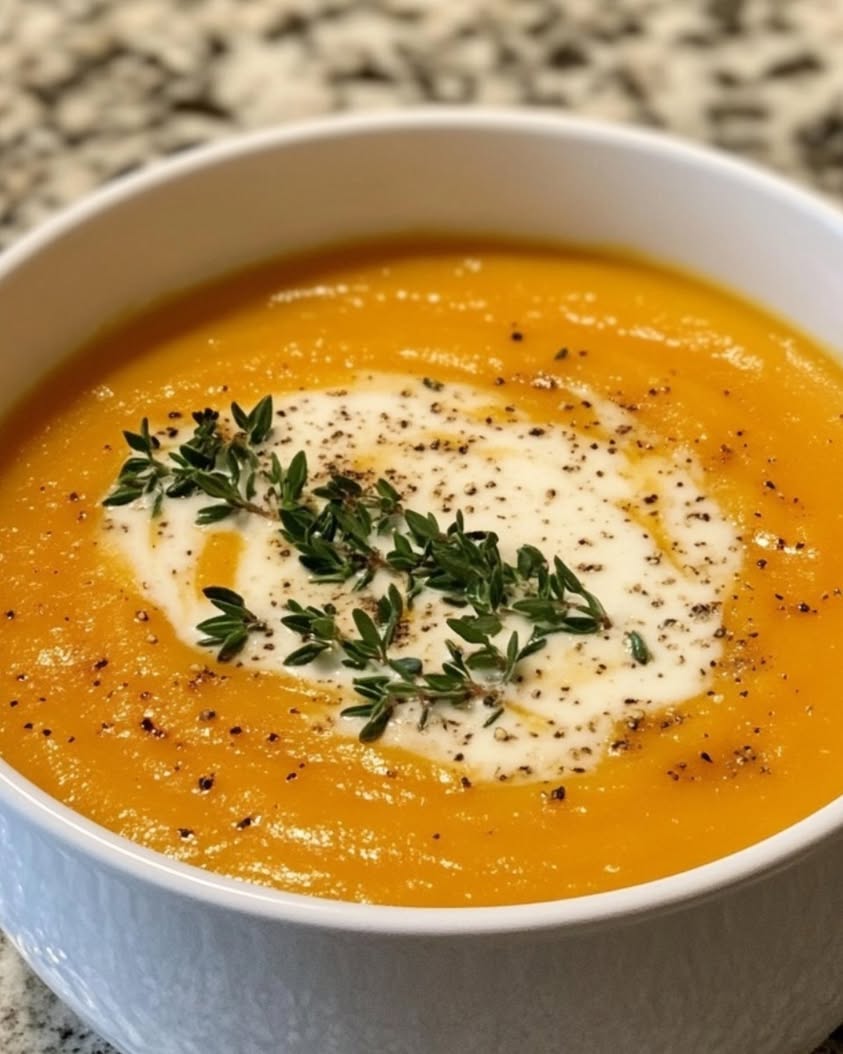
Roasted Pear, Parsnip & Sweet Potato Soup with Thyme: A Creamy Autumn Delight
Welcome to the ultimate guide for making a creamy roasted pear and root vegetable soup with thyme. This recipe transforms humble ingredients into a velvety, elegant bowl of comfort. Moreover, the process is incredibly simple, relying on the magic of oven roasting to deepen every flavor. Consequently, you get a soup that tastes like it simmered for hours, yet it comes together in about an hour.
Imagine the sweet caramelization of pears and sweet potatoes meeting the earthy, slightly peppery notes of parsnips. Then, fresh thyme weaves it all together with its aromatic, woodsy fragrance. Ultimately, this roasted pear and root vegetable soup with thyme is a celebration of fall produce. It is perfect for a cozy weeknight dinner yet impressive enough for a holiday starter. Let’s explore how to make this seasonal masterpiece.
Firstly, this soup is a nutritional powerhouse, packed with vitamins, fiber, and antioxidants. Secondly, it is naturally gluten-free and can easily be made vegan. Finally, its make-ahead friendly nature means you can enjoy it all week long. Therefore, whether you are a seasoned cook or a beginner, this guide will ensure your soup is perfect every single time.
Quick Recipe Highlights
- Flavor Profile: This soup boasts a beautiful balance of natural sweetness from the roasted pears and sweet potatoes, complemented by the earthy, slightly spicy undertone of parsnips. The fresh thyme adds a classic, aromatic herbaceous note that ties everything together without overpowering the delicate vegetable flavors.
- Texture: After blending, the soup achieves an incredibly smooth, velvety, and luxurious consistency. The roasting process breaks down the fibers in the vegetables and fruit, resulting in a creamy puree that feels rich and satisfying on the palate, even without heavy cream.
- Aroma: While roasting, your kitchen will fill with the irresistible scents of caramelizing fruit, toasty root vegetables, and fragrant thyme. Afterward, the finished soup has a warm, sweet, and savory aroma that promises comfort in every spoonful.
- Visual Appeal: The soup has a gorgeous, warm golden-orange hue, often with subtle specks of thyme. It presents beautifully in a bowl, especially when garnished with a drizzle of cream, a fresh thyme sprig, or some crunchy roasted pepitas for contrast.
- Skill Level Needed: This is a beginner-friendly recipe. The core techniques—chopping vegetables, roasting a tray, and blending—are fundamental. There is no fussy sauteing or precise timing required, making it a very forgiving dish for cooks of all levels.
- Special Equipment: You will need a good baking sheet for roasting, a large pot for simmering the broth, and a blender or immersion blender. A high-speed blender yields the silkiest texture, but an immersion blender works perfectly well for a rustic, creamy soup.
Recipe Overview
- Difficulty Level: We rate this recipe as “Easy” because it involves straightforward techniques like chopping, roasting, and blending. There are no complex reductions, intricate knife skills, or temperamental ingredients. The oven does most of the work, developing deep flavors effortlessly. Consequently, even novice cooks can achieve restaurant-quality results with minimal stress.
- Category: This dish falls squarely into the categories of Soup, Appetizer, and Main Course. It is substantial enough to be a light lunch or dinner with a side of crusty bread. Alternatively, it serves as an elegant starter for a multi-course meal, especially during the autumn and winter holidays.
- Cuisine: While not tied to one specific tradition, this soup draws inspiration from modern American and European farm-to-table cooking. It emphasizes seasonal, rustic ingredients prepared in a simple yet refined way. The technique of roasting vegetables for soup is a global practice that enhances natural flavors beautifully.
- Cost: This is a very cost-effective recipe, especially when pears, parsnips, and sweet potatoes are in season. The base ingredients are inexpensive pantry staples. The only potential splurge is a high-quality vegetable broth, which significantly impacts the final flavor. Overall, it yields four generous servings for a very reasonable price.
- Season: This roasted pear and root vegetable soup with thyme is quintessential autumn and winter fare. These ingredients are at their peak sweetness and affordability during the cooler months. The warm, hearty nature of the soup is perfectly suited for chilly days, though it can be enjoyed year-round.
- Occasion: It is ideal for a quiet family dinner, a casual weekend lunch, or a festive holiday gathering like Thanksgiving or Christmas. Its make-ahead capability also makes it perfect for meal prep, ensuring you have healthy, delicious meals ready throughout a busy week.
Why You’ll Love This Recipe
You will adore this creamy roasted pear and root vegetable soup with thyme first and foremost for its incredible depth of flavor. Roasting is the key technique here, as it transforms the natural sugars in the pears, sweet potatoes, and parsnips. This process creates a complex, caramelized sweetness that you simply cannot achieve by boiling alone. Furthermore, the thyme becomes fragrant and slightly crispy in the oven, infusing the oil and vegetables with its essence. Therefore, every spoonful is a harmonious blend of sweet, savory, and herbal notes that feels both comforting and sophisticated.
Another major benefit is the sheer convenience and hands-off preparation. After you chop the vegetables and pears, you simply toss them with oil and thyme on a sheet pan. Then, the oven takes over for about 40 minutes. During this time, you can clean up, prepare garnishes, or simply relax. This makes the recipe exceptionally approachable for busy weeknights. Moreover, the final blending step is quick and results in a luxuriously smooth texture without the need for any heavy cream, although a splash can be added for extra richness.
From a nutritional standpoint, this soup is a powerhouse. Sweet potatoes and pears provide a significant amount of dietary fiber, vitamins A and C, and antioxidants. Parsnips contribute additional fiber, folate, and potassium. Using a good-quality vegetable broth keeps the soup base light and allows the vegetable flavors to shine. Consequently, this dish supports digestive health, boosts immunity, and provides sustained energy. It is a delicious way to nourish your body with whole, plant-based foods.
This roasted pear and root vegetable soup with thyme also holds tremendous value for entertaining. It can be made completely a day or two in advance, with the flavors often improving overnight. This means no last-minute stress when you have guests. You can gently reheat the soup while you focus on other elements of your meal. Served in elegant bowls with a thoughtful garnish, it looks and tastes like it came from a high-end bistro. It is a guaranteed crowd-pleaser that caters to various dietary preferences with minimal adjustment.
Finally, the cost-effectiveness and accessibility of the ingredients make this a staple-worthy recipe. Root vegetables and pears are typically affordable, especially in season. You likely already have olive oil, salt, pepper, and thyme in your pantry. The recipe is also incredibly adaptable; you can substitute other root vegetables like carrots or celery root based on what you have available. This flexibility ensures you can create a delicious, healthy meal without a special trip to the grocery store, making it a practical choice for any home cook.
Historical Background and Cultural Significance
The practice of making soup from roasted vegetables is a timeless technique rooted in culinary traditions across the globe. Historically, roasting over an open fire was one of the earliest cooking methods, used to concentrate flavors and make tough ingredients more palatable. The combination of sweet and savory elements in soup, however, has a more specific lineage. In European cooking, particularly in French and British cuisines, fruit-based soups and potages featuring root vegetables have been documented for centuries. These dishes were often ways to preserve and utilize the autumn harvest, creating nourishing meals for the winter months.
Culturally, soups like this roasted pear and root vegetable soup with thyme represent a celebration of seasonal abundance. The “root cellar” mentality, where hardy vegetables and fruits stored through the winter formed the basis of the diet, is honored in this recipe. Parsnips, for instance, were a staple in Europe before the introduction of the potato. Their sweet flavor after a frost made them a valuable source of nutrition. Similarly, pears have been cultivated for thousands of years and were often preserved or cooked into savory dishes to balance rich meats. This soup is a modern reflection of that historical practicality and flavor wisdom.
The evolution of this recipe is a story of modern convenience meeting traditional flavor. While our ancestors might have slowly cooked a similar combination in a pot over a hearth, the contemporary use of a high-temperature oven to roast the ingredients first is a game-changer. This technique, popularized in recent decades by the focus on caramelization and depth in vegetarian cooking, intensifies the natural sugars. The immersion blender or countertop blender is another modern tool that allows for the ultra-smooth, creamy texture we expect today. Therefore, this dish is a beautiful fusion of old-world ingredients and new-world technique.
Regional variations of creamy vegetable soups are endless. In the American South, a sweet potato soup might include warm spices like cinnamon and nutmeg. In France, a *potage parmentier* (leek and potato soup) is a classic starting point. This roasted pear and root vegetable soup with thyme sits comfortably between these traditions. A regional adaptation could involve using local apple cider in the broth for a Northeastern twist, or adding a touch of maple syrup for a Canadian influence. The thyme is a versatile herb used widely in Mediterranean and North American cooking, making this a globally inspired yet locally adaptable recipe.
Ingredient Deep Dive
Pears: Choose ripe but firm pears, such as Bosc or Anjou, for this soup. Bosc pears are ideal because they hold their shape well during roasting. Historically, pears have been symbols of immortality and prosperity in various cultures. Nutritionally, they are an excellent source of dietary fiber and vitamin C. Their natural sweetness reduces the need for added sugar. For storage, keep unripe pears at room temperature and refrigerate ripe ones. If pears are unavailable, a firm, tart apple like Granny Smith can be a good substitute, though the flavor will be slightly different.
Parsnips: This pale root vegetable looks like a white carrot and has a sweet, nutty, slightly spicy flavor that becomes magnificently mellow when roasted. Parsnips were a fundamental food in Europe before potatoes arrived. They are rich in fiber, vitamin C, vitamin K, and folate. When selecting parsnips, choose medium-sized, firm roots without soft spots or extensive hairy roots. Avoid very large ones, as they can have a woody core. Store them in the vegetable crisper drawer of your refrigerator. If you cannot find parsnips, carrots make a suitable substitute, though the soup will lose its distinctive earthy-peppery note.
Sweet Potatoes: Vibrant orange sweet potatoes are packed with beta-carotene, which the body converts to vitamin A. They also provide vitamin C, manganese, and fiber. Their creamy texture when cooked is essential for the soup’s body. There are two main types: firm, white-fleshed and soft, orange-fleshed. For this soup, use the orange-fleshed variety (often labeled as yams in U.S. supermarkets) for their sweetness and color. Choose firm potatoes without wrinkles or soft spots. Store them in a cool, dark, well-ventilated place—not the refrigerator. As a substitute, regular potatoes or carrots can work, but the color and sweetness profile will change.
Fresh Thyme: This woody, aromatic herb is the flavor backbone of the soup. Thyme has been used since ancient times for culinary and medicinal purposes, valued for its antiseptic properties. Its tiny leaves release a warm, slightly minty, lemony fragrance that pairs perfectly with roasted vegetables. Fresh thyme is vastly superior to dried in this recipe because it roasts beautifully. Look for bright green, perky sprigs. To store, wrap them in a damp paper towel and place in a plastic bag in the refrigerator. If you must substitute, use 1/3 the amount of dried thyme, but the flavor will be less vibrant.
Vegetable Broth: The quality of your broth directly influences the final taste of your roasted pear and root vegetable soup with thyme. A good, low-sodium vegetable broth allows you to control the seasoning. Homemade broth is ideal, but many store-bought brands are excellent. Look for ones with a short ingredient list, avoiding those with excessive salt or artificial flavors. For a richer flavor, you can use a mushroom-based broth. As an alternative, chicken broth works if you do not need the soup to be vegetarian. The broth acts as the unifying liquid that brings the pureed roasted vegetables together into a silky soup.
Common Mistakes to Avoid
- Cutting Vegetables Unevenly: If your pear, parsnip, and sweet potato pieces are different sizes, they will roast unevenly. Consequently, some pieces may burn while others remain undercooked and hard. Always aim for a uniform 1-inch dice to ensure everything caramelizes perfectly at the same rate.
- Overcrowding the Baking Sheet: Piling all the vegetables onto one small pan causes them to steam instead of roast. You need space for hot air to circulate. Therefore, use a large, rimmed baking sheet and spread the pieces in a single layer. If necessary, use two sheets to avoid crowding.
- Using Dried Thyme Instead of Fresh: While dried thyme is a pantry staple, it lacks the bright, aromatic quality of fresh. Moreover, dried herbs can burn and become bitter in the high heat of the oven. Fresh thyme sprigs roast beautifully, infusing the oil and vegetables with a subtle, woodsy flavor.
- Skipping the Roasting Step: You might be tempted to boil the vegetables directly to save time. However, this will result in a flat, one-dimensional soup. Roasting is non-negotiable for developing the deep, caramelized sweetness that defines this creamy roasted pear and root vegetable soup with thyme.
- Adding Cold Broth to Hot Vegetables: When you transfer the roasted vegetables to the pot, adding icy-cold broth will shock them and slow the cooking process. Always warm your broth slightly before adding it. This helps maintain a steady simmer and allows the flavors to meld together more quickly.
- Under-Blending the Soup: A truly creamy texture requires patience. Blend the soup in batches if using a countertop blender, letting it run for a full minute or two per batch. For immersion blender users, move the blender around the pot thoroughly to catch every chunk. The goal is a perfectly velvety consistency.
- Seasoning at the End Only: Seasoning in layers is crucial. Be sure to salt and pepper the vegetables before they go into the oven. Then, season the soup again after blending. Taste and adjust carefully, as the flavors concentrate during cooking. This builds a more complex and well-rounded seasoning profile.
- Reheating at a Rapid Boil: When reheating leftovers, bring the soup to a gentle simmer over medium-low heat. A rolling boil can cause it to separate or scorch on the bottom of the pot. Stir occasionally to ensure even heating and to preserve that luxurious texture you worked so hard to create.
Essential Techniques
Uniform Chopping: Achieving evenly sized pieces is the first critical technique. Use a sharp chef’s knife to cut the pears, parsnips, and sweet potatoes into consistent 1-inch cubes. This ensures they cook at the same rate in the oven. Larger pieces will remain hard in the center, while smaller pieces may burn. Take your time with this step; it sets the foundation for perfect roasting. A visual cue for success is a baking sheet filled with pieces that all look roughly the same size.
High-Heat Roasting: Roasting at 400°F (200°C) is essential for caramelization. This high heat causes the natural sugars in the fruits and vegetables to brown and develop complex flavors. The technique involves tossing the pieces in oil to coat them evenly, which promotes browning and prevents sticking. Spread them in a single layer to allow hot air to circulate. The key visual cue is golden-brown edges and softened flesh that can be easily pierced with a fork. Avoid stirring too often, as this prevents good browning from forming.
Deglazing: After roasting, there will be delicious browned bits (fond) stuck to the baking sheet. Deglazing is the technique of adding a small amount of liquid (like a splash of your warm broth) to the hot pan and scraping those bits up with a wooden spoon. This incorporates all the concentrated, caramelized flavor into your soup. It is a simple step that adds immense depth. The cue for success is a clean(ish) pan and a dark, flavorful liquid ready to be poured into your soup pot.
Blending for Creaminess: Whether using a countertop blender or an immersion blender, the goal is a perfectly smooth puree. For a stand blender, work in batches and never fill the jar more than halfway with hot liquid. Hold the lid firmly with a towel to prevent steam pressure from blowing it off. Blend for a full 60-90 seconds per batch. With an immersion blender, submerge it fully and move it systematically around the pot until no chunks remain. The sound will change from a chunky rumble to a smooth whir when done.
Pro Tips for Perfect Roasted Pear, Parsnip & Sweet Potato Soup
First, for the deepest flavor, use a combination of olive oil and a tiny drizzle of maple syrup or honey when tossing the vegetables. The sweetener encourages even more caramelization during roasting.
Second, add a whole, unpeeled garlic clove or two to the roasting pan. The garlic will become soft, sweet, and spreadable, adding a wonderful background note to the blended soup.
Third, if you have an apple on hand, core it and roast it alongside the other ingredients. The added apple will contribute a lovely tartness that balances the sweetness beautifully.
Fourth, for an extra layer of flavor, sauté a finely chopped onion or leek in the soup pot before adding the roasted vegetables and broth. This builds a savory foundation.
Fifth, finish the soup with a touch of acidity. A squeeze of fresh lemon juice or a dash of apple cider vinegar added after blending brightens all the flavors and prevents the soup from tasting too flat or sweet.
Sixth, if the soup seems too thick after blending, thin it gradually with additional warm broth or even a bit of water until it reaches your desired consistency. Remember, it will thicken slightly as it cools.
Seventh, for a gourmet touch, garnish with contrasting textures. Try crispy fried sage leaves, toasted walnuts or pecans, a swirl of crème fraîche, or a sprinkle of smoked paprika.
Eighth, let the soup rest for 10-15 minutes after blending before serving. This allows the flavors to fully integrate and the temperature to become perfectly palatable.
Variations and Adaptations
Regional Variations: Give this soup a global twist. For a Moroccan-inspired version, add spices like cumin, coriander, and a pinch of cinnamon during roasting, and finish with a swirl of yogurt. For a French touch, use Herbes de Provence instead of thyme and finish with a splash of cream.
Seasonal Adaptations: In spring, substitute asparagus and green garlic for a lighter version. In summer, though less traditional, try roasting yellow squash and corn for a sweet summer soup. The basic technique remains the same, adapting to what is fresh.
Dietary Modifications: To make this soup vegan, ensure your vegetable broth is certified vegan and omit any dairy-based garnishes. For a nut-free version, use sunflower seeds or pepitas for garnish instead of walnuts. The base recipe is naturally gluten-free.
Flavor Variations: Introduce different aromatic profiles. Add a tablespoon of curry powder or garam masala to the vegetables before roasting for a warm, spiced soup. Alternatively, add a chipotle pepper in adobo sauce when blending for a smoky, spicy kick.
Texture Modifications: For a chunkier, more rustic soup, only blend half of the mixture and leave the rest as soft vegetable pieces. Alternatively, for an ultra-decadent texture, blend in a cooked, peeled russet potato or a quarter cup of raw cashews after roasting.
Presentation Alternatives: Serve the soup in a hollowed-out small pumpkin or acorn squash for a stunning fall presentation. For individual servings, use espresso cups or small mason jars as appetizer portions at a party. A drizzle of brightly colored herb oil (like parsley or basil) can create beautiful visual contrast.
Serving and Presentation Guide
Plating this soup is an opportunity to elevate a simple dish. Start with warm, shallow bowls to keep the soup hot longer. Ladle the soup carefully into the center of each bowl. For a professional look, you can use a spoon to create a swirl pattern on the surface or gently tap the bottom of the bowl to level the soup.
Garnishing is key for contrast. A drizzle of high-quality olive oil, a dollop of sour cream or crème fraîche, or a spoonful of plain yogurt adds richness and visual appeal. Sprinkle with fresh thyme leaves, cracked black pepper, or a delicate edible flower. For crunch, add toasted seeds (pumpkin, sunflower) or chopped nuts (pecans, hazelnuts).
Traditional accompaniments include a thick slice of crusty, buttered artisanal bread, warm dinner rolls, or savory scones. For a more substantial meal, pair it with a simple green salad dressed with a bright vinaigrette to cut through the soup’s creaminess. A grilled cheese sandwich is also a classic and beloved pairing.
Modern serving suggestions might include turning it into a “soup flight” by serving a small cup alongside other seasonal pureed soups, like a green pea or a tomato basil. You can also use it as a sophisticated sauce for a seared scallop or a piece of roasted chicken, thinning it slightly if needed.
Temperature considerations are important. Serve the soup hot, but not scalding. If making ahead, reheat it gently. Conversely, this soup can also be served slightly chilled or at room temperature on a warm autumn day, though the flavors will be more muted.
Portion control is easy with this nutrient-dense soup. A standard serving is about 1.5 to 2 cups per person for a main course. As an appetizer, ¾ to 1 cup is sufficient. Remember, it is very filling due to the fiber content, so start with modest portions—guests can always ask for more.
Wine and Beverage Pairing
Wine Pairings: The sweet and earthy notes of this roasted pear and root vegetable soup with thyme pair wonderfully with white wines that have good acidity and a touch of sweetness. An off-dry Riesling or Gewürztraminer complements the fruitiness without overpowering it. For a richer option, a lightly oaked Chardonnay can stand up to the soup’s creamy texture. If you prefer red, choose a light-bodied, low-tannin red like a Pinot Noir or Gamay (Beaujolais), served slightly chilled.
Non-Alcoholic Alternatives: Sparkling apple cider is a fantastic match, mirroring the autumnal fruit flavors. For a warmer option, a ginger-turmeric tea or a spiced chai latte highlights the soup’s warm spices. A simple glass of chilled, crisp pear or apple juice also works beautifully, especially for a lunch setting.
Coffee/Tea Pairings: After a dinner featuring this soup, a medium-roast coffee with notes of caramel or nut would be a lovely finish. For tea, consider a smoky Lapsang Souchong to contrast the sweetness, or a gentle chamomile or mint tea to aid digestion after the rich meal.
Temperature Considerations: Serve white wines and non-alcoholic sparkling ciders well-chilled (45-50°F). Light reds should be served at a cool cellar temperature (55°F). Warm beverages like tea or cider should be hot but not boiling to avoid numbing the palate for the next course.
Serving Suggestions: Always offer water alongside any paired beverage to cleanse the palate. If serving wine, pour a small tasting portion initially to allow guests to see how the pairing works for them. For a festive touch, garnish a non-alcoholic cider with a cinnamon stick or a thin apple slice.
Storage and Shelf Life
Proper storage is crucial for maintaining the quality and safety of your soup. Allow the soup to cool completely to room temperature before storing, but do not leave it out for more than two hours. Transfer it to airtight containers. Glass jars or BPA-free plastic containers with tight-fitting lids work best.
For refrigeration, the soup will keep well for 4 to 5 days. The flavors often improve after a day, as they have more time to meld. Store it in the main body of the refrigerator, not in the door, where temperatures fluctuate more. Always use clean utensils when scooping out portions to prevent contamination.
For freezing, this soup freezes exceptionally well. Portion it into freezer-safe bags or containers, leaving about an inch of headspace for expansion. Label with the date. It will maintain best quality for 2 to 3 months. Thaw overnight in the refrigerator before reheating.
Signs of spoilage include an off or sour smell, visible mold (often on the surface), or bubbles forming in the soup. If the texture seems unusually slimy or the color has darkened significantly, it is best to discard it. When in doubt, throw it out.
Reheating instructions are simple. Pour the desired amount into a saucepan and reheat over medium-low heat, stirring occasionally, until steaming hot. You can also reheat single portions in the microwave in a microwave-safe bowl, stirring every 60 seconds to ensure even heating. If the soup has thickened in storage, add a splash of broth or water while reheating to return it to the desired consistency.
Make Ahead Strategies
This roasted pear and root vegetable soup with thyme is an ideal make-ahead dish. You can break the recipe into stages to fit your schedule. For instance, you can chop all the vegetables and pears up to a day in advance. Store them in separate airtight containers or a large zip-top bag in the refrigerator. This cuts your active prep time significantly on the day of cooking.
You can also complete the entire roasting step ahead of time. Once the vegetables are roasted and slightly cooled, transfer them to an airtight container and refrigerate for up to two days. When ready to finish the soup, proceed with warming the broth, combining everything in the pot, and blending. The roasted vegetables may release some liquid, so you might need slightly less broth when you combine them.
The fully made soup actually benefits from being made 1-2 days ahead. The flavors have time to deepen and harmonize. Simply cool, store, and reheat gently before serving. Assess the texture after refrigeration, as it will thicken. You will likely need to thin it with a little extra warm broth or water when reheating to achieve the perfect creamy consistency.
For assembly, if serving for a party, reheat the soup in a large pot on the stove. Keep it warm over very low heat, stirring occasionally. Do not let it boil. For individual servings at a buffet, consider using a slow cooker on the “warm” setting to keep the soup at a perfect serving temperature for hours.
When making ahead, always add fresh garnishes at the last minute. Any dairy swirls, fresh herbs, or crunchy toppings should be added just before serving to maintain their texture, color, and flavor. This ensures your beautiful, make-ahead soup still tastes and looks freshly prepared.
Scaling Instructions
This recipe scales beautifully, whether you are cooking for one or for a crowd. To halve the recipe, simply use half of all the ingredients. Use a standard baking sheet—the smaller volume of vegetables will roast even faster, so check for doneness 5-10 minutes earlier. The blending step will be quicker with a smaller batch, especially if using an immersion blender.
For doubling or tripling, you will need to manage your roasting space. Do not pile all the vegetables onto one pan. Instead, use multiple baking sheets and rotate them in the oven halfway through cooking to ensure even browning. You may also need to work in more batches when blending, depending on the size of your blender. A large stockpot will be necessary for simmering the increased volume of broth and vegetables.
Equipment adjustments are key for scaling. A 6-quart pot is sufficient for the original or doubled recipe. For tripling, an 8-quart pot is better. If using a countertop blender, be prepared to blend in several batches. For very large batches, an immersion blender is more convenient, though it may take longer to achieve a perfectly smooth texture.
Timing modifications are minimal for scaling. The roasting time may increase slightly for a doubled batch if the pans are very full, as the steam released can slow browning. The simmering time after adding the broth will remain roughly the same (10-15 minutes), as you are just heating the vegetables through. The blending time will increase proportionally with the volume.
Storage considerations change with scale. A large batch is perfect for meal prep or freezing. Portion the soup into individual containers before freezing for easy grab-and-go lunches. Remember, a large pot of hot soup takes much longer to cool to a safe temperature for refrigeration. To speed cooling, you can place the pot in an ice bath or divide the soup into several shallow containers before placing it in the fridge.
Nutritional Deep Dive
This creamy roasted pear and root vegetable soup with thyme is a nutritional powerhouse. A typical serving provides a balanced mix of macronutrients: complex carbohydrates from the sweet potatoes and parsnips for sustained energy, a small amount of healthy fats from the olive oil, and a modest amount of plant-based protein. It is naturally low in saturated fat and cholesterol-free, making it heart-healthy.
The micronutrient profile is impressive. Sweet potatoes are famously rich in beta-carotene (vitamin A), essential for vision and immune function. Parsnips provide vitamin C, K, and folate. Pears contribute vitamin C and copper. Together, they offer a spectrum of B vitamins and minerals like potassium and manganese. The olive oil adds vitamin E, a potent antioxidant.
Specific health benefits include supporting digestive health due to the high fiber content, which promotes satiety and gut health. The antioxidants (vitamins A, C, E) combat oxidative stress and inflammation. The soup is hydrating and nutrient-dense, making it an excellent choice for overall wellness, especially during cold and flu season.
For dietary considerations, the soup is naturally vegetarian, gluten-free, and can be made vegan. It is not suitable for a strict keto or very low-carb diet due to the carbohydrate content from the root vegetables. However, for most balanced eating plans, it is an excellent source of whole-food carbohydrates.
Portion analysis shows that a 2-cup serving is very filling and can constitute a complete light meal. For weight management, its high fiber and water content promote feelings of fullness with a moderate calorie count. Pairing it with a lean protein source, like a bean salad or grilled chicken, can create a more balanced meal for those with higher energy needs.
Dietary Adaptations
Gluten-Free: This soup is naturally gluten-free. The only potential source of gluten would be in a store-bought vegetable broth that uses gluten as a thickener or flavoring. Always check labels and use a broth certified gluten-free to be safe. All other core ingredients are whole foods without gluten.
Dairy-Free: The base recipe contains no dairy. For garnishes, avoid sour cream, crème fraîche, or yogurt. Instead, use dairy-free alternatives like coconut yogurt, a swirl of coconut milk, or simply a drizzle of olive oil. The soup’s creaminess comes from the blended vegetables, not dairy, so it is easily adapted.
Vegan: To ensure this soup is vegan, confirm that your vegetable broth is made without animal products (some use honey or dairy derivatives). Also, avoid any honey in the roasting step—use maple syrup or agave nectar as a sweetener alternative. Choose vegan garnishes as outlined in the dairy-free section.
Low-Carb/Keto: This soup is not ideal for strict low-carb or keto diets due to the significant carbohydrate content from sweet potatoes, pears, and parsnips. A modification would involve replacing these with low-carb vegetables like cauliflower, broccoli, and a small amount of turnip. The flavor profile will change dramatically, but it can still be a tasty, creamy vegetable soup.
Paleo: The recipe is nearly Paleo-friendly. Simply ensure you use a compliant broth (homemade or one without additives) and use ghee or avocado oil instead of olive oil if preferred. Omit any dairy garnishes. The use of natural sweeteners like a touch of honey is generally acceptable on a Paleo diet.
Low-FODMAP: This soup is high in FODMAPs due to the pears, sweet potatoes (in large servings), and garlic/onion if used. For a Low-FODMAP version, replace pears with a small amount of ripe papaya, limit sweet potato to a ½ cup serving per person, use the green tops of leeks only, and omit garlic. Flavor with infused garlic oil (where the solids are removed) and thyme.
Troubleshooting Guide
Soup is Too Thin: If your soup lacks body, simmer it uncovered for an additional 10-15 minutes to reduce and concentrate the liquid. Alternatively, you can blend in{“success”:true,”message”:”Recipe created successfully”,”post_id”:7890,”tasty_recipe_id”:7890,”shortcode”:” Print
Roasted Pear, Parsnip & Sweet Potato Soup with Thyme
Description
A creamy, comforting autumn soup with roasted pears, parsnips, and sweet potatoes, blended with aromatic thyme and vegetable broth for a smooth, sweet-savory flavor.
Ingredients
For the Crust:
- 2 ripe pears, peeled, cored, and quartered
- 3 medium parsnips, peeled and chopped
- 1 large sweet potato, peeled and cubed
- 1 medium onion, chopped
- 3 cloves garlic, minced
- 2 tablespoons olive oil
- 1 teaspoon fresh thyme leaves
- 4 cups vegetable broth
- Salt and black pepper to taste
- 1/2 cup heavy cream or coconut milk (optional)
Instructions
1. Prepare the Crust:
- Preheat oven to 400°F (200°C). Toss pears, parsnips, sweet potato, onion, and garlic with olive oil, thyme, salt, and pepper on a baking sheet.
- Roast for 25-30 minutes until vegetables are tender and lightly caramelized.
- Transfer roasted mixture to a large pot, add vegetable broth, and bring to a simmer for 10 minutes.
- Use an immersion blender or regular blender to puree the soup until smooth. Stir in cream or coconut milk if using, adjust seasoning, and serve warm.
Notes
You can customize the seasonings to taste.

I’m Billy, a classically trained culinary school graduate from The Culinary Institute of America with over 12 years in the restaurant industry and over 19 years of cooking experience.