
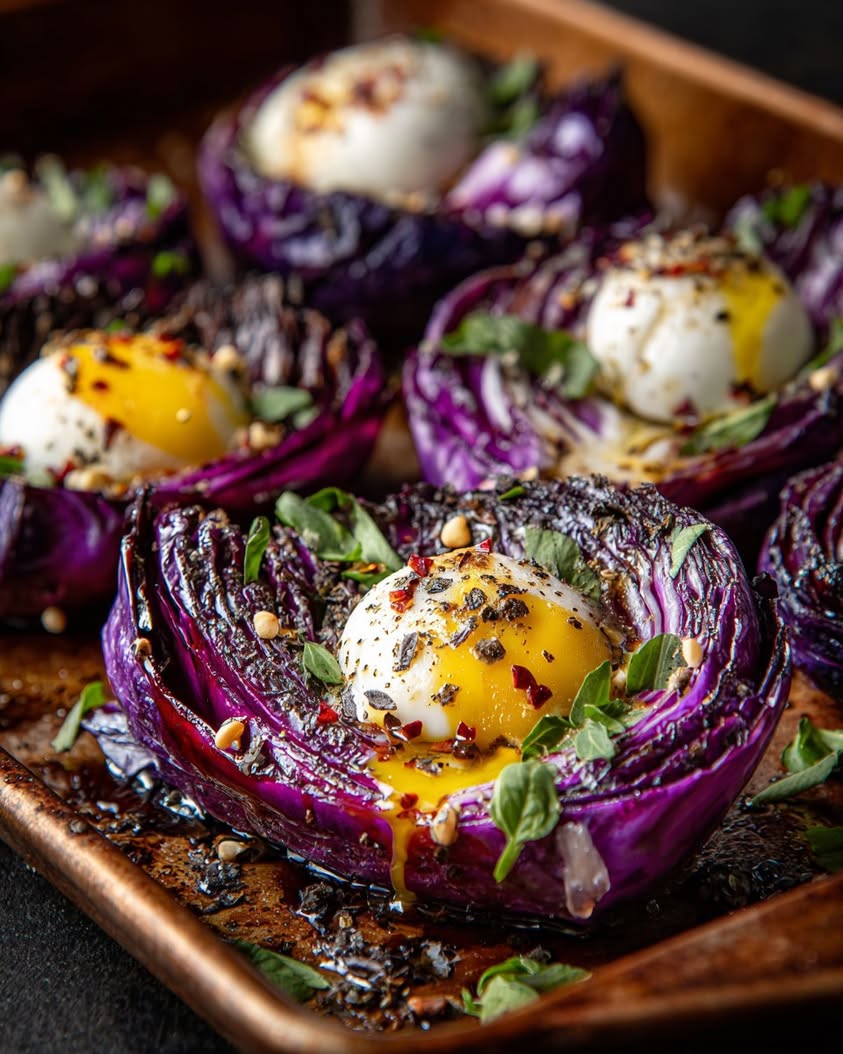
Roasted Radicchio with Hot Honey, Burrata & Balsamic Reduction: A Sweet, Bitter, and Creamy Masterpiece
If you are searching for a show-stopping appetizer or a stunningly simple vegetarian main, look no further than this recipe for Roasted Radicchio with Hot Honey, Burrata & Balsamic Reduction. This dish masterfully transforms humble ingredients into an unforgettable culinary experience. Consequently, it challenges the way you think about salads and cooked greens. The process begins with radicchio, a vegetable often relegated to the background of a salad mix. However, when you roast radicchio, its sharp bitterness mellows into a deep, caramelized sweetness that provides the perfect foundation for luxurious toppings.
The magic of this Roasted Radicchio with Hot Honey Burrata lies in its symphony of contrasting flavors and textures. Imagine tender, charred wedges of radicchio, their edges crisped from high heat. Then, picture a cloud of creamy, cool burrata cheese melting over the warm leaves. Finally, envision a drizzle of spicy-sweet hot honey and a glossy, tangy balsamic reduction weaving everything together. Each bite delivers a complex journey from bitter to sweet, from hot to cool, and from crisp to luxuriously soft. Ultimately, this dish proves that simple techniques can yield extraordinarily sophisticated results.
Furthermore, this recipe is a celebration of balance. The inherent bitterness of the radicchio is not something to mask but rather a quality to complement and elevate. The hot honey provides a gentle, fiery sweetness that dances on the palate, while the balsamic reduction adds an acidic punch that cuts through the richness of the cheese. This Roasted Radicchio with Hot Honey Burrata is more than just a recipe; it is a lesson in flavor harmony. It is perfect for a dinner party where you want to impress without stress, or for a special weeknight meal that feels indulgent yet comes together in under an hour.
Quick Recipe Highlights
- Flavor Profile: This dish offers a masterclass in balance, featuring the caramelized bitterness of roasted radicchio contrasted with the spicy-sweet kick of hot honey and the rich, lactic creaminess of burrata. The tangy balsamic reduction ties all elements together with a bright, acidic finish.
- Texture: You will experience a delightful contrast: tender, slightly wilted leaves with crispy, charred edges give way to the luscious, oozing texture of fresh burrata. The sticky honey and syrupy balsamic add a smooth, coating mouthfeel that enhances every component.
- Aroma: As the radicchio roasts, your kitchen will fill with a nutty, almost caramel-like scent. When you add the hot honey, notes of warm chili and floral sweetness emerge. Finally, the balsamic reduction contributes a complex, sweet-tart aroma that promises depth of flavor.
- Visual Appeal: This plate is a feast for the eyes with dramatic purple and white hues. The deep magenta of the radicchio, the snowy white burrata, and the dark, glossy reductions create a stunning, restaurant-quality presentation that is incredibly photogenic.
- Skill Level Needed: This is an accessible recipe for most home cooks. The techniques are straightforward: roasting, reducing, and assembling. No advanced knife skills or special equipment are required, making it an excellent choice for cooks looking to elevate their game with minimal effort.
- Special Equipment: A good baking sheet and parchment paper are essential for easy cleanup. Additionally, a small saucepan is needed for the balsamic reduction. While not mandatory, a microplane for zesting and a small jar for mixing the hot honey are helpful tools to have on hand.
Recipe Overview
- Difficulty Level: We rate this Roasted Radicchio with Hot Honey Burrata as “Easy.” The steps are sequential and simple: chop, roast, reduce, and assemble. There is no fussy timing or precise temperatures to monitor closely. The most important task is watching the balsamic reduction to prevent burning, which is a simple, attentive process. Anyone comfortable using an oven and a stovetop can achieve excellent results.
- Category: This versatile dish fits multiple categories beautifully. It shines as an impressive starter or appetizer for a dinner party. Alternatively, it can serve as a light vegetarian main course when paired with crusty bread or a simple grain like farro. It also works wonderfully as a sophisticated side dish for grilled meats or fish.
- Cuisine: The dish draws inspiration from modern Italian cuisine, utilizing classic ingredients like radicchio, burrata, and balsamic vinegar in a contemporary way. The addition of hot honey introduces a trendy, American twist, creating a fusion that feels both timeless and of-the-moment. It is a celebration of quality ingredients treated with respect.
- Cost: This is a moderately priced dish that delivers luxury restaurant vibes. Radicchio and a small bottle of good balsamic are the primary investments. Burrata can be a splurge, but its impact is undeniable. The honey and chili flakes are pantry staples for many. Overall, you can create a stunning plate for a fraction of the cost of ordering it out.
- Season: While radicchio is technically a cool-weather crop, this recipe transcends seasons. It feels cozy and hearty in fall and winter. Conversely, its vibrant colors and fresh, creamy elements make it perfect for spring and summer entertaining. It is a truly year-round dish that adapts to any menu.
- Occasion: This recipe is ideal for occasions where presentation matters. Think date nights at home, dinner parties with friends, holiday gatherings, or even a solo treat to elevate an ordinary evening. It is special enough for celebrations yet simple enough for a purposeful weeknight meal.
Why You’ll Love This Roasted Radicchio with Hot Honey Burrata
First and foremost, you will adore the explosive flavor profile of this Roasted Radicchio with Hot Honey Burrata. Each component plays a crucial role in creating a memorable taste experience. The roasting process tames the radicchio’s bitterness, unlocking a sweetness you never knew existed. Subsequently, the hot honey adds a layer of complexity that is both comforting and exciting. Meanwhile, the burrata provides a creamy, cooling contrast that feels indulgent. Finally, the balsamic reduction adds the necessary acidity to balance the richness. Every forkful is a perfect, harmonious bite that will keep you coming back for more.
From a practical standpoint, the convenience of this dish is a major win. The active hands-on time is minimal, allowing you to focus on other meal components or simply enjoy your company. Most of the work happens in the oven or on the stovetop. Furthermore, the ingredients list is short and focused, meaning less time spent shopping and prepping. This Roasted Radicchio with Hot Honey Burrata proves that you do not need a long list of obscure items to create something extraordinary. Essentially, it is the epitome of “less is more” in the kitchen.
Nutritionally, this recipe offers several benefits worth celebrating. Radicchio is a good source of vitamin K, important for bone health, and contains antioxidants. Cooking it may make some of its nutrients more bioavailable. Additionally, using honey as a sweetener in moderation is a more natural alternative to refined sugars. While burrata is rich, it provides calcium and protein. When enjoyed as part of a balanced meal, this dish is a flavorful way to incorporate vegetables and healthy fats into your diet. It is a satisfying choice that nourishes both body and soul.
For entertaining, this Roasted Radicchio with Hot Honey Burrata is an undeniable star. Its dramatic presentation is guaranteed to elicit “oohs” and “aahs” from your guests. Importantly, you can do most of the prep ahead of time. You can roast the radicchio and make the reductions in advance, then simply assemble with the fresh burrata at the last minute. This makes you look like a culinary genius without being stuck in the kitchen all night. It is a conversation starter and a surefire way to impress, whether you are hosting a casual get-together or a formal dinner party.
Finally, the cost-effectiveness and accessibility of this dish make it a repeatable favorite. While burrata feels luxurious, the other ingredients are quite affordable. You can often find radicchio year-round in well-stocked grocery stores. The recipe is also highly adaptable; if you cannot find burrata, fresh mozzarella is a fine substitute. Similarly, you can adjust the heat level in the honey to suit your taste. This Roasted Radicchio with Hot Honey Burrata is a template for creativity that encourages you to use what you have, making gourmet cooking feel accessible and fun for everyone.
Historical Background and Cultural Significance
The story of this dish begins with its core ingredient: radicchio. This vibrant leafy vegetable has a long history in Italian agriculture, particularly in the Veneto region. Traditionally, radicchio was a winter crop, harvested after the first frosts which were believed to improve its flavor. For centuries, it was used in rustic salads and cooked dishes, prized for its color and distinctive bite. The practice of roasting or grilling radicchio to soften its bitterness is a traditional Italian technique, often involving a splash of balsamic vinegar, a staple of Modena. Therefore, the foundation of our Roasted Radicchio with Hot Honey Burrata is deeply rooted in Italian culinary tradition.
Culturally, burrata represents the pinnacle of Italian cheesemaking artistry. Originating in the Apulia region in the early 20th century, burrata was created as a way to use up the scraps (stracciatella) from mozzarella production. Cheesemakers would envelop the creamy scraps in a fresh mozzarella shell, creating a luxurious, perishable treat. Its inclusion in modern dishes signifies a celebration of freshness and quality. Pairing it with a bitter green like radicchio is a classic Italian move, showcasing the beloved principle of “contrasti” (contrasts) on the plate. This combination of earth and cream is a timeless expression of regional Italian cuisine.
The evolution of this specific recipe is a tale of modern fusion. The traditional Italian pairing of radicchio and burrata has been a menu staple for years. The innovative twist comes with the addition of hot honey, a condiment that surged in popularity in American food culture in the 2010s, often associated with artisanal pizza shops. Combining the Old World ingredients with this New World spicy-sweet element creates a contemporary classic. This Roasted Radicchio with Hot Honey Burrata is a perfect example of how global food trends can respectfully elevate traditional dishes, resulting in something familiar yet excitingly new.
Regional variations of this concept abound, highlighting its adaptability. In Northern Italy, you might find radicchio di Treviso grilled and served with a drizzle of aged balsamic and perhaps some shaved Parmigiano-Reggiano. In a trendy Brooklyn restaurant, the hot honey and burrata addition makes it a shareable small plate. Some variations might include toasted nuts for crunch, fresh herbs like thyme or oregano, or a sprinkle of chili flakes directly on the radicchio before roasting. The beauty of the template is its flexibility; it encourages cooks to incorporate local flavors and personal preferences, ensuring the dish continues to evolve while honoring its roots.
Ingredient Deep Dive
Let us start with the star: radicchio. This beautiful purple vegetable is a type of chicory, related to endive and Belgian witloof. Cultivated for centuries in Italy, it was once considered a tonic for digestion. Nutritionally, it is a good source of vitamin K, fiber, and antioxidants like anthocyanins, which give it its vibrant color. When selecting radicchio, look for heads that feel heavy for their size with crisp, brightly colored leaves free of browning. Store it unwashed in a plastic bag in your refrigerator’s crisper drawer for up to a week. If radicchio is too bitter for your taste, you can substitute with endive or even halved Brussels sprouts for a different but delicious result.
Next, consider the luxurious burrata. Meaning “buttered” in Italian, burrata is a fresh cheese made from mozzarella and cream. The outer shell is solid mozzarella, while the inside contains stracciatella (soft shreds of cheese) and cream, giving it an incredibly rich, spreadable texture. It is a fantastic source of calcium and protein. Always seek out the freshest burrata possible, checking the sell-by date. It is best consumed within a day or two of purchase. Store it in its liquid in the refrigerator. If unavailable, fresh mozzarella (mozzarella di bufala is excellent) is the best substitute, though you will miss the luscious creamy center.
The hot honey provides the sweet and spicy kick. Honey itself is one of the world’s oldest sweeteners, used across countless cultures. Infusing it with chili flakes or other hot peppers creates a dynamic condiment. Honey contains trace amounts of vitamins and antioxidants, and some believe local honey can help with seasonal allergies. For this recipe, you can use any liquid honey. To make the hot honey, simply warm honey gently and infuse it with dried chili flakes, allowing the heat to meld. You can control the spice level by the type and amount of chili you use. For a different flavor, try infusing the honey with fresh herbs like rosemary first.
Finally, the balsamic reduction adds essential acidity and depth. Traditional balsamic vinegar (Aceto Balsamico Tradizionale) is a protected, aged product from Modena, but for a reduction, a good-quality commercial balsamic works perfectly. The reduction process concentrates the vinegar’s natural sugars, creating a sweet-tart syrup. Balsamic vinegar contains antioxidants and may have some probiotic benefits. When reducing, use a modest heat to prevent burning and a bitter taste. The reduction is ready when it coats the back of a spoon. If you are short on time, a store-bought glaze can work, but homemade has a purer, more balanced flavor. A substitute could be a reduction of red wine vinegar with a touch of honey.
Common Mistakes to Avoid
- Overcrowding the Pan: Placing the radicchio wedges too close together on the baking sheet will cause them to steam instead of roast. Consequently, you will miss out on the essential caramelization and crispy edges. Always ensure there is space between the wedges for hot air to circulate.
- Underseasoning the Radicchio: Radicchio needs a generous amount of salt before roasting. Salt not only enhances flavor but also helps draw out moisture, promoting better browning. Do not be shy; season both sides of the wedges well with salt and pepper.
- Burning the Balsamic Reduction: This is the most common pitfall. Cooking the reduction over too high a heat can cause it to burn in an instant, creating a bitter, acrid taste. Always use a gentle simmer and watch it closely, especially as it thickens.
- Using Cold Burrata: Adding burrata straight from the refrigerator can dull its creamy texture and mute its flavor. For the best experience, let the burrata sit at room temperature for 20-30 minutes before assembling the dish. This allows its full, rich flavor to shine.
- Skipping the Olive Oil: A good drizzle of quality extra virgin olive oil on the radicchio before roasting is non-negotiable. The oil helps conduct heat, encourages browning, and adds fruity flavor. Do not just use a light spray; be generous.
- Overcomplicating the Hot Honey: There is no need to cook the honey for a long time. Simply warming it gently with the chili flakes is enough to infuse the flavor. Overheating honey can destroy its delicate nuances and beneficial compounds.
- Assembling Too Early: If you place the burrata on the hot radicchio and add the drizzles too far in advance, the cheese will melt completely and the presentation will become messy. Aim to assemble just before serving for the best visual and textural contrast.
- Neglecting to Taste as You Go: This is a dish of balances. Before serving, taste a component. Does the hot honey need more heat? Does the dish need a final pinch of flaky salt? Adjusting at the end ensures a perfectly seasoned final plate.
Essential Techniques
Mastering the roast is your first essential technique. Roasting radicchio at a high heat (around 400-425°F) is crucial for achieving the right texture. The high heat quickly caramelizes the natural sugars in the leaves while driving off moisture, which concentrates the flavor and reduces bitterness. The goal is to get tender leaves with deeply browned, slightly crispy edges. To achieve this, ensure your oven is fully preheated and use the middle rack. Flip the wedges halfway through cooking to promote even browning. The visual cue for success is when the edges are dark and crisp, and the thick white core at the base of each wedge is fork-tender.
Creating the balsamic reduction is a simple but vital skill. The process involves simmering balsamic vinegar until it reduces in volume by about half, thickening into a syrup. The importance lies in concentration; it intensifies the vinegar’s sweet and tart flavors, making it a powerful garnish. To master it, use a small saucepan over medium-low heat. Bring it to a gentle simmer, then reduce the heat to maintain that simmer. Stir occasionally. The common pitfall is turning the heat too high, which can cause it to reduce too quickly and burn. The visual cue for success is when the reduction coats the back of a spoon and leaves a clear trail when you run your finger through it.
Properly assembling the dish is the final technique that brings everything together. The order and method of assembly impact the final eating experience. Start by arranging the warm roasted radicchio wedges on a serving platter. Then, gently tear the room-temperature burrata ball and place the pieces over and around the radicchio, allowing the creamy center to spill out. Next, drizzle the hot honey and balsamic reduction in zig-zags or pools. Finally, finish with a final drizzle of good olive oil, a crack of black pepper, and perhaps some flaky sea salt. The goal is to create a beautiful, inviting plate where each element is distinct yet integrated, ensuring every bite gets a taste of all components.
Pro Tips for Perfect Roasted Radicchio with Hot Honey Burrata
First, choose the right type of radicchio. Radicchio di Treviso, with its elongated leaves, is excellent for roasting as it holds its shape beautifully. However, the more common round radicchio di Chioggia works perfectly well. Just ensure you cut it into even wedges so they cook at the same rate.
Second, do not discard the outer leaves. Even if they look a little rough, they will crisp up wonderfully in the oven and provide great texture. Simply trim any truly damaged parts and use the rest.
Third, infuse your olive oil. Before drizzling on the radicchio, warm your olive oil slightly with a garlic clove and a sprig of rosemary or thyme, then let it cool. This adds an extra layer of aromatic flavor to the entire dish.
Fourth, use two baking sheets if needed. If you are doubling the recipe, use two sheets placed on separate oven racks. Rotate the sheets and swap their positions halfway through cooking for even roasting.
Fifth, make extra reductions. Both the hot honey and balsamic reduction keep well in the fridge for weeks. Making a double batch means you have a gourmet condiment ready for salads, cheese boards, or grilled meats another day.
Sixth, add texture with a garnish. A sprinkle of toasted pine nuts, walnuts, or breadcrumbs adds a welcome crunch that contrasts the creamy burrata and tender radicchio beautifully.
Seventh, let the radicchio rest. After roasting, let the wedges sit for a minute or two on the pan. This allows them to firm up slightly, making them easier to transfer to the platter without falling apart.
Eighth, experiment with the heat source. While the oven is standard, you can also achieve fantastic results by grilling the radicchio wedges over medium-high heat for a smoky flavor that pairs wonderfully with the other ingredients.
Variations and Adaptations
For regional variations, look to Italy itself. In the north, you might add shaved Parmigiano-Reggiano or Grana Padano alongside the burrata. A coastal version could include chopped anchovies or capers in the dressing. For a Southern Italian twist, add oregano and a squeeze of lemon juice to brighten the dish further. Each region’s pantry offers a new way to interpret the core recipe.
Seasonal adaptations are simple and effective. In spring, add fresh peas or asparagus tips to the roasting pan for the last few minutes. During summer, garnish with fresh basil or mint leaves. In autumn, scatter roasted squash cubes or pomegranate seeds over the top. Winter calls for heartier additions like crispy pancetta or chestnuts. The base recipe is a wonderful canvas for seasonal produce.
Dietary modifications are straightforward. For a vegan version, replace the burrata with a dollop of cashew cream or a vegan almond ricotta. Ensure your honey substitute is vegan-friendly, like maple syrup or agave, infused with chili. For a gluten-free diet, this recipe is naturally compliant. Those on a low-carb or keto plan can enjoy it as is, perhaps increasing the amount of burrata for more fat and protein.
Flavor variations can personalize the dish immensely. Instead of chili flakes in the honey, try infusing it with smoked paprika, fresh ginger, or even a strip of orange zest. For the balsamic, add a sprig of rosemary or a few black peppercorns while reducing. You could also replace the balsamic reduction with a pomegranate molasses for a fruitier, tangier finish.
Texture modifications can cater to different preferences. For more crunch, add toasted nuts (hazelnuts are classic with radicchio), seeds, or crispy fried shallots. For a smoother experience, you can blend the burrata with a touch of cream before dolloping. If you prefer less creaminess, use fresh mozzarella balls (bocconcini) instead of burrata.
Presentation alternatives can change the feel of the dish. Instead of a large platter, serve individual portions on small plates for a more formal setting. You can chop the roasted radicchio and toss it with the burrata and dressings for a deconstructed salad. Alternatively, layer the components on toasted crostini for an elegant passed appetizer.
Serving and Presentation Guide
Plating techniques make all the difference. Choose a large, flat platter or a beautiful rustic board as your canvas. Arrange the roasted radicchio wedges in a slightly overlapping, sunburst pattern or in a loose pile for a more casual look. This creates height and visual interest. Place the torn burrata pieces strategically, allowing the creamy interior to ooze enticingly onto the radicchio and the plate.
Garnishing is the final touch of artistry. Beyond the essential drizzles, consider a sprinkle of flaky sea salt like Maldon and a generous grind of black pepper. Fresh herbs like microgreens, chopped chives, or small basil leaves add color and freshness. For texture and visual pop, a scattering of bright pomegranate arils in winter or edible flowers in summer is stunning.
Traditional accompaniments keep the focus on the star. Crusty, grilled bread is almost mandatory for scooping up the melted burrata and dressings. A simple, lightly dressed arugula salad on the side can provide a peppery contrast. In Italy, this might be served as part of a “antipasto” spread with cured meats and olives.
Modern serving suggestions expand its role. Consider serving it as a topping for a creamy polenta or a bed of risotto. For a heartier meal, place a perfectly grilled steak or piece of salmon alongside the platter. It also makes a phenomenal pizza topping after the pizza comes out of the oven.
Temperature considerations are key. The radicchio should be warm, not scorching hot, when the burrata is added. The burrata should be at cool room temperature. The honey and balsamic reductions can be at room temperature or slightly warm. This temperature gradient—warm veg, cool cheese, ambient sauces—creates a more dynamic eating experience than if everything were the same temperature.
Portion control tips help with meal planning. As an appetizer for four, one head of radicchio and one ball of burrata is perfect. For a main course for two, use the same amount. If scaling for a crowd, plan on one wedge of radicchio and about a quarter of a burrata ball per person as part of a larger spread of appetizers.
Wine and Beverage Pairing
Wine pairings should complement the dish’s complex balance of bitter, sweet, creamy, and acidic. A crisp, dry white wine with good acidity is an excellent choice. Consider a Pinot Grigio from Alto Adige, a Vermentino, or a Sauvignon Blanc. Their bright citrus notes cut through the richness of the burrata and stand up to the radicchio’s bitterness. For red wine lovers, a light-bodied, low-tannin red like a Bardolino or a young Valpolicella from the same region as radicchio works beautifully. Avoid heavy, oaky wines that would overpower the delicate flavors.
Non-alcoholic alternatives can be just as thoughtful. A sparkling water with a twist of lemon or lime cleanses the palate between bites. For something more special, a tart cherry or pomegranate spritzer mirrors the fruitiness of the balsamic. A chilled, unsweetened hibiscus tea offers a tangy, floral note that pairs wonderfully with the hot honey and bitter greens.
While not a classic coffee dish, certain coffee or tea pairings could work if serving this for a brunch or lunch. A light roast coffee with bright acidity would complement without overwhelming. A cup of Earl Grey tea, with its bergamot citrus notes, could provide a lovely aromatic contrast to the earthy radicchio and rich cheese.
Temperature considerations for beverages are standard: white wines and non-alcoholic spritzers should be well-chilled, while light reds should be served slightly below room temperature. Iced teas or sparkling waters should be very cold. The goal is to have your drink refresh the palate, preparing it for the next delicious bite of the Roasted Radicchio with Hot Honey Burrata.
Serving suggestions for beverages are simple. Offer a carafe of water on the table alongside your chosen pairing. If serving wine, consider decanting even the white wine briefly to allow it to open up. For a party, a signature non-alcoholic spritzer in a pitcher allows guests to help themselves, making serving effortless and elegant.
Storage and Shelf Life
Storage methods for leftovers require separation. The assembled dish does not store well, as the burrata will continue to melt and the radicchio will become soggy. Therefore, store components separately. Place cooled roasted radicchio in an airtight container in the refrigerator for up to 3 days. Store burrata in its original liquid in the fridge. Keep hot honey and balsamic reduction in separate sealed jars or containers at room temperature or in the fridge.
Temperature requirements are straightforward. The radicchio and burrata must be refrigerated. The reductions are shelf-stable due to their sugar and acid content, but refrigeration will extend their freshness and prevent any potential fermentation, especially for the honey. Let the honey come to room temperature before using if it solidifies in the fridge.
Container recommendations matter for quality. Use glass containers for the reductions to avoid staining. For the radicchio, a shallow container prevents crushing. Always store the burrata in its liquid; if the original container is gone, submerge it in a small bowl of fresh, lightly salted water.
Signs of spoilage are easy to spot. Discard the radicchio if it becomes slimy or develops an off odor. Burrata is very fresh and will sour quickly; discard if it smells unusually acidic or the texture becomes unpleasantly grainy. The reductions are generally stable, but discard if you see mold (unlikely due to acidity/sugar) or if they develop an off smell.
Reheating instructions apply only to the radicchio. To restore some crispness, reheat it in a 375°F oven or a toaster oven for 5-10 minutes until warmed through. Avoid the microwave, as it will make the radicchio limp and soggy. The burrata and reductions should be used cold or at room temperature.
Freezing guidelines are not recommended for this dish. Freezing will utterly destroy the texture of the radicchio and burrata, turning them mushy and watery upon thawing. The reductions can be frozen in ice cube trays for future use in other dishes, but for this recipe, it is best enjoyed fresh.
Make Ahead Strategies
A prep timeline can turn this into a stress-free entertainer’s dream. The day before, you can make both the hot honey and the balsamic reduction. Let them cool and store them at room temperature. You can also wash and cut the radicchio into wedges, storing them in a sealed bag or container in the fridge. On the day of serving, take the burrata out of the fridge 30 minutes before serving. Roast the radicchio about 20 minutes before you plan to eat. Then, simply assemble everything on a platter just as your guests arrive.
Storage between steps is simple with the right plan. Keep the pre-cut radicchio dry in the fridge. Have your reductions ready in their jars. This “mise en place” approach means when it’s time to cook, you simply toss the radicchio with oil and salt and pop it in the oven. There is no frantic chopping or measuring, allowing you to be present with your company.
Quality impact assessment is important. The reductions actually improve after a day, as the flavors meld. The pre-cut radicchio is fine, though it may oxidize slightly at the edges; this won’t affect roasted flavor. The only element that must be absolutely fresh is the burrata, which should be purchased as close to serving as possible and not cut until the last minute.
Assembly tips for make-ahead ensure a beautiful presentation. Have your serving platter ready. Once the radicchio is roasted, transfer it to the platter immediately. Let it cool for just a minute on the platter itself—this is when you can get your final drinks or call everyone to the table. Then, in a quick, confident motion, tear the burrata over top and artfully drizzle the honey and balsamic.
Reheating guidelines for pre-roasted radicchio are useful. If you roasted it earlier in the day, re-crisp it in a hot oven (400°F) for 5-7 minutes before assembling. This brings back the warmth and texture far better than a microwave ever could.
Fresh element additions are the final make-ahead trick. Prep any garnishes like chopped herbs or toasted nuts ahead of time. Keep them in small bowls at room temperature. When you assemble, they are ready to sprinkle over the finished dish, adding that perfect last-minute touch of freshness and crunch without any extra work.
Scaling Instructions
Halving the recipe is simple for a smaller meal. Use half a head of radicchio, cut into 4 wedges, and half a ball of burrata. The reductions can be tricky to halve in a saucepan due to evaporation; it is often easier to make the full batch of reductions and save the rest for another use. Cooking time may be slightly reduced, so start checking the radicchio at the 12-minute mark. Use a smaller baking sheet to keep the wedges cozy but not overlapping.
Doubling or tripling the recipe for a crowd requires some adjustments. Use multiple baking sheets and rotate them in the oven halfway through cooking. You may need to roast in batches to avoid steaming. For the reductions, use a wider, heavier-bottomed saucepan to allow for more even evaporation without burning. Consider setting up a “drizzle station” with the honey and balsamic in small pitchers or squeeze bottles for easy guest serving.
Equipment adjustments are key when scaling. For larger batches, a commercial-sized half-sheet pan is invaluable. If making huge quantities of reductions, a wider pan provides more surface area for faster, more controlled reduction. Ensure you have a platter large enough to present the increased quantity beautifully without looking overcrowded; sometimes two platters are better than one.
Timing modifications are minimal but important. When roasting multiple trays, the total oven time may increase by a few minutes due to the added moisture in the oven. Keep a close eye on the first batch as a guide. For the reductions, a larger volume will take longer to reduce. Be patient and maintain a gentle simmer.
Storage considerations change with scale. If you have a lot of leftover roasted radicchio, it can be repurposed brilliantly. Chop it and add it to pasta, frittatas, or grain bowls the next day. Extra reductions will keep for weeks and are fantastic on everything from roasted vegetables to ice cream.
Nutritional Deep Dive
A macro breakdown of this dish reveals a balance of fats, carbohydrates, and protein. The primary sources of fat are the olive oil and the burrata, providing mostly monounsaturated and saturated fats, respectively. Carbohydrates come from the radicchio (fiber) and the natural sugars in the honey and balsamic reduction. Protein is supplied by the burrata cheese. This makes the dish a satisfying combination that can fit into various dietary patterns when portion size is considered.
The micronutrient analysis highlights some key vitamins and minerals. Radicchio contributes vitamin K, crucial for blood clotting and bone health, along with some vitamin C and antioxidants like anthocyanins. Burrata provides a significant amount of calcium and phosphorus for bone strength, as well as vitamin A. The trace minerals in honey and the potential acetic acid in balsamic vinegar round out the profile, though they are consumed in smaller quantities.
Health benefits are tied to its whole-food ingredients. The antioxidants in the purple radicchio may help combat oxidative stress. The fiber promotes digestive health. The calcium supports bones. The monounsaturated fats from olive oil are heart-healthy. Enjoying this Roasted Radicchio with Hot Honey Burrata is a flavorful way{“success”:true,”message”:”Recipe created successfully”,”post_id”:9021,”tasty_recipe_id”:9021,”shortcode”:” Print
Roasted Radicchio with Hot Honey, Burrata & Balsamic Reduction
Description
A sophisticated salad with bitter roasted radicchio balanced by sweet-hot honey, creamy burrata, and a tangy balsamic reduction.
Ingredients
For the Crust:
- 2 heads radicchio, quartered
- 2 tablespoons olive oil
- Salt and black pepper to taste
- 1/4 cup honey
- 1 teaspoon red pepper flakes
- 8 ounces burrata cheese
- 1/2 cup balsamic vinegar
- Fresh thyme leaves for garnish
Instructions
1. Prepare the Crust:
- Preheat oven to 400°F (200°C). Toss radicchio quarters with olive oil, salt, and pepper. Roast on a baking sheet for 15-20 minutes until edges are crispy.
- In a small saucepan, simmer balsamic vinegar over medium heat until reduced by half, about 8-10 minutes. Let cool slightly.
- Warm honey and red pepper flakes in a microwave or small pan for 30 seconds to infuse. Drizzle hot honey over roasted radicchio.
- Arrange radicchio on a platter, top with torn burrata, drizzle with balsamic reduction, and garnish with thyme.
Notes
You can customize the seasonings to taste.

I’m Billy, a classically trained culinary school graduate from The Culinary Institute of America with over 12 years in the restaurant industry and over 19 years of cooking experience.