
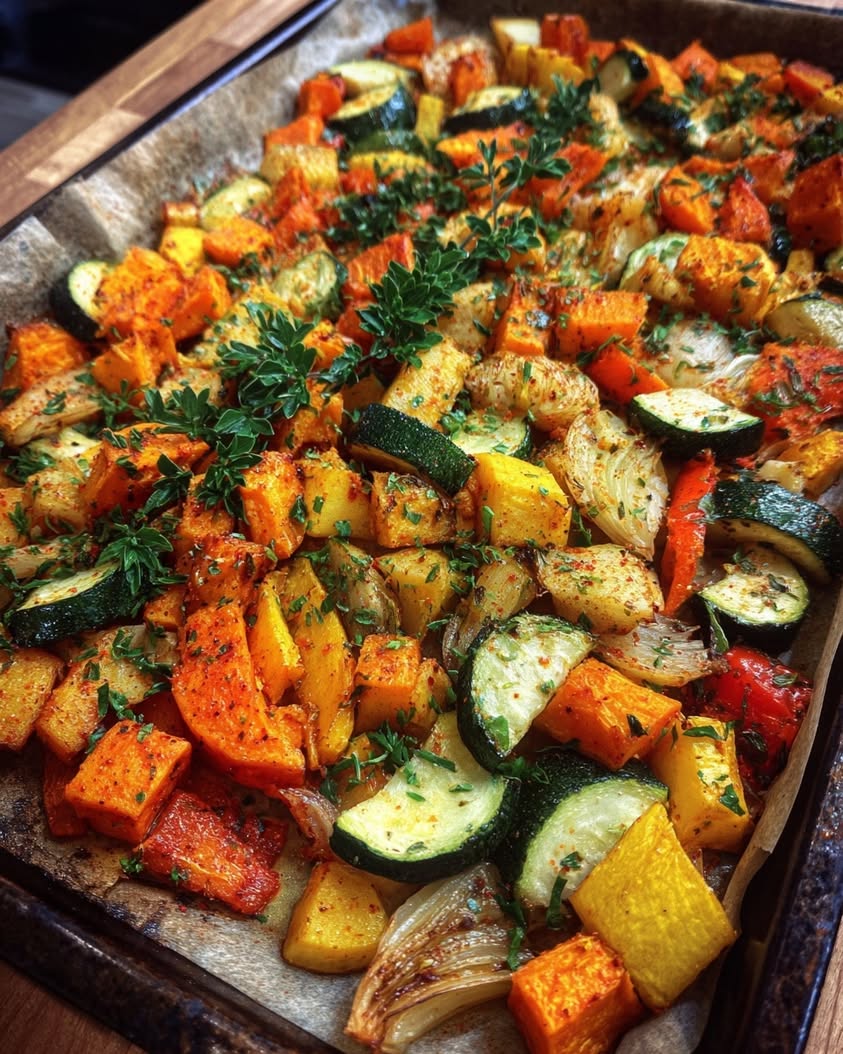
Rustic Roasted Vegetable and White Bean Bake with Fresh Thyme: A Cozy, Nutrient-Packed One-Pan Wonder
Imagine a dish that captures the very essence of a cozy autumn evening, a meal that fills your kitchen with an irresistible aroma of caramelizing vegetables and earthy herbs. This Rustic Roasted Vegetable and White Bean Bake with Fresh Thyme is exactly that. It is a vibrant, hearty, and deeply satisfying one-pan meal that celebrates the best of seasonal produce. Moreover, it transforms simple ingredients into a spectacular centerpiece that is as beautiful on the table as it is delicious on the plate.
This recipe is a masterclass in effortless cooking, designed for busy weeknights yet impressive enough for weekend entertaining. The magic happens in the oven where sweet potatoes, butternut squash, carrots, and zucchini roast together, their natural sugars concentrating into sweet, caramelized edges. Meanwhile, creamy white beans nestle into the mix, absorbing all the savory flavors and adding a wonderful protein-packed heartiness. Ultimately, the entire dish is brought to life with the fragrant, lemony notes of fresh thyme, creating a symphony of rustic flavors.
Furthermore, this Rustic Roasted Vegetable and White Bean Bake with Fresh Thyme is a testament to the power of plant-based cooking. It is naturally gluten-free, vegan-friendly, and packed with fiber, vitamins, and complex carbohydrates. Consequently, it provides lasting energy and nourishment. Whether you serve it as a standalone vegetarian main, a generous side dish for a holiday feast, or even as a meal prep superstar, this bake promises comfort, nutrition, and incredible flavor in every single bite.
Quick Recipe Highlights
- Flavor Profile: This bake delivers a perfect harmony of sweet and savory. The natural sugars in the root vegetables caramelize beautifully, creating a deep sweetness that contrasts with the savory, garlic-infused olive oil and the earthy, slightly lemony punch of fresh thyme. Every bite is a complex and satisfying experience.
- Texture: You get a wonderful textural contrast in this dish. The sweet potato and butternut squash become tender and almost creamy inside with crispy, caramelized exteriors. The zucchini softens but retains a slight bite, while the white beans add a delightful creamy and hearty element that soaks up all the roasting juices.
- Aroma: As this Rustic Roasted Vegetable and White Bean Bake with Fresh Thyme cooks, your kitchen will fill with an intoxicating scent. Initially, you will smell the earthy sweetness of the roasting vegetables. Then, the aromatic garlic and the piney, citrus notes of the fresh thyme will bloom, creating a fragrance that promises a delicious and wholesome meal.
- Visual Appeal: This dish is a feast for the eyes with its stunning color palette. You have the vibrant orange of sweet potatoes and squash, the deep green of zucchini and thyme, and the warm yellow of carrots. The white beans add a creamy contrast, making the entire bake look rustic, abundant, and incredibly inviting on any table.
- Skill Level Needed: This is a beginner-friendly recipe that requires minimal culinary skill. The primary techniques are simple chopping and tossing. There is no fussy sauteing or complicated steps. Basically, if you can use a knife and an oven, you can absolutely master this hearty vegetable and white bean bake.
- Special Equipment: You need only a few basic kitchen tools. A large, sturdy baking sheet or roasting pan is essential for ensuring the vegetables roast properly without steaming. A good chef’s knife and cutting board will make prep easy. Finally, a set of measuring spoons ensures your seasoning is perfectly balanced.
Recipe Overview
- Difficulty Level: We rate this Rustic Roasted Vegetable and White Bean Bake with Fresh Thyme as “Easy” for several reasons. The steps are straightforward: chop, toss, and roast. There is no intricate timing or advanced techniques like making a sauce or dough. Additionally, the recipe is forgiving; slight variations in vegetable size or roasting time still yield a fantastic result. It is the perfect recipe to build kitchen confidence.
- Category: This versatile dish comfortably fits multiple meal categories. Primarily, it serves as a fantastic vegetarian and vegan main course, thanks to the hearty white beans. Simultaneously, it makes an outstanding side dish for roasted chicken, turkey, or ham. You can even enjoy it as a warm salad or a component of a nourishing grain bowl for meal prep.
- Cuisine: This bake draws inspiration from rustic, farm-to-table Mediterranean and American harvest cuisine. The use of olive oil, garlic, and herbs like thyme is classic Mediterranean. However, the combination of New World vegetables like sweet potatoes and squash with the humble white bean creates a uniquely wholesome and modern American comfort food profile that celebrates local, seasonal produce.
- Cost: This is an exceptionally cost-effective meal. Root vegetables like carrots, sweet potatoes, and squash are typically affordable, especially in season. Zucchini is a summer garden staple that is often inexpensive. Canned white beans are a budget-friendly protein source. Overall, you can create this nourishing, restaurant-quality bake for just a few dollars per serving, making it a smart choice for families.
- Season: While truly a year-round dish, this Rustic Roasted Vegetable and White Bean Bake with Fresh Thyme shines brightest in the fall and winter. This is when squash and sweet potatoes are at their peak sweetness and most affordable. The warm, oven-roasted nature of the dish is also ideal for cooler weather, providing a cozy and comforting eating experience.
- Occasion: This bake is incredibly versatile for any occasion. It is simple enough for a casual Tuesday night family dinner. Conversely, its stunning visual appeal and crowd-pleasing flavor make it a perfect, stress-free addition to a holiday potluck or Thanksgiving spread. It is also an excellent make-ahead option for busy weeks or for hosting friends with dietary restrictions.
Why You’ll Love This Rustic Roasted Vegetable and White Bean Bake with Fresh Thyme
First and foremost, the taste and texture of this bake are utterly irresistible. Each vegetable contributes its unique character: the deep caramelized sweetness of the squash, the earthy heartiness of the carrot, the creamy interior of the sweet potato, and the fresh lightness of the zucchini. The white beans, meanwhile, become little pockets of creamy, savory goodness that tie everything together. The fresh thyme adds a fragrant, aromatic layer that elevates the entire dish from simple roasted veggies to a sophisticated, flavor-packed meal. Every forkful offers a delightful contrast that keeps you coming back for more.
From a practical standpoint, the convenience of this recipe is a major win. It is essentially a one-pan wonder, meaning minimal cleanup. You do all your prep upfront—just some chopping and tossing—and then the oven does the rest of the work. This hands-off cooking time is perfect for preparing other parts of your meal, helping kids with homework, or simply relaxing. Furthermore, the ingredient list is simple and flexible; you can easily swap in other seasonal vegetables you have on hand, making it a great “clean out the fridge” solution that never feels like a compromise.
Nutritionally, this Rustic Roasted Vegetable and White Bean Bake with Fresh Thyme is a powerhouse. It is loaded with fiber from the vegetables and beans, which aids digestion and promotes satiety. The variety of vegetables ensures a broad spectrum of vitamins and antioxidants, like Vitamin A from the orange veggies and Vitamin C from the zucchini. The white beans provide a solid source of plant-based protein and iron. This combination makes the dish not only deeply satisfying but also incredibly supportive of your overall health, providing sustained energy without heaviness.
This bake also holds tremendous social and entertaining value. Its rustic, abundant presentation is naturally impressive, suggesting care and effort while actually being quite simple to execute. It is a universally appealing dish that caters to vegetarians, vegans, and gluten-free guests all at once, removing the stress of cooking multiple separate meals. Serving a large, family-style platter of this colorful bake encourages sharing and conversation, making it the centerpiece of a warm, communal dining experience. It is the kind of dish that makes people ask for the recipe.
Finally, the cost-effectiveness and accessibility of this recipe cannot be overstated. It relies on humble, pantry-staple ingredients and inexpensive seasonal produce. You can feed a crowd on a modest budget without sacrificing quality or flavor. Additionally, the ingredients are readily available at any standard grocery store year-round. This accessibility means you can enjoy a restaurant-quality, nutrient-dense meal any night of the week, proving that eating well does not have to be complicated or expensive. This Rustic Roasted Vegetable and White Bean Bake with Fresh Thyme is truly a testament to simple, smart, and delicious cooking.
Historical Background and Cultural Significance
The tradition of roasting vegetables over fire is one of humanity’s oldest cooking methods, predating recorded history. Our ancestors discovered that applying dry heat to roots and tubers transformed their texture and concentrated their flavors, making them more digestible and palatable. The concept of a “bake” or “tian” – arranging sliced vegetables in a dish and cooking them slowly – has roots in the peasant cuisines of rural France and the Mediterranean. These dishes were born of necessity, designed to make the most of the seasonal harvest in a simple, hearty, and fuel-efficient way. This Rustic Roasted Vegetable and White Bean Bake with Fresh Thyme is a direct descendant of that timeless, resourceful approach to cooking.
Culturally, the combination of beans and vegetables holds significant importance across many societies as a cornerstone of subsistence cuisine. In the American South, “beans and greens” is a classic poverty-food-turned-comfort-food dish. Throughout Latin America, beans are a daily staple served alongside vegetables. In the Mediterranean, white beans like cannellini are frequently stewed with herbs and aromatics. This recipe taps into that global heritage, celebrating the humble bean’s role as a vital, affordable source of protein and sustenance. It represents a global language of frugal, nourishing, and flavorful cooking that has sustained communities for centuries.
The evolution of this specific recipe is a modern story. It reflects contemporary culinary trends toward plant-forward eating, one-pan meals, and celebrating whole, unprocessed ingredients. The inclusion of sweet potato and butternut squash, New World vegetables, shows how global cuisine has evolved and integrated. The move away from heavy creams or cheeses, instead relying on the vegetables’ own juices and quality olive oil for richness, speaks to a modern desire for lighter yet still satisfying meals. This bake is a fusion of ancient technique and current taste, updated for today’s health-conscious and time-pressed cook.
Regional variations of such a dish are endless, which is part of its enduring appeal. In Provence, you might find a similar bake with ratatouille vegetables and Herbes de Provence. In Italy, it could include cannellini beans, rosemary, and a drizzle of balsamic glaze. An American Midwest version might add parsnips and sage. The specific combination in this Rustic Roasted Vegetable and White Bean Bake with Fresh Thyme offers a balanced, colorful, and universally appealing mix, but it invites personalization. This adaptability is key to its cultural significance; it is a template that welcomes local ingredients and personal taste, ensuring its place in home kitchens for generations to come.
Ingredient Deep Dive
Sweet Potato: Cultivated in Central and South America for over 5,000 years, sweet potatoes were a staple long before European contact. They are packed with beta-carotene (which converts to Vitamin A), Vitamin C, and manganese. Their natural sweetness intensifies beautifully when roasted. Choose firm potatoes with smooth, unblemished skin. Store them in a cool, dark, well-ventilated place—not the refrigerator, as cold temperatures can alter their texture and flavor. For a substitution, try regular potatoes or parsnips for a less sweet, more earthy flavor profile.
Butternut Squash: A type of winter squash native to the Americas, butternut squash has a sweet, nutty flavor reminiscent of pumpkin. It is an excellent source of Vitamin A, potassium, and fiber. Its dense, smooth flesh roasts to a wonderfully creamy consistency. Select squash that feel heavy for their size with a hard, matte rind and a long, solid neck. Store whole squash in a cool, dark place for months. Once cut, wrap tightly and refrigerate. Acorn or delicata squash make good substitutes, though cooking times may vary slightly.
Carrot: Carrots have a long history, originally cultivated for their aromatic leaves and seeds in Central Asia, with the orange root we know today being developed in the Netherlands in the 17th century. They are famously rich in beta-carotene and antioxidants. Roasting caramelizes their natural sugars. Look for firm, bright orange carrots with smooth skin. Avoid limp or cracked ones. Remove green tops before storing in the refrigerator’s crisper drawer in a plastic bag. Parsnips are a classic, slightly spicier substitute in roasted vegetable medleys.
Zucchini: A summer squash developed in Italy in the 19th century, zucchini is technically a fruit. It adds moisture and a fresh, green flavor to balance the sweetness of the root vegetables. It is a good source of Vitamin C and potassium. Choose small to medium-sized zucchini that are firm and glossy with bright green skin. Larger zucchini can be seedy and watery. Store them unwashed in a plastic bag in the refrigerator for up to a week. Yellow summer squash is a perfect color-alternative substitute.
Cannellini Beans: These creamy white beans are a staple of Italian cuisine, particularly from Tuscany, where they are known as “fagioli.” They are a fantastic source of plant-based protein, fiber, and iron. In this bake, they absorb surrounding flavors and add heartiness. For best results, drain and rinse canned beans to remove excess sodium and the starchy liquid. If substituting, great northern beans or navy beans work well. For a different texture, try chickpeas, which will roast up slightly firmer.
Fresh Thyme: This ancient herb, used by Egyptians for embalming and by Romans for purifying rooms, brings a subtle, earthy, and slightly lemony fragrance. Its volatile oils are released best with heat. Fresh thyme is superior to dried in this application, as it withstands the long roasting time without turning bitter. Look for bright green, perky sprigs. Store them wrapped in a damp paper towel in a plastic bag in the fridge. If you must substitute, fresh rosemary (use half the amount) or dried thyme (use one-third the amount) can work, though the flavor profile will shift.
Common Mistakes to Avoid
- Crowding the Pan: This is the most common error. If you pile all the vegetables onto one small sheet, they will steam instead of roast. Consequently, you will miss out on the crucial caramelization and end up with soggy, rather than crispy, vegetables. Always use a large enough pan and spread the pieces in a single layer.
- Uneven Vegetable Sizes: Chopping your vegetables into wildly different sizes guarantees uneven cooking. The smaller pieces will burn before the larger ones are tender. Take the time to cut them into uniform, bite-sized chunks. This ensures everything finishes roasting at the same time for a perfect texture throughout your Rustic Roasted Vegetable and White Bean Bake with Fresh Thyme.
- Neglecting to Dry the Vegetables: Especially with zucchini and rinsed beans, excess moisture is the enemy of browning. If the vegetables are wet when they hit the hot oven, they will steam. Always pat washed vegetables and canned beans thoroughly dry with a clean kitchen towel before tossing them with oil and seasoning.
- Using Old or Dried-Out Herbs: While dried thyme can work in a pinch, it lacks the bright, aromatic quality of fresh. Old dried herbs that have been in the pantry for years will taste dusty and contribute little flavor. For the best result in this herb-forward bake, always use fresh, vibrant thyme sprigs.
- Skimping on Oil or Seasoning: Olive oil is not just for preventing sticking; it conducts heat and helps create that beautiful caramelized exterior. Too little oil leads to dry, tough vegetables. Similarly, undersalting means the natural flavors of the vegetables will not fully develop. Be generous but balanced with both oil and salt.
- Adding Delicate Ingredients Too Early: If you are adding ingredients like fresh garlic (minced, not whole cloves) or tender herbs like parsley, adding them at the beginning will cause them to burn. Instead, add minced garlic halfway through roasting, and sprinkle delicate fresh herbs over the finished bake just before serving.
- Not Preheating the Oven: A properly preheated oven is non-negotiable for roasting. Putting the pan into a cold oven will cause the vegetables to leach moisture and stew rather than immediately beginning to sear and caramelize. Always allow your oven to reach the full specified temperature before adding your bake.
- Forgetting to Toss Halfway: The heat in an oven is not perfectly even. To promote all-around browning and prevent the pieces on the edge from burning, you must remove the pan halfway through the cooking time and give everything a good stir or flip. This simple step ensures even color and cooking.
Essential Techniques
Uniform Chopping: This is the foundational technique for success. Uniform pieces ensure even cooking, meaning every chunk of sweet potato and carrot will be perfectly tender at the same moment. To master it, first cut your vegetables into similarly sized planks or rounds, then dice those into cubes. A sharp chef’s knife is crucial for control and safety. The common pitfall is rushing, which leads to uneven sizes. Visual success is achieved when all the pieces on your cutting board look like they belong together in size and shape.
Dry Tossing for Even Coating: The goal is to coat every surface of every vegetable piece with a thin, even layer of oil and seasoning. The best method is to use a large mixing bowl. Add your dried vegetables and beans, then drizzle with oil. Use your hands or a large spoon to toss, lift, and fold the mixture repeatedly until everything glistens. This technique ensures the oil acts as a heat conductor for perfect roasting and that seasoning adheres properly. Simply drizzling oil over the pan will result in patchy browning and bland spots.
High-Heat Roasting: Roasting at a high temperature (like 400°F or above) is essential for caramelization, the Maillard reaction that creates complex, savory-sweet flavors and appealing color. The high heat quickly evaporates surface moisture, allowing the vegetables to brown instead of steam. The key is to trust the process and not open the oven door frequently, as this causes temperature fluctuations. A visual cue for success is the development of deep golden-brown, slightly crispy edges on the vegetables, especially on the corners and flat sides.
Seasoning in Layers: Effective seasoning does not happen all at once. Start by seasoning the oiled vegetables in the bowl with salt and pepper. This base layer penetrates as they cook. Consider adding another small pinch of salt or a fresh herb garnish after roasting to “wake up” the flavors just before serving. This technique builds depth. The pitfall is seasoning only at the end, which leaves the flavor sitting on the surface rather than being integrated into the dish.
Pro Tips for Perfect Rustic Roasted Vegetable and White Bean Bake
- For maximum caramelization, preheat your baking sheet in the oven for 5-10 minutes before adding the tossed vegetables. The sizzle when they hit the hot pan gives them a head start on browning.
- If your vegetables are releasing a lot of liquid halfway through roasting, carefully tip the pan and pour off the excess juices. This prevents steaming in the second half of the cook time and ensures crispy results.
- Add a teaspoon of maple syrup or honey to the olive oil toss for the root vegetables. This tiny addition encourages deeper, faster browning and enhances their natural sweetness without making the dish taste overly sweet.
- For a flavor boost, toss a few whole, unpeeled garlic cloves onto the pan with the vegetables. They will roast into sweet, spreadable cloves that you can squeeze over the finished bake or mash into the juices.
- Do not discard the thyme stems after stripping the leaves. Scatter a few of the sturdy stems directly onto the baking sheet; they will infuse the oil and vegetables with aroma as they roast, and you can remove them before serving.
- Let the bake rest for 5 minutes after pulling it from the oven. This allows the vegetables to reabsorb some of their own steam and juices, firming up slightly and making them even more flavorful.
- For a crispy, cheesy topping without dairy, sprinkle nutritional yeast over the bake in the last 5 minutes of roasting. It will toast slightly and add a savory, umami-rich flavor dimension.
- If your oven has a convection setting, use it. The circulating air promotes faster, more even browning and can reduce cooking time by about 10-15%, resulting in a beautifully crisp exterior.
Variations and Adaptations
Regional Variations: Travel your taste buds by changing the herb profile. For a Provençal twist, swap thyme for Herbes de Provence and add sliced fennel bulb. For an Italian version, use rosemary and finish with a drizzle of aged balsamic vinegar and a sprinkle of vegan parmesan. A Moroccan-inspired bake could include cumin, coriander, and a pinch of cinnamon, finished with chopped preserved lemon and cilantro.
Seasonal Adaptations: This recipe is a perfect canvas for the seasons. In spring, use asparagus, new potatoes, and green garlic. Summer welcomes cherry tomatoes, bell peppers, and eggplant. For deep winter, incorporate hardy vegetables like parsnips, turnips, and Brussels sprouts, and swap white beans for hearty chickpeas. The method remains constant, celebrating what is freshest and most flavorful at the market.
Dietary Modifications: To make this dish fully plant-based and vegan, ensure your white beans are canned in water without animal products. For a gluten-free version, it is naturally compliant—just double-check any pre-made spice blends. To add more protein for athletes, mix in a cup of cooked quinoa or lentils with the beans. For a lower-carb approach, reduce the amount of sweet potato and squash and increase the zucchini and bell peppers.
Flavor Variations: Infuse your olive oil before tossing. Gently warm the oil with crushed red pepper flakes, sliced garlic, or citrus zest, then let it cool slightly. For an umami bomb, add a tablespoon of white miso paste to the oil mixture—it will create a delicious savory crust. A squeeze of lemon juice or a teaspoon of Dijon mustard tossed with the vegetables before roasting can add a bright, tangy backbone.
Texture Modifications: For extra crunch, reserve a handful of the raw vegetables (like zucchini or carrot), cut into very thin matchsticks, and use them as a fresh, crisp garnish. Alternatively, sprinkle the finished bake with toasted nuts (like pine nuts or walnuts) or seeds (like pumpkin or sunflower). For a creamier texture, mash a portion of the roasted beans and squash directly on the pan before serving to create a rustic sauce.
Presentation Alternatives: Instead of a free-form roast, layer the sliced vegetables and beans neatly in a greased baking dish for a more structured “tian” presentation. For individual servings, divide the mixture among oven-safe ramekins or small cast-iron skillets. You can also serve the warm bake over a bed of creamy polenta, mashed cauliflower, or baby greens for a composed plate that feels more like a restaurant entrée.
Serving and Presentation Guide
Plating Techniques: For a family-style presentation, simply transfer the entire contents of the baking sheet to a large, shallow serving platter. Use a wide spatula to scoop up all the delicious crispy bits from the pan. For individual plates, use a ring mold or a measuring cup to create a neat, tall cylinder of the bake in the center of each plate, then gently lift the mold away. Alternatively, spoon the mixture into wide, shallow bowls for a more casual, comforting feel.
Garnishing Ideas: A final flourish elevates the visual appeal and adds fresh flavor. A shower of finely chopped fresh parsley, chives, or additional thyme leaves adds color. A drizzle of high-quality extra virgin olive oil or a flavored oil (like chili or lemon) adds shine. For brightness, add a sprinkle of lemon or orange zest. Toasted breadcrumbs, vegan parmesan, or crushed nuts add a final textural contrast and a professional touch.
Traditional Accompaniments: This hearty bake can stand alone, but classic pairings enhance the meal. Crusty bread or warm dinner rolls are perfect for soaking up the savory juices. A simple green salad with a tart vinaigrette (like lemon or apple cider vinegar) cuts the richness and adds freshness. For a more substantial spread, it pairs beautifully with simply grilled tofu, seared chicken breast, or baked fish.
Modern Serving Suggestions: Repurpose leftovers creatively. Chop the cold bake and toss it with greens and a vinaigrette for a robust roasted vegetable salad. Use it as a filling for warm wraps or grain bowls with a tahini drizzle. Mash it slightly and use it as a topping for bruschetta or a savory tart. Blend it with vegetable broth to create a uniquely flavorful and creamy soup.
Temperature Considerations: This Rustic Roasted Vegetable and White Bean Bake with Fresh Thyme is most delicious served warm from the oven, when the textures are at their peak contrast. However, it is also excellent at room temperature, making it ideal for picnics or potlucks. If you must reheat, do so in a 350°F oven or toaster oven to restore crispness; the microwave will make it soggy.
Portion Control Tips: As a main course, plan for about 1.5 to 2 cups per person. As a side dish, ¾ to 1 cup is sufficient. To manage portions for meal prep, immediately divide the finished bake into single-serving containers. This prevents over-serving and makes grabbing a healthy lunch effortless. Remember, the beans and vegetables are very filling, so a little goes a long way in terms of satisfaction.
Wine and Beverage Pairing
Wine Pairings: The sweet, earthy, and herbal notes of this bake call for wines with good acidity to cleanse the palate. A crisp, unoaked white like Sauvignon Blanc or Pinot Grigio complements the thyme and zucchini beautifully. For red wine lovers, a light-to-medium-bodied red with low tannins is key—a Pinot Noir or a Grenache-based blend (like a Côtes du Rhône) won’t overpower the vegetables and will match their earthy sweetness. An orange wine, with its oxidative, textured profile, can also be a fascinating and delicious match.
Non-Alcoholic Alternatives: Sparkling water with a squeeze of lemon or lime and a few fresh thyme sprigs is a refreshing, palate-cleansing choice. For something more complex, try a chilled herbal iced tea, like lemon verbena or mint. A tart cherry or pomegranate juice spritzer (mixed with sparkling water) mirrors the sweet and tangy notes of the roasted vegetables. Kombucha, particularly a ginger or citrus flavor, offers effervescence and probiotics that pair well with plant-based meals.
Coffee and Tea Pairings: While not a typical dinner pairing, for a brunch or lunch serving, a medium-roast coffee with low acidity would complement the caramelized flavors without bitterness. For tea, consider a smoky Lapsang Souchong, whose campfire notes echo the roasting process, or a gentle green tea like Genmaicha (with toasted rice), which has a nutty, savory quality that aligns with the dish’s earthiness.
Temperature Considerations: Serve white wines and non-alcoholic spritzers well-chilled, around 45-50°F. Light reds like Pinot Noir are best served slightly cool, at about 55-60°F, to emphasize their fruit and acidity. Iced teas and sparkling waters should be very cold. The contrast between a cool, crisp beverage and the warm, savory bake is a key part of the enjoyable dining experience.
Serving Suggestions: Always offer beverages in clear glassware to showcase their color alongside the vibrant bake. For a dinner party, consider a signature mocktail, like thyme-infused lemonade. Provide both red and white wine options if serving guests, as preferences vary. Most importantly, ensure plenty of water is on the table, as the savory nature of the dish will naturally make guests thirsty.
Storage and Shelf Life
Storage Methods: Allow the Rustic Roasted Vegetable and White Bean Bake with Fresh Thyme to cool completely to room temperature before storing. Do not leave it out for more than two hours. Transfer the leftovers to an airtight container. You can store all components together, but for best texture, consider storing any delicate fresh garnishes separately. Glass containers are ideal as they do not absorb odors and allow you to see the contents.
Temperature Requirements: This dish must be refrigerated. Store it in the main body of your refrigerator, not in the door where temperatures fluctuate. The ideal fridge temperature is at or below 40°F. Properly stored, the bake will keep for 3 to 4 days. The flavors often meld and improve on the second day, though the vegetables will soften.
Container Recommendations: A shallow, wide container is better than a deep, narrow one, as it allows the vegetables to cool faster and more evenly, reducing condensation that leads to sogginess. If using a deep container, avoid packing the vegetables down tightly. For single servings, portion directly into meal prep containers with tight-fitting lids for grab-and-go convenience.
Signs of Spoilage: Discard the bake if you notice an off or sour smell, significant mold growth (often fuzzy white, green, or black spots), or if the texture becomes unpleasantly slimy or mushy beyond normal softening. If the vegetables were stored properly and within the time frame, they should still smell sweet and earthy.
Reheating Instructions: To restore texture, reheating in an oven or toaster oven is strongly preferred. Spread the leftovers on a baking sheet and warm at 375°F for 10-15 minutes, until heated through. You can also reheat in an air fryer for 5-8 minutes at 375°F for a crisper result. The microwave is a last resort; use a microwave-safe dish, cover loosely, and heat in 60-second intervals, stirring between, but expect softer vegetables.
Freezing Guidelines: This bake can be frozen, though the texture of the zucchini and beans may become softer upon thawing. Cool completely, then spread on a parchment-lined baking sheet to flash-freeze for 1 hour before transferring to a freezer-safe bag or container. This prevents a solid block. It will keep for up to 2 months. Thaw overnight in the refrigerator before reheating in the oven for best results.
Make Ahead Strategies
Prep Timeline: You can prep this dish up to 24 hours in advance with excellent results. The day before, chop all your vegetables and store them separately in airtight containers or resealable bags in the refrigerator. Drain and rinse the beans. Strip the thyme leaves from their stems. This “mise en place” reduces your active cooking time on the day of serving to just tossing and roasting, making weeknight dinners or entertaining effortless.
Storage Between Steps: Keep the pre-cut root vegetables (sweet potato, squash, carrot) together, as they have similar moisture content. Store the zucchini separately, as it can release water and become soggy. Keep all prepped vegetables chilled. The olive oil, salt, pepper, and thyme can be measured out and kept at room temperature. Do not toss the vegetables with oil and salt until you are ready to roast, as the salt will draw out moisture and make them steam.
Quality Impact Assessment: Pre-chopping vegetables one day ahead has a negligible impact on final quality, especially for dense root vegetables. The zucchini may soften slightly but will still roast well. The flavor will be identical. The primary benefit is a significant reduction in day-of stress and cleanup. The only potential downside is a very slight loss of moisture, which can actually promote better browning.
Assembly Tips: When ready to cook, simply take your prepped containers from the fridge, combine the vegetables and beans in your large mixing bowl, add the oil and seasonings, and toss. Because the vegetables are cold from the fridge, you may need to add 3-5 minutes to the total roasting time. Proceed with the recipe as directed from the roasting step.
Reheating Guidelines: If you fully cook the bake a day ahead, reheat it using the oven method (375°F for 15-20 minutes) to restore texture. To refresh the flavors, add a fresh squeeze of lemon juice or a drizzle of olive oil after reheating. You can also sprinkle on a handful of fresh herbs that you reserved from your initial prep.
Fresh Element Additions: For the best presentation and brightest flavor when making ahead, reserve a small portion of your fresh thyme. Add this reserved fresh thyme in the last 5 minutes of reheating, or simply sprinkle it over the top just before serving. This gives the illusion and taste of a freshly made dish with minimal last-minute work.
Scaling Instructions
Halving the Recipe: To serve 2-3 people, simply divide all ingredient quantities by two. Use a standard quarter sheet pan or a smaller baking dish to maintain the proper single-layer density for roasting. The cooking time may be reduced by 5-10 minutes, so start checking for doneness at the 30-minute mark. All other techniques and temperatures remain the same. This is a perfect strategy for smaller households or for testing the recipe.
Doubling or Tripling: For a crowd, multiply the ingredients accordingly.{“success”:true,”message”:”Recipe created successfully”,”post_id”:7754,”tasty_recipe_id”:7754,”shortcode”:” Print
Rustic Roasted Sweet Potato, Zucchini, Butternut Squash, Carrot & White Bean Bake with Fresh Thyme
Description
A hearty, colorful vegetable bake featuring roasted sweet potatoes, zucchini, butternut squash, carrots, and creamy white beans, all tossed with olive oil and fresh thyme for a cozy, rustic dish.
Ingredients
For the Crust:
- 2 medium sweet potatoes, peeled and cubed
- 1 medium zucchini, sliced into half-moons
- 1 small butternut squash, peeled and cubed
- 3 large carrots, peeled and sliced
- 1 can (15 oz) white beans, drained and rinsed
- 3 tablespoons olive oil
- 4 sprigs fresh thyme, leaves stripped
- 3 cloves garlic, minced
- 1 teaspoon smoked paprika
- Salt and black pepper to taste
- 1/4 cup grated Parmesan cheese (optional)
Instructions
1. Prepare the Crust:
- Preheat the oven to 400°F (200°C). Lightly grease a large baking dish.
- In a large bowl, combine the sweet potatoes, zucchini, butternut squash, carrots, and white beans.
- Drizzle with olive oil and add the thyme leaves, minced garlic, smoked paprika, salt, and pepper. Toss until all vegetables are evenly coated.
- Spread the mixture in the prepared baking dish in an even layer.
- Roast for 25-30 minutes, stirring halfway through, until vegetables are tender and lightly browned.
- If using, sprinkle Parmesan cheese over the top during the last 5 minutes of baking.
- Remove from oven, let cool slightly, and serve warm.
Notes
You can customize the seasonings to taste.

I’m Billy, a classically trained culinary school graduate from The Culinary Institute of America with over 12 years in the restaurant industry and over 19 years of cooking experience.