
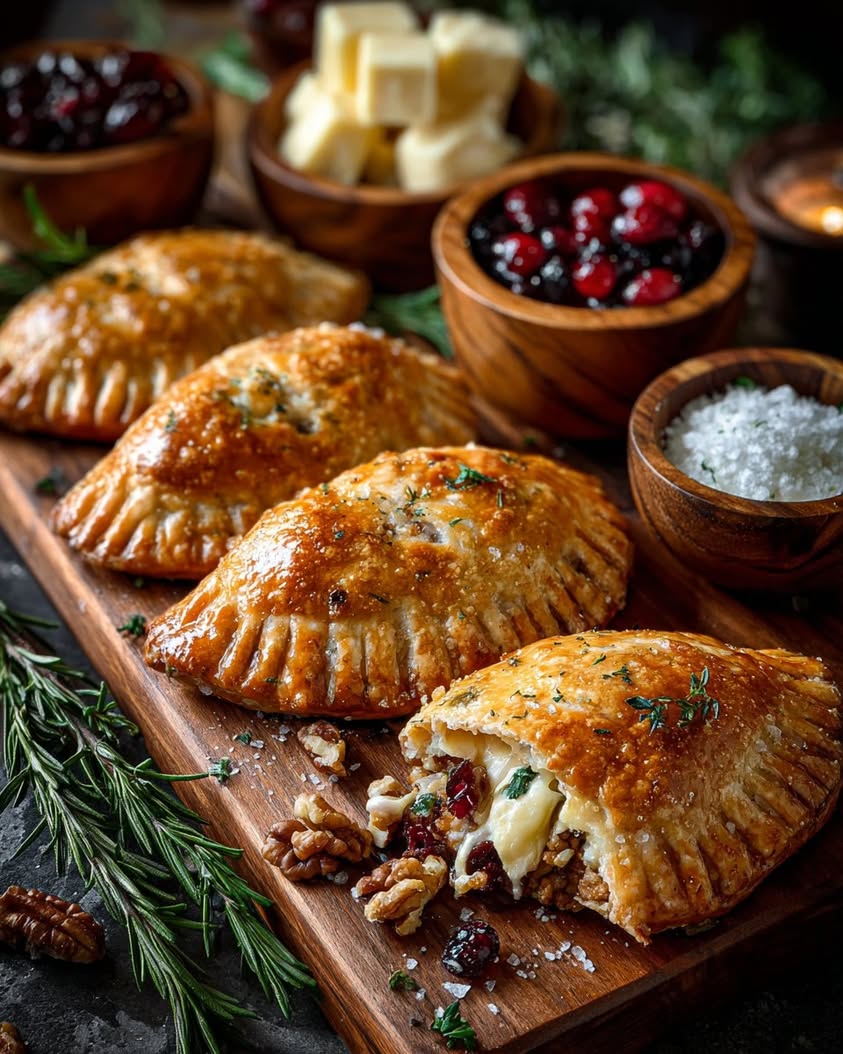
Savory Cranberry-Walnut Hand Pies with Garlic Herb Butter Crust: The Perfect Portable Appetizer
Imagine a flaky, buttery crust giving way to a warm, savory-sweet filling that dances on your palate. These Savory Cranberry Walnut Hand Pies are exactly that kind of culinary magic. They masterfully bridge the gap between rustic comfort food and elegant party fare. Consequently, they offer a delightful surprise in every single bite. The rich, earthy crunch of walnuts meets the bright, tart pop of cranberries, all enveloped in a crust infused with garlic and herbs. Ultimately, this recipe transforms simple ingredients into a show-stopping appetizer or a unique main course.
Furthermore, these hand pies are incredibly versatile. You can serve them at a holiday gathering, pack them for a sophisticated picnic, or enjoy them as a special weeknight treat. The aroma of garlic and herbs baking into the golden pastry is utterly intoxicating. It fills your kitchen with a warmth that promises something truly delicious. Each pie is a self-contained package of flavor, making them mess-free and perfect for sharing. In essence, they are the ultimate combination of convenience and gourmet taste.
This recipe for Savory Cranberry Walnut Hand Pies is a celebration of contrasting textures and flavors. The process is a joyful one, from rolling out the fragrant dough to spooning in the jewel-toned filling. As a result, you end up with a beautiful, golden-brown pastry that is as pleasing to the eye as it is to the stomach. Whether you are a seasoned baker or an enthusiastic beginner looking for a rewarding project, these hand pies deliver immense satisfaction. They prove that savory pastries can be just as exciting and complex as their sweet counterparts.
Quick Recipe Highlights
- Flavor Profile: These hand pies feature a sophisticated balance. The savory garlic herb butter crust perfectly complements the sweet-tart cranberry and rich, toasty walnut filling. Additionally, a hint of thyme and black pepper adds a subtle, aromatic depth that ties everything together beautifully.
- Texture: Experience a wonderful contrast in every mouthful. The crust bakes up incredibly flaky and shatteringly crisp, while the interior filling is soft, jammy, and studded with satisfying crunchy pieces of toasted walnut. This combination is truly irresistible.
- Aroma: While baking, your kitchen will fill with the warm, comforting scent of roasting garlic and dried herbs melding with the sweet fruitiness of cranberries. It is an aroma that immediately creates a cozy, welcoming atmosphere.
- Visual Appeal: These hand pies are gorgeous. They turn a deep, golden brown with visible, delicate layers in the crust. Moreover, the crimson cranberry filling peeking through the steam vents adds a vibrant pop of color that makes them look professionally made.
- Skill Level Needed: This recipe is ideal for confident beginners or intermediate home cooks. It involves making a simple pastry dough and a straightforward stovetop filling. Patience with chilling the dough is more important than any advanced culinary technique.
- Special Equipment: You need only basic kitchen tools: a rolling pin, a baking sheet, and a round cutter or bowl for shaping. A pastry brush for the egg wash is helpful but not strictly mandatory. No fancy equipment is required.
Recipe Overview
- Difficulty Level: We rate these Savory Cranberry Walnut Hand Pies as intermediate. The process is not overly complex, but it requires attention to detail. For example, keeping the butter cold for a flaky crust and properly sealing the edges to prevent leaks are crucial steps. However, with clear instructions, most home cooks can achieve excellent results.
- Category: These pies fit wonderfully into multiple categories. Primarily, they shine as an appetizer or hors d’oeuvre. Alternatively, they can serve as a light main course alongside a fresh green salad. They also make a fantastic addition to a brunch or lunch spread.
- Cuisine: This recipe draws inspiration from American farmhouse cooking and European pastry traditions. The concept of a hand pie is global, but the use of cranberries and walnuts is distinctly North American. The garlic herb butter crust adds a French-inspired savory note, creating a delicious fusion.
- Cost: Making these hand pies is quite cost-effective, especially compared to buying similar gourmet pastries. Ingredients like flour, butter, and walnuts are pantry staples. Fresh or frozen cranberries are inexpensive, particularly in season. Overall, you can create an impressive dish for a fraction of the store-bought price.
- Season: This recipe is perfect for fall and winter. Cranberries are at their peak, and the warm, spiced flavors complement cooler weather perfectly. That said, using frozen cranberries allows you to enjoy these Savory Cranberry Walnut Hand Pies any time of year for a taste of seasonal comfort.
- Occasion: These are incredibly versatile for entertaining. They are elegant enough for Thanksgiving or Christmas cocktail parties, charming for a bridal or baby shower, and rustic enough for a game-day gathering. Basically, any event where delicious, handheld food is welcome.
Why You’ll Love This Recipe
First and foremost, the taste and texture are absolutely phenomenal. Each bite of these Savory Cranberry Walnut Hand Pies delivers a symphony of sensations. The initial crunch of the garlic-herb crust gives way to the soft, warm, and complex filling. The cranberries provide a bright acidity that cuts through the richness, while the walnuts add a necessary earthy crunch. This balance prevents the pastry from feeling too heavy, making it surprisingly moreish. You will find the flavor profile sophisticated enough for adults yet approachable enough for anyone who enjoys a good pot pie.
From a convenience standpoint, these hand pies are a game-changer. They are designed to be eaten without plates or forks, making them the ultimate portable food. You can make them ahead of time and reheat them, which is a huge bonus for busy hosts. Furthermore, the individual portions help with crowd control and presentation. Everyone gets their own perfect, personal pie. The recipe is also forgiving; if your crimping isn’t perfect, they will still taste incredible. Ultimately, they offer maximum impressive factor with manageable kitchen effort.
Nutritionally, these hand pies offer more than just empty calories. Cranberries are packed with antioxidants and vitamin C. Walnuts provide healthy fats, protein, and omega-3 fatty acids, which are great for heart health. Using whole wheat flour in the crust is an easy adaptation to add fiber. While they are certainly a treat, the inclusion of these whole-food ingredients means you are enjoying something with substantive nutritional value. You can feel good about serving these to your family and friends.
The social and entertaining value of this dish cannot be overstated. Food that is meant to be eaten with your hands naturally creates a more relaxed and interactive dining atmosphere. Placing a platter of these golden, fragrant Savory Cranberry Walnut Hand Pies on a table instantly becomes a conversation starter. Guests will be intrigued by the unique combination of flavors. They are a departure from the usual dips and chips, showing thoughtfulness and culinary creativity. Consequently, they make you look like a rock star host with minimal last-minute fuss.
Finally, these pies are wonderfully cost-effective and accessible. You likely have many of the ingredients, like flour, butter, and basic spices, already in your kitchen. Cranberries and walnuts are affordable, especially when purchased in bulk or during their peak season. Compared to ordering fancy appetizers from a caterer or bakery, making a batch of these yourself saves a significant amount of money. Additionally, you control the quality of every ingredient, avoiding unnecessary preservatives or excess salt. This recipe proves that impressive, gourmet-tasting food can be both achievable and economical for any home cook.
Historical Background and Cultural Significance
The concept of the hand pie is ancient and virtually universal, spanning cultures and continents. Every culture has a version of pastry wrapped around a filling for portability, from Cornish pasties to Jamaican patties, Spanish empanadas to Indian samosas. These creations were born from practicality, providing a complete, durable meal for laborers, travelers, and soldiers. The Savory Cranberry Walnut Hand Pie sits firmly within this grand tradition, adapting the format to showcase distinctly North American ingredients. It is a modern twist on a historical need, transforming functional food into a celebratory dish.
Cranberries and walnuts both hold deep cultural significance in North America. Native American tribes used cranberries for food, dye, and medicine long before European settlers arrived. They introduced the tart berry to pilgrims, and it became a staple of survival and celebration. Similarly, walnuts have been foraged and cultivated for thousands of years for their rich flavor and nutritional density. Combining these two native ingredients in a pastry is a nod to the culinary heritage of the continent. It connects the recipe to the land and its history in a meaningful way.
The evolution of the hand pie from a working-class staple to a gourmet item is fascinating. Initially, these pies contained simple, hearty fillings like meat and potatoes. As home baking became more refined and ingredients more accessible, the fillings diversified. The introduction of butter-based, flaky pastry crusts elevated the form from mere sustenance to a delicacy. Our recipe continues this evolution by incorporating a sophisticated garlic herb butter into the crust itself. This step adds a layer of flavor that was once considered the domain of professional chefs, bringing gourmet technique into the home kitchen.
Regional variations of this concept are endless. In the American South, you might find a similar hand pie with pecans and peaches. In the Northeast, apples and cheddar would be a classic combination. Our Savory Cranberry Walnut Hand Pies borrow from the flavor profiles popular in the Pacific Northwest and New England, where these ingredients are abundant. This adaptability is the hallmark of great peasant food—it utilizes what is local and seasonal. Today, this versatility allows home cooks to put their own spin on the recipe, perhaps using blueberries or hazelnuts, continuing the living history of the hand pie.
Ingredient Deep Dive
Fresh Cranberries: These vibrant red berries are one of only three fruits native to North America. Cultivated primarily in bogs, they are harvested in the fall and are a iconic symbol of Thanksgiving. Nutritionally, they are superstar antioxidants, particularly rich in proanthocyanidins, which help prevent urinary tract infections. They are also a good source of Vitamin C and fiber. When selecting, choose berries that are firm, plump, and brightly colored. Avoid any that are shriveled or soft. Store fresh cranberries in a sealed bag in the refrigerator for up to a month, or freeze them for up to a year. If you cannot find fresh, frozen cranberries work perfectly without thawing.
Walnuts: Walnuts are among the oldest tree foods, with evidence of consumption dating back to 7000 B.C. They have been revered in many cultures for their brain-like shape, leading to the ancient doctrine of signatures which suggested they were good for the mind. Modern science confirms they are rich in omega-3 fatty acids, which support brain and heart health. They also provide protein, magnesium, and antioxidants. For the best flavor, always buy walnuts raw and toast them yourself. Store walnuts in an airtight container in the refrigerator or freezer to prevent their oils from turning rancid. For a substitution, pecans make an excellent alternative with a slightly sweeter, buttery profile.
Garlic Herb Butter (for crust): This is the secret weapon that elevates the crust from simple vessel to a star component. Compound butters have a long history in French cuisine, used to finish steaks, seafood, and bread. Incorporating herbs and garlic directly into the pastry fat distributes flavor evenly throughout every layer. The butter must be very cold to create steam pockets during baking, resulting in flakiness. Use high-quality, unsalted butter to control the salt level. Fresh herbs like thyme or rosemary are ideal, but dried herbs work in a pinch. The key is to mix the softened butter with the aromatics and then re-chill it before incorporating it into the flour. This extra step guarantees maximum flavor impact.
Common Mistakes to Avoid
- Using Warm Butter: This is the most critical error. If your butter for the crust is soft or melty, it will absorb into the flour instead of creating separate layers. Consequently, you will get a tough, dense crust instead of a flaky one. Always start with cold butter and work quickly.
- Overworking the Dough: When mixing the pie dough, stop as soon as it comes together. Over-mixing develops the gluten in the flour, leading to a chewy, bread-like texture. You want to see visible streaks of butter in the dough; that is a sign of future flakiness.
- Not Chilling the Dough: Skipping the chill time allows the butter to warm and the gluten to relax. This makes the dough sticky and difficult to roll out, and it can cause the pies to lose their shape in the oven. Patience here is non-negotiable for success.
- Overfilling the Pies: It is tempting to add extra filling, but this will cause the pies to burst open during baking. Use a measured tablespoon or cookie scoop to ensure consistency and leave a sufficient border for sealing. Less is often more.
- Inadequate Sealing: If the edges are not firmly pressed together, the filling will bubble out. Use the tines of a fork to crimp firmly, or use the fold-and-pinch method. Additionally, brushing the edges with egg wash before sealing acts as a culinary glue.
- Skipping the Steam Vents: Forgetting to cut slits in the top of each pie is a small step with big consequences. Without an escape route, steam builds up inside and can cause the pies to explode or become soggy. A sharp knife or decorative cut does the trick.
- Underbaking: Removing the Savory Cranberry Walnut Hand Pies from the oven when they are just lightly golden can result in a soggy bottom crust. Bake them until they are a deep, rich golden brown all over. This ensures the bottom is fully cooked and crisp.
- Not Letting Them Rest: The filling is molten hot straight from the oven. Allow the pies to cool on the baking sheet for at least 10-15 minutes before serving. This lets the filling set slightly, preventing burns and making them easier to handle.
Essential Techniques
Creating a Flaky Crust: The flakiness in pastry comes from solid pieces of fat (butter) melting in the oven and creating steam pockets. To achieve this, your butter must remain in small, cold pea-sized pieces throughout the mixing process. Use a pastry cutter, two forks, or even your fingertips, but work quickly. Add ice-cold water sparingly, just until the dough holds together. The dough will look shaggy and uneven—this is perfect. Over-handling melts the butter and develops gluten, the enemies of flakiness. The visual cue for success is a dough with visible butter streaks before you chill it.
Making a Compound Butter: This technique involves blending softened butter with flavorings before using it. For this recipe, you will mix softened butter with minced garlic, herbs, salt, and pepper. Then, you spread it back into a thin layer on parchment paper and re-chill it until firm. This step is crucial because it evenly distributes the savory flavors throughout the fat. When you then cut this flavored butter into the flour, every bit of pastry gets infused with taste. The key is to let the butter soften just enough to be mixable, not melted. Chilling it again is non-negotiable for proper dough texture.
Crimping and Sealing: A proper seal is what keeps your filling inside the pastry. After placing the filling on one dough round, brush the edges lightly with egg wash. This acts as an adhesive. Then, fold the dough over to create a half-moon shape. Press the edges together firmly. You can then use the tines of a fork to press down all around the edge, which both seals and decorates. Alternatively, you can fold and pinch the edge between your fingers to create a rope-like pattern. The goal is to create a tight, continuous bond that won’t give way under the pressure of expanding steam and bubbling filling.
Pro Tips for Perfect Savory Cranberry Walnut Hand Pies
First, freeze your butter for the compound butter step. After mixing the garlic and herbs into the softened butter, spread it thin on parchment and freeze for 15 minutes. This makes it incredibly easy to break into perfect pea-sized pieces for the dough.
Toast your walnuts deeply. Do not just warm them; toast them in a dry skillet over medium heat until fragrant and slightly darkened. This intensifies their flavor and adds a crucial depth that balances the tart cranberries.
Use an apple corer or a small round piping tip to cut perfect steam vents. It creates a neat, professional-looking hole and is easier than using a knife for small circles.
Chill the assembled pies on the baking sheet for 15 minutes before baking. This final chill solidifies the butter again, leading to maximum oven spring and a flakier result. It also helps them hold their shape.
If your filling seems too wet after cooking, let it cool completely before assembling. You can also add an extra tablespoon of breadcrumbs or crushed walnuts to absorb excess moisture and prevent sogginess.
For a glossy, professional finish, make an egg wash with one egg yolk and a teaspoon of cream or milk. Brush it lightly over the pies just before baking for that deep, inviting golden color.
Roll your dough between two sheets of parchment paper. This prevents sticking without adding excess flour, which can toughen the dough. It also makes cleanup a breeze.
Label and date them if you freeze unbaked pies. You can bake them directly from frozen, just add 5-7 extra minutes to the baking time for perfect, fresh-baked hand pies anytime.
Variations and Adaptations
Regional Variations: Embrace local flavors by swapping ingredients. In the South, use pecans and a dash of cayenne pepper with the cranberries. For a Midwest twist, try dried cherries and chopped apples. A coastal version could include a bit of crumbled goat cheese or feta in the filling for a tangy surprise.
Seasonal Adaptations: While perfect for fall, these hand pies are adaptable. In spring, use a rhubarb and strawberry compote with pistachios. For summer, a filling of roasted corn, black beans, and Monterey Jack cheese with a lime-cilantro crust offers a totally different, vibrant take on the concept.
Dietary Modifications: For a gluten-free version, use a 1:1 gluten-free flour blend in the crust. To make it vegan, substitute cold coconut oil or a vegan butter stick for the dairy butter and use a flax egg for sealing and washing. The filling is naturally vegan-friendly.
Flavor Variations: Infuse the filling with different spices. A pinch of Chinese five-spice powder adds intrigue. Smoked paprika gives a warm, smoky note. For a holiday feel, add a small amount of minced fresh rosemary or sage directly to the cranberry mixture as it cooks.
Texture Modifications: If you prefer a smoother filling, you can pulse the cooked cranberry-walnut mixture a few times in a food processor. Conversely, for more texture, add a handful of whole rolled oats or pepitas to the filling along with the walnuts.
Presentation Alternatives: Instead of half-moons, use a round cutter to create circles. Place filling in the center of one circle, top with another, and crimp the edges to make a round, pie-shaped pastry. You can also make smaller, bite-sized versions for cocktail parties.
Serving and Presentation Guide
Plating is simple but effective. Arrange the warm Savory Cranberry Walnut Hand Pies on a wooden cutting board, a slate slab, or a simple white platter. The rustic, golden-brown pastries look beautiful against a neutral background. Space them out slightly so each one is distinct. If serving as an appetizer, place a small bowl of complementary dipping sauce in the center, such as a thyme-infused honey, a garlic aioli, or a sour cream and chive dip.
Garnishing adds the final touch. A light sprinkle of flaky sea salt and freshly cracked black pepper over the pies right after they come out of the oven enhances flavor and looks chic. You can also place a few fresh thyme sprigs or rosemary needles on the platter around the pies. For a festive touch during the holidays, a scattering of fresh cranberries and walnut halves around the base of the platter ties the presentation together beautifully.
Traditional accompaniments keep things simple. These hand pies are a complete package, but they pair wonderfully with a simple, crisp green salad dressed with a sharp vinaigrette to cut the richness. For a heartier meal, serve them alongside a bowl of roasted butternut squash soup. The flavors are complementary and the meal feels cozy and complete.
Modern serving suggestions might include deconstructing the elements. Serve a mini hand pie atop a swoosh of creamy celery root puree for a restaurant-style appetizer. Alternatively, crumble a baked pie over a bed of bitter greens like arugula with a warm bacon vinaigrette for a hearty salad. They are also fantastic as part of a brunch buffet next to quiche and fruit.
Temperature is key. These pies are best served warm or at room temperature. If they have cooled completely, a quick 5-minute reheat in a 350°F oven will restore the crispness of the crust. Avoid the microwave, as it will make the crust soggy. Let them sit for a minute or two after reheating so the molten filling can settle.
Portion control is built-in, which is a host’s dream. One standard-sized hand pie per person is perfect as an appetizer. For a light lunch or main course, plan for two pies per person alongside a salad or side vegetable. For bite-sized cocktail pies, guests can happily enjoy two or three.
Wine and Beverage Pairing
Wine pairings should complement the sweet, tart, and savory notes. A dry Rosé with its bright acidity and red fruit notes is a fantastic all-around match. For a red wine, choose a lighter-bodied Pinot Noir with low tannins and earthy notes that won’t overpower the walnuts. A white wine like an off-dry Riesling or Gewürztraminer beautifully echoes the cranberry’s fruitiness and can handle the subtle herbs. Ultimately, avoid heavily oaked wines, as they can clash with the dish’s delicate balance.
Non-alcoholic alternatives are just as important. A sparkling apple cider provides effervescence and autumnal flavor. For a more sophisticated option, try a ginger beer with a squeeze of lime; the spice and acidity are refreshing against the rich pastry. A simple cranberry and soda water spritzer garnished with rosemary continues the theme deliciously.
Coffee and tea pairings work wonderfully, especially for a brunch or afternoon serving. A medium-roast coffee with nutty or chocolatey notes complements the walnuts. For tea, a smoky Lapsang Souchong can stand up to the savory crust, while a fruity herbal tea like hibiscus or berry blend mirrors the cranberry filling.
Temperature considerations matter. Serve white wines, Rosés, and sparkling beverages well-chilled. Red wines should be served slightly below room temperature, around 60-65°F. Non-alcoholic sparkling drinks should be ice-cold. Warm beverages like coffee and tea should be freshly brewed and hot to provide a comforting contrast.
Serving suggestions include offering a variety. At a party, set up a small beverage station with a bottle of Rosé, a pitcher of sparkling cider, and a carafe of water infused with cranberries and oranges. This allows guests to choose what suits their taste and ensures everyone has a perfect drink to accompany your Savory Cranberry Walnut Hand Pies.
Storage and Shelf Life
Storage methods depend on timing. For short-term storage, let the baked hand pies cool completely. Then, place them in a single layer in an airtight container. You can separate layers with parchment paper. Store them at room temperature for up to 2 days. For longer storage, the refrigerator is best, where they will keep for up to 4 days. The crust will soften in the fridge but will re-crisp nicely in the oven.
Temperature requirements are straightforward. Never store warm pies in a sealed container, as condensation will make them soggy. Always cool to room temperature first. If refrigerating, bring them to room temperature or reheat before serving for the best texture and flavor experience.
Container recommendations are simple. A rigid, airtight container is ideal to prevent crushing. For room temperature storage, a cake carrier or large Tupperware works perfectly. For the freezer, wrap each pie individually in plastic wrap and then place them in a heavy-duty freezer bag or airtight container to prevent freezer burn.
Signs of spoilage are easy to spot. If you see any mold growth, discard the pie immediately. A sour or off smell is another clear indicator. If the crust has become unpleasantly soggy and cannot be revived by reheating, the texture has degraded too far, though it may not be unsafe, just unpalatable.
Reheating instructions are crucial for restoring quality. Preheat your oven or toaster oven to 350°F. Place the pies on a baking sheet and heat for 8-12 minutes if at room temperature, or 12-15 minutes if chilled from the fridge, until heated through and the crust is crisp again. Avoid the microwave.
Freezing guidelines are excellent for make-ahead ease. You can freeze unbaked or baked pies. For unbaked, assemble, place on a parchment-lined sheet, freeze solid, then transfer to a bag. Bake from frozen, adding 5-7 extra minutes. Baked pies can be frozen after cooling. Thaw in the fridge overnight and reheat in the oven.
Make Ahead Strategies
Prep timeline can be spread over two days for stress-free entertaining. Day 1: Make the garlic herb compound butter and chill it. Prepare the cranberry-walnut filling and let it cool completely in the fridge. You can even mix the dry ingredients for the crust. Day 2: Cut the cold compound butter into the flour, add water to form the dough, chill, roll, assemble, and bake. This breaks the work into manageable chunks.
Storage between steps is simple. The compound butter can be made and kept in the fridge for up to 3 days or frozen for a month. The cooled filling can be refrigerated in an airtight container for 2-3 days. The dough, once formed into a disc, can be wrapped tightly and refrigerated for up to 2 days or frozen for 3 months.
Quality impact assessment is positive. Making components ahead often improves flavor, as it allows the garlic and herbs to meld in the butter and the filling flavors to marry. The key is ensuring everything is cooled completely before storing to prevent moisture buildup. The final baked product from make-ahead components is indistinguishable from, and often better than, an all-in-one-day effort.
Assembly tips for make-ahead: If you want to assemble the pies a few hours before baking, you can. After crimping, place them on the baking sheet, cover loosely with plastic wrap, and refrigerate. You can also freeze them at this stage for long-term storage. The key is to keep them cold until the oven is hot.
Reheating guidelines for pre-baked pies are as noted above. The oven is your best friend for restoring texture. If you baked pies ahead and stored them, reheating in a 350°F oven for 10-15 minutes will bring them back to life beautifully.
Fresh element additions can perk up make-ahead pies. If you made the filling ahead, taste it before assembling. A fresh squeeze of lemon juice or a pinch of zest can brighten it up. After baking and reheating, a garnish of fresh herbs or flaky salt just before serving adds a perfect final touch of freshness.
Scaling Instructions
Halving the recipe is straightforward for a smaller batch. Simply divide all ingredient quantities by two. Use one egg yolk for the egg wash, as halving an egg is messy. The dough may come together more quickly, so watch the water addition. A half-batch will yield 4 generous hand pies, perfect for a small family meal.
Doubling or tripling is excellent for a crowd. Multiply all ingredients consistently. Mix the dough in batches if your bowl isn’t large enough to avoid overworking it. You will need to roll and assemble in stages, keeping unused dough chilled. Baking may require multiple sheets in the oven; rotate them halfway through for even browning. Expect the total assembly time to increase proportionally.
Equipment adjustments are necessary when scaling up. For a double batch, ensure you have two large baking sheets. You may need to use multiple racks in your oven. If you only have one sheet, bake in batches, keeping the unbaked pies chilled while the first batch cooks. For a half batch, a quarter sheet pan is perfectly sized.
Timing modifications for baking are minimal. Whether baking 4 pies or 12, the individual bake time per sheet remains roughly the same (22-25 minutes). The difference is in the number of batches. Always preheat your oven fully before the first batch goes in. The oven temperature does not need adjustment for quantity.
Storage considerations change with scale. A large batch means you’ll likely have leftovers. Plan your storage containers accordingly. If freezing, ensure you have enough freezer space. Label bags clearly with the date and quantity. For a halved batch, you might use it all immediately, simplifying storage needs.
Nutritional Deep Dive
Macro breakdown per pie will vary but generally includes a balance of carbohydrates from the crust and cranberries, healthy fats from the walnuts and butter, and a modest amount of protein from the walnuts and flour. The crust contributes the majority of the calories and fat, while the filling provides fiber, vitamins, and antioxidants. It is a energy-dense food, so portion awareness is helpful.
Micronutrient analysis reveals notable benefits. Cranberries are an excellent source of Vitamin C, Vitamin E, and Vitamin K1. They also provide manganese and copper. Walnuts contribute significantly to manganese, copper, magnesium, and phosphorus. The garlic in the crust offers allicin, a compound with noted health-promoting properties. Using whole wheat flour would further boost the B-vitamin and fiber content.
Health benefits are linked to the whole-food ingredients. The antioxidants in cranberries and walnuts combat oxidative stress and inflammation. The monounsaturated and polyunsaturated fats in walnuts support heart health. The fiber from the fruit and potential whole grains aids digestion. While a pastry, this recipe incorporates ingredients with genuine functional benefits.
Dietary considerations include being vegetarian. The recipe can be adapted for many other needs as discussed. For general health, it is a treat best enjoyed in balance with other nutrient-dense, less energy-rich foods. The presence of nuts means it is not suitable for those with tree nut allergies without substitution.
Portion analysis is built-in. One hand pie is a defined serving, which helps with mindful eating. It provides a satisfying experience of flavors and textures in a controlled amount. This prevents the overconsumption that can happen when eating from a larger, shared dish.
Weight management tips involve context. Enjoy one pie as part of a meal with a large side salad or vegetable soup to increase volume and nutrients without excessive calories. Be mindful of added dipping sauces, which can significantly increase fat and calorie content. Ultimately, savoring a well-made treat like this can prevent feelings of deprivation, supporting long-term healthy eating habits.
Dietary Adaptations
Gluten-free: Use a reputable 1:1 gluten-free flour blend that contains xanthan gum. Brands like Bob’s Red Mill or King Arthur Measure for Measure work well. The dough may be slightly more delicate to roll, so chill it thoroughly and use parchment paper. The result will be a tender, slightly crumbly, but delicious crust.
Dairy-free: Substitute the butter in both the compound butter and the crust with a high-quality, firm vegan butter stick (like Miyoko’s or Earth Balance). Ensure it is very cold. For the egg wash, use a plant-based milk or aquafaba (chickpea brine) brushed on the crust to promote browning.
Vegan: Follow the dairy-free instructions and also replace the egg wash. A mix of 1 tbsp plant milk + 1 tsp maple syrup brushed on gives a nice glaze. The filling is naturally vegan. Ensure your sugar is certified vegan if that is a concern, as some white sugar is processed with bone char.
Low-carb/Keto: This is a significant adaptation. For the crust, use a fat-head dough made with almond flour, mozzarella, and cream cheese. For the filling, use a sugar substitute like erythritol or allulose to sweeten the cranberries, and be mindful of the carb count in onions and cranberries, reducing quantities as needed.
Paleo: Use a grain-free flour blend like almond or cassava flour for the crust, along with cold coconut oil or ghee. Sweeten the cranberry filling with a touch of raw honey or maple syrup. Ensure all ingredients are whole, unprocessed foods to align with Paleo principles.
Low-FODMAP: The garlic and onion are high-FODMAP triggers. Replace the garlic in the compound butter with garlic-infused oil (where the fructans are not soluble in the oil). Use only the green tops of scallions instead of onion. Ensure the cranberry portion per serving is within Monash University’s recommended limits.
Nut-Free: Omit the walnuts entirely. For crunch and protein, substitute with toasted sunflower seeds or pepitas. Ensure all other ingredients and your workspace are free from cross-contamination if serving someone with a severe allergy.
Troubleshooting Guide
Crumbly, Dry Dough:{“success”:true,”message”:”Recipe created successfully”,”post_id”:9168,”tasty_recipe_id”:9168,”shortcode”:”“}

I’m Billy, a classically trained culinary school graduate from The Culinary Institute of America with over 12 years in the restaurant industry and over 19 years of cooking experience.