
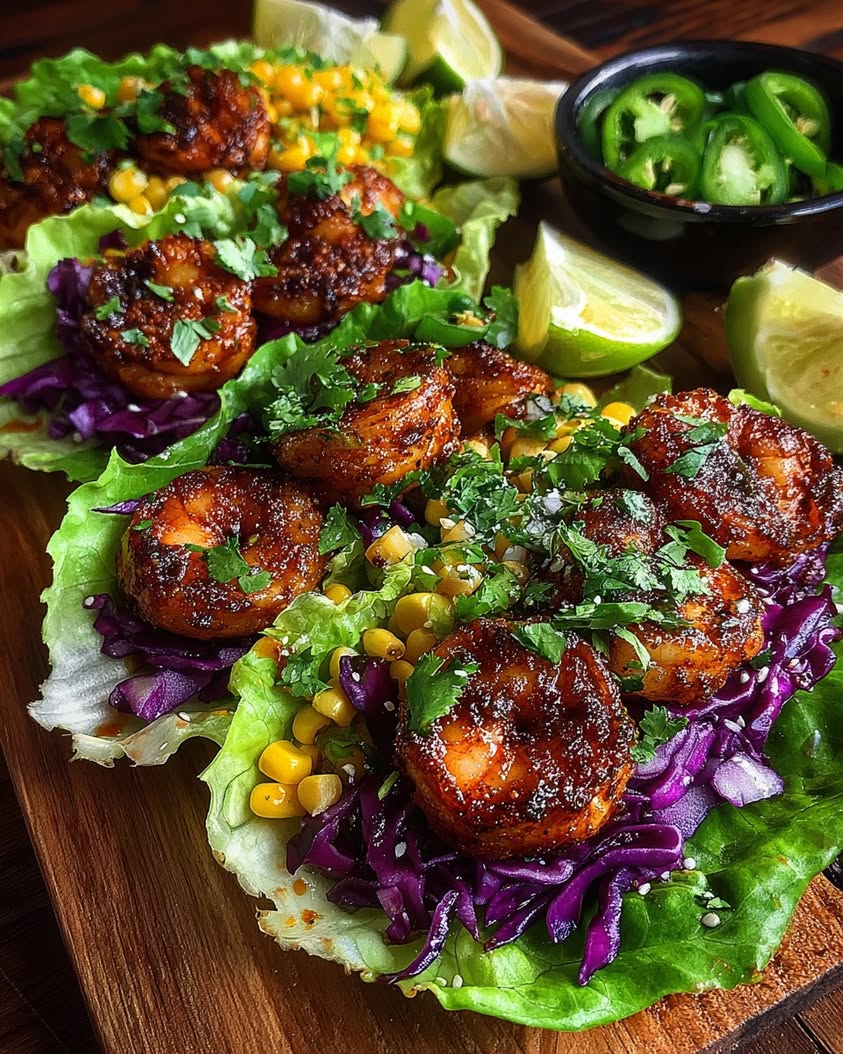
Easy Shrimp Taco Lettuce Wraps: A Fresh, Low-Carb Weeknight Dinner
Imagine a meal that bursts with vibrant flavor yet feels incredibly light and fresh. These Easy Shrimp Taco Lettuce Wraps deliver exactly that experience. They combine succulent, perfectly seasoned shrimp with a rainbow of crisp vegetables, all bundled in a cool, crunchy lettuce leaf. Ultimately, this dish is a celebration of texture and taste that comes together in under thirty minutes.
Furthermore, this recipe is a fantastic answer to the eternal question of what to make for a quick, healthy dinner. The beauty of these shrimp taco lettuce wraps lies in their simplicity and adaptability. You can customize the toppings to suit your mood, making them a family-friendly option that pleases everyone. Additionally, they are naturally low-carb and gluten-free, fitting seamlessly into various dietary lifestyles without sacrificing an ounce of satisfaction.
The star of the show is undoubtedly the shrimp, coated in a smoky, zesty blend of spices and seared to juicy perfection. Paired with a creamy, tangy sauce and the fresh crunch of lettuce, each bite is a harmonious balance. Consequently, these wraps are not just a meal; they are a refreshing, hands-on eating experience perfect for warm evenings, casual gatherings, or whenever you crave something deliciously different.
Quick Recipe Highlights
- Flavor Profile: These wraps offer a dynamic mix of smoky, spicy, and bright citrus notes from the seasoned shrimp. The creamy sauce adds a cool, tangy counterpoint that ties all the elements together beautifully.
- Texture: You get a wonderful contrast between the tender, juicy shrimp and the crisp, cool lettuce cup. Toppings like diced avocado and corn add creamy and juicy pops, creating a truly satisfying mouthfeel.
- Aroma: As the shrimp cook, they release a mouthwatering scent of garlic, cumin, and chili powder. This warm, savory aroma is perfectly complemented by the fresh, green scent of the lettuce and herbs.
- Visual Appeal: The presentation is stunning, with pink shrimp, green lettuce, red tomatoes, yellow corn, and white sauce creating a colorful, restaurant-worthy plate. It is a feast for the eyes before you even take a bite.
- Skill Level Needed: This is a beginner-friendly recipe. The techniques involve simple chopping, mixing, and quick sautéing. No advanced culinary skills are required for success.
- Special Equipment: You need only a good skillet and a sharp knife. A mixing bowl for the sauce and a set of measuring spoons are helpful but not strictly necessary.
Recipe Overview
- Difficulty Level: We rate this recipe as easy because it involves straightforward techniques like chopping vegetables and sautéing shrimp. The steps are sequential and simple, with minimal multitasking required. Even a novice cook can achieve excellent results on the first try.
- Category: This dish fits perfectly into the categories of healthy dinners, quick meals, and low-carb lunches. It is also an excellent option for appetizers or a light main course, depending on your portion size.
- Cuisine: While inspired by the vibrant flavors of Baja-style fish tacos, this is a modern, health-conscious fusion dish. It borrows seasoning profiles from Mexican cuisine but presents them in a fresh, lettuce-wrap format popular in contemporary American cooking.
- Cost: The cost is moderate, primarily driven by the price of fresh shrimp. However, using frozen shrimp is a budget-friendly alternative. The remaining ingredients like lettuce, spices, and vegetables are generally inexpensive pantry staples.
- Season: These shrimp taco lettuce wraps are ideal for spring and summer. They are light, refreshing, and require minimal stove time. Conversely, they also provide a bright, healthy counterpoint to heavier winter meals.
- Occasion: Perfect for busy weeknights, casual weekend lunches, or as a healthy option for game day gatherings. They are also great for meal prep, as components can be made ahead and assembled quickly.
Why You’ll Love This Recipe
First and foremost, the taste and texture are utterly irresistible. The shrimp are coated in a smoky, slightly spicy rub that caramelizes beautifully in the hot pan. When you bite into the wrap, the warm, flavorful shrimp meet the cool, crisp lettuce and the creamy, zesty sauce. This combination creates a party in your mouth that is both satisfying and refreshing. Every element has a purpose, resulting in a perfectly balanced flavor profile that will have you reaching for seconds.
Moreover, the convenience factor is a major win. These easy shrimp taco lettuce wraps come together in about twenty-five minutes from start to finish. The prep work is minimal, involving mostly chopping a few fresh ingredients. The cooking process is equally swift, as shrimp cook in just a few minutes. This makes it an ideal solution for those evenings when you want a delicious, home-cooked meal without spending hours in the kitchen. It is faster than ordering takeout and far healthier.
From a nutritional standpoint, this recipe is a powerhouse. Shrimp are an excellent source of lean protein and important nutrients like iodine and selenium. Using lettuce leaves instead of tortillas or shells significantly reduces carbohydrates and calories, making it a fantastic low-carb or gluten-free option. You also pack in a serving of vegetables with the toppings. Therefore, you get a meal that fuels your body well without any feeling of deprivation.
Additionally, these wraps have fantastic social and entertaining value. They are inherently interactive and fun to eat, making them perfect for casual dinners with friends or family. You can set up a “wrap bar” with bowls of seasoned shrimp, various toppings, and sauce, allowing everyone to build their own creation. This interactive element turns dinner into an engaging experience, especially enjoyable for kids and picky eaters who like to customize their food.
Finally, the recipe is cost-effective and accessible. While shrimp can be a pricier protein, using frozen shrimp is a very affordable alternative that works perfectly. The remaining ingredients are common and inexpensive. You likely already have many of the spices in your pantry. This accessibility means you can enjoy a restaurant-quality, healthy meal without a restaurant-quality price tag, making it a sustainable choice for regular rotation in your meal plan.
Historical Background and Cultural Significance
The concept of wrapping food in leaves dates back thousands of years across many cultures, from Greek dolmades to Vietnamese spring rolls. In the Americas, indigenous cultures used corn husks and other leaves to encase food for cooking and eating. The modern lettuce wrap, however, gained significant popularity in the United States in the late 20th and early 21st centuries. This rise coincided with growing interest in low-carbohydrate diets and a culinary shift towards lighter, fresher presentations of global flavors.
Meanwhile, the shrimp taco has its own rich history, deeply rooted in the coastal regions of Mexico, particularly Baja California. Originally, Baja-style fish tacos featured beer-battered white fish. Over time, as culinary traditions evolved and ingredients became more accessible, shrimp became a popular and delicious alternative. The migration of these flavors northward, combined with the American fondness for handheld foods, created a perfect storm for innovation. Chefs and home cooks began deconstructing and reimagining the classic taco.
Consequently, the fusion of the handheld taco concept with the health-conscious lettuce wrap was a natural progression. This recipe represents a contemporary, cross-cultural dish that honors the bold seasoning of Mexican coastal cuisine while adapting the vessel to modern dietary preferences. It is a testament to how food traditions are not static; they blend, evolve, and inspire new creations that resonate with current tastes and lifestyles. This dish is a delicious product of that ongoing culinary conversation.
Today, easy shrimp taco lettuce wraps symbolize a desire for meals that are both flavor-forward and nutritionally mindful. They sit at the intersection of several food trends: the demand for quick, weeknight-friendly recipes, the preference for high-protein, low-carb options, and the love for globally inspired flavors. As a result, they have become a staple in the repertoire of health-conscious cooks and food enthusiasts looking for a meal that feels indulgent yet is genuinely good for you.
Ingredient Deep Dive
Let us start with the star: shrimp. Shrimp have been a vital food source for coastal communities worldwide for centuries. Nutritionally, they are a powerhouse of lean protein, very low in fat and calories. They are also an excellent source of selenium, a crucial antioxidant, and iodine, which supports thyroid health. When selecting shrimp, look for firm, translucent flesh with a mild sea smell. For sustainability, choose wild-caught or responsibly farmed shrimp certified by organizations like the Marine Stewardship Council. You can use fresh or frozen; just ensure they are properly thawed and patted very dry before cooking for the best sear.
Next, consider the lettuce. Butter lettuce or Boston Bibb is ideal for these wraps due to its cup-like shape and tender, flexible leaves. Lettuce has been cultivated since ancient Egyptian times. It provides hydration, fiber, and vitamins A and K with minimal calories. Select heads that are vibrant green with crisp, unblemished leaves. To store, keep the whole head unwashed in a plastic bag in your refrigerator’s crisper drawer. Romaine hearts can be a sturdier substitute, though you may need to trim the spine for easier folding. The key is a leaf that can hold the filling without tearing.
The spice blend is what gives the shrimp its signature taco flavor. Cumin, with its warm, earthy note, has been used since ancient times in both the Mediterranean and India. Chili powder, typically a mix of ground chiles and other spices like oregano and garlic, adds depth and mild heat. Paprika contributes color and sweetness. Together, they create a complex base without overwhelming the delicate shrimp. For the best flavor, ensure your dried spices are fresh—they lose potency after about six months. Smoked paprika can be used for a deeper, smokier profile.
Finally, the creamy sauce, often based on Greek yogurt or sour cream, acts as the unifying element. Greek yogurt is a fantastic healthy alternative, offering probiotics, protein, and a tangy creaminess. It originated in Eastern Europe and the Middle East. Combined with lime juice for acidity, a touch of honey for balance, and spices, it mimics the flavor of traditional crema without the heaviness. For a dairy-free version, blended avocado or a vegan yogurt works wonderfully. This sauce not only adds moisture but also helps meld all the other flavors together in each bite.
Common Mistakes to Avoid
- Overcooking the Shrimp: This is the most common error. Shrimp cook incredibly fast and become rubbery and tough when overdone. Cook them just until they turn pink and opaque, which usually takes only 2-3 minutes per side. They will continue to cook slightly from residual heat after being removed from the pan.
- Using Wet Shrimp: Failing to pat the shrimp thoroughly dry before seasoning prevents proper searing and causes them to steam instead of sauté. Excess water also dilutes the spice coating. Always pat shrimp dry with paper towels for maximum flavor and texture.
- Choosing the Wrong Lettuce: Iceberg lettuce can be too brittle and crack when folded. Conversely, delicate greens like spring mix won’t hold the filling. Butter lettuce or romaine hearts offer the perfect balance of flexibility and sturdiness for successful shrimp taco lettuce wraps.
- Overfilling the Wraps: It is tempting to pack in as much filling as possible, but this leads to messy, difficult-to-eat wraps that fall apart. Use a moderate amount of shrimp and toppings so you can comfortably fold the lettuce around the contents.
- Skipping the Rest Time: Letting the seasoned shrimp sit for 5-10 minutes before cooking allows the spices to adhere and penetrate the surface slightly. Rushing this step means the flavor will be more superficial.
- Neglecting to Warm the Tortillas (if using alternative): If you choose to offer traditional tortillas as an option alongside the lettuce, not warming them makes them chewy and prone to cracking. Briefly heat them in a dry skillet or over a gas flame for the best texture.
- Using Old Spices: Dried ground spices lose their potency and aromatic oils over time. If your cumin or chili powder smells dusty rather than fragrant, it is time to replace them. Fresh spices are crucial for vibrant flavor in easy shrimp taco lettuce wraps.
- Not Tasting as You Go: Especially for the sauce, seasoning is key. Taste your creamy sauce and adjust the lime, salt, or honey to balance the tang, saltiness, and sweetness to your personal preference before serving.
Essential Techniques
Patting Shrimp Dry: This simple step is critical for achieving a good sear rather than a steam. Moisture on the surface of the shrimp creates steam when it hits the hot pan, which prevents browning and leads to boiled, rather than sautéed, shrimp. Use several layers of paper towels and press gently to absorb all surface moisture. You will hear the difference—dry shrimp will sizzle immediately upon contact with the oil.
Searing Shrimp: The goal is a quick, high-heat cook to develop flavor through the Maillard reaction (browning) without overcooking. Use a large skillet preheated over medium-high heat with just enough oil to coat the bottom. Do not crowd the pan; cook in a single layer with space between each shrimp. Crowding lowers the pan temperature and causes the shrimp to release liquid and steam. Cook for 2-3 minutes per side until just pink and curled. The visual cue for success is a light golden sear on the cooked surfaces.
Creating a Creamy, Emulsified Sauce: Whether using yogurt or sour cream, the key is to whisk vigorously to create a smooth, cohesive sauce. Start with your base in a bowl, then slowly drizzle in the lime juice while whisking constantly. This helps the acid incorporate evenly without causing the dairy to separate or become grainy. Finally, whisk in your spices and any honey. The result should be a uniformly creamy, pourable sauce with no visible separation.
Preparing Lettuce Cups: Gently separate the leaves from the head of lettuce, trying to keep them intact. Rinse them under cool water and spin or pat them completely dry. Any residual water will make the wraps soggy and difficult to handle. For larger leaves, you can trim the tough spine at the bottom to make folding easier, but be careful not to cut through the leaf itself. Arrange them on a platter or individual plates just before serving to maintain their crispness.
Pro Tips for Perfect Shrimp Taco Lettuce Wraps
For maximum flavor, marinate your shrimp in the spice rub for 10-15 minutes in the refrigerator before cooking. This allows the spices to penetrate the surface slightly.
Use a mix of colors for your toppings. Think red cherry tomatoes, yellow corn, green avocado, and white onion or cabbage. This creates a visually stunning plate that is incredibly appetizing.
If your shrimp are large, consider chopping them into bite-sized pieces after cooking. This makes assembling and eating the wraps much neater and ensures every bite has a bit of everything.
Warm your serving platter. Placing the hot shrimp on a room-temperature plate causes them to cool down quickly. A slightly warmed platter keeps everything at the ideal eating temperature longer.
Have all your toppings pre-chopped and ready in small bowls before you start cooking the shrimp. Since the shrimp cook so fast, you will not have time to prep toppings once they are in the pan.
For an extra layer of flavor, add a pinch of the dry spice rub to your creamy sauce. This ties the flavor of the shrimp and the sauce together seamlessly.
If using frozen shrimp, thaw them overnight in the refrigerator for the best texture. Avoid thawing them in warm water, as this can make them mushy.
Serve with lime wedges on the side. A fresh squeeze of lime juice right before eating brightens up all the flavors and adds a final layer of freshness.
Variations and Adaptations
For regional variations, consider a Hawaiian-inspired twist with a teriyaki glaze on the shrimp and a pineapple-mango salsa. Alternatively, a Mediterranean version could feature shrimp seasoned with oregano, lemon, and garlic, topped with feta cheese, kalamata olives, and tzatziki sauce. These adaptations show how the basic lettuce wrap format is a perfect canvas for global flavors.
Seasonal adaptations are easy. In summer, use fresh, local sweet corn and heirloom tomatoes. For fall, incorporate roasted sweet potato cubes and a sprinkle of pumpkin seeds. In winter, a warm, spiced black bean and corn salad can be a hearty topping alongside the shrimp, adding comfort and fiber.
Dietary modifications are straightforward. For a Paleo or Whole30 version, ensure your spice blend has no added sugar and use a compliant mayonnaise or avocado as the sauce base. For a keto diet, focus on high-fat toppings like extra avocado, a dollop of full-fat sour cream, and crumbled bacon.
Flavor variations can keep this recipe exciting. Try a Cajun spice blend for a spicy kick, or use Old Bay seasoning for a coastal vibe. For an Asian fusion, marinate the shrimp in soy sauce, ginger, and sesame oil, and top with shredded carrots, cucumbers, and a drizzle of sriracha mayo.
Texture modifications can cater to personal preference. Add crunch with toasted pepitas or crushed tortilla chips as a garnish. For a creamier mouthfeel, mix mashed avocado directly into the sauce or add a slice of pepper jack cheese inside the wrap.
Presentation alternatives include serving the components in a large, shared bowl for a family-style meal or arranging pre-assembled wraps on a platter for a party. You can also chop the lettuce and create a vibrant shrimp taco salad instead, using the same ingredients in a deconstructed format.
Serving and Presentation Guide
For plating, arrange 2-3 prepared lettuce cups slightly overlapping on each dinner plate. Spoon the warm shrimp into the center of each cup, allowing some to spill over the sides visually. Scatter the colorful toppings artfully around and over the shrimp, rather than dumping them in one pile. Drizzle the creamy sauce in zig-zags or dots across the top for a professional finish. Finally, place a bright lime wedge on the side of each plate for both color and function.
Garnishing ideas go beyond the basic toppings. A sprinkle of fresh, finely chopped cilantro or parsley adds a pop of green. Thinly sliced radishes provide peppery crunch and vibrant color. A light dusting of smoked paprika or chili powder over the assembled wraps adds visual depth. For a special occasion, edible flowers like nasturtiums make a stunning and flavorful garnish.
Traditional accompaniments might include Mexican rice, black beans, or a simple corn and tomato salad. For a more modern, light meal, pair the wraps with a citrusy avocado salad or a chilled cucumber soup. These sides complement the flavors without competing with the main event.
Modern serving suggestions embrace interactivity. Set up a DIY wrap station with all components in separate bowls. Include both lettuce leaves and warm corn tortillas to cater to different preferences. This approach is perfect for entertaining and allows guests to customize their perfect bite.
Temperature considerations are key. Serve the shrimp hot or warm, the lettuce cups cold and crisp, and the toppings at room temperature. This contrast is part of the magic. Avoid assembling the wraps too far in advance, or the heat from the shrimp will wilt the lettuce.
Portion control is naturally built-in with lettuce wraps, but a standard serving is 2-3 wraps per person for a main course. For an appetizer or part of a larger spread, one wrap per person is sufficient. Adjust the amount of shrimp and toppings proportionally based on whether this is the star of the meal or one component among several.
Wine and Beverage Pairing
For wine pairings, focus on whites that can handle the spice and brightness. A crisp, citrusy Sauvignon Blanc from New Zealand cuts through the richness of the sauce and complements the lime. Alternatively, a dry Riesling with its slight sweetness balances the smoky spices beautifully. If you prefer red, choose a light, chilled Pinot Noir with low tannins to avoid clashing with the shrimp’s delicate flavor.
Non-alcoholic alternatives are abundant. A sparkling limeade or lemonade mimics the citrus notes in the dish. For something more complex, try an iced hibiscus tea (agua de jamaica) which offers tartness and a beautiful color. Ginger beer, either plain or as a mocktail base, provides a spicy kick that pairs wonderfully with the seasoned shrimp.
While not traditional, certain teas can work well. A chilled green tea with jasmine notes offers a clean, aromatic palate cleanser between bites. A citrus-infused herbal tea, served over ice, can also be a refreshing and light companion to the meal.
Temperature is crucial for beverages. All drinks should be served well-chilled. The cold contrast enhances the dining experience, especially since the shrimp are served warm. Avoid serving room-temperature drinks, as they will feel flat alongside the vibrant, contrasting temperatures of the food.
Serving suggestions include offering a variety of options if you are hosting. Have a white wine, a non-alcoholic sparkling option, and a pitcher of water infused with citrus and mint. This ensures all guests have a delicious beverage that complements their easy shrimp taco lettuce wraps.
Storage and Shelf Life
Store all components separately for best results. Place cooled shrimp in an airtight container in the refrigerator for up to 2 days. Keep the chopped toppings (except avocado) in separate containers for 1-2 days. Store the sauce in its own container for up to 4 days. Lettuce leaves should be washed, dried thoroughly, and stored in a container lined with paper towels to absorb moisture; they will last 2-3 days this way.
Temperature requirements are standard refrigerator temperature, below 40°F (4°C). Do not leave assembled wraps or any dairy-based sauce at room temperature for more than two hours. The shrimp are a cooked protein and require proper refrigeration to prevent bacterial growth.
Container recommendations include glass or BPA-free plastic containers with tight-fitting lids. For the lettuce, a large, shallow container works best to prevent crushing. Consider using small mason jars for the sauce and toppings if you are meal prepping, as they stack neatly and keep ingredients fresh.
Signs of spoilage for shrimp include a strong, ammonia-like odor, a slimy texture, or a discolored appearance. If the sauce separates irreversibly or develops an off smell, discard it. Wilting or slimy lettuce is also a clear sign it is past its prime. When in doubt, throw it out.
Reheating instructions apply only to the shrimp. Gently reheat them in a skillet over medium-low heat with a tiny splash of water or broth to prevent drying out. Microwave reheating is not recommended, as it can make the shrimp rubbery. Always reheat only the portion you plan to eat immediately.
Freezing is not recommended for the assembled dish or the lettuce. However, you can freeze the cooked, seasoned shrimp in a single layer on a baking sheet before transferring to a freezer bag for up to 2 months. Thaw in the refrigerator before reheating gently. The sauce does not freeze well due to the dairy content.
Make Ahead Strategies
Your prep timeline can span a day or two. The day before, mix your dry spice blend and store it in a small jar. Chop all sturdy vegetables like onions, bell peppers, and cabbage; store them in sealed containers. You can also make the creamy sauce and refrigerate it. The morning of, wash and dry your lettuce leaves. Then, 15 minutes before dinner, cook the shrimp and assemble.
Storage between steps is simple. Keep pre-chopped veggies in the fridge. The sauce can sit, covered, for up to 24 hours—its flavors may even improve. Keep the dry spice blend at room temperature. Do not season the shrimp until you are ready to cook them, as the salt can draw out moisture over time.
The quality impact is minimal if you follow these steps. Pre-chopped vegetables retain their crunch. The sauce holds beautifully. The only element that must be done last-minute is cooking the shrimp and assembling the wraps to ensure the shrimp are hot and the lettuce remains crisp.
Assembly tips for make-ahead involve a “mise en place” approach. Have all your cold components (lettuce cups, toppings, sauce) arranged on a platter or in bowls in the fridge. When the shrimp are cooked, bring everything to the table. This allows for quick assembly and preserves the ideal textures.
Reheating guidelines for pre-cooked shrimp are covered above. However, for the best make-ahead experience, we recommend cooking the shrimp fresh. The cook time is so short that it is worth the minimal effort for a significantly better texture and flavor.
Fresh element additions are key. If you pre-chop avocado, toss it with a little lime juice to prevent browning. Add delicate herbs like cilantro just before serving to keep them vibrant. A final squeeze of lime over the assembled wraps should always be done at the table.
Scaling Instructions
Halving the recipe is straightforward for a smaller meal. Simply divide all ingredient quantities by two. Use a medium skillet instead of a large one to maintain proper heat distribution for the smaller batch of shrimp. The cook time will remain roughly the same, as you still need to sear the shrimp properly.
Doubling or tripling the recipe for a crowd requires some adjustments. Cook the shrimp in multiple batches to avoid overcrowding the pan, which leads to steaming. Keep cooked batches warm on a baking sheet in a 200°F oven. You may need to make the sauce in two separate batches to ensure proper emulsification. Consider offering both lettuce cups and warm tortillas to accommodate different preferences.
Equipment adjustments are necessary when scaling up. For a large group, use two skillets simultaneously to cook shrimp faster. Have multiple large platters ready for serving components. For a DIY station, use several small bowls for each topping to prevent congestion around the table.
Timing modifications are minimal for scaling, as the shrimp cook time per batch does not change. The main increase in time will be for prepping larger quantities of vegetables. Start your prep earlier to have all toppings ready before you begin cooking the first batch of shrimp.
Storage considerations change when making large batches. It is better to have a little extra than not enough, but remember that leftovers are best when components are stored separately. Plan your refrigerator space accordingly, ensuring you have enough containers to keep everything fresh if there are leftovers.
Nutritional Deep Dive
This meal offers an excellent macro breakdown. The shrimp provide high-quality, lean protein essential for muscle repair and satiety. The lettuce and vegetable toppings contribute complex carbohydrates and fiber, which aid digestion and provide sustained energy. The healthy fats come from sources like avocado and the oil used for cooking, supporting cell function and nutrient absorption. Overall, it is a balanced plate that supports various health goals.
The micronutrient analysis is impressive. Shrimp are rich in selenium, a powerful antioxidant, and iodine, crucial for thyroid health. Lettuce and other vegetables provide vitamins A, C, and K, along with folate and potassium. Lime juice adds a boost of vitamin C. Using Greek yogurt in the sauce contributes calcium and probiotics. This combination makes the dish a nutrient-dense choice.
Health benefits are numerous. The high protein and fiber content promote feelings of fullness, which can aid in weight management. The low carbohydrate profile makes it suitable for blood sugar control. The antioxidants from spices and vegetables combat inflammation. Furthermore, the meal is heart-healthy, being low in saturated fat and cholesterol, especially if you use yogurt and monitor added salt.
Dietary considerations are easily met. The recipe is naturally gluten-free and can be made dairy-free with a simple sauce substitution. It is also low-carb and fits into ketogenic diets when high-fat toppings are emphasized. For those on a low-FODMAP diet, modify by using only the green parts of scallions and omitting garlic from the spice mix.
Portion analysis shows that two generous lettuce wraps constitute a satisfying meal for most adults, typically coming in around 300-400 calories depending on toppings. This leaves room for a side dish if desired. The protein content from the shrimp is substantial, helping to curb hunger for hours after eating.
Weight management tips include being mindful of the sauce portion—using a drizzle rather than a pour. You can also increase the volume of non-starchy vegetable toppings like cabbage, tomatoes, and bell peppers to add bulk and fiber with minimal calories. These strategies make the meal even more filling without significantly increasing the calorie count.
Dietary Adaptations
For a gluten-free adaptation, this recipe is naturally compliant as written. Simply ensure that any packaged spices or sauces you use are certified gluten-free, as cross-contamination can sometimes occur in processing facilities. This is an easy, safe choice for those with celiac disease or gluten sensitivity.
A dairy-free version requires only one change: the sauce. Substitute the Greek yogurt or sour cream with a plain, unsweetened dairy-free yogurt made from coconut, almond, or soy. Alternatively, use a ripe, blended avocado mixed with lime juice and water to achieve a creamy consistency. The rest of the recipe remains perfectly dairy-free.
Creating a vegan adaptation involves replacing the shrimp. Use seasoned, sautéed chickpeas, hearts of palm shredded to mimic texture, or a commercial plant-based shrimp alternative. For the sauce, use a vegan yogurt or the avocado base mentioned above. Ensure all other toppings are plant-based.
For a strict keto diet, focus on high-fat, low-carb toppings. Increase the avocado, add crumbled bacon, and use a full-fat sour cream or mayonnaise-based sauce. Be cautious with onions and tomatoes, as their carbs can add up; use them sparingly as garnish rather than main toppings.
A Paleo adaptation requires checking that your spice blend contains no anti-caking agents or additives. Use avocado oil for cooking. For the sauce, a compliant mayonnaise or simply mashed avocado works well. Omit any corn or black beans if included, and ensure all other ingredients are whole, unprocessed foods.
For a low-FODMAP version, which is important for those with IBS, use garlic-infused oil instead of garlic powder to impart flavor without the fructans. Use only the green tops of scallions. Omit onions altogether. Stick to low-FODMAP vegetables like bell pepper (red capsicum), tomato, and cucumber as toppings.
Troubleshooting Guide
If your shrimp are rubbery, you have likely overcooked them. Unfortunately, you cannot reverse this. For next time, remember shrimp cook in just 2-3 minutes per side. They are done when they have just turned opaque and formed a loose “C” shape. Remove them from the heat immediately. For the current batch, chop them finely and mix into the sauce or a salad to disguise the texture.
If the wraps are falling apart, the lettuce may be too brittle or you may be overfilling them. Choose more flexible lettuce like Butter or Bibb. Use less filling per wrap, aiming for a ratio where you can comfortably fold the lettuce over the contents. You can also use two smaller leaves overlapped to create a sturdier base.
If the flavor is bland, your spices may be old, or you may not have used enough salt. Taste your spice mix before applying it. Do not be afraid to season the shrimp generously, as some seasoning will be lost in the pan. Always finish with a squeeze of fresh lime and a sprinkle of flaky sea salt just before serving to wake up all the flavors.
If the sauce is too runny, you may have added too much lime juice or your yogurt may have been thin. Thicken it by stirring in a little more yogurt or a small amount of mayonnaise. If it is too thick, whisk in a teaspoon of water or milk at a time until it reaches a drizzling consistency.
If the shrimp are sticking to the pan, the pan may not have been hot enough before adding them, or you may not have used enough oil. Ensure your skillet is preheated over medium-high heat and that you have a thin, even layer of oil coating the bottom. A non-stick skillet can also help prevent this issue.
If the lettuce is wilting quickly after assembly, the shrimp or toppings may have been too hot when added. Let the cooked shrimp cool for just a minute or two before assembling. Alternatively, you can serve everything deconstructed and let each person assemble their own wrap at the table for the crispiest experience.
Recipe Success Stories
Community feedback on this recipe has been overwhelmingly positive. Many home cooks report that it has become a weekly staple in their homes due to its speed and healthfulness. Parents especially love it because they can set out the toppings and let kids build their own, making dinner fun and ensuring even picky eaters find something they like. The common theme in reviews is surprise at how such a simple recipe can deliver so much restaurant-quality flavor.
Variation successes from readers are inspiring. One reader created a “tropical” version with mango salsa and coconut shrimp. Another, following a keto diet, shared that adding crispy bacon and jalapeños took it to the next level. A third reader made it for a large summer party, setting up a wrap bar with both lettuce and tortillas, and reported it was the hit of the evening, with guests asking for the recipe.
Adaptation stories highlight the recipe’s flexibility. A reader with a shellfish allergy successfully substituted cubed chicken breast marinated in the same spices. Another, cooking for a vegan friend, used seasoned jackfruit and said it was a revelation. These stories demonstrate that the core technique and flavor profile are robust enough to work with a variety of main ingredients.
Reader suggestions have led to some of the pro tips included here. One suggested warming the serving platter, which truly improves the experience. Another recommended adding a pinch of the dry rub to the sauce, which brilliantly unifies the flavors. The community’s collective wisdom continues to make this easy shrimp taco lettuce wraps recipe even better.
Photography tips from successful home cooks emphasize natural light. Shoot your assembled wraps near a window to capture the vibrant colors of the shrimp and toppings. Get a close-up shot showing the texture contrast, and an overhead shot of the DIY station{“success”:true,”message”:”Recipe created successfully”,”post_id”:9075,”tasty_recipe_id”:9075,”shortcode”:”“}

I’m Billy, a classically trained culinary school graduate from The Culinary Institute of America with over 12 years in the restaurant industry and over 19 years of cooking experience.