
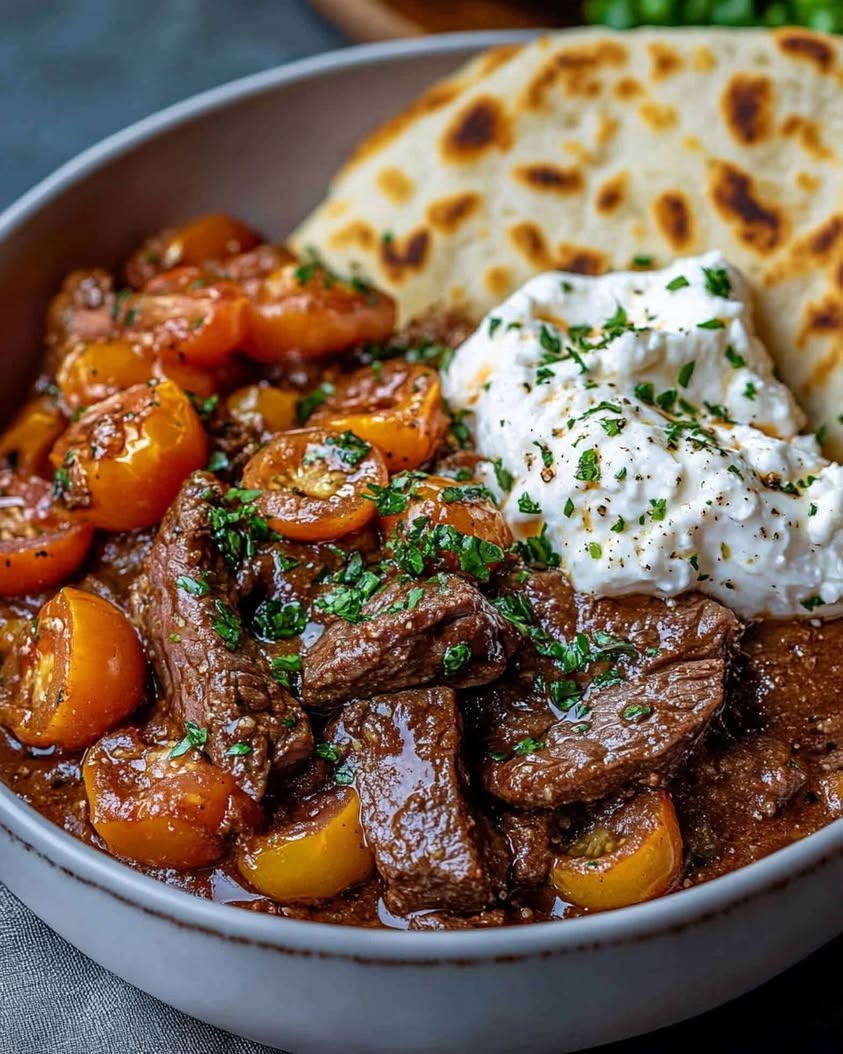
Silky Roast Beef and Burrata Salad with Heirloom Tomatoes & Balsamic Glaze: A Show-Stopping Summer Feast
Imagine a plate that captures the essence of a perfect summer evening. This Silky Roast Beef and Burrata Salad with Heirloom Tomatoes & Balsamic Glaze is exactly that. It’s a stunning centerpiece salad that masterfully balances luxurious, tender protein with the bright, fresh flavors of peak-season produce. Consequently, it feels both indulgent and refreshingly light, making it the ultimate dish for entertaining or a special family dinner.
The magic of this recipe lies in its beautiful contrasts. You get the rich, melt-in-your-mouth texture of perfectly cooked roast beef, sliced paper-thin. Then, you have the creamy, decadent burst of fresh burrata cheese. Furthermore, the sweet, acidic pop of heirloom tomatoes and the deep, syrupy tang of a reduced balsamic glaze tie everything together. Ultimately, each forkful is a harmonious symphony of flavor and texture that will impress every single guest.
This Silky Roast Beef and Burrata Salad is deceptively simple to prepare. While the roast beef cooks to juicy perfection, you have ample time to arrange your colorful tomatoes and prepare the simple glaze. Therefore, it’s a fantastic choice for hosts who want to enjoy the party rather than be stuck in the kitchen. The final presentation is nothing short of restaurant-quality, guaranteed to earn you rave reviews.
Quick Recipe Highlights
- Flavor Profile: This dish offers a sophisticated balance. The savory, umami-rich roast beef pairs beautifully with the sweet acidity of heirloom tomatoes. Meanwhile, the balsamic glaze adds a concentrated tangy sweetness that elevates every component.
- Texture: Experience a delightful textural journey. The silky, tender roast beef contrasts with the creamy, soft burrata and the juicy bite of tomatoes. Additionally, a sprinkle of flaky salt or fresh herbs can add a final contrasting crunch.
- Aroma: As the roast beef cooks, it fills your kitchen with a deeply savory, comforting scent. Afterwards, the aroma of reducing balsamic vinegar adds a sweet-tart note. Finally, the fresh basil or microgreens contribute a final, fragrant herbal top note.
- Visual Appeal: This salad is a feast for the eyes. The vibrant reds, yellows, and purples of heirloom tomatoes create a stunning base. Subsequently, the pale pink roast beef and white burrata provide elegant contrast, all beautifully finished with a dark, glossy balsamic drizzle.
- Skill Level Needed: This is an accessible recipe for most home cooks. The key technique is using a meat thermometer to ensure perfect doneness. Otherwise, the assembly requires no special skills, just an eye for beautiful plating.
- Special Equipment: A reliable instant-read meat thermometer is non-negotiable for perfect roast beef. Additionally, a small saucepan for reducing the balsamic glaze and a sharp chef’s knife for slicing the beef are highly recommended.
Recipe Overview
- Difficulty Level: We rate this Silky Roast Beef and Burrata Salad recipe as “Easy.” The steps are straightforward and primarily involve roasting and assembling. The most critical task—achieving the perfect internal temperature—is made foolproof with a thermometer. Consequently, even novice cooks can achieve impressive results with confidence.
- Category: This dish brilliantly straddles multiple categories. It’s a substantial main course salad, perfect for a light summer lunch or dinner. Alternatively, it can be served as an elegant starter or appetizer for a multi-course meal. Ultimately, its versatility is a major part of its appeal.
- Cuisine: The recipe draws inspiration from Italian culinary traditions, seen in the use of burrata, balsamic glaze, and fresh basil. However, the technique for the roast beef is more universally Western. Therefore, it’s a beautiful fusion that highlights quality ingredients in a simple, elegant way.
- Cost: This is a special-occasion dish with a mid-to-high price point. The cost is driven by the quality of the beef tenderloin and the fresh burrata. Fortunately, heirloom tomatoes and the glaze ingredients are relatively affordable, especially in season. You can control cost by watching for sales on beef or using a different cut.
- Season: This Silky Roast Beef and Burrata Salad truly shines in late summer. That’s when heirloom tomatoes are at their absolute peak of flavor and variety. The dish is also perfect for warm-weather entertaining when you desire something impressive but not overly heavy.
- Occasion: It’s ideal for a fancy weekend dinner, a date night at home, or a celebratory meal like Mother’s Day. Furthermore, it makes a stunning centerpiece for a dinner party where you want to showcase beautiful, seasonal ingredients without excessive fuss.
Why You’ll Love This Recipe
First and foremost, the taste and texture of this Silky Roast Beef and Burrata Salad are simply unforgettable. The combination of cool, creamy cheese, juicy tomatoes, and savory, room-temperature beef is incredibly satisfying. Each element complements the others without competing, creating a balanced and sophisticated flavor profile that feels both luxurious and wholesome. The balsamic glaze acts as the perfect flavor bridge, adding a touch of sweetness and acidity that makes the entire dish pop.
From a convenience standpoint, this recipe is a host’s dream. A significant portion of the work is hands-off roasting time. While the beef is in the oven, you can set the table, prepare other dishes, or simply relax. The assembly is quick and artistic, allowing for personal expression in how you arrange the colorful tomatoes and drape the silky roast beef. Therefore, you can deliver a stunning culinary presentation without last-minute stress or complicated techniques.
Nutritionally, this salad offers a well-rounded meal. The beef tenderloin is an excellent source of high-quality protein and essential nutrients like iron and B vitamins. Heirloom tomatoes are rich in vitamins A and C, antioxidants, and lycopene. While burrata is indulgent, it provides calcium and protein. When enjoyed in balance as part of this vibrant plate, you get a meal that fuels your body while delighting your senses.
The social and entertaining value of this dish is exceptionally high. It’s visually dramatic and sparks conversation the moment you bring it to the table. Serving a beautiful, composed salad like this shows thoughtfulness and care for your guests. It encourages sharing and passing plates, fostering a communal and celebratory dining atmosphere. Everyone will want to know your secret for such a restaurant-quality creation.
Finally, while it features premium ingredients, this Silky Roast Beef and Burrata Salad recipe can be cost-effective in context. It’s a complete meal in one dish, often eliminating the need for multiple expensive sides. You can stretch a single beef tenderloin to feed several people by slicing it thinly and pairing it with ample vegetables. Shopping for tomatoes at a farmers’ market in season can also reduce cost while maximizing flavor, making luxury accessible.
Historical Background and Cultural Significance
The components of this salad have rich and distinct histories. Burrata, the creamy centerpiece cheese, is a relatively modern invention from the Puglia region of Italy, dating to the early 20th century. It was created as a way to use up the scraps of mozzarella production, showcasing the Italian ethos of “cucina povera” or making the most of humble ingredients. The result, however, was a cheese of incredible luxury and texture, a testament to culinary ingenuity transforming simplicity into something extraordinary.
Balsamic glaze, or “glassa di aceto balsamico,” finds its roots in the ancient tradition of Aceto Balsamico Tradizionale from Modena and Reggio Emilia. Historically, this condiment was a prized possession, often given as a dowry or a gift to nobility. The commercial “balsamic glaze” we use today is a more accessible reduction of balsamic vinegar and sweetener, mimicking the syrupy consistency and sweet-tart flavor of the aged traditional product. It brings a touch of this historic luxury to everyday cooking.
The concept of pairing cold, sliced roast beef with fresh elements is seen in many cultures, from French “salade de boeuf” to Italian “carpaccio.” The evolution towards combining it with creamy cheese and tomatoes is a natural fusion of Italian antipasto ideas and main-course salads popularized in modern Western cuisine. This recipe represents a contemporary take on these classic pairings, emphasizing high-quality, seasonal ingredients presented simply and elegantly.
Regional variations of this theme are endless. In the American South, you might find a similar salad with pimento cheese instead of burrata. In France, it could feature a Dijon vinaigrette instead of balsamic. The use of heirloom tomatoes is a particularly modern, farm-to-table influence that celebrates biodiversity and peak-season flavor. This Silky Roast Beef and Burrata Salad is a delicious example of how global culinary traditions can merge to create something new and exciting.
Ingredient Deep Dive
Beef Tenderloin (Filet Mignon Roast): This is the most tender cut of beef, coming from the muscle that does little work. Its cultural significance is tied to luxury and celebration across many Western cuisines. Nutritionally, it’s a lean source of high-quality protein, iron, zinc, and B vitamins. When selecting, look for a roast with consistent thickness and minimal silverskin. For storage, keep it in the coldest part of your fridge for up to 3 days before cooking, or freeze tightly wrapped for several months. If you need a substitute, a top sirloin roast or a tri-tip can work, though they will be less tender and may require different cooking times.
Burrata Cheese: Burrata means “buttered” in Italian, hinting at its rich, creamy interior (“stracciatella”) encased in a soft mozzarella shell. It originated in Puglia as a clever use for mozzarella scraps. It provides protein, calcium, and fat, offering a luxurious mouthfeel. Always seek the freshest burrata possible, often sold in a liquid-filled container. Check the date and give it a gentle press; it should feel soft. Store it in its liquid in the refrigerator and consume within a day or two of purchase for peak creaminess. For a substitute, fresh mozzarella (mozzarella di bufala is best) or a creamy goat cheese log can offer a different but delicious profile.
Heirloom Tomatoes: These are open-pollinated tomato varieties passed down through generations, prized for their unique flavors, colors, and shapes, unlike commercial hybrids. They are rich in vitamins A and C, potassium, and the antioxidant lycopene. Select tomatoes that are heavy for their size, fragrant at the stem end, and free of bruises. They should yield slightly to gentle pressure. Never refrigerate heirloom tomatoes, as cold temperatures destroy their texture and flavor. Store them stem-side down at room temperature. Out of season, the best substitute is high-quality cherry or grape tomatoes, which often have better flavor than off-season large tomatoes.
Balsamic Glaze: While traditional aged balsamic vinegar is a protected, expensive product, a balsamic glaze is a quick reduction that mimics its syrupy texture. It adds a concentrated sweet-and-sour note that enhances other flavors. To make it, simply simmer balsamic vinegar, often with a bit of honey or brown sugar, until it thickens and reduces by about half. You can also purchase ready-made glaze. Store homemade glaze in a sealed container in the fridge for weeks. A substitute could be a reduction of red wine vinegar with honey, though the flavor profile will be different.
Common Mistakes to Avoid
- Overcooking the Beef: This is the most critical error. Beef tenderloin is best served rare to medium-rare. Overcooking leads to a dry, tough texture. Always use a meat thermometer and pull the roast at 125°F for rare or 135°F for medium-rare, as the temperature will rise while resting.
- Not Resting the Meat: Slicing the roast beef immediately after cooking causes all the precious juices to run out onto the cutting board. You must let it rest for at least 15-20 minutes. This allows the fibers to relax and reabsorb the juices, ensuring every slice is succulent.
- Using Cold Burrata: Serving burrata straight from the refrigerator mutes its flavor and makes the texture too firm. Take it out about 30 minutes before serving to allow it to come to room temperature. This unlocks its full creamy, milky flavor and luxurious texture.
- Refrigerating Tomatoes: Storing heirloom tomatoes in the fridge is a cardinal sin. The cold temperature breaks down their cell structure, resulting in a mealy, flavorless texture. Always keep them at room temperature until you are ready to slice and serve.
- Making the Glaze Too Thick: If you reduce the balsamic vinegar for too long, it can become sticky like candy and harden on the plate. Aim for a syrup that coats the back of a spoon but is still easily drizzled. It will continue to thicken slightly as it cools.
- Underseasoning: Each component needs proper seasoning. Generously salt and pepper the beef before roasting. Season the tomato slices with a pinch of flaky salt. Taste your balsamic glaze and adjust sweetness or acidity. Layered seasoning is key to a vibrant dish.
- Slicing the Beef Too Thick: Part of the “silky” experience is in thin, elegant slices. Use your sharpest knife to cut the rested beef against the grain into slices about 1/4-inch thick. Thick slices can be chewy and overwhelm the other delicate components.
- Assembling Too Early: If you build the entire salad hours ahead, the tomatoes will release water and the arugula will wilt. Instead, prep all components separately. Then, compose the salad just before serving to ensure the best texture and visual appeal.
Essential Techniques
Using a Meat Thermometer: This is the single most important technique for perfect Silky Roast Beef. Guessing doneness by time or look is unreliable. An instant-read thermometer gives you precise control. Insert it into the thickest part of the roast, avoiding the fat or bone. For a tenderloin, aim for 125-135°F for perfect doneness. The common pitfall is not calibrating your thermometer or not placing it correctly in the center of the meat. The visual cue for success is a thermometer reading, not the color of the juices.
Reducing a Glaze: Reducing balsamic vinegar concentrates its flavor and thickens it into a syrup. The technique involves simmering it gently in a saucepan. Why is it important? It transforms a sharp vinegar into a sweet, complex, and pourable sauce. To master it, watch the bubbles; they will become slower and more syrupy as the liquid reduces. A common pitfall is boiling too vigorously, which can burn the sugars. The visual cue is when the glaze coats the back of a spoon and has reduced by about half.
Slicing Against the Grain: Identifying and slicing against the grain is crucial for tender beef. The “grain” is the direction of the muscle fibers. Cutting across these fibers (against the grain) shortens them, making the meat much easier to chew. First, identify the long lines running through the meat. Then, position your knife perpendicular to those lines and slice. The pitfall is slicing with the grain, which results in stringy, tough pieces. The success cue is beef that yields easily to the gentle pressure of a fork.
Pro Tips for Perfect Silky Roast Beef and Burrata Salad
Bring all components to room temperature before assembling. This includes the rested beef, the burrata, and the tomatoes. Cold ingredients dull flavors and create condensation that can wilt greens.
Invest in a high-quality, sharp chef’s knife or slicing knife. A dull knife will tear the delicate beef and crush the tomatoes rather than slicing them cleanly.
After reducing your balsamic glaze, let it cool slightly before drizzling. A very hot glaze can wilt delicate greens and cause the burrata to melt prematurely.
For an extra layer of flavor, season your beef tenderloin with herbs like rosemary or thyme before roasting. Alternatively, rub it with a mixture of olive oil, garlic, and cracked black pepper.
If your heirloom tomatoes are very juicy, you can optionally seed them. Simply cut them in half horizontally and gently squeeze out the seeds and gel. This prevents the salad plate from becoming too watery.
Add a textural element. Consider sprinkling toasted pine nuts, pumpkin seeds, or homemade garlic breadcrumbs over the top for a delightful crunch that contrasts the creamy and silky elements.
Use the leftover beef tenderloin trimmings. If your roast had a “tail” or uneven end, dice it up and use it in omelets, fried rice, or a pasta dish the next day.
Variations and Adaptations
Regional Variations: For a French twist, replace the balsamic glaze with a Dijon vinaigrette and use a creamy goat cheese instead of burrata. For a Californian take, add ripe avocado slices and a sprinkle of everything bagel seasoning. An Asian-inspired version could feature a sesame-soy dressing, quick-pickled cucumbers, and a sprinkle of toasted sesame seeds instead of the balsamic and herbs.
Seasonal Adaptations: In winter, when tomatoes are lackluster, use roasted root vegetables like beets, carrots, and parsnips as the base. In spring, substitute with blanched asparagus and fresh peas. For autumn, try roasted squash or sweet potatoes and a balsamic glaze infused with a touch of maple syrup.
Dietary Modifications: For a dairy-free version, use a high-quality vegan mozzarella or a creamy avocado puree in place of the burrata. To make it low-carb or keto, ensure your balsamic glaze is made with a sugar-free sweetener like monk fruit and be mindful of the tomato quantity. For a gluten-free diet, this recipe is naturally compliant as-is.
Flavor Variations: Infuse your olive oil with garlic or chili flakes before dressing the greens. Add chopped capers or Castelvetrano olives for a briny punch. Incorporate fresh herbs beyond basil, such as mint, tarragon, or chives, for a different aromatic profile.
Texture Modifications: For more crunch, add shaved fennel, radishes, or celery. For a warmer salad, briefly sear the tomato slices in a hot pan or grill the beef after roasting for a smoky char. Substitute the arugula with butter lettuce or frisée for a softer or more bitter green base.
Presentation Alternatives: Serve the salad deconstructed on a large platter for a family-style feast. Alternatively, create individual stacked salads in ring molds for a formal dinner. You can also turn it into crostini by piling the components on grilled slices of baguette.
Serving and Presentation Guide
Start with a large, flat platter or individual chilled plates. Create a bed of your greens, ensuring they are dry to prevent sogginess. Artfully arrange the heirloom tomato slices, overlapping them slightly and mixing colors for visual impact. Place the torn or whole burrata ball(s) prominently among the tomatoes.
Next, carefully fan out the slices of silky roast beef, draping them over and around the tomatoes and cheese. The goal is to show off the beautiful pink interior of the beef. Drizzle the reduced balsamic glaze generously over everything, using a spoon or a squeeze bottle for control.
Finish with your garnishes. A final drizzle of high-quality extra virgin olive oil is essential. Then, sprinkle with flaky sea salt (like Maldon) and freshly cracked black pepper. Scatter the fresh basil leaves or microgreens over the top. The final touch should be vibrant and fresh.
Traditional accompaniments include crusty bread to soak up the juices and glaze. For a more complete meal, consider simple sides like roasted new potatoes or a chilled bean salad. Modern suggestions include a glass of chilled rosé or a crisp white wine served alongside.
Temperature is key. The beef and burrata should be at cool room temperature, the tomatoes room temperature, and the plates slightly chilled. This contrast is refreshing. For portion control, a standard serving is 3-4 ounces of beef per person, half a ball of burrata, and a generous handful of tomatoes and greens.
Wine and Beverage Pairing
For wine pairings, a medium-bodied red with good acidity is ideal. A Pinot Noir from Oregon or Burgundy complements the beef without overpowering the delicate burrata and tomatoes. Alternatively, a Chianti Classico or a Barbera from Italy, with their bright acidity, can cut through the richness and match the balsamic notes beautifully. A dry rosé from Provence is also a fantastic choice, especially for a warm-weather meal, as it bridges the gap between red and white.
Non-alcoholic alternatives should offer refreshment and palate cleansing. Sparkling water with a twist of lemon or a cucumber infusion works well. A tart cherry or pomegranate spritzer can mimic the acidity and fruitiness of wine. Iced hibiscus tea provides a beautiful color and tangy flavor that pairs wonderfully with the salad’s components.
While not typical for a salad course, an after-dinner pairing could include a rich espresso. The bitterness of the coffee contrasts delightfully with the sweet balsamic glaze and creamy cheese, providing a satisfying end to the meal. Serve the espresso at the proper hot temperature in small cups.
The most important serving suggestion is to match the beverage temperature to the dish. Chilled whites, rosés, and non-alcoholic spritzers should be very cold. Red wines should be served slightly below room temperature, around 60-65°F, to keep their freshness. This ensures every sip enhances the dining experience.
Storage and Shelf Life
Store all components separately for best results. Place leftover sliced roast beef in an airtight container in the refrigerator for up to 3-4 days. The burrata, once opened, should be consumed within 24 hours, stored in its liquid in a sealed container. Leftover tomato slices are best used the next day, stored at room temperature (not in the fridge).
The balsamic glaze can be stored in a small jar or squeeze bottle in the refrigerator for several weeks. If it thickens too much, let it come to room temperature or warm it slightly in a hot water bath. Assembled salad does not store well, as the greens will wilt and the tomatoes will water out.
Signs of spoilage include an off or sour smell from the beef or cheese, slimy texture on the meat, or mold. Tomatoes that become excessively soft or develop sunken spots should be discarded. Always use your senses—if something looks or smells questionable, it’s safest to throw it out.
Reheating the beef is not recommended for this salad application, as it will cook further and lose its silky, rare texture. If you must, do so very gently and briefly in a skillet or the microwave at low power, just to take the chill off. The salad is intended to be enjoyed cool or at room temperature.
Make Ahead Strategies
You can prep almost every component of this Silky Roast Beef and Burrata Salad ahead of time. Roast the beef tenderloin up to two days in advance. Let it cool completely, wrap it tightly in plastic wrap, and refrigerate. Slice it cold from the fridge just before serving—it will be easier to get thin, even slices.
The balsamic glaze can be made up to two weeks ahead and stored in the fridge. The tomatoes can be washed and cored a few hours ahead. However, do not slice them until you are ready to assemble to prevent moisture loss and texture degradation. Wash and dry your greens and store them in a salad spinner or a bag with a paper towel.
Assess the quality impact: the beef will be perfect, the glaze fine, but the tomatoes and greens must be last-minute. The key to assembly is having all your prepped components lined up and ready to go. Keep the burrata in its package in the fridge until 30 minutes before serving, then let it come to room temperature.
When ready to serve, simply slice the tomatoes, arrange the greens, tear the burrata, fan out the beef, and drizzle with glaze and oil. This strategy turns what seems like a complex dish into a quick, 10-minute assembly job, leaving you free to enjoy your guests.
Scaling Instructions
Halving this recipe is straightforward for a romantic dinner for two. Use a smaller (1-1.5 lb) beef tenderloin roast or a large filet mignon steak. Reduce all other ingredients proportionally. Cooking time will be significantly less for a smaller roast, so rely on your thermometer even more. A small saucepan is still fine for making a half-batch of glaze.
Doubling or tripling for a party is very doable. You may need to roast two beef tenderloins, possibly one after the other if your oven can’t fit them side-by-side with proper air circulation. Use a larger platter or multiple platters for serving. For the balsamic glaze, use a wider saucepan to allow for faster evaporation, or make two batches.
Equipment adjustments: For a larger roast, ensure you have a roasting pan large enough. For a crowd, consider an electric knife for slicing the beef thinly and uniformly. Timing modifications are minimal for the prep work, but the roasting time will increase slightly for a much larger single roast. Always go by internal temperature, not time.
Storage considerations for a scaled-up recipe remain the same—store components separately. You may have more leftovers, so plan to use the extra beef in sandwiches, wraps, or hash later in the week.
Nutritional Deep Dive
This salad provides a balanced macronutrient profile. The beef tenderloin is an excellent source of lean protein, essential for muscle repair and satiety. The burrata contributes healthy fats and more protein, along with calcium. The heirloom tomatoes and arugula offer complex carbohydrates, fiber, and a host of micronutrients with minimal calories. The olive oil and balsamic glaze add primarily fats and sugars, respectively, in controlled amounts.
Micronutrient analysis reveals a wealth of vitamins and minerals. Beef is rich in heme iron (highly absorbable), zinc, and B vitamins like B12. Tomatoes provide vitamin C, potassium, and the antioxidant lycopene. Arugula is a good source of vitamin K, folate, and calcium. The olive oil contributes vitamin E. Together, they support immune function, bone health, and overall cellular protection.
Health benefits include supporting muscle health from the protein, promoting heart health through lycopene and monounsaturated fats, and aiding digestion with fiber from the vegetables. The dish is also naturally gluten-free. For dietary considerations, those on low-sodium diets should be mindful of added salt, and those on strict low-fat diets may want to reduce the amount of burrata or oil.
For weight management, this salad is satisfying due to its high protein and fiber content, which can help control hunger. Portion control is still important, especially with the calorie-dense cheese and oil. Focusing on filling half your plate with the tomatoes and greens, a quarter with the beef, and a quarter with the burrata creates a balanced, satisfying meal that aligns with many healthy eating patterns.
Dietary Adaptations
Gluten-Free: This Silky Roast Beef and Burrata Salad recipe is naturally gluten-free. Ensure that any store-bought balsamic glaze you use is certified gluten-free, as some thickeners may contain gluten. All other core ingredients—beef, cheese, tomatoes, oil—are inherently safe.
Dairy-Free: Omit the burrata. For creaminess, add slices of ripe avocado or a dollop of dairy-free pesto. You could also use a high-quality vegan mozzarella-style cheese that melts well. The flavor profile will shift but can still be delicious.
Vegan: Replace the beef with thick slices of grilled or roasted portobello mushrooms or marinated, pressed extra-firm tofu. Use a vegan burrata alternative or a cashew-based cream. Ensure your balsamic glaze is made without honey (use maple syrup or sugar). The result is a completely plant-based, hearty salad.
Low-Carb/Keto: This salad is already relatively low in carbs. Focus on the beef, cheese, and greens. Be mindful of the tomato quantity, as they contain natural sugars. Make your balsamic glaze with a keto-friendly sweetener like erythritol or allulose instead of honey or sugar to keep net carbs minimal.
Paleo: Omit the burrata (dairy is excluded). The beef, tomatoes, greens, olive oil, and a balsamic glaze made with just vinegar (no added sugar) or a touch of raw honey are all paleo-compliant. Add avocado for healthy fat.
Low-FODMAP: Use only the green parts of scallions instead of shallots in any dressing. Limit the serving of burrata to a small amount (about 1 oz) as lactose can be an issue. Tomatoes are low-FODMAP in servings of 1 medium or fewer. The beef and oils are safe.
Troubleshooting Guide
Beef is Too Rare in the Center: If, after resting, the very center is more blue than rare, you can gently sear the individual slices. Heat a skillet over high heat for 30 seconds, then sear each slice for 15-20 seconds per side just to warm and slightly cook the edges. This is a salvage technique that still preserves juiciness.
Salad is Watery: This happens if tomatoes are sliced too early or the assembled salad sits. To fix, drain the platter of excess liquid and transfer components to a new plate. For future attempts, seed your tomatoes and always assemble at the last minute. Pat tomato slices dry with a paper towel before plating.
Balsamic Glaze is Too Thin: If your glaze didn’t reduce enough, simply return it to the saucepan and continue simmering over low heat. Conversely, if it’s too thick and sticky, whisk in a teaspoon of warm water at a time until it reaches a drizzling consistency.
Burrata is Not Creamy: If your burrata is firm and dry, it may be past its prime or was stored improperly. Unfortunately, this is hard to fix. For next time, buy from a reputable cheese counter, check the date, and ensure it’s stored in its liquid. Serve it at room temperature.
Lack of Flavor: The most common culprit is underseasoning. Remember to season every layer: the beef before roasting, the tomatoes with salt, and the final dish with flaky salt and pepper. Also, ensure you are using high-quality, flavorful ingredients—ripe tomatoes, good olive oil, and aged balsamic vinegar make a world of difference.
Recipe Success Stories
Many home cooks have shared their triumphs with this recipe. One reader used a tri-tip roast instead of tenderloin for a more economical version and reported it was a huge hit at a backyard BBQ, especially when the beef was grilled. Another found that adding grilled peaches alongside the tomatoes in late summer created an incredible sweet and savory combination that guests raved about.
Adaptation stories include a family who made it dairy-free for a lactose-intolerant member by using avocado and said it was just as satisfying. A couple preparing for a fancy at-home anniversary dinner said the step-by-step guide gave them the confidence to create a meal that felt truly special and restaurant-worthy, with no stress.
Reader suggestions have been invaluable. One recommended serving the balsamic glaze on the side in a small pitcher so guests could add their own, which is perfect for picky eaters. Another suggested making extra glaze to use on strawberries or ice cream for dessert—a brilliant two-for-one kitchen effort.
For photography tips, readers have found that natural, indirect light is best to capture the vibrant colors without harsh shadows. Shooting from directly above (flat lay) beautifully showcases the arrangement, while a lower angle highlights the layers. A simple, neutral-colored plate or rustic wooden board makes the colors of the tomatoes and beef truly pop.
Frequently Asked Questions
Q: Can I use a different cut of beef?
A: Yes, you can. A top sirloin roast or tri-tip are good alternatives, but they are less tender than tenderloin. Cook them to the same internal temperature, but be sure to slice them very thinly against the grain. The cooking time may vary slightly depending on the shape and size of the roast.
Q: How do I know when my balsamic reduction is done?
A: The glaze is ready when it has reduced by about half and coats the back of a spoon. If you drag your finger through the coating on the spoon, it should leave a clear path. It will also thicken further as it cools, so err on the side of slightly thinner in the pan.
Q: Can I make this salad ahead of time?
A: You can prep components ahead, but do not assemble until just before serving. Cook and slice the beef, make the glaze, and wash the greens up to 2 days ahead. Store separately. Slice tomatoes and assemble the platter within 30 minutes of serving for the best texture{“success”:true,”message”:”Recipe created successfully”,”post_id”:8369,”tasty_recipe_id”:8369,”shortcode”:” Print
Silky Roast Beef and Burrata Salad with Heirloom Tomatoes & Balsamic Glaze
Description
A luxurious salad featuring tender roast beef, creamy burrata, vibrant heirloom tomatoes, and a drizzle of sweet balsamic glaze for a perfect balance of flavors and textures.
Ingredients
For the Crust:
- 8 oz thinly sliced roast beef
- 8 oz burrata cheese
- 2 large heirloom tomatoes, sliced
- 4 cups mixed greens
- 1/4 cup extra virgin olive oil
- 2 tbsp balsamic glaze
- 1/4 cup fresh basil leaves
- Salt and black pepper to taste
Instructions
1. Prepare the Crust:
- Arrange mixed greens on a large platter as the base.
- Layer sliced heirloom tomatoes and roast beef over the greens.
- Place burrata cheese in the center and tear basil leaves over the top.
- Drizzle with olive oil and balsamic glaze, then season with salt and pepper.
- Serve immediately, gently tossing at the table to combine.
Notes
You can customize the seasonings to taste.

I’m Billy, a classically trained culinary school graduate from The Culinary Institute of America with over 12 years in the restaurant industry and over 19 years of cooking experience.