
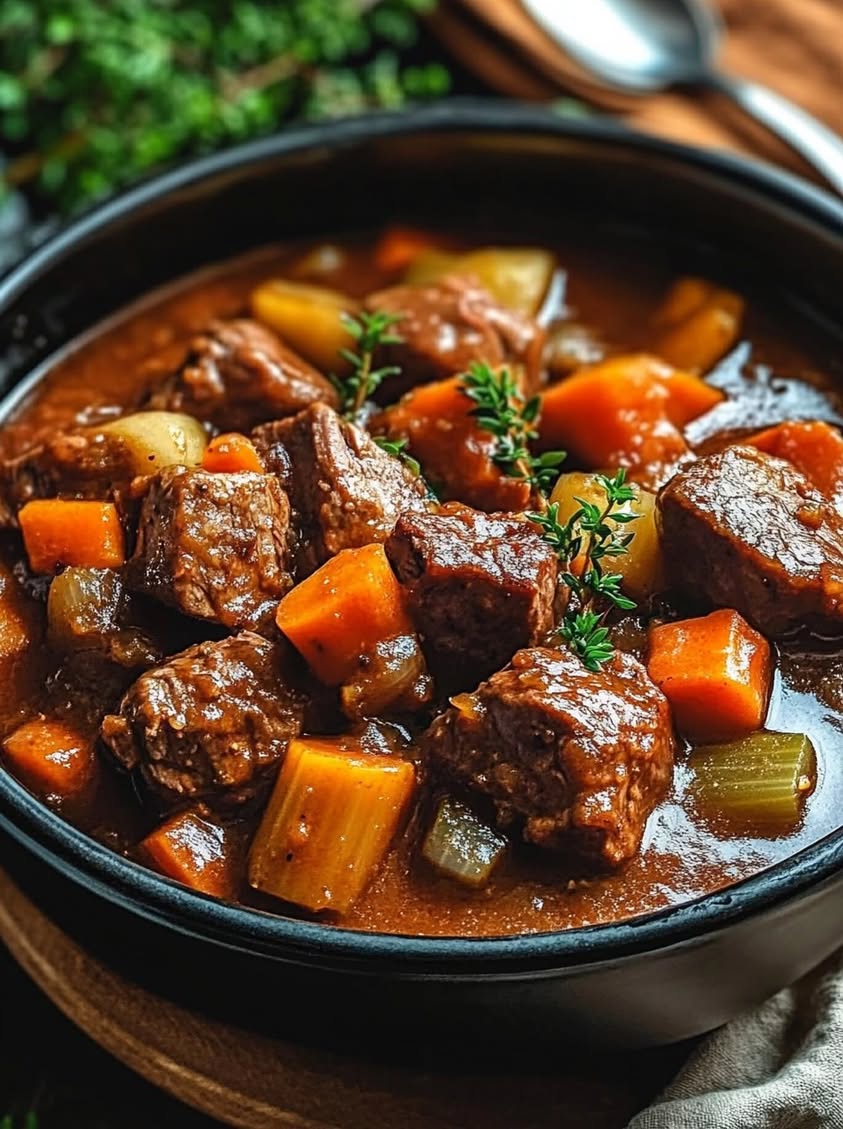
Hearty Slow-Braised Lamb Stew with Root Vegetables and Herbs: A Cozy, Flavor-Packed Classic
Imagine a chilly evening where the air carries a crisp bite. Now, picture a steaming bowl of the most tender, fall-apart lamb nestled among sweet root vegetables, all swimming in a rich, herb-infused gravy. This slow-braised lamb stew is not just a meal; it’s a warm embrace for your soul. Consequently, it transforms simple, humble ingredients into a symphony of deep, comforting flavors that fill your kitchen with an irresistible aroma. Ultimately, this dish is the culinary equivalent of your favorite cozy sweater.
Furthermore, this recipe for a hearty slow-braised lamb stew with root vegetables and herbs celebrates the magic of low and slow cooking. The extended braising time allows tough lamb shoulder to become incredibly succulent. Meanwhile, the root vegetables soak up all the savory juices, becoming meltingly tender and flavorful. This process creates layers of taste that a quick-cooked meal simply cannot achieve. As a result, every spoonful delivers a perfect balance of savory meat, sweet vegetable, and aromatic herbs.
Quick Recipe Highlights
- Flavor Profile: This stew boasts a rich, savory base from the browned lamb and tomato paste, balanced by the natural sweetness of carrots and parsnips. Additionally, fresh rosemary and thyme add a fragrant, earthy backbone that ties everything together beautifully.
- Texture: You get wonderfully tender, pull-apart lamb that practically melts in your mouth. Conversely, the root vegetables soften to a perfect, creamy consistency without turning to mush, providing a delightful contrast in every bite.
- Aroma: While the stew braises, your home will fill with the warm, inviting scents of roasting garlic, woody rosemary, and savory meat. This aromatic promise is a huge part of the comforting experience.
- Visual Appeal: The finished dish is a rustic masterpiece with deep brown chunks of lamb, vibrant orange carrots, and pale parsnips all glistening in a glossy, thickened broth. Finally, a sprinkle of bright green fresh parsley adds the perfect finishing touch.
- Skill Level Needed: This recipe is very approachable. While it requires some patience for braising, the techniques like browning meat and sautéing vegetables are fundamental. Therefore, even a confident beginner can achieve fantastic results by following the steps.
- Special Equipment: You absolutely need a heavy-bottomed pot or Dutch oven with a tight-fitting lid for even heat distribution and proper braising. Other than that, a good chef’s knife and a sturdy wooden spoon are your main tools.
Recipe Overview
- Difficulty Level: We rate this recipe as medium. The individual steps are simple, but the process requires attention to detail during the initial browning phase and patience during the long cook time. Managing the braising liquid and achieving the perfect stew consistency are key skills you will master here.
- Category: This dish is the ultimate comfort food main course. It’s a complete, one-pot meal perfect for family dinners, special weekend projects, or meal prepping for the week ahead. Moreover, it fits beautifully into a rustic or home-style cooking category.
- Cuisine: This stew draws inspiration from classic European peasant cooking, particularly French and Irish traditions where slow-cooked, hearty meats with winter vegetables are staples. The technique of braising tougher cuts of meat with aromatics is a global tradition of resourceful and flavorful cooking.
- Cost: Using lamb shoulder, a more economical cut, makes this a cost-effective way to enjoy lamb. Root vegetables like carrots, potatoes, and onions are typically inexpensive, especially in season. Overall, you create a luxurious-tasting meal without a luxury price tag.
- Season: This is the quintessential cold-weather dish. It shines in autumn and winter when root vegetables are at their peak sweetness and we naturally crave hearty, warming meals. However, you can certainly enjoy it any time you need a dose of comfort.
- Occasion: It’s ideal for a relaxed Sunday supper with family, a comforting meal after a long day, or a casual yet impressive dish for entertaining friends. The stew actually improves in flavor when made a day ahead, making it perfect for stress-free hosting.
Why You’ll Love This Recipe
First and foremost, the taste and texture are utterly irresistible. The slow braising process breaks down the lamb’s collagen into gelatin, resulting in meat that is unbelievably tender and a sauce that is naturally rich and silky. Each vegetable chunk absorbs the savory broth, becoming a sweet and flavorful treasure. Every spoonful is a complex yet harmonious blend of savory, sweet, and herbal notes that is deeply satisfying. This hearty slow-braised lamb stew with root vegetables and herbs is the definition of soul-warming food.
Next, consider the convenience factor. Once you complete the initial browning and sautéing, the oven does most of the work. This hands-off time allows you to relax, set the table, or prepare a simple side. Furthermore, this dish is a fantastic make-ahead option. In fact, its flavors deepen and meld even more beautifully after a night in the refrigerator. Reheating is simple, making weekday meals effortless.
From a nutritional standpoint, this stew is a well-rounded meal. Lamb provides high-quality protein, iron, and B vitamins. Root vegetables deliver essential vitamins, minerals, and dietary fiber. Using fresh herbs not only boosts flavor but also adds antioxidants. You control the sodium level and the quality of ingredients, creating a wholesome meal far superior to any processed alternative.
This recipe also offers tremendous social and entertaining value. Serving a steaming pot of homemade stew creates an instant feeling of warmth and generosity. It’s a communal dish that encourages sharing and conversation. For guests, it feels special and lovingly prepared, yet it doesn’t trap you in the kitchen. You can enjoy your own party because the main course is ready and waiting.
Finally, it is remarkably cost-effective and accessible. You transform an affordable cut of meat into something extraordinary through technique, not expense. The vegetables are pantry staples. With a few simple steps and a bit of patience, you create a restaurant-quality dish in your own kitchen. This hearty slow-braised lamb stew with root vegetables and herbs proves that incredible food doesn’t require rare ingredients, just care and time.
Historical Background and Cultural Significance
The tradition of braising tough cuts of meat with vegetables is ancient and nearly universal. Essentially, it was a practical solution for tenderizing less desirable parts of the animal before modern cooking conveniences. Every culture with access to sheep or goats has a version of a slow-cooked lamb or mutton stew. These dishes were born from necessity, utilizing what was available and cooking it slowly over a low fire to feed families and communities.
In many European cultures, lamb stew holds significant cultural importance. For instance, in Ireland, a lamb and potato stew is a classic. In France, a “navarin d’agneau” is a celebrated spring stew often made with young lamb and new vegetables. In Greece, you find “arni kokinisto,” a red-braised lamb dish. These recipes are often tied to seasons, holidays, and family gatherings, representing hospitality and home cooking at its finest.
The evolution of the recipe mirrors changes in kitchen technology and ingredient availability. Originally cooked in a heavy pot over an open hearth for many hours, the method transitioned to the coal or wood stove, and now to the modern oven or slow cooker. The core principle remains identical: low, moist heat transforms tough tissue into tenderness. The addition of specific herbs, wines, or vegetables often reflects local agriculture and taste preferences.
Regional variations are fascinating. A Moroccan tagine might include apricots, almonds, and warm spices like cinnamon and cumin. A Hungarian version could use paprika and sour cream. An Italian “spezzatino” might feature rosemary, white wine, and tomatoes. Our version with root vegetables and fresh rosemary leans into a more general European pastoral tradition, highlighting the clean, earthy flavors of the primary ingredients. Each variation tells a story of its place and people.
Ingredient Deep Dive
Lamb Shoulder: Lamb shoulder is a well-exercised cut, rich in connective tissue and fat. This is precisely what makes it perfect for braising. During the long, slow cook, that collagen melts into gelatin, creating incredible tenderness and body in the sauce. Look for shoulder cut into large, stew-sized chunks, or buy a piece and cut it yourself. Choose meat with a bright red color and some marbling of white fat. For substitutions, lamb neck or shank are excellent alternatives, or you can use beef chuck with equally delicious results.
Root Vegetables (Carrots, Parsnips, Potatoes): Root vegetables are the sturdy, sweet foundation of winter cooking. Historically, they were storage crops that provided vital nutrients through cold months. Carrots add sweetness and beta-carotene. Parsnips offer a more complex, nutty sweetness. Potatoes thicken the stew and provide comforting heft. Select firm vegetables without soft spots. Peel them for the best texture and to ensure the stew’s sauce remains clean and glossy. You can easily swap in other roots like turnips, rutabaga, or celery root.
Fresh Herbs (Rosemary & Thyme): Fresh rosemary and thyme are non-negotiable for their aromatic power. Rosemary, with its piney, sharp notes, stands up beautifully to the rich lamb. Thyme adds a subtle, earthy complexity. Dried herbs can work in a pinch, but use half the amount as their flavor is more concentrated. For the best flavor, add sturdy sprigs during braising and remove the woody stems before serving. Finishing with fresh parsley adds a bright, green note that lifts the entire dish.
Tomato Paste & Red Wine: Tomato paste is our flavor secret weapon. By sautéing it with the vegetables, we caramelize its sugars and deepen its flavor, adding a rich umami backbone and beautiful color to the sauce. The red wine, meanwhile, deglazes the pot, lifting all the flavorful browned bits from the bottom. The alcohol cooks off, leaving behind fruity acidity that balances the lamb’s richness. Use a wine you would enjoy drinking. If you avoid alcohol, substitute with additional beef broth and a splash of red wine vinegar.
Common Mistakes to Avoid
- Not Browning the Lamb Properly: Rushing this step is the biggest error. You must pat the lamb dry thoroughly and sear it in batches. Crowding the pot steams the meat instead of creating a flavorful, caramelized crust. That crust is essential for building the stew’s deep flavor foundation.
- Using the Wrong Cut of Meat: Choosing a lean cut like lamb loin will result in dry, tough meat. You need a cut with ample marbling and connective tissue, like shoulder or shank. These cuts are designed for long, slow cooking to become tender.
- Adding Vegetables Too Early: If you add all the vegetables at the beginning, they will disintegrate into mush during the long braise. Adding the root vegetables partway through ensures they become tender but still hold their shape and texture.
- Insufficient or Excessive Braising Liquid: The liquid should come about halfway up the ingredients, not submerge them completely. Too little liquid risks burning; too much dilutes the flavor. The goal is a concentrated, glossy sauce, not a watery soup.
- Boiling Instead of Braising: A gentle simmer is key. A rolling boil will make the lamb tough and cause the vegetables to break down too quickly. After bringing to a simmer on the stove, transfer to a low oven for the most consistent, gentle heat.
- Not Seasoning in Layers: Season the flour for dredging, season the meat after browning, and season the vegetables as you sauté. Finally, always taste and adjust the seasoning at the end of cooking. This builds a well-rounded flavor profile throughout the dish.
- Skipping the Deglazing Step: After browning the meat and vegetables, those browned bits stuck to the pot are pure flavor. Pouring in the wine or broth and scraping them up incorporates this flavor into your sauce. Never let that fond go to waste.
- Over-thickening the Sauce: The stew will naturally thicken from the released lamb gelatin and the flour used for dredging. If you need to thicken it further at the end, do so gradually with a cornstarch slurry. An overly thick, pasty sauce is unpleasant.
Essential Techniques
Browning (The Maillard Reaction): This is the most critical technique for flavor development. Pat your lamb pieces completely dry with paper towels. Heat your oil until it shimmers, then add meat in a single layer without crowding. Let it sear undisturbed for several minutes until a deep brown crust forms. This Maillard reaction creates hundreds of new flavor compounds, transforming simple meat into a complex, savory foundation for your hearty slow-braised lamb stew with root vegetables and herbs.
Deglazing: After removing the browned meat, you’ll see dark, stuck-on bits in the pot. This “fond” is concentrated flavor. Add your wine or broth and use a wooden spoon to vigorously scrape the bottom, dissolving all those bits into the liquid. This step lifts every bit of caramelized goodness back into your stew, ensuring no flavor is left behind. It’s a simple act that makes a monumental difference in the depth of your sauce.
Braising: Braising combines dry heat (initial browning) with moist heat (slow cooking in liquid). The key is a low, steady temperature—a bare simmer, either on the stovetop or in a low oven (around 300°F). This gentle heat slowly melts connective tissue without toughening the muscle fibers. The lid traps moisture, creating a self-basting environment. The visual cue for success is meat that yields easily when pierced with a fork.
Building Flavor in Layers: Great stew is not a one-step process. First, you build a base by browning the meat. Next, you build another layer by sautéing onions, then carrots and celery. Then, you add another with tomato paste and garlic. Finally, you deglaze and add herbs. Each step adds a distinct note to the final symphony. Rushing or combining steps results in a flat, one-dimensional flavor profile.
Pro Tips for Perfect Hearty Slow-Braised Lamb Stew
First, cut your lamb and vegetables into uniform, large chunks. This ensures everything cooks evenly. A two-inch piece is ideal for the lamb.
Second, use a good, drinkable red wine for deglazing. The quality of the wine directly impacts the flavor of the sauce. A Cabernet Sauvignon or Syrah works wonderfully.
Third, tie your rosemary and thyme sprigs together with kitchen twine. This makes them easy to retrieve before serving, so no one gets a mouthful of woody stems.
Fourth, let the stew rest for 10-15 minutes after cooking and before serving. This allows the meat to reabsorb some juices, making it even more succulent, and lets the flavors settle.
Fifth, consider making the stew a full day ahead. The flavor improvement is dramatic, as the ingredients have more time to meld. Simply reheat gently on the stove.
Sixth, if your sauce seems too thin at the end, mix one tablespoon of cornstarch with two tablespoons of cold water. Stir this slurry into the simmering stew and cook for two minutes to thicken.
Seventh, for an extra layer of flavor, add a Parmesan rind to the pot during the last hour of braising. It will melt into the sauce, adding a subtle umami richness.
Eighth, always taste and adjust the seasoning with salt and pepper right before serving. The long cooking process can mute seasonings, so a final adjustment is crucial.
Variations and Adaptations
Regional Variations: For a French twist, add a spoonful of Dijon mustard and use pearl onions. For a Greek-inspired version, add a cinnamon stick, a few cloves, and finish with a squeeze of lemon juice. For a touch of Morocco, stir in a tablespoon of ras el hanout with the tomato paste and add dried apricots during the last 30 minutes of cooking.
Seasonal Adaptations: In spring, use fresh peas and baby carrots added at the very end. In summer, though less traditional, you could use zucchini and eggplant, adding them much later in the process. For a deeper winter flavor, add a tablespoon of Worcestershire sauce or a square of dark chocolate to enrich the sauce.
Dietary Modifications: For a gluten-free version, use cornstarch or a gluten-free flour blend for dredging the lamb. To make it dairy-free, ensure your broth is dairy-free and omit any butter used for sautéing; use all oil instead. For a lower-carb option, increase the meat quantity and replace potatoes with more turnips or radishes, which become mild when cooked.
Flavor Variations: Add umami with a few reconstituted dried porcini mushrooms. For a smoky note, include a small piece of smoked bacon when browning the onions. For a brighter finish, stir in a tablespoon of chopped preserved lemon peel or a splash of balsamic vinegar just before serving.
Texture Modifications: If you prefer a smoother sauce, you can blend a cup of the cooked vegetables with some broth and stir it back in. For a chunkier, more rustic stew, leave all vegetables in large pieces. You can also add a can of drained white beans during the last 30 minutes for extra heartiness.
Presentation Alternatives: Serve the stew in a hollowed-out sourdough bread bowl for a dramatic presentation. Alternatively, spoon it over creamy polenta, mashed potatoes, or buttered egg noodles instead of serving it as a stand-alone bowl. For individual servings, use small cast-iron cocottes.
Serving and Presentation Guide
Plating this stew is about embracing its rustic elegance. Use wide, shallow bowls to showcase the beautiful chunks of meat and vegetables. Ladle the stew carefully, ensuring each bowl gets a generous mix of lamb, different vegetables, and plenty of that glossy sauce. Avoid overfilling; leave a small rim of the bowl visible for a polished look.
Garnishing is simple but effective. A final sprinkle of finely chopped fresh parsley or chives adds a vital pop of color and a fresh flavor note. A tiny drizzle of good extra-virgin olive oil over the top just before serving adds richness and shine. For special occasions, a few delicate leaves of fresh thyme or rosemary make a beautiful garnish.
Traditional accompaniments include crusty bread for sopping up every last drop of sauce. A simple green salad with a sharp vinaigrette provides a refreshing contrast to the rich stew. Buttered egg noodles or creamy mashed potatoes are also classic and comforting bases for the stew.
For a modern twist, serve with a dollop of herb-infused sour cream or a zesty gremolata (lemon zest, garlic, and parsley). A side of roasted Brussels sprouts or sautéed bitter greens like kale can balance the meal beautifully. Consider a small dish of cornichons or pickled onions on the side for a tangy bite.
Temperature is crucial. Serve the stew piping hot. Warm your serving bowls beforehand by rinsing them with hot water and drying them. This keeps the stew at the perfect temperature from kitchen to table. If serving family-style, keep the pot on a trivet to maintain warmth.
For portion control, a standard serving is about 1.5 to 2 cups of stew. Since it is very satisfying, a little goes a long way. Remember, this dish is rich, so start with a modest portion; guests can always have seconds. Pairing it with a lighter starter, like a soup or salad, helps balance the meal.
Wine and Beverage Pairing
Wine pairing for this robust stew requires something equally bold. A classic pairing is a Syrah or Shiraz, whose peppery, dark fruit notes complement the lamb’s gaminess beautifully. A Cabernet Sauvignon with its structured tannins can cut through the richness. Alternatively, an old-world Rioja or a Châteauneuf-du-Pape, with their earthy, herbal qualities, mirror the stew’s own flavors harmoniously.
For non-alcoholic alternatives, consider a rich, tart cherry juice or a sparkling pomegranate beverage. A well-brewed iced tea, either black or herbal like mint, offers a refreshing counterpoint. For a warm option, a savory tomato-based beverage or a mushroom broth can surprisingly echo the umami notes in the stew.
While not a typical pairing, coffee or tea can work after the meal. A strong, black coffee can help cleanse the palate. A cup of peppermint or ginger tea can aid digestion after such a hearty meal. These are best enjoyed following the dining experience rather than during.
Serve red wine slightly below room temperature, around 60-65°F. Chilling it slightly emphasizes its fruitiness and makes it more refreshing against the warm, rich stew. Pour water generously throughout the meal to cleanse the palate and keep guests hydrated.
General serving suggestions include offering both red wine and a non-alcoholic option. Always provide a water glass. If hosting, you can pre-pour a small tasting portion of wine to enjoy with the first bite, allowing guests to experience the pairing you’ve chosen.
Storage and Shelf Life
Proper storage is key to enjoying leftovers. First, cool the stew completely before storing. Do not leave it at room temperature for more than two hours. Transfer it to shallow, airtight containers. This allows it to cool quickly and evenly, reducing the risk of bacterial growth.
Refrigerate the stew for up to 4 days. The flavor will continue to develop, often tasting even better on days two and three. Ensure your refrigerator is at or below 40°F. Store the stew on a shelf, not in the door, where temperatures fluctuate more.
For freezing, this stew is an excellent candidate. Portion it into freezer-safe bags or containers, leaving about an inch of headspace for expansion. Label with the date. Properly stored, it will maintain best quality for 2-3 months, though it remains safe beyond that.
Signs of spoilage include an off or sour smell, a change in texture (excessive sliminess), or visible mold. If you see any of these signs, discard the stew immediately. When in doubt, remember the golden rule: when in doubt, throw it out.
Reheating instructions are simple. Thaw frozen stew overnight in the refrigerator. Reheat gently on the stovetop over medium-low heat, stirring occasionally, until piping hot throughout. You may need to add a small splash of broth or water if the sauce has thickened too much during storage. You can also reheat individual portions in the microwave, stirring every minute.
Make Ahead Strategies
This hearty slow-braised lamb stew with root vegetables and herbs is arguably better made ahead. For the best timeline, prepare the stew completely 1-2 days before you plan to serve it. After cooking, let it cool to room temperature, then cover and refrigerate. This resting period allows the fat to rise and solidify, making it easy to skim off for a cleaner sauce, and lets the flavors intensify.
You can also do partial prep. The day before, you can cut all the vegetables and store them in separate containers in the fridge. You can also trim and cube the lamb, pat it dry, and store it on a tray lined with paper towels, covered, in the refrigerator. This mise en place makes the actual cooking day much faster and more relaxed.
Assessing quality impact is straightforward. Making it ahead has a profoundly positive impact. The flavors meld, the meat becomes even more tender as it rests in the sauce, and any gaminess from the lamb mellows beautifully. The texture of the vegetables may soften slightly, but in a stew, this is often desirable.
For assembly, simply reheat the entire pot gently on the stovetop. If you did partial prep, follow the recipe steps from the beginning, but you’ll save significant time on chopping. Bring the refrigerated stew to a simmer slowly to ensure even heating without scorching the bottom.
When reheating, do so over low to medium-low heat, stirring occasionally. If the sauce seems too thick, loosen it with a bit of broth or water. If it seems too thin, let it simmer uncovered for a few minutes to reduce and concentrate.
Always add fresh elements after reheating. Stir in your final garnish of chopped parsley just before serving to restore a bright, fresh note. Check and adjust the seasoning with salt and pepper one last time, as cold dulls our perception of salt.
Scaling Instructions
Halving the recipe is straightforward for smaller households. Simply divide all ingredient quantities by two. Use a smaller Dutch oven or pot. The cooking times will remain largely the same, though you should check for doneness about 15-20 minutes earlier, as a smaller volume of food may cook slightly faster.
Doubling or tripling the recipe is perfect for a crowd or for bulk meal prep. Double or triple all ingredients proportionally. Crucially, you must brown the lamb in more batches to avoid crowding—this step cannot be rushed. You will likely need a very large stockpot or to cook in two separate Dutch ovens. The braising time may increase by 15-30 minutes due to the larger mass.
Equipment adjustments are necessary when scaling. A standard 5-7 quart Dutch oven is perfect for the recipe as written. For a doubled recipe, you’ll need at least a 10-12 quart pot. Ensure your oven can accommodate the larger, heavier pot. If stovetop braising, ensure your burner can provide even heat under a larger vessel.
Timing modifications are minimal but important. The initial active cooking time (browning, sautéing) will increase when making a larger batch. The oven braising time may extend slightly. Always use the visual and textural cues (fork-tender meat) as your primary guide rather than the clock alone.
Storage considerations change with scale. A double batch will yield a lot of stew. Plan your storage containers in advance. Portioning into meal-sized containers before refrigerating or freezing is highly recommended for easy future meals. Ensure you have adequate refrigerator or freezer space.
Nutritional Deep Dive
This stew provides a robust macro breakdown. A typical serving offers a substantial amount of high-quality protein from the lamb, essential for muscle repair and satiety. The carbohydrates come primarily from the root vegetables, providing sustained energy. The fat content, while present, is mostly from the lamb’s marbling and cooking oil, contributing to flavor and helping absorb fat-soluble vitamins from the vegetables.
The micronutrient profile is impressive. Lamb is an excellent source of heme iron, which is easily absorbed, and vitamin B12, crucial for nerve function. Carrots provide beta-carotene (vitamin A), while potatoes offer potassium. The onions and garlic contribute antioxidants and anti-inflammatory compounds. Together, they create a nutrient-dense meal.
Specific health benefits include supporting immune function through vitamins A and C from the vegetables. The iron combats fatigue, and the protein promotes fullness. The fiber from the vegetables aids digestion. The slow-cooking method preserves more nutrients compared to high-heat methods like frying.
For dietary considerations, this is a gluten-free dish if you use a GF flour or cornstarch. It is naturally dairy-free if you use oil instead of butter. It’s not suitable for vegetarians or vegans. For low-carb diets, the potatoes can be omitted or replaced with lower-starch vegetables like cauliflower.
Portion analysis shows that a single serving is very satisfying due to its high protein and fiber content. This helps with weight management by preventing overeating and snacking between meals. The stew is calorically dense, so mindful portion control is advised if you are monitoring calorie intake.
Weight management tips include skimming off any solidified fat from the top of the stew after refrigeration. You can also increase the ratio of vegetables to meat in your bowl to lower the calorie density while maintaining volume. Pairing with a large side salad can also help fill you up with fewer calories from the main dish.
Dietary Adaptations
Gluten-Free: This adaptation is simple. Instead of all-purpose flour for dredging the lamb, use cornstarch, arrowroot powder, or a certified gluten-free flour blend. Ensure your beef broth is certified gluten-free, as some brands contain wheat-based additives. All other core ingredients are naturally gluten-free.
Dairy-Free: The recipe as written is easily made dairy-free. Use a high-heat oil like avocado or olive oil for browning instead of butter. Double-check that your store-bought broth does not contain any dairy derivatives. The finished dish will be just as rich and flavorful without any dairy products.
Vegan/Vegetarian: For a plant-based version, replace the lamb with hearty mushrooms like king oyster or portobello, and use chunks of seitan or a meat substitute like jackfruit. Use vegetable broth instead of beef broth. To mimic richness, add a tablespoon of miso paste or a Parmesan rind (if vegetarian). The cooking time will be much shorter—just long enough to cook the vegetables and meld flavors.
Low-Carb/Keto: Omit the potatoes and carrots, as they are higher in carbs. Increase the lamb quantity. Use low-carb root vegetables like radishes, turnips, daikon, or celery root. Thicken the sauce at the end with a xanthan gum slurry (1/4 tsp mixed with water) instead of flour. This creates a stew that fits within strict carbohydrate limits.
Paleo: Omit the potatoes and use sweet potatoes or other starchy paleo-friendly vegetables in moderation. Use arrowroot powder or tapioca flour instead of regular flour for dredging. Ensure all broth is compliant (no sugar or soy). Cook with ghee or avocado oil instead of seed oils to align with paleo principles.
Low-FODMAP: This requires careful substitution. Use only the green tops of leeks instead of onions. Omit garlic or use garlic-infused oil (with solids removed). Ensure the carrots and parsnips are within serving size limits (about 1/3 cup cooked per serving). Use a FODMAP-friendly broth. The herbs and lamb are naturally low-FODMAP.
Troubleshooting Guide
Stew is Too Watery: If your sauce hasn’t thickened, remove the lid and simmer the stew on the stovetop for 15-20 minutes to reduce and concentrate the liquid. Alternatively, create a slurry with one tablespoon of cornstarch and two tablespoons of cold water. Stir this into the simmering stew and cook for two minutes until thickened.
Stew is Too Thick: If your sauce has become pasty or too dense, simply stir in additional warm broth or water, a half-cup at a time, until you reach the desired consistency. Let it simmer for a few minutes after adding to integrate the new liquid.
Lamb is Still Tough: This means it hasn’t cooked long enough. The connective tissue needs more time to break down. Add a bit more hot broth if the liquid is low, cover, and return to the oven. Check every 20-30 minutes until the meat yields easily to a fork. Patience is key.
Vegetables are Mushy: This happens if they were added too early or the stew was boiled. Unfortunately, you cannot fix overcooked vegetables. For next time, add root vegetables halfway through the braising time. If serving now, stir gently to avoid breaking them down further.
Stew Lacks Flavor: The most likely culprit is underseasoning. Season in layers. If the stew is finished, try adding salt in small increments, tasting after each addition. A splash of red wine vinegar or Worcestershire sauce can also brighten and deepen flavors. A pinch of sugar can balance acidity if the tomatoes taste too sharp.
Equipment Challenges (No Dutch Oven): You can use any heavy-bottomed pot with a tight-fitting lid. If your lid doesn’t fit well, cover the pot tightly with aluminum foil, then place the lid on top. Alternatively, you can braise it in a deep, covered casserole dish in the oven, or transfer everything to a slow cooker after the browning and deglazing steps.
Recipe Success Stories
Community feedback on this hearty slow-braised lamb stew with root vegetables and herbs has been overwhelmingly positive. Many home cooks report it becoming their go-to special occasion meal. One reader shared that it was the first “fancy” dish they ever made for their partner’s parents, and it was a resounding success, giving them immense confidence in the kitchen.
Variation successes are fun to hear. A reader from Australia used kangaroo meat instead of lamb for a truly local twist and said the braising method worked perfectly. Another added a tablespoon of harissa paste for a spicy kick their family loved. These adaptations show the recipe’s fantastic versatility as a template for braising.
Adaptation stories for dietary needs are common. Several gluten-free followers were thrilled with how well it turned out using cornstarch. A family cooking for a dairy-free guest appreciated the simple swap to oil. These stories highlight that with minor tweaks, this comforting dish can be enjoyed by almost everyone.
Reader suggestions have been incorporated into our tips. One savvy cook suggested adding a Parmesan rind, which we now recommend. Another recommended serving it over cauliflower mash for a lower-carb option, which has become a favorite for many. The community’s collective wisdom makes the recipe even better.
Photography tips from readers include using natural side lighting to highlight the steam rising from the bowl and garnishing with a whole sprig of rosemary for a pop of green. They emphasize shooting in a rustic setting with wooden boards and linen napkins{“success”:true,”message”:”Recipe created successfully”,”post_id”:8252,”tasty_recipe_id”:8252,”shortcode”:” Print
Slow-Braised Lamb Stew with Root Vegetables and Fresh Herbs
Description
A hearty, comforting stew featuring tender lamb slow-braised with rustic root vegetables and aromatic fresh herbs in a rich, savory broth.
Ingredients
For the Crust:
- 2 lbs lamb shoulder, cut into 1-inch cubes
- 2 tbsp olive oil
- 1 large onion, chopped
- 3 cloves garlic, minced
- 4 cups beef broth
- 1 cup red wine
- 3 carrots, peeled and chopped
- 2 parsnips, peeled and chopped
- 2 potatoes, peeled and cubed
- 2 sprigs fresh rosemary
- 3 sprigs fresh thyme
- 2 bay leaves
- Salt and black pepper to taste
Instructions
1. Prepare the Crust:
- Season lamb cubes with salt and pepper. In a large Dutch oven, heat olive oil over medium-high heat and brown lamb on all sides, then remove and set aside.
- Add onion to the pot and sauté until softened, about 5 minutes. Stir in garlic and cook for 1 minute until fragrant.
- Pour in red wine to deglaze, scraping up browned bits. Add beef broth, browned lamb, carrots, parsnips, potatoes, rosemary, thyme, and bay leaves.
- Bring to a simmer, then cover and reduce heat to low. Braise for 2-3 hours until lamb is tender and vegetables are soft.
- Remove herb sprigs and bay leaves. Adjust seasoning with salt and pepper. Serve hot, garnished with extra fresh herbs if desired.
Notes
You can customize the seasonings to taste.

I’m Billy, a classically trained culinary school graduate from The Culinary Institute of America with over 12 years in the restaurant industry and over 19 years of cooking experience.