
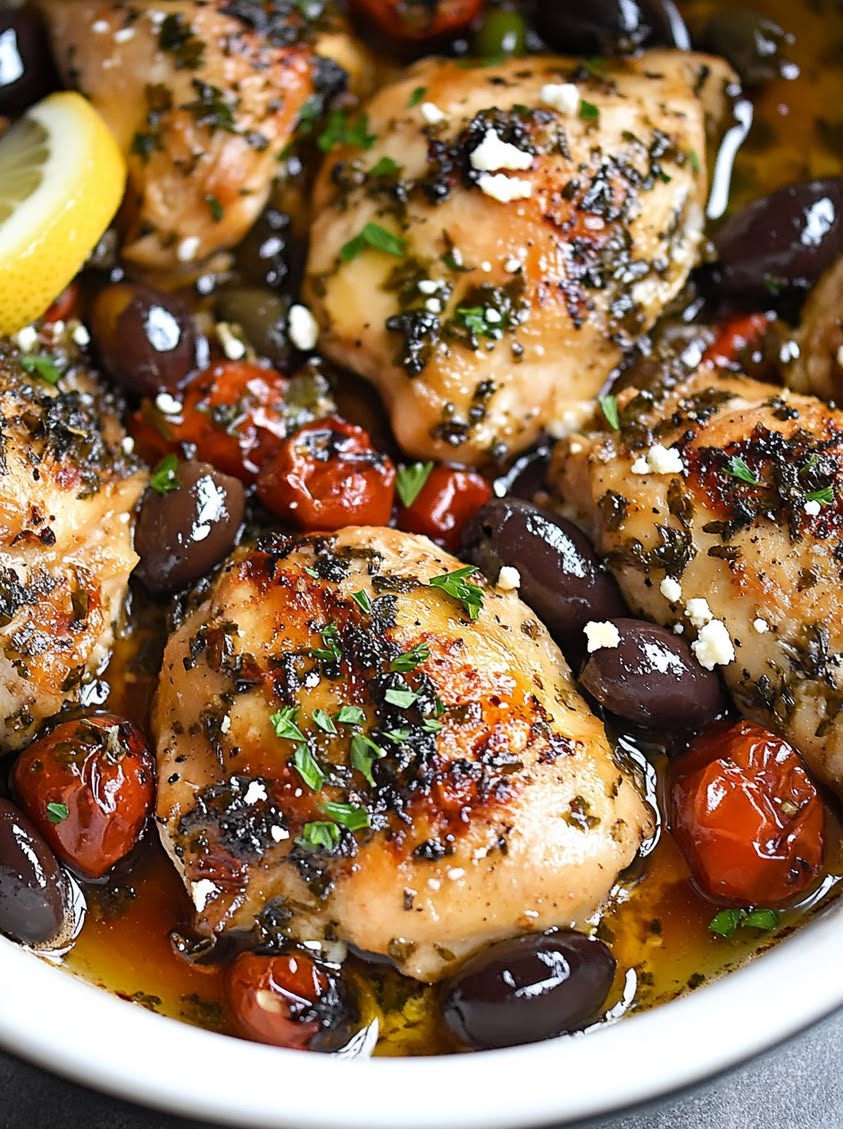
Slow-Cooked Mediterranean Greek Chicken with Herbs and Lemon: A Journey to the Sun-Drenched Isles
Imagine your kitchen filled with the intoxicating aroma of sun-drenched herbs, bright lemon, and tender chicken slowly simmering to perfection. This Slow-Cooked Mediterranean Greek Chicken with Herbs and Lemon recipe is your passport to a rustic Greek taverna, no plane ticket required. Furthermore, it transforms simple, wholesome ingredients into a spectacularly flavorful and comforting meal with minimal hands-on effort. The magic happens in your slow cooker, where chicken thighs become impossibly tender while absorbing a vibrant marinade of oregano, garlic, and fresh citrus.
This dish is the epitome of Mediterranean cooking philosophy: celebrate quality ingredients, use bold, clean flavors, and let time do the heavy lifting. Consequently, you get a meal that feels both luxurious and utterly approachable. Whether you are planning a cozy family dinner or prepping meals for a busy week, this Greek chicken recipe delivers incredible taste and nutrition. Ultimately, it is a foolproof way to bring the warmth and hospitality of the Mediterranean to your table any night of the week.
Quick Recipe Highlights
- Flavor Profile: This Slow-Cooked Mediterranean Greek Chicken with Herbs and Lemon boasts a bright, herbaceous taste. The lemon provides a zesty acidity that cuts through the richness of the chicken, while dried oregano and garlic offer earthy, savory depth. Additionally, the slow cooking process melds these flavors into a cohesive and deeply satisfying sauce.
- Texture: Expect fall-off-the-bone tender chicken thighs that practically melt in your mouth. The low, slow heat breaks down connective tissue perfectly, resulting in succulent, juicy meat. Meanwhile, the sauce becomes slightly thickened and velvety, clinging to each piece of chicken for maximum flavor in every bite.
- Aroma: As it cooks, your home will fill with an irresistible fragrance. The primary aromatic notes are the sharp, clean scent of fresh lemon zest, the warm, earthy smell of oregano, and the sweet, pungent aroma of garlic. These scents combine to create an authentically Mediterranean olfactory experience.
- Visual Appeal: The finished dish is a rustic feast for the eyes. The chicken takes on a golden hue, nestled in a light, herb-speckled sauce. Garnished with fresh parsley and lemon slices, the colors are vibrant and inviting, promising a fresh and wholesome meal straight from the Greek isles.
- Skill Level Needed: This is a beginner-friendly recipe designed for success. The process involves simple mixing and searing, followed by letting the slow cooker work. Therefore, no advanced techniques are required, making it perfect for novice cooks or anyone seeking a delicious, hands-off dinner solution.
- Special Equipment: The only essential special equipment is a 6-quart or larger slow cooker. A skillet is also helpful for searing the chicken to develop flavor, but you can skip this step if needed. Otherwise, standard kitchen tools like a mixing bowl, whisk, and measuring spoons are all you need.
Recipe Overview
- Difficulty Level: We rate this Slow-Cooked Mediterranean Greek Chicken with Herbs and Lemon as easy. The steps are straightforward: combine a marinade, briefly sear chicken, and let the appliance do the rest. There is no intricate knife work or precise temperature control needed. Consequently, it is an ideal recipe for building confidence in the kitchen while achieving restaurant-quality results.
- Category: This dish fits beautifully into several categories. Primarily, it is a hearty main course protein. It also serves as an excellent meal prep staple for healthy lunches. Moreover, it is a fantastic centerpiece for casual entertaining and family-style dining, embodying the shared-plate spirit of Mediterranean meals.
- Cuisine: This recipe is firmly rooted in Greek cuisine, drawing inspiration from classic kotosoupa (chicken soup) flavors and rustic braised dishes. The hallmark combination of lemon, oregano, and garlic is quintessentially Greek. However, the slow-cooker method offers a modern, convenient twist on traditional slow-simmered stovetop preparations.
- Cost: This is a very cost-effective meal. Chicken thighs are an affordable cut, and the aromatics like garlic, lemon, and dried herbs are pantry staples. Overall, you can expect to feed six people generously for the price of a single restaurant entrée, making it brilliant for budget-conscious foodies.
- Season: While comforting year-round, this dish shines in spring and summer. The bright lemon and herbs echo the season’s freshness. Conversely, it also provides warmth during fall and winter. Essentially, its versatility makes it a perennial favorite, perfect for any season you crave Mediterranean sunshine.
- Occasion: This Greek chicken recipe is incredibly versatile for occasions. It is perfect for busy weeknights due to its hands-off cooking. Simultaneously, it is impressive enough for weekend dinner parties or festive family gatherings. It is also an excellent potluck contribution, as it travels well and appeals to a wide range of palates.
Why You’ll Love This Recipe
First and foremost, the taste and texture of this Slow-Cooked Mediterranean Greek Chicken with Herbs and Lemon are utterly irresistible. The chicken achieves a level of tenderness that is difficult to replicate with other cooking methods, literally falling apart at the touch of a fork. Each bite is infused with the harmonious balance of zesty lemon, aromatic oregano, and mellow, sweet garlic. The resulting sauce is light yet packed with flavor, perfect for spooning over a bed of fluffy rice or sopping up with crusty bread. This dish satisfies cravings for something both comforting and vibrantly fresh.
From a convenience standpoint, this recipe is a true weeknight hero. After a quick 15-minute prep, you are free for the next four hours while your slow cooker works its magic. This hands-off approach is a game-changer for busy parents, professionals, or anyone who wants a delicious home-cooked meal without being tethered to the stove. Furthermore, the cleanup is minimal, especially if you use a slow cooker liner. Essentially, you get maximum flavor output for minimal active effort, which is the holy grail of practical home cooking.
Nutritionally, this Greek chicken recipe aligns beautifully with the celebrated Mediterranean diet, which is renowned for its health benefits. Chicken thighs provide high-quality protein and essential nutrients like iron and zinc. The olive oil and lemon juice base offers heart-healthy fats and antioxidants. Moreover, using fresh herbs and garlic adds powerful phytochemicals without extra sodium or calories. This meal supports balanced eating, providing sustained energy and nourishment. It is a wholesome choice that proves healthy food can be incredibly delicious and satisfying.
For social and entertaining value, this dish is a fantastic crowd-pleaser. Its familiar yet exciting flavors appeal to both adventurous and cautious eaters. Serving it family-style encourages conversation and sharing, fostering a warm, communal dining experience. You can easily double the recipe to feed a larger group without significantly increasing your workload. Presenting this fragrant, beautiful dish gives the impression of culinary expertise, making your guests feel special and well-cared-for, all with surprisingly little stress on your part.
Finally, the cost-effectiveness and accessibility of this recipe cannot be overstated. It utilizes affordable chicken thighs and inexpensive, shelf-stable pantry staples. You likely already have many of the ingredients on hand. This accessibility means you can create a stunning, globally-inspired meal without a special trip to an expensive grocery store. It democratizes gourmet flavor, proving that eating well does not require a lavish budget, just a bit of planning and this reliable, flavorful Slow-Cooked Mediterranean Greek Chicken with Herbs and Lemon recipe.
Historical Background and Cultural Significance
The origins of dishes like this Slow-Cooked Mediterranean Greek Chicken with Herbs and Lemon are deeply woven into the fabric of Greek rural life and the concept of “mageirefta,” meaning cooked food. Traditionally, slow cooking was not a convenience but a necessity, often done in communal wood-fired ovens or over low hearths. Farmers and villagers would prepare one-pot meals early in the day using available ingredients—a chicken from the yard, wild oregano, garlic, and lemons from the tree. These meals would simmer for hours while people worked the land, becoming tender and flavorful by evening. This method of cooking represents a timeless wisdom of resourcefulness and patience.
Culturally, food is the heart of Greek social and family life. A meal is more than sustenance; it is an event centered on “philoxenia” (friendliness to strangers) and sharing. A dish of tender, aromatic chicken served with love embodies this spirit. These flavors are the taste of celebration, family gatherings, and religious holidays. The combination of lemon, oregano, and garlic is so fundamental it is considered part of Greece’s culinary identity. Consequently, cooking this recipe connects you to centuries of tradition where food is an expression of history, geography, and warm hospitality.
The evolution of this recipe is a story of adaptation. The classic flavor profile is ancient, but the method has modernized. While grandmothers might have used a heavy pot on a low stove for hours, the contemporary slow cooker or Instant Pot provides the same result with set-and-forget convenience. This evolution makes traditional Greek cooking accessible to global home cooks with busy schedules. The core philosophy remains unchanged: respect the ingredients, use bold, simple flavors, and allow time to develop depth. This bridge between old and new keeps culinary traditions alive and relevant.
Regional variations of this concept abound across Greece. On the islands, fresh rosemary or thyme might join the oregano. In some regions, a splash of white wine is added to the braising liquid. The addition of olives or artichokes heart in season reflects local produce. Some cooks finish the dish with “avgolemono,” a creamy egg-lemon sauce, for extra richness. Exploring these variations is part of the joy of Mediterranean cooking. Ultimately, this Slow-Cooked Mediterranean Greek Chicken with Herbs and Lemon recipe serves as a delicious and authentic template from which you can explore the rich tapestry of Greek regional cuisine.
Ingredient Deep Dive
Chicken Thighs (Bone-in, Skin-on): This cut is the champion of slow cooking. Culturally, using the whole animal and tougher, flavorful cuts is a cornerstone of rustic Mediterranean cooking. Nutritionally, thighs contain more iron, zinc, and B vitamins compared to breast meat, and their higher fat content keeps them moist during long cooking. For selection, choose thighs that are pink and plump. The bone and skin are crucial; they add immense flavor to the sauce and protect the meat from drying out. If you must substitute, bone-in chicken breasts can work but will cook faster and may be less juicy.
Fresh Lemon Juice and Zest: The lemon is the soul of this dish, providing the characteristic bright acidity of Greek cuisine. Historically, lemons have grown in the Mediterranean for millennia, used for preservation and flavor. They are packed with vitamin C and antioxidants. Always zest your lemon before juicing it, as the zest contains potent aromatic oils. Choose heavy, smooth-skinned lemons for maximum juice. For storage, keep them at room temperature for a week or in the fridge for longer. In a pinch, bottled lemon juice can be used, but fresh is vastly superior for both juice and zest.
Dried Oregano: This is the definitive herb of Greece. Wild oregano grows abundantly on the country’s hillsides, and its robust, earthy flavor is irreplaceable. It contains antioxidants and has antimicrobial properties. For the best flavor, seek out Greek or Mediterranean oregano, which is more pungent than the Mexican variety. Crush the dried leaves between your fingers when adding them to release their essential oils. Store dried oregano in a cool, dark place to maintain potency. Do not substitute with fresh oregano in the slow cooker, as dried holds up better to long cooking and provides a more authentic flavor profile.
Garlic: Garlic is a foundational ingredient across Mediterranean cooking, valued for both its intense flavor and historical medicinal uses. It offers allicin, a compound with noted health benefits. Select firm, heavy heads with tight, unbroken skin. To prepare, smash cloves with the side of a knife to easily remove the peel and release their juices. For storage, keep garlic in a cool, dry, dark place with good air circulation. Avoid pre-minced jarred garlic, as it lacks the fresh, pungent kick essential for this Slow-Cooked Mediterranean Greek Chicken with Herbs and Lemon.
Extra Virgin Olive Oil: More than just fat, olive oil is liquid gold in Greek culture, symbolizing peace, wisdom, and prosperity. It provides heart-healthy monounsaturated fats and antioxidants. Use a good-quality extra virgin olive oil for the marinade and searing, as its fruity, peppery notes are integral to the flavor. Store it in a dark bottle away from heat and light to prevent rancidity. While other oils can be used for searing, they will not impart the same authentic Mediterranean character. This ingredient is non-negotiable for achieving the true taste of the dish.
Common Mistakes to Avoid
- Using Boneless, Skinless Chicken Thighs: This is the most common error. The bone adds flavor to the sauce during the long cook, and the skin protects the meat and can be removed after cooking if desired. Boneless, skinless thighs will cook faster and can become dry or mushy.
- Skipping the Searing Step: While you can add chicken directly to the slow cooker, searing creates a Maillard reaction, developing complex, savory flavors and a beautiful color. This step builds a flavor foundation that permeates the entire dish.
- Overcrowding the Pan When Searing: If you crowd the skillet, the chicken will steam instead of sear. Cook in batches to ensure each piece gets proper contact with the hot pan for a golden-brown crust.
- Using Fresh Oregano Instead of Dried: Fresh herbs are wonderful but delicate. Dried oregano is more robust and stands up to the long cooking time, providing a consistent, authentic Greek flavor that won’t dissipate.
- Adding the Lemon Zest Too Early: The volatile oils in lemon zest can become bitter with prolonged heat. For the brightest flavor, add the zest in the last 30 minutes of cooking or as a fresh garnish before serving.
- Lifting the Lid During Cooking: Every time you lift the slow cooker lid, you release heat and steam, significantly increasing the cooking time. Trust the process and keep the lid closed for the duration.
- Not Adjusting Seasoning at the End: Slow cooking can mute seasonings. Always taste the sauce after cooking and adjust with salt, pepper, or a fresh squeeze of lemon juice before serving to make the flavors pop.
- Using Old, Stale Dried Herbs: Dried herbs lose potency over time. If your oregano doesn’t smell like anything when you crush it, it won’t add flavor to your dish. Invest in a fresh jar for best results.
- Adding Thickeners Too Early: If you desire a thicker sauce, use a cornstarch slurry only in the last 30 minutes of cooking. Adding it too early can break down and make the sauce cloudy or thin.
- Forgetting to Deglaze the Skillet: After searing the chicken, those browned bits (fond) in the pan are flavor gold. Pour a bit of chicken broth or water into the hot skillet, scrape them up, and add this liquid to the slow cooker.
Essential Techniques
Searing for Flavor Development: Searing is not just for looks; it is a crucial flavor-building step. The high heat causes a Maillard reaction, creating hundreds of new flavor compounds that are savory, nutty, and rich. To master it, pat your chicken thighs completely dry with paper towels first. Moisture is the enemy of browning. Use a hot, heavy-bottomed skillet with just enough oil to coat it. Do not move the chicken for several minutes to allow a proper crust to form. The visual cue for success is a deep golden-brown color, not black. This foundation adds incredible depth to your final dish.
Building a Balanced Marinade/Brine: The mixture of lemon juice, olive oil, and salt acts as both a marinade and a light brine. The acid helps tenderize the surface, while the salt seasons the meat deeply. Whisking vigorously emulsifies the oil and lemon, creating a cohesive mixture that coats the chicken evenly. The key is to ensure every piece is thoroughly coated. Letting it marinate for even 30 minutes makes a difference, but if you are short on time, a thorough coating before searing is sufficient. This technique ensures the chicken is flavorful from the surface to the bone.
Low and Slow Cooking: This is the heart of the recipe. Cooking at a low temperature (around 300°F on low setting) for a long time gently breaks down tough collagen in the chicken thighs, transforming it into soft, silky gelatin. This process makes the meat exceptionally tender and enriches the sauce. The pitfall is cooking on too high a heat, which can cause the meat to become stringy and the sauce to evaporate. Trust the timeline. The visual cue for doneness is meat that pulls away from the bone easily with a fork. This technique turns an economical cut into a luxurious meal.
Finishing and Adjusting Seasonings: Tasting and adjusting at the end is what separates a good cook from a great one. Slow cooking mellows flavors, so acids and salts often need a boost. After cooking, taste the sauce. Does it need a pinch more salt? A crack of black pepper? A fresh squeeze of lemon juice to brighten it? This final adjustment lifts all the layered flavors you have built. It is the technique that ensures your Slow-Cooked Mediterranean Greek Chicken with Herbs and Lemon tastes vibrant and balanced on the plate, not just in the pot.
Pro Tips for Perfect Slow-Cooked Mediterranean Greek Chicken with Herbs and Lemon
For maximum flavor, marinate the chicken overnight in the refrigerator. This allows the salt and lemon to penetrate deeper into the meat, resulting in chicken that is seasoned throughout and exceptionally tender.
Use the zest of an entire lemon, not just the juice. The zest contains aromatic oils that provide a powerful, true lemon flavor without excessive acidity, elevating the entire dish.
After searing, deglaze your skillet with a quarter cup of dry white wine or chicken broth. Scrape up all the browned bits and add this liquid to the slow cooker; it is pure concentrated flavor.
Add hearty vegetables like quartered potatoes, carrots, or artichoke hearts at the beginning with the chicken. They will cook perfectly in the savory juices and make it a complete one-pot meal.
If your sauce is too thin after cooking, remove the chicken and turn the slow cooker to high. Whisk a tablespoon of cornstarch with two tablespoons of cold water and stir it in. Let it cook uncovered for 20-30 minutes until thickened.
For a fresher herb flavor, stir in a handful of chopped fresh parsley, dill, or a teaspoon of fresh oregano just before serving. This adds a bright, green note that contrasts beautifully with the slow-cooked depth.
Let the chicken rest for 10 minutes after removing it from the slow cooker. This allows the juices to redistribute throughout the meat, ensuring every bite is moist and succulent.
Save the leftover cooking liquid. It makes an incredible base for soups, a cooking liquid for rice or quinoa, or a sauce for reheating leftovers, ensuring no flavor goes to waste.
Variations and Adaptations
Regional Variations: To explore different Greek regions, try these twists. For a Cretan influence, add a cinnamon stick and a couple of whole cloves to the pot. For an island flair from Santorini, include a handful of rinsed capers and some chopped sun-dried tomatoes. A Peloponnesian touch might involve a splash of red wine vinegar alongside the lemon. These small additions can transport the same basic recipe across the diverse landscape of Greek culinary traditions.
Seasonal Adaptations: Embrace seasonal produce. In spring, add fresh peas and asparagus during the last 30 minutes of cooking. Summer calls for cherry tomatoes and zucchini. For autumn, incorporate cubed butternut squash or sweet potato at the start. In winter, add hearty kale or Swiss chard at the end to wilt in the hot sauce. This approach keeps the recipe exciting and aligned with the Mediterranean principle of cooking with what is fresh and available.
Dietary Modifications: This recipe is naturally gluten-free. For a dairy-free option, simply ensure your chicken broth is certified DF. To make it Whole30 or Paleo, use approved broth and omit any thickeners like cornstarch. For a lower-carb or Keto version, serve the chicken and sauce over cauliflower rice or with a side of roasted non-starchy vegetables instead of potatoes or rice.
Flavor Variations: While the classic trio is perfect, do not be afraid to experiment. Add a teaspoon of smoked paprika for a subtle depth. A tablespoon of Dijon mustard whisked into the marinade adds complexity. For a richer sauce, finish with a tablespoon of cold butter or a swirl of Greek yogurt after cooking. A pinch of red pepper flakes will introduce a gentle heat that contrasts the lemon beautifully.
Texture Modifications: If you prefer a cleaner eating experience, you can remove the chicken skin after searing and before slow cooking. For a crisper finish, after slow cooking, place the tender chicken thighs under a broiler for 3-5 minutes to re-crisp the skin. To create a silkier, emulsified sauce, blend a portion of the cooked sauce with an immersion blender before serving.
Presentation Alternatives: Instead of serving as a stew, shred the cooked chicken off the bone and mix it back into the reduced sauce. Use this as a incredible filling for pita bread, over a Greek salad, or as a topping for loaded fries. This transforms the dish into a completely different meal experience while using the same fundamental flavors.
Serving and Presentation Guide
Plating Techniques: For a rustic, family-style presentation, serve the Slow-Cooked Mediterranean Greek Chicken with Herbs and Lemon directly from the slow cooker insert or a large, shallow serving bowl. Arrange the chicken pieces attractively and spoon the sauce over the top. For individual plates, place a base like rice, orzo, or roasted potatoes on the plate, top with one or two chicken thighs, and ladle sauce around. Ensure each plate gets a piece of lemon for garnish and a sprinkle of fresh herbs.
Garnishing Ideas: Garnishes add freshness, color, and texture. A generous sprinkle of chopped fresh flat-leaf parsley or dill is classic. Thin lemon slices or wedges are essential. For a briny pop, add a few Kalamata olives. Crumbled feta cheese adds creaminess and saltiness. A final drizzle of high-quality extra virgin olive oil just before serving enhances flavor and adds a beautiful sheen.
Traditional Accompaniments: In Greece, this dish would likely be served with simple sides that soak up the glorious sauce. A pile of fluffy long-grain rice or orzo pasta (kritharaki) is perfect. Crispy, oven-baked lemon potatoes are a iconic pairing. A chunk of crusty bread, like a rustic sourdough or pita, is non-negotiable for “papara” (sopping up the sauce). A simple horiatiki (Greek village salad) on the side provides a cool, crisp contrast.
Modern Serving Suggestions: For a contemporary twist, serve the chicken over a bed of creamy polenta or cauliflower puree. Spoon it into bowls with a scoop of tzatziki and a side of warmed pita for a deconstructed experience. Use the shredded meat in grain bowls with quinoa, chopped cucumber, tomatoes, red onion, and a dollop of hummus. The versatility of this dish allows it to fit into many modern eating styles.
Temperature Considerations: This dish is best served hot. Ensure your serving plates or bowls are warmed. If serving family-style, keep the slow cooker on the “warm” setting. The accompaniments should also be hot. The contrast between the hot, tender chicken and a cool, crisp salad on the side is part of the dining pleasure.
Portion Control Tips: A standard serving is one to two chicken thighs per person, depending on size. Ladle a generous amount of sauce over each portion, as it is a key component of the dish. When serving with starches like rice or potatoes, a ratio of one part starch to two parts chicken and vegetables creates a balanced plate. For lighter eating, focus on extra vegetables and a smaller portion of the starch.
Wine and Beverage Pairing
Wine Pairings: The bright acidity and herbal notes of this dish call for wines with similar characteristics. A crisp, dry Greek Assyrtiko from Santorini is the ultimate pairing, with its citrus and mineral notes mirroring the lemon and cutting through the richness. A Sauvignon Blanc from New Zealand or the Loire Valley also works beautifully with its grassy, herbal quality. For red wine lovers, a light-bodied, low-tannin red like a Greek Xinomavro or a Beaujolais Villages can be served slightly chilled and will complement without overpowering.
Non-Alcoholic Alternatives: Sparkling water with a squeeze of lemon or lime is a refreshing and simple choice. For more flavor, try a homemade rosemary-lemonade or a mint iced tea. A tart pomegranate juice spritzer (pomegranate juice mixed with soda water) echoes Mediterranean flavors. Kombucha, particularly a lemon-ginger variety, offers a complex, fermented note that pairs interestingly with the food.
Coffee and Tea Pairings: After the meal, a strong Greek coffee is a traditional and authentic choice. Its intense, almost gritty character is a bold finish. For tea, an herbal infusion like chamomile or mint tea is light and digestive. A black tea with a slice of lemon would subtly echo the main course’s flavors. Avoid overly sweet or creamy coffee drinks, as they can clash with the meal’s clean, bright profile.
Temperature Considerations: White and rosé wines should be served well-chilled, around 45-50°F. Light reds should be slightly cooler than room temperature, about 55°F. Non-alcoholic beverages are best served cold or over ice to refresh the palate against the savory, rich chicken. The contrast between the cool drink and the warm food is part of the sensory experience.
Serving Suggestions: Always offer water on the table. If serving wine, pour a small taste first to allow guests to experience the pairing. For non-alcoholic options, consider serving in a pitcher with glasses so guests can help themselves. The goal is to provide beverages that cleanse the palate between bites, allowing you to fully appreciate each flavorful mouthful of the Slow-Cooked Mediterranean Greek Chicken with Herbs and Lemon.
Storage and Shelf Life
Storage Methods: Allow the cooked chicken and sauce to cool to room temperature within two hours of cooking. Do not leave it out longer due to food safety risks. Store the chicken and sauce together in an airtight container. You can store them in one large container or divide them into single-serving portions for easy grab-and-go meals. Glass containers are ideal as they do not absorb odors and allow you to see the contents.
Temperature Requirements: Refrigerate the leftovers promptly. The safe storage temperature for refrigerated leftovers is at or below 40°F (4°C). Use the back of the refrigerator, which is typically the coldest spot, rather than the door. Properly stored, the chicken will keep for 3 to 4 days in the refrigerator.
Container Recommendations: Airtight glass or BPA-free plastic containers with secure lids are best. If storing a large quantity, shallow containers cool food faster and more evenly than deep ones, which is safer. You can also use heavy-duty freezer bags laid flat to save space, especially if freezing.
Signs of Spoilage: Before consuming leftovers, always check for signs of spoilage. Discard the food if you notice an off or sour smell, a slimy texture on the chicken, or if mold is visible. If the sauce appears excessively bubbly or fermented, it is best to err on the side of caution and throw it out.
Reheating Instructions: Reheat leftovers gently to prevent the chicken from becoming tough. The best method is on the stovetop over medium-low heat, stirring occasionally, until piping hot throughout. You can also use a microwave: cover the dish and reheat on medium power in 60-second intervals, stirring in between, until hot. Add a splash of water or broth if the sauce has thickened too much.
Freezing Guidelines: This dish freezes exceptionally well. Portion it into freezer-safe containers or bags, leaving about half an inch of headspace for expansion. Label with the date. It will maintain best quality for 2-3 months. Thaw overnight in the refrigerator before reheating. Note that the texture of the potatoes (if added) may become slightly grainy after freezing and thawing.
Make Ahead Strategies
Prep Timeline: You can fully prepare this dish 1-2 days in advance. Simply cook the recipe as directed, let it cool completely, and store it in the refrigerator. The flavors often meld and improve overnight. Reheat gently before serving. Alternatively, you can complete the prep work (chopping garlic, making the marinade, searing the chicken) the night before. Store the seared chicken and the marinade/braising liquid separately in the fridge. In the morning, combine everything in the slow cooker and start it.
Storage Between Steps: If prepping components ahead, keep the seared chicken in one container and the mixed sauce/braising liquid in another. Do not combine them until you are ready to start the slow cooker to prevent the chicken from beginning to “cook” in the acid. Keep both containers tightly sealed in the refrigerator for up to 24 hours.
Quality Impact Assessment: Making this dish ahead and reheating it typically has a positive impact on quality. The extended time allows the flavors to penetrate the chicken even more deeply. The texture of the chicken holds up very well to reheating if done gently. The one element that may suffer is the brightness of the lemon; you may wish to add a fresh squeeze of juice just before serving to revive that note.
Assembly Tips: For fastest morning assembly, place the seared chicken in the slow cooker insert the night before and store it in the fridge. Have your measured broth and herbs ready. In the morning, pour the liquid over the cold chicken, set the cooker, and go. The cold start will simply add about 30 minutes to the total cook time, which is easily accounted for.
Reheating Guidelines: When reheating the fully made dish, do so slowly. Use a saucepan on the stove over medium-low heat, stirring occasionally. If using a microwave, cover and use a medium power setting to avoid overheating and toughening the meat. Always ensure the internal temperature reaches 165°F when reheating.
Fresh Element Additions: To make a make-ahead meal taste freshly made, plan to add certain elements after reheating. Stir in chopped fresh herbs like parsley or dill. Add a final drizzle of extra virgin olive oil. Serve with a fresh lemon wedge. These last-minute touches add vibrancy and texture that elevate the dish.
Scaling Instructions
Halving the Recipe: To serve three people, simply halve all ingredients. Use 3-4 chicken thighs, half the amount of marinade ingredients, and about 1 cup of broth. You can use the same slow cooker; the cook time may be slightly reduced by 30-60 minutes because the pot will be less full. Check for doneness early. The searing step remains the same, though you will have fewer batches.
Doubling or Tripling: Doubling is straightforward for a crowd. Double all ingredients. Ensure your slow cooker is large enough (you will need at least a 6-quart for a double batch). The cook time may need to be extended by 1-2 hours on low. The searing step will take longer as you cook in more batches; do not overcrowd the pan. For tripling, consider using two slow cookers to ensure even cooking and manageable searing batches.
Equipment Adjustments: When scaling up, your standard skillet may be too small for efficient searing. Use a large roasting pan over two burners or sear in batches, keeping cooked chicken warm in a low oven. For very large batches, you may need to borrow or rent an extra slow cooker. Ensure all appliances are in good working order before starting.
Timing Modifications: As a general rule, the volume of food affects cooking time more than the proportional ingredient increase. A double batch may take 5-6 hours on low instead of 4. A halved batch may take 3-3.5 hours. Always use a meat thermometer to check for doneness (165°F internal temperature) rather than relying solely on time, especially when scaling.
Storage Considerations: When making a large batch, plan your storage in advance. Have enough airtight containers ready. Consider portioning the finished dish into meal-sized amounts before refrigerating or freezing. This makes future meals convenient and helps the food cool more quickly and safely, which is crucial for food safety with large quantities.
Nutritional Deep Dive
Macro Breakdown: A serving of this Slow-Cooked Mediterranean Greek Chicken with Herbs and Lemon (approximately 1-2 thighs with sauce) is a balanced source of macronutrients. It provides high-quality protein from the chicken, essential for muscle repair and satiety. The olive oil contributes healthy monounsaturated fats, which support heart health and nutrient absorption. The carbohydrates are minimal in the base recipe, coming primarily from the small amount of honey in the marinade and any vegetables added. This macro profile supports stable energy levels.
{“success”:true,”message”:”Recipe created successfully”,”post_id”:8528,”tasty_recipe_id”:8528,”shortcode”:” Print
Slow-Cooked Mediterranean Greek Chicken with Herbs and Lemon
Description
A tender, flavorful chicken dish slow-cooked with Mediterranean herbs, garlic, and lemon, perfect for a comforting meal.
Ingredients
For the Crust:
- 4 bone-in, skin-on chicken thighs
- 2 tablespoons olive oil
- 1 lemon, sliced
- 4 cloves garlic, minced
- 1 teaspoon dried oregano
- 1 teaspoon dried thyme
- 1/2 teaspoon dried rosemary
- 1/2 cup chicken broth
- 1/4 cup pitted Kalamata olives
- Salt and black pepper to taste
- Fresh parsley for garnish
Instructions
1. Prepare the Crust:
- Season chicken thighs with salt, pepper, oregano, thyme, and rosemary.
- Heat olive oil in a skillet over medium-high heat and sear chicken until golden brown, about 3-4 minutes per side.
- Transfer chicken to a slow cooker, add garlic, lemon slices, olives, and chicken broth.
- Cover and cook on low for 6 hours or high for 3 hours, until chicken is tender.
- Garnish with fresh parsley before serving.
Notes
You can customize the seasonings to taste.

I’m Billy, a classically trained culinary school graduate from The Culinary Institute of America with over 12 years in the restaurant industry and over 19 years of cooking experience.