
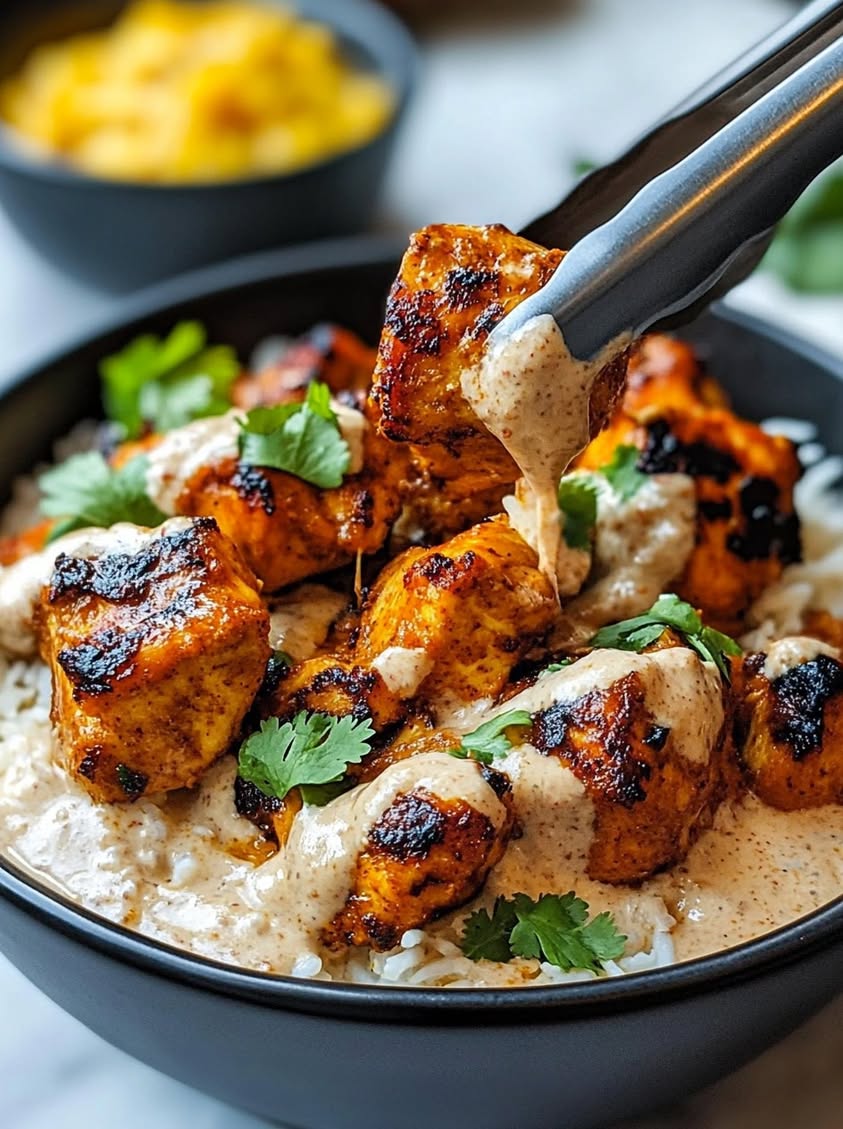
Smoky Tandoori-Style Butter Chicken Bowl with Creamy Sauce and Fragrant Rice: A Flavor-Packed Weeknight Wonder
Imagine a dish that captures the soul-warming essence of Indian takeout but with a smoky, charred twist you can easily create at home. This Smoky Tandoori-Style Butter Chicken Bowl is precisely that kind of culinary magic. It transforms simple chicken and rice into an extraordinary, restaurant-quality meal. The process begins with marinating chicken in a vibrant, yogurt-based tandoori spice blend. Then, you sear it to achieve a beautifully charred exterior. Meanwhile, you simmer a luxuriously creamy tomato sauce that’s rich with butter and aromatic spices. Finally, you serve everything over a bed of fragrant basmati rice for a complete, satisfying bowl.
The result is a symphony of textures and flavors that will delight your senses. You get tender, smoky chicken pieces swimming in a velvety, mildly spiced sauce. Each component complements the others perfectly. The rice soaks up the incredible sauce, ensuring every single bite is packed with flavor. This recipe demystifies the process of making authentic-tasting Indian food. It guides you step-by-step to create a meal that feels both special and comforting. Ultimately, this smoky tandoori butter chicken bowl is a guaranteed crowd-pleaser for any night of the week.
Quick Recipe Highlights
- Flavor Profile: This dish masterfully balances tangy, smoky, and creamy notes. The tandoori marinade provides a bright, acidic kick from yogurt and lemon, while the butter sauce offers a rich, savory, and slightly sweet backdrop. Aromatic spices like garam masala, cumin, and smoked paprika create a complex, warming flavor that is not overwhelmingly spicy.
- Texture: The texture journey is a key part of the experience. You get beautifully charred, slightly crisp edges on the chicken that give way to a juicy, tender interior. The sauce is luxuriously smooth and creamy, coating each grain of fluffy, separate basmati rice. This combination creates a wonderfully satisfying and hearty mouthfeel in every bite.
- Aroma: As this smoky tandoori butter chicken bowl cooks, your kitchen will fill with an intoxicating fragrance. First, you’ll smell the earthy, warming notes of toasting spices. Then, the savory scent of searing chicken and caramelizing onions takes over. Finally, the sweet aroma of tomatoes and cream melds everything together into a truly irresistible perfume.
- Visual Appeal: This bowl is a feast for the eyes with its vibrant color contrast. The chicken boasts deep, charred red hues from the tandoori marinade. It sits in a sunset-orange creamy sauce, all atop a mound of snowy white basmati rice. A final garnish of fresh green cilantro and a drizzle of cream makes the presentation absolutely stunning.
- Skill Level Needed: This recipe is accessible for intermediate home cooks. It involves a few key techniques like marinating, searing, and building a sauce, but the steps are clearly explained. If you can chop an onion, measure spices, and use a skillet confidently, you can absolutely create this impressive smoky tandoori butter chicken bowl.
- Special Equipment: You don’t need a tandoor oven. A large, heavy-bottomed skillet or Dutch oven is essential for getting a good sear on the chicken and simmering the sauce. Additionally, a blender or food processor is helpful for creating an ultra-smooth tomato sauce, though you can also use an immersion blender directly in the pot.
Recipe Overview
- Difficulty Level: We rate this smoky tandoori butter chicken bowl as medium difficulty. The process involves multiple components working in harmony: marinating, cooking rice, searing chicken, and building a sauce. While each step is straightforward, managing their timing requires a bit of kitchen organization. However, the detailed instructions ensure success even for those new to Indian cooking.
- Category: This recipe falls squarely into the main course category, designed as a complete meal in a bowl. It’s perfect for weeknight dinners when you want something special, yet it’s impressive enough for casual weekend entertaining. The combination of protein, sauce, and carbohydrate makes it a balanced and fulfilling standalone dish.
- Cuisine: This dish is inspired by North Indian and Punjabi cuisine, specifically the globally beloved butter chicken (murgh makhani) and tandoori chicken. Our version takes creative liberty by blending the two classics—using a tandoori-style marinade for the chicken before incorporating it into the rich, buttery tomato gravy. It’s a fusion that honors tradition while adding a smoky, charred dimension.
- Cost: This is a cost-effective way to enjoy restaurant-style flavors. Chicken thighs are an affordable protein choice. The spices, while requiring an initial investment, will last for many meals. Canned tomatoes, butter, cream, and rice are pantry staples. Overall, this smoky tandoori butter chicken bowl costs a fraction of takeout for four generous servings.
- Season: This comforting bowl is truly a year-round favorite. It provides warmth and richness during the cooler fall and winter months. Conversely, the bright, tangy notes of the marinade and the fresh cilantro garnish make it feel lively and appropriate for spring and summer, especially when served with a crisp side salad.
- Occasion: Its versatility makes it suitable for numerous occasions. Whip it up for a cozy family dinner, or double the recipe to feed a group of friends. It’s also an excellent meal prep option, as the flavors deepen beautifully overnight. This smoky tandoori butter chicken bowl turns an ordinary Tuesday into a memorable culinary event.
Why You’ll Love This Recipe
First and foremost, the taste and texture of this smoky tandoori butter chicken bowl are utterly irresistible. The chicken delivers a powerful one-two punch: a smoky, slightly crisp exterior from high-heat searing and an incredibly juicy, flavorful interior from the yogurt marinade. Then, that chicken gets enveloped in a sauce that is the definition of indulgence—creamy, silky, and fragrant with spices. Each component, from the fluffy rice to the vibrant sauce, is designed to create a perfect, harmonious bite. The complexity of flavors, from tangy to smoky to rich, will have you going back for spoonful after spoonful, guaranteeing this recipe becomes a regular in your rotation.
Beyond the incredible flavor, this recipe offers remarkable convenience and preparation benefits. While there is a marinating time, the active hands-on work is very manageable and can be broken into stages. You can marinate the chicken in the morning for dinner that night. Furthermore, the entire meal comes together in one bowl, minimizing cleanup. The process of building the sauce in the same pan used to sear the chicken also means you capture all the delicious browned bits (fond), which adds incredible depth of flavor. This efficient method proves that creating a spectacular meal doesn’t require every pot and pan in your kitchen.
Nutritionally, this smoky tandoori butter chicken bowl offers several advantages when enjoyed as part of a balanced diet. Chicken thighs provide high-quality protein and essential nutrients like iron and zinc. The yogurt in the marinade not only tenderizes but also adds probiotics. Tomatoes are a great source of lycopene and vitamin C. Using basmati rice, which has a lower glycemic index than some other white rices, provides sustained energy. You can easily adjust the amount of butter and cream to suit your dietary preferences without sacrificing the core flavors of the dish.
The social and entertaining value of this dish is exceptionally high. Presenting a beautiful, aromatic bowl of this caliber instantly elevates any gathering. It’s a conversation starter that feels gourmet and thoughtful. Because the recipe can be partially prepared ahead, you can spend less time in the kitchen when guests arrive and more time enjoying their company. Serving it family-style in a large bowl or plating individual portions allows for flexibility. It’s a universally appealing dish that caters to a wide range of palates, making it a stress-free choice for hosting.
Finally, this smoky tandoori butter chicken bowl is incredibly cost-effective and accessible. It utilizes affordable, easy-to-find ingredients. Investing in a core set of Indian spices unlocks a world of cooking and pays for itself after just a few meals compared to ordering takeout. The recipe is also forgiving; you can use what you have, like chicken breasts instead of thighs or Greek yogurt instead of plain. This adaptability ensures you can create a magnificent meal without a special trip to the grocery store, making gourmet flavors accessible any night of the week.
Historical Background and Cultural Significance
The story of butter chicken, or murgh makhani, is a beloved tale of culinary innovation and resourcefulness. Popular lore credits its invention to Kundan Lal Gujral and Kundan Lal Jaggi at the famous Moti Mahal restaurant in Delhi in the late 1940s. Seeking to avoid waste, they reportedly simmered leftover tandoori chicken in a rich gravy of tomatoes, butter, and cream. This ingenious solution transformed dry, leftover chicken into a succulent, luxurious dish that took the world by storm. The creamy, mildly spiced sauce was an instant hit, appealing to both Indian and international palates. Consequently, butter chicken became a flagship dish of Indian cuisine abroad, symbolizing its rich, complex, and adaptable nature.
Culturally, butter chicken holds a place of pride as a quintessential example of Punjabi cuisine, known for its robust, dairy-rich, and flavorful dishes. It represents a celebration of abundance and hospitality. Traditionally cooked in a karahi (a type of wok) over high heat, the dish embodies communal eating and sharing. While not as ancient as some regional specialties, its rapid rise to fame mirrors the post-independence era of India, where chefs in urban centers like Delhi began creatively synthesizing traditional techniques with available ingredients. Today, it is a dish that evokes nostalgia, comfort, and a sense of celebration for millions around the globe.
The evolution of the recipe from its humble beginnings to global superstar is fascinating. The original Moti Mahal version emphasized the smoky flavor imparted by the tandoor. As the dish traveled, adaptations emerged to suit local tastes and ingredient availability. In Western countries, versions often became sweeter and creamier. Our “tandoori-style” recipe is a nod to this evolution, intentionally recapturing that charred, smoky essence by searing the marinated chicken in a hot skillet. Modern interpretations also explore healthier versions using yogurt instead of cream, or incorporating different proteins. This constant adaptation is a testament to the dish’s foundational appeal and versatility.
Regional variations of butter chicken abound across India and beyond. In some parts of North India, you might find a version with a stronger presence of kasuri methi (dried fenugreek leaves) or a hint of sweetness from honey. In the UK, a distinct British-Indian style developed, often featuring a smoother, redder sauce. Other global fusions include butter chicken pizza, pasta, and even poutine. Our smoky tandoori butter chicken bowl itself is a variation, reimagining the classic as a complete, bowl-based meal. This global journey from a Delhi restaurant to home kitchens worldwide showcases the dish’s incredible power to adapt and delight across cultures.
Ingredient Deep Dive
Chicken Thighs: Boneless, skinless chicken thighs are the ideal choice for this smoky tandoori butter chicken bowl. Culturally, dark meat is prized in many Indian dishes for its richer flavor and ability to stay juicy during high-heat cooking methods like those mimicking a tandoor. Nutritionally, thighs contain more iron and zinc compared to breasts. When selecting, look for thighs with minimal visible fat and a uniform size for even cooking. For storage, keep them refrigerated and use within 1-2 days of purchase, or freeze for up to 3 months. If you must substitute, chicken breasts can be used, but be vigilant to avoid overcooking, as they dry out more easily.
Yogurt: Plain, full-fat yogurt is non-negotiable for an authentic marinade. In Indian cooking, yogurt (dahi) is a cornerstone ingredient used for marinating, in sauces, and as a condiment. Its lactic acid gently tenderizes the chicken while helping the spices adhere. Nutritionally, it adds protein, calcium, and probiotics. Select a yogurt without added sugars or stabilizers for the best result. Greek yogurt can be used if thinned with a tablespoon of water or milk, as its thicker consistency can prevent the marinade from penetrating effectively. Always bring yogurt to room temperature before marinating to ensure it coats the chicken evenly.
Garam Masala: This is the soul of many North Indian dishes. “Garam” means “warm” or “hot,” referring to the warming nature of the spices, not necessarily heat. A typical blend includes cumin, coriander, cardamom, black pepper, cinnamon, and cloves. Its cultural significance is immense, representing the complex spice-blending artistry of Indian cuisine. There’s no single recipe, and every family may have their own blend. For the best flavor in your smoky tandoori butter chicken bowl, buy garam masala from a reputable spice shop or Indian grocery and use it within 6 months for maximum potency. Toasting it briefly in a dry pan before use can unlock even more aroma.
Tomatoes: We use canned crushed tomatoes for consistency and depth of flavor year-round. Tomatoes were introduced to India by the Portuguese and were enthusiastically adopted into the cuisine. They provide the essential base acidity, sweetness, and body for the creamy sauce. Nutritionally, they are an excellent source of lycopene, especially when cooked. For selection, choose a brand of crushed tomatoes with no added basil or other herbs. As a substitute, you can use about 1.5 pounds of fresh ripe tomatoes, blanched, peeled, and pureed. The key is to cook them down sufficiently to eliminate any raw, acidic taste and develop a sweet, concentrated flavor.
Kasuri Methi (Dried Fenugreek Leaves): This ingredient is the secret weapon for authentic flavor. Kasuri methi has a distinctive, slightly bitter, and incredibly aromatic quality that is irreplaceable. It’s made from dried fenugreek leaves and is used as a finishing herb. Crushing it between your palms before adding it to the sauce releases its volatile oils and transforms the dish’s aroma. Find it in the spice aisle of Indian grocery stores or online. If you cannot find it, you can omit it, but the dish will lack a certain depth. There is no perfect substitute, but a tiny pinch of dried mint or celery leaves can provide a different, though not identical, herbal note.
Common Mistakes to Avoid
- Skipping the Marinating Time: Marinating is not just for flavor; the yogurt’s acids tenderize the chicken. Rushing this step results in less flavorful, potentially tougher meat. Aim for at least 30 minutes, though 2-4 hours is ideal for the best smoky tandoori butter chicken bowl.
- Overcrowding the Pan When Searing: Adding all the chicken to the skillet at once causes it to steam instead of sear. You will not achieve those beautiful, charred, smoky bits. Cook in batches if necessary to ensure each piece has contact with the hot surface.
- Not Cooking the Tomato Paste and Spices Enough: Adding the cream too soon after the tomatoes is a common error. You must cook the tomato mixture until it deepens in color and the oil starts to separate from the sauce. This step, called “cooking the masala,” is crucial for developing rich, concentrated flavor and eliminating any raw spice taste.
- Using Cold Cream or Yogurt: Adding cold dairy directly to a hot sauce can cause it to curdle or separate. To prevent this, always take your cream and any yogurt used in the sauce out of the fridge ahead of time to temper. You can also add it gradually while stirring constantly over low heat.
- Overcooking the Chicken in the Sauce: Since the chicken is already cooked through from searing, it only needs to warm through and absorb the sauce’s flavors. Simmering it for too long in the creamy gravy can make it dry and stringy. A gentle 5-7 minute simmer is typically sufficient.
- Underseasoning the Dish: This is a common pitfall with richly sauced dishes. The creamy elements can mute seasoning. Always taste the sauce at the end, after adding the cream and butter, and adjust the salt, a pinch of sugar (to balance acidity), and lemon juice as needed. Seasoning in layers is key.
- Using Old, Stale Spices: Ground spices lose their potency quickly. Using garam masala or smoked paprika that has been in your cupboard for years will result in a bland smoky tandoori butter chicken bowl. For the best flavor, purchase small quantities and replace them every 6-12 months.
- Rushing the Rice: Basmati rice requires proper rinsing to remove excess starch and a specific water-to-rice ratio for perfect, fluffy grains. Skipping the rinse leads to gummy rice. Also, letting the rice steam, covered and off the heat, after cooking is essential for the right texture.
Essential Techniques
Marinating with Yogurt: This technique is fundamental to tender, flavorful chicken in your smoky tandoori butter chicken bowl. The yogurt’s acidity breaks down muscle proteins gently, while its fat carries fat-soluble spice flavors deep into the meat. To master it, ensure your yogurt is at room temperature and mixed thoroughly with the spices and lemon juice. Coat the chicken evenly and allow time for the process to work—at least 30 minutes, though longer is better. A common pitfall is using yogurt that’s too thick (like some Greek yogurts) without thinning it, which can create a coating that burns instead of tenderizing. Success is visible when the marinade clings to the chicken without being pasty.
Developing Fond and Deglazing: After searing the chicken, those browned, stuck-on bits at the bottom of the pan (fond) are pure flavor gold. The technique of deglazing—adding liquid to loosen them—is critical for building a complex sauce base. After removing the chicken, you’ll often add a bit of liquid like water, broth, or even the tomato mixture to the hot pan. Use a wooden spoon to scrape vigorously as the liquid sizzles, dissolving all the fond into your sauce. The pitfall is rushing this step or using too much heat, which can cause the fond to burn instead of dissolve. Success is a smooth, flavorful base with no blackened bits left in the pan.
Cooking the Masala (Spice Base): This is the heart of Indian sauce-making. It involves cooking ground spices and aromatics in fat until they release their oils and become incredibly fragrant. For your smoky tandoori butter chicken bowl, you cook onions, ginger, garlic, tomato paste, and ground spices until the mixture darkens and the oil separates. This process, called “bhuno,” cooks out raw flavors and concentrates taste. The key is to cook over medium heat with constant stirring to prevent burning. A common mistake is undercooking, which leaves a raw, gritty spice taste. The visual cue for success is seeing tiny droplets of oil pooling around the edges of the masala mixture in the pan.
Pro Tips for Perfect Smoky Tandoori Butter Chicken Bowl
For maximum smoky flavor without a grill, pat your marinated chicken pieces very dry before adding them to the screaming-hot skillet. Furthermore, resist the urge to move them for the first 2-3 minutes; this allows a proper crust to form. A well-seasoned cast iron or heavy stainless steel skillet is your best tool for achieving that authentic char.
Toasting whole spices like cumin seeds or cardamom pods in the oil before adding the onions can add another layer of complexity. Simply heat the oil, add the whole spices for 30-60 seconds until fragrant, then proceed with the recipe. This technique, called tadka, infuses the oil with deep flavor that carries through the entire sauce.
If your sauce seems too thin after adding the cream, let it simmer uncovered for a few extra minutes to reduce and thicken. Conversely, if it becomes too thick, thin it with a splash of water or chicken broth. Remember, the sauce will continue to thicken slightly as it cools, so aim for a consistency that generously coats the back of a spoon.
For the most vibrant color, a small pinch of Kashmiri red chili powder or a few drops of natural red food coloring can be added to the marinade. Importantly, this is purely for aesthetics and does not significantly alter the heat level. The char from searing will also enhance the visual appeal with dark, caramelized spots.
Always taste and adjust the seasoning at the very end, after all elements—cream, butter, kasuri methi—are incorporated. The fat can mute saltiness. A final squeeze of fresh lemon juice can brighten the entire dish and balance the richness perfectly, elevating your smoky tandoori butter chicken bowl to restaurant quality.
When making the rice, toast the dry basmati rice in a little ghee or butter with a whole bay leaf and cardamom pod before adding water. This simple step adds a wonderful nutty aroma and helps keep the grains separate and fluffy, creating a perfect base for your flavorful bowl.
Variations and Adaptations
Regional Variations: To explore different regional takes, try a Punjabi-style version by adding a tablespoon of crushed kasuri methi and using more butter. For a slightly sweeter, restaurant-style version common abroad, stir in a teaspoon of honey or sugar with the cream. A Delhi-style touch might include a splash of rose water or kewra water for a floral note, though this is subtle and should be used sparingly.
Seasonal Adaptations: In summer, lighten the dish by serving the smoky tandoori butter chicken over a cool, crisp salad of shredded lettuce, cucumbers, and red onion instead of rice. In spring, garnish with fresh pea shoots or edible flowers. During winter, add root vegetables like diced sweet potato or parsnips to the sauce while it simmers for added heartiness and sweetness.
Dietary Modifications: For a gluten-free version, ensure all your spices are certified gluten-free (cross-contamination can occur). To make it dairy-free, use coconut milk or cashew cream instead of heavy cream, and vegan butter or coconut oil in place of dairy butter. The marinade can be made with a thick, plain vegan yogurt. The core flavors remain wonderfully intact.
Flavor Variations: Experiment with the spice profile by adding a teaspoon of mango powder (amchur) to the marinade for extra tang. For a deeper, earthier flavor, add a teaspoon of ground coriander to the sauce. If you enjoy heat, include a finely chopped green chili in the onion mixture or add a quarter teaspoon of cayenne pepper to the marinade.
Texture Modifications: For a chunkier sauce, use diced canned tomatoes instead of crushed. For an ultra-smooth, velvety sauce, blend the cooked tomato-onion masala mixture with an immersion blender before adding the cream. To add textural contrast to the bowl, top with crispy fried onions (birista), chopped roasted cashews, or sev (thin chickpea flour noodles).
Presentation Alternatives: Instead of a bowl, serve the components deconstructed on a large platter: a mound of rice, the chicken and sauce in a serving bowl, and small bowls of garnishes like cilantro, extra cream, lemon wedges, and naan bread. This encourages interaction and allows guests to build their own perfect bite, making the meal more engaging.
Serving and Presentation Guide
Plating Techniques: For a visually stunning smoky tandoori butter chicken bowl, start with a warm, shallow bowl. Place a generous scoop of fragrant rice slightly off-center. Ladle the creamy chicken and sauce next to the rice, allowing some to cascade over the grains. Arrange the chicken pieces so some are visible on top. This method creates height and showcases all the beautiful components and colors of the dish.
Garnishing Ideas: Garnishes are essential for freshness and visual pop. A shower of finely chopped fresh cilantro is non-negotiable. Add a drizzle of plain yogurt or heavy cream in a zigzag pattern. A final sprinkle of crushed kasuri methi or a light dusting of paprika adds color. Thinly sliced green chilies or a lemon wedge on the side provides both garnish and a functional flavor boost.
Traditional Accompaniments: In India, this dish is almost always served with some form of bread to scoop up the sauce. Warm, buttery naan or flaky, layered parathas are classic choices. A side of cooling cucumber raita (yogurt with cucumber and mint) or a simple onion salad (sliced onions with lemon juice and chaat masala) provides a refreshing contrast to the rich, creamy main.
Modern Serving Suggestions: For a contemporary twist, serve the smoky tandoori butter chicken in a hollowed-out roasted acorn squash or bell pepper. Alternatively, use the chicken and sauce as a filling for wraps or flatbreads with fresh greens. You can also serve it as a hearty topping for baked potatoes or sweet potatoes for a fusion meal.
Temperature Considerations: Serve this dish piping hot. Warm your serving bowls beforehand by rinsing them with hot water. The rice should be freshly steamed and hot, and the sauce should be simmering when you combine them. If the dish sits, the sauce will thicken and the rice will cool; a quick reheat with a splash of water can restore the perfect consistency.
Portion Control Tips: This rich dish is satisfying, so a standard serving is about ¾ cup of rice with 1 to 1.5 cups of the chicken and sauce mixture. To make it lighter, increase the ratio of sauce and rice slightly and use one less piece of chicken per serving. Remember, you can always serve extra sauce on the side for those who want more.
Wine and Beverage Pairing
Wine Pairings: The rich, creamy, and spiced profile of the smoky tandoori butter chicken bowl pairs beautifully with wines that have good acidity to cut through the fat. An off-dry Riesling or Gewürztraminer complements the dish’s subtle sweetness and spices. For red wine lovers, a fruity, low-tannin option like a Beaujolais or a Zinfandel works well. A chilled glass of rosé with bright berry notes can also be a surprisingly perfect match, especially in warmer weather.
Non-Alcoholic Alternatives: A classic Indian lassi is the ultimate pairing. A salty lassi (namkeen lassi) balances the richness, while a sweet mango lassi offers a refreshing contrast. Sparkling water with a squeeze of lime and a pinch of salt is a simple, cleansing option. For something more elaborate, try a ginger-mint lemonade or a sweet-and-sour tamarind drink (jaljeera).
Coffee/Tea Pairings: While not a traditional pairing, a cup of strong, milky chai tea after the meal is a delightful Indian custom. The warming spices in the chai echo the spices in the dish. A light, floral Darjeeling tea can also be a pleasant palate cleanser. Avoid pairing with coffee during the meal, as its bitterness can clash with the complex spices.
Temperature Considerations: Iced beverages work wonderfully to contrast the warm, rich food. Serve lassis, lemonades, or even a light beer very cold. Wines should be served at their appropriate temperatures: whites and rosés chilled, reds slightly below room temperature. The contrast between a cool drink and the hot, creamy bowl is part of the sensory pleasure.
Serving Suggestions: Always offer a variety of beverages when serving this dish to guests. Place a pitcher of infused water or lemonade on the table alongside wine options. For an authentic touch, serve masala chai in small cups at the end of the meal as a digestif. Encourage guests to sip and savor, using the beverages to reset their palate between flavorful bites.
Storage and Shelf Life
Storage Methods: Store the smoky tandoori butter chicken and rice separately for best results. Allow both components to cool completely to room temperature before storing. Transfer the chicken and sauce to an airtight container. Place the rice in a separate container. This prevents the rice from becoming soggy and allows for more controlled reheating.
Temperature Requirements: Both components must be refrigerated promptly and kept at or below 40°F (4°C). Do not leave the prepared dish at room temperature for more than two hours. The creamy sauce is a dairy-based product, making it particularly susceptible to bacterial growth if not stored correctly. Always err on the side of caution and refrigerate leftovers quickly.
Container Recommendations: Use glass or BPA-free plastic containers with tight-fitting lids. For the sauce, a container that is the right size to minimize air space is ideal, as exposure to air can degrade quality and flavor. For the rice, a shallow container helps it cool faster and more evenly, which is important for food safety.
Signs of Spoilage: Before consuming leftovers, check for any off odors, such as a sour or unpleasant smell. Visually inspect for mold, which can appear as fuzzy spots. If the sauce has separated irreversibly or developed an unusual texture, it’s best to discard it. When in doubt, follow the golden rule: if you’re unsure, throw it out.
Reheating Instructions: Reheat the sauce gently in a saucepan over medium-low heat, stirring frequently. Add a splash of water, broth, or cream to loosen it if it has thickened too much. Reheat the rice separately by sprinkling it with a few drops of water and microwaving it covered, or by steaming it. Recombine only after both are hot. Avoid boiling the sauce vigorously, as this can cause the dairy to separate.
Freezing Guidelines: The chicken and sauce freeze remarkably well for up to 3 months. Freeze it in portion-sized airtight containers or heavy-duty freezer bags, leaving some space for expansion. Thaw overnight in the refrigerator before reheating gently on the stovetop. Note that the texture of the cream may change slightly upon thawing; a vigorous stir during reheating will usually re-emulsify it. Rice does not freeze well and is best made fresh.
Make Ahead Strategies
Prep Timeline: You can prepare nearly the entire smoky tandoori butter chicken bowl a day in advance. Marinate the chicken overnight for maximum flavor penetration. You can also cook the sauce base (the tomato-onion masala) up to the point before adding cream and butter. Store the marinated chicken and the base sauce separately in the refrigerator. This breaks the recipe into manageable stages and makes weeknight assembly a breeze.
Storage Between Steps: Store the marinated chicken in a covered bowl or zip-top bag in the refrigerator. Keep the prepared sauce base in an airtight container. When you’re ready to cook, simply sear the chicken from its marinated state (no need to bring to room temperature, just pat dry) and proceed with the recipe by reheating the sauce base and finishing it with cream and butter.
Quality Impact Assessment: Making the components ahead often improves the dish. The flavors in the sauce base meld and deepen overnight. The chicken becomes more tender and flavorful from the extended marination. The only potential downside is that the vibrant color of the marinade may darken slightly, which does not affect taste. The final texture and quality are excellent, if not better.
Assembly Tips: For serving a crowd, keep the finished creamy chicken sauce warm in a slow cooker on the “warm” setting. Cook the rice fresh just before serving. This ensures the rice is perfect and the sauce stays at the ideal serving temperature without breaking or overcooking. Set up a garnish station so guests can customize their bowls.
Reheating Guidelines: When reheating the pre-made sauce base, do so gently over medium heat, stirring frequently. Once hot, proceed with adding the cream, butter, and seared chicken as per the recipe. If the sauce seems too thick after refrigeration, thin it with a little water or broth as it reheats. Always finish with fresh kasuri methi and cilantro for a bright, just-made taste.
Fresh Element Additions: No matter how much you prep ahead, always add certain elements fresh. Stir in the final butter, cream, and kasuri methi just before serving. Garnish with freshly chopped cilantro. If using a garnish of fresh diced onions or a squeeze of lemon, add those at the table. These last-minute touches restore vibrancy and texture that can be lost during storage and reheating.
Scaling Instructions
Halving the Recipe: Halving this smoky tandoori butter chicken bowl is straightforward for smaller households. Simply divide all ingredient quantities by two. Use a medium skillet instead of a large one for searing the chicken. The cooking times for the sauce may be slightly shorter since there’s less volume to reduce. Be especially careful not to overcook the smaller amount of chicken when searing, as it will cook faster. All other techniques and steps remain identical.
Doubling or Tripling: Doubling or tripling is excellent for meal prep or feeding a crowd. Use a large Dutch oven or a very wide, deep skillet to accommodate the increased volume of sauce. You will likely need to sear the chicken in more batches to avoid overcrowding. The simmering time for the sauce may increase by 5-10 minutes to allow it to reduce and thicken properly. Taste diligently for seasoning, as scaling spices can be tricky—start with 1.5 times the spice amount for a double batch and adjust upward from there.
Equipment Adjustments: Scaling up requires proportional equipment changes. For a double batch, a 5-6 quart Dutch oven is ideal. For a triple batch, consider using a large stockpot. Ensure you have a large enough bowl for marinating the increased quantity of chicken. You may also need a larger pot for cooking the corresponding amount of rice. Having the right{“success”:true,”message”:”Recipe created successfully”,”post_id”:8575,”tasty_recipe_id”:8575,”shortcode”:” Print
Smoky Tandoori-Style Butter Chicken Bowl with Creamy Sauce and Fragrant Rice
Description
A fusion bowl featuring tender chicken marinated in tandoori spices, cooked in a rich, creamy butter sauce, and served over fragrant basmati rice for a comforting meal.
Ingredients
For the Crust:
- 1 lb boneless, skinless chicken thighs, cut into bite-sized pieces
- 1 cup plain yogurt
- 2 tbsp tandoori masala spice blend
- 1 tbsp lemon juice
- 2 tbsp butter
- 1 onion, finely chopped
- 3 cloves garlic, minced
- 1 tbsp ginger, grated
- 1 cup tomato puree
- 1/2 cup heavy cream
- 1 tsp smoked paprika
- 1 cup basmati rice, rinsed
- 2 cups water
- 1 tsp salt
- Fresh cilantro for garnish
Instructions
1. Prepare the Crust:
- Marinate the chicken: In a bowl, combine yogurt, tandoori masala, and lemon juice. Add chicken pieces, coat well, and refrigerate for at least 30 minutes.
- Cook the rice: In a pot, bring water to a boil, add rice and salt, reduce heat, cover, and simmer for 15-20 minutes until fluffy. Set aside.
- Sauté aromatics: In a large skillet, melt butter over medium heat. Add onion, garlic, and ginger, cooking until softened, about 5 minutes.
- Cook the chicken: Add marinated chicken to the skillet and cook until browned and cooked through, about 8-10 minutes.
- Make the sauce: Stir in tomato puree, smoked paprika, and heavy cream. Simmer for 5-7 minutes until thickened.
- Assemble bowls: Divide rice among bowls, top with butter chicken, garnish with cilantro, and serve warm.
Notes
You can customize the seasonings to taste.

I’m Billy, a classically trained culinary school graduate from The Culinary Institute of America with over 12 years in the restaurant industry and over 19 years of cooking experience.