
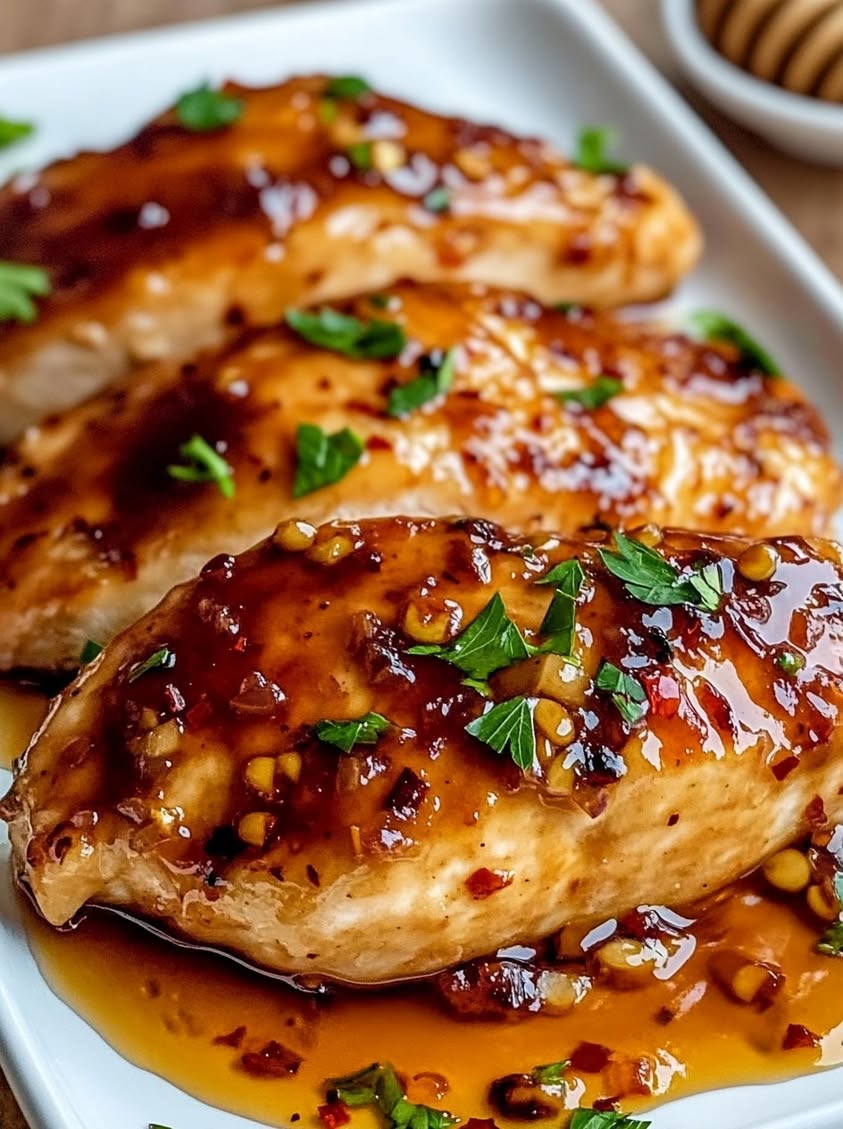
Sticky Honey Garlic Skillet Chicken Breasts: An Easy Weeknight Dinner
Imagine a dinner that delivers the perfect balance of sweet and savory in under thirty minutes. This recipe for Sticky Honey Garlic Skillet Chicken Breasts is exactly that kind of magic. It transforms simple chicken breasts into a glossy, flavor-packed main course that feels both indulgent and approachable. The aroma of garlic sizzling in the pan, followed by the sweet scent of honey and soy sauce reducing into a sticky glaze, is guaranteed to bring everyone to the kitchen. Ultimately, this dish proves that a spectacular meal doesn’t require hours of work or a long list of obscure ingredients.
This Sticky Honey Garlic Skillet Chicken Breasts recipe is a true weeknight warrior. It relies on pantry staples you likely already have, making it an ideal solution for those busy evenings when takeout seems tempting. The process is straightforward: sear the chicken to golden perfection, then whip up an irresistible sauce right in the same pan. As the sauce simmers, it thickens and clings to the chicken, creating that signature sticky, caramelized coating. The result is tender, juicy chicken enveloped in a glaze that’s bold, balanced, and utterly irresistible. Serve it over a bed of fluffy rice or with some steamed vegetables to soak up every last drop of that delicious sauce.
Furthermore, the versatility of this dish is a major win. You can easily adapt the flavors to suit your mood, adding a pinch of red pepper flakes for heat or a splash of rice vinegar for brightness. It’s a family-friendly recipe that appeals to both kids and adults alike, offering a familiar comfort with an exciting gourmet twist. Whether you’re cooking for a casual family dinner or need to impress last-minute guests, this skillet chicken delivers on every front. It’s the kind of recipe you’ll find yourself returning to again and again, a reliable star in your weekly meal rotation.
Quick Recipe Highlights
- Flavor Profile: This dish masterfully combines the deep, umami richness of soy sauce and garlic with the natural sweetness of honey. A hint of acidity, often from rice vinegar or lemon juice, cuts through the richness to create a perfectly balanced sweet, savory, and slightly tangy glaze that coats the chicken beautifully.
- Texture: The chicken breasts develop a delightfully seared, slightly crispy exterior from the initial high-heat cook, while the interior remains tender and juicy. The glaze reduces to a thick, sticky consistency that clings to each piece, offering a satisfying, glossy mouthfeel with every bite.
- Aroma: Cooking begins with the pungent, irresistible scent of minced garlic hitting hot oil, which forms the aromatic base. This is quickly followed by the warm, caramel-like fragrance of honey melding with the salty depth of soy sauce, creating a kitchen aroma that promises a delicious meal.
- Visual Appeal: The finished chicken boasts an appetizing, deep golden-brown sear covered in a shiny, mahogany-colored glaze. Scattered with fresh green scallions or sesame seeds, the dish presents a beautiful contrast of colors that looks restaurant-worthy on any dinner plate.
- Skill Level Needed: This is a beginner-friendly recipe ideal for novice cooks. The techniques involved—pan-searing and making a simple pan sauce—are fundamental skills. With clear instructions and a single skillet, anyone can achieve fantastic results without advanced culinary training.
- Special Equipment: You only need one key piece of equipment: a reliable, heavy-bottomed skillet or frying pan, preferably 10 to 12 inches in diameter. A pair of tongs for flipping the chicken and a whisk for smoothing the sauce are helpful but not strictly mandatory.
Recipe Overview
- Difficulty Level: We rate this Sticky Honey Garlic Skillet Chicken Breasts recipe as “Easy” because it uses simple, sequential steps common in home cooking. The most technical aspect is achieving a good sear on the chicken, which primarily requires patience not to move it too soon. Additionally, the sauce comes together effortlessly in the same pan, minimizing both cleanup and complexity. Even a first-time cook can follow the clear process and produce a impressive, flavorful result.
- Category: This dish falls squarely into the main course category, providing a complete protein centerpiece for a meal. It pairs wonderfully with a vast array of sides, from simple steamed vegetables and rice to more elaborate grain salads or roasted potatoes. Consequently, it’s incredibly versatile for planning different types of meals throughout the week.
- Cuisine: While inspired by the sweet and savory glazes common in various Asian culinary traditions, particularly Chinese-American cuisine, this recipe is a modern home cook’s adaptation. It utilizes accessible ingredients to create a familiar flavor profile without claiming to be authentically from one specific region. The result is a globally-inspired, crowd-pleasing dish that fits perfectly on any contemporary dinner table.
- Cost: This is a remarkably cost-effective meal. Chicken breasts are an affordable protein, and the sauce ingredients—honey, soy sauce, garlic, ginger—are pantry staples with a long shelf life. For roughly the price of one fast-food meal, you can feed an entire family a wholesome, homemade dinner. The cost per serving is very low, making it an excellent choice for budget-conscious cooking.
- Season: This recipe is truly a year-round winner. In cooler months, the hearty, glazed chicken feels comforting and satisfying. During warmer seasons, it remains light enough not to feel heavy, especially when served with a crisp salad or grilled vegetables. Its flexibility with seasonal sides makes it a perennial favorite.
- Occasion: Perfect for busy weeknights due to its speed, this dish also suits casual weekend dinners or even informal entertaining. It’s impressive enough to serve to guests but simple enough to make without stress. It’s an ideal choice for potlucks, as it travels well and appeals to a wide range of tastes.
Why You’ll Love This Recipe
First and foremost, the taste and texture of this Sticky Honey Garlic Skillet Chicken Breasts are utterly addictive. The combination creates a multi-sensory eating experience that is deeply satisfying. Each bite offers the savory depth of soy sauce, the aromatic punch of garlic, and the mellow sweetness of honey, all fused into a sticky glaze that caramelizes slightly on the seared chicken. The contrast between the juicy interior of the breast and the slightly tacky, flavorful exterior is what makes this dish so memorable and crave-worthy. It’s a familiar flavor profile executed perfectly, providing both comfort and excitement on the plate.
Next, consider the sheer convenience and preparation benefits. This recipe is a testament to the power of a one-pan meal. From start to finish, you use a single skillet, which means minimal cleanup—a huge win on any night, but especially a busy weeknight. The prep work is minimal, often just mincing garlic and grating ginger, which you can even do ahead of time. The cooking process is linear and quick, with most of the active time spent at the stove. You can go from a cold pan to a finished, impressive dinner in half an hour, making it a practical solution for real life.
From a nutritional standpoint, this dish offers several advantages when prepared mindfully. Chicken breast is a fantastic source of lean protein, essential for muscle repair and keeping you full. By making the glaze yourself, you control the sodium and sugar levels, unlike with pre-made sauces or takeout. You can easily use low-sodium soy sauce and adjust the honey to your preference. Served with a side of whole grains like brown rice and a large portion of vegetables, it becomes a well-rounded, balanced meal. It’s a healthier alternative to ordering similar dishes from restaurants, which are often loaded with excess oil, sugar, and salt.
Furthermore, the social and entertaining value of this recipe is high. It’s a universally appealing dish that rarely meets with dislike. The beautiful, glossy presentation makes it look like you spent far more time and effort than you actually did, impressing family and guests alike. It’s easy to double or triple the recipe to feed a crowd, and it holds well on a buffet table. Cooking it can even be a simple, enjoyable activity to share with a partner or older children, fostering connection in the kitchen. It’s the kind of reliable recipe that becomes part of your hospitality repertoire.
Finally, the cost-effectiveness and accessibility are undeniable. As mentioned, the ingredients are inexpensive and easy to find at any standard grocery store. There’s no need for special trips to ethnic markets or for costly, one-time-use items. This accessibility means you can whip it up without planning a special shopping trip. Compared to the cost of dining out or getting delivery, cooking this Sticky Honey Garlic Skillet Chicken Breasts at home saves a significant amount of money while yielding a superior, fresher product. It democratizes delicious food, proving that eating well doesn’t have to be complicated or expensive.
Historical Background and Cultural Significance
The concept of glazing proteins with a sweet and savory sauce has deep roots in several culinary traditions, particularly across East and Southeast Asia. In China, the use of honey and malt sugar in cooking dates back centuries, often employed in banquet dishes and preservation methods. Meanwhile, fermented soy products like soy sauce became a cornerstone of flavoring. The combination of these elements—sweetness, saltiness, and umami—forms a foundational flavor profile known as “jiang” or sauce-based cooking. This Sticky Honey Garlic Skillet Chicken Breasts recipe is a modern, streamlined descendant of these ancient techniques, adapted for the Western home kitchen and the ubiquitous chicken breast.
Culturally, dishes featuring sticky, glossy glazes hold a special place in many food traditions, often associated with celebration, hospitality, and special family meals. In American Chinese cuisine, which evolved to suit local tastes and ingredients, dishes like General Tso’s Chicken or Orange Chicken popularized the irresistible combination of crispy protein coated in a sweet, tangy, and sticky sauce. Our skillet chicken recipe taps into that same crave-worthy sensory appeal but simplifies the process, removing the need for deep-frying and focusing on quick pan-searing. It represents a fusion of culinary ideas, making a beloved flavor profile accessible for quick weeknight cooking.
The evolution of this specific recipe is a story of home cook innovation and the global pantry. As ingredients like soy sauce and fresh ginger became commonplace in supermarkets worldwide, home cooks began experimenting. The desire for quick, flavorful dinners led to the development of one-pan recipes that minimized cleanup. The skillet chicken format is perfect for this, allowing the cook to build layers of flavor in a single vessel. Over time, versions of this recipe spread through community cookbooks, food magazines, and eventually food blogs and social media, with each cook adding their own twist, such as a splash of sesame oil or a sprinkle of chili flakes.
Regional variations of this concept are endless. In Korea, a similar sticky glaze might feature gochujang (fermented chili paste) for heat and depth. In Japan, teriyaki sauce—a blend of soy, mirin, and sugar—offers a cleaner, less garlic-forward sweetness. In the American South, you might find a version using maple syrup or brown sugar. This particular recipe for Sticky Honey Garlic Skillet Chicken Breasts sits comfortably in the middle, using the most globally accessible ingredients to achieve a universally pleasing result. It’s a testament to how food traditions migrate, adapt, and become new classics in their own right, loved for their simplicity and deliciousness.
Ingredient Deep Dive
Chicken Breasts: Boneless, skinless chicken breasts are the lean, versatile canvas for this dish. Historically, chicken has been a global staple protein due to its relatively quick rearing time. Nutritionally, they are an excellent source of high-quality protein and essential nutrients like niacin and selenium. For best results, select breasts that are similar in size and thickness to ensure even cooking; you may need to pound the thicker ends gently. Pat them thoroughly dry with paper towels before seasoning—this is the single most important step for achieving a proper sear, not a steam. For storage, keep raw chicken in the coldest part of your refrigerator and use within 1-2 days, or freeze for longer storage.
Honey: Honey is one of humanity’s oldest sweeteners, used for millennia across cultures from ancient Egypt to China. It brings a complex, floral sweetness to the glaze that granulated sugar cannot replicate, along with a natural viscosity that helps the sauce thicken. Beyond sweetness, honey contains trace enzymes and antioxidants. When selecting honey for cooking, a standard, mild clover honey works perfectly; avoid strongly flavored varieties like buckwheat honey that can overpower. For storage, keep honey in a sealed container at room temperature; it may crystallize over time, but gently warming the jar in warm water will return it to liquid form.
Garlic: Garlic has a storied history as both a culinary cornerstone and a medicinal herb, prized from ancient Rome to traditional Chinese medicine. Its pungent, aromatic flavor forms the savory backbone of the glaze. Nutritionally, garlic is renowned for its organosulfur compounds, like allicin, which are studied for various health benefits. Always choose firm, plump heads of garlic without green sprouts. For this recipe, fresh minced garlic is non-negotiable; jarred pre-minced garlic lacks the necessary pungency and can impart a bitter flavor. Store fresh garlic in a cool, dark, dry place with good air circulation to prevent sprouting or molding.
Soy Sauce: Soy sauce is a fermented condiment originating in China over 2,500 years ago, made from soybeans, wheat, salt, and fermenting cultures. It provides the essential salty umami depth that balances the honey’s sweetness. For a cleaner flavor and to control sodium, I recommend using a low-sodium variety. Tamari is a great gluten-free alternative with a slightly richer flavor. Avoid “dark” soy sauce for this recipe, as it is thicker, sweeter, and will overly darken the glaze. Store soy sauce in a cool pantry; after opening, refrigeration can help maintain its flavor for longer, though it’s not strictly required due to its high salt content.
Fresh Ginger: Ginger adds a warm, spicy, and slightly citrusy note that brightens the rich glaze. It has been used across Asia for thousands of years in both food and traditional medicine. Ginger contains gingerol, a bioactive compound with anti-inflammatory properties. Select ginger roots that are firm, smooth, and heavy for their size, with taut skin. Avoid any that are wrinkled or soft. To prepare, simply peel the thin skin with a spoon and grate it finely. You can store unused ginger root in the refrigerator for a few weeks, or peel, slice, and freeze it for months, grating it directly from frozen when needed.
Common Mistakes to Avoid
- Not Drying the Chicken: Failing to pat the chicken breasts completely dry with paper towels is a critical error. Moisture on the surface creates steam, which prevents the Maillard reaction—the chemical process that gives you a beautiful, flavorful, golden-brown sear. Instead of getting a crisp exterior, you’ll end up with pale, steamed chicken.
- Overcrowding the Skillet: Adding all the chicken breasts to a pan that’s too small forces them to steam in their own released moisture. Always cook in batches if necessary to ensure each piece has ample space. This guarantees proper searing and avoids a rubbery texture.
- Moving the Chicken Too Soon: The instinct to constantly flip or poke the chicken is strong. Resist it. Place the chicken in the hot oil and let it cook undisturbed for the recommended time. This allows a proper crust to form, which will release naturally from the pan when it’s ready.
- Using High Heat for the Sauce: After searing the chicken, you must reduce the heat before adding the sauce ingredients, especially the honey. Adding honey to screaming-hot pan can cause it to scorch and burn almost instantly, creating a bitter, acrid flavor that ruins the dish.
- Not Letting the Sauce Reduce: Impatience is the enemy of a sticky glaze. After adding the sauce mixture to the pan, you must let it simmer gently until it thickens enough to coat the back of a spoon. If you add the chicken back too soon, the glaze will be thin and runny.
- Slicing the Chicken Immediately: Cutting into the chicken breasts right after they come out of the pan causes all the precious juices to run out onto the cutting board, leaving the meat dry. Always let the chicken rest for 5-10 minutes after cooking to allow the juices to redistribute throughout the meat.
- Using Pre-Minced Garlic from a Jar: While convenient, jarred minced garlic often contains preservatives and lacks the fresh, pungent kick of freshly minced garlic. It can also burn more easily and impart a slightly metallic or bitter taste to your delicate glaze.
- Neglecting to Season the Chicken: Seasoning the chicken breasts generously with salt and pepper before searing is not optional. This foundational layer of seasoning penetrates the meat and is crucial for building a well-rounded flavor profile. An unseasoned piece of chicken will taste bland, regardless of how flavorful the glaze is.
Essential Techniques
Pan Searing: Pan searing is the high-heat cooking method used to brown the surface of the chicken, creating complex flavors and an appealing texture. It’s important because it triggers the Maillard reaction, which produces hundreds of new flavor compounds. To master it, ensure your pan is properly preheated before adding oil, and then add your dried, seasoned chicken. The key is to not move the chicken until it releases easily from the pan, indicating a crust has formed. A common pitfall is using a pan that’s not hot enough, leading to steaming instead of searing. Visual cues for success include a uniform, deep golden-brown color and audible sizzling when the chicken is added.
Building a Pan Sauce: This technique involves creating a sauce directly in the same pan used to cook the main ingredient, utilizing the flavorful browned bits (fond) left behind. It’s important because it captures all the caramelized flavors and integrates them into the glaze. After removing the chicken, you typically deglaze the pan with a liquid, but in this recipe, the soy sauce and honey mixture serves this purpose. Scrape the fond from the pan bottom as you whisk. The common pitfall is rushing the reduction; the sauce must simmer to thicken properly. Success is visible when the sauce coats the back of a spoon and leaves a clear trail when you run your finger through it.
Reducing a Sauce: Reduction is the process of simmering a liquid to evaporate water, thereby concentrating flavors and thickening the consistency. It’s crucial for transforming a thin, watery mixture into a rich, sticky glaze that will cling to the chicken. To do it well, maintain a gentle simmer—a rapid boil can cause the sugars to burn. Stir occasionally to prevent sticking. The main pitfall is impatience; a proper reduction takes a few minutes. You’ll know it’s ready when the bubbles become slower, more glazy, and the sauce has visibly thickened and reduced in volume by about one-third to one-half.
Pro Tips for Perfect Sticky Honey Garlic Skillet Chicken Breasts
First, for perfectly even cooking, consider butterflying thicker chicken breasts or pounding them to an even ½-inch thickness. This ensures the center cooks through at the same rate the exterior achieves a golden sear, preventing a dried-out edge and a raw middle.
Second, let your chicken come to room temperature for about 15 minutes before cooking. Starting with cold chicken straight from the fridge causes the exterior to overcook before the interior reaches a safe temperature, leading to toughness.
Third, use a neutral oil with a high smoke point, like avocado oil or grapeseed oil, for searing. Olive oil, especially extra virgin, can burn at the high heat needed for a good sear, introducing unwanted bitter flavors.
Fourth, after you pour the sauce ingredients into the pan, let the mixture heat through and start to bubble before you begin whisking. This helps dissolve the honey completely and integrates the flavors more smoothly from the start.
Fifth, to check for doneness without cutting, use an instant-read thermometer. Insert it into the thickest part of the breast; it should read 165°F (74°C). This is the most reliable method to achieve juicy, safe-to-eat chicken every single time.
Sixth, if your sauce isn’t thickening to your liking, create a quick slurry by mixing 1 teaspoon of cornstarch with 1 tablespoon of cold water. Whisk this into the simmering sauce and cook for an additional minute until glossy and thick.
Seventh, garnish with texture and color. A final sprinkle of toasted sesame seeds and thinly sliced green onions (scallions) adds a nutty crunch, fresh flavor, and professional visual appeal that elevates the entire dish.
Eighth, if you prefer a more complex flavor, add a splash (about 1 tablespoon) of rice vinegar or fresh lime juice to the sauce mixture. The acidity brightens all the other flavors and cuts through the richness beautifully.
Variations and Adaptations
Regional Variations: Explore global twists by altering the sauce base. For a Korean-inspired version, add 1-2 tablespoons of gochujang (Korean chili paste) to the sauce for sweet heat. For a Japanese teriyaki slant, replace half the honey with mirin and add a pinch of grated fresh ginger. A Thai variation could include a tablespoon of fish sauce and a squeeze of lime juice, garnished with cilantro and chopped peanuts.
Seasonal Adaptations: In spring, serve the glazed chicken over a bed of fresh pea shoots or asparagus. During summer, pair it with a light cucumber salad or grilled corn. For fall, incorporate roasted sweet potatoes or Brussels sprouts as a side. In winter, serve it alongside creamy mashed potatoes or roasted root vegetables to soak up the hearty glaze.
Dietary Modifications: For a gluten-free version, simply use tamari or a certified gluten-free soy sauce instead of regular soy sauce. To make it Paleo or Whole30 compliant, substitute coconut aminos for the soy sauce and ensure your other ingredients are compliant. The core technique remains perfectly adaptable.
Flavor Variations: Introduce different flavor dimensions easily. Add a teaspoon of sriracha or red pepper flakes for a spicy kick. Incorporate a tablespoon of smooth peanut butter into the sauce for a satay-like richness. A dash of five-spice powder can add a wonderfully warm, aromatic complexity that pairs beautifully with the honey and garlic.
Texture Modifications: If you crave extra crispness, lightly dredge the dried chicken breasts in cornstarch or arrowroot powder before searing. This creates an ultra-crispy exterior that holds the sticky glaze spectacularly. Alternatively, for a smoother, more velvety sauce, blend the cooked sauce with an immersion blender before returning the chicken to the pan.
Presentation Alternatives: Instead of serving whole or sliced breasts, cut the raw chicken into 1-inch cubes before cooking. Sear the cubes, then toss them in the reduced glaze for bite-sized “popcorn” chicken perfect for appetizers or finger food. You can also shred the cooked glazed chicken and serve it in lettuce cups for a low-carb presentation.
Serving and Presentation Guide
Plating Techniques: For an elegant presentation, slice the rested chicken breast on a sharp diagonal and fan the slices slightly on the plate. Spoon the extra glaze from the pan over the top, allowing it to pool around the base. This showcases the interior juiciness and makes the dish look meticulously prepared. Alternatively, for a family-style approach, place the whole breasts on a large platter and drizzle generously with glaze, letting everyone serve themselves.
Garnishing Ideas: Garnishes add freshness, color, and textural contrast. Classic choices include thinly sliced green onions (scallions), toasted white or black sesame seeds, and a light sprinkle of red pepper flakes for color. For a herbal note, add torn fresh cilantro or Thai basil leaves. A final tiny drizzle of toasted sesame oil just before serving adds an incredible aroma.
Traditional Accompaniments: Steamed white jasmine rice or brown rice is the classic, perfect partner to soak up the delicious sauce. For a more traditional Chinese-American restaurant feel, serve it alongside simple steamed broccoli or stir-fried mixed vegetables. Fried rice or lo mein noodles also make excellent, hearty bases for the glazed chicken.
Modern Serving Suggestions: For a contemporary, health-conscious meal, serve the chicken over a bowl of cauliflower rice, quinoa, or soba noodles. A side of quick-pickled vegetables (like cucumbers or carrots) adds a bright, crunchy contrast. You can also chop the glazed chicken and add it to a large salad with crunchy greens, mandarin oranges, and a light sesame dressing.
Temperature Considerations: This dish is best served hot, immediately after the chicken has rested. The glaze is at its shiniest and most viscous when warm. Ensure your serving plates are warmed slightly to keep the food hot longer. If preparing components ahead, reheat the chicken and sauce together gently in the skillet before serving.
Portion Control Tips: One standard chicken breast (about 6-8 ounces raw) typically serves one adult. When plating, balance the plate with a larger portion of vegetables or whole grains and a moderate serving of the glazed chicken. Slicing the breast before plating can make a single breast appear more substantial, aiding in visual satisfaction and portion management.
Wine and Beverage Pairing
Wine Pairings: The sweet and savory profile of Sticky Honey Garlic Skillet Chicken Breasts pairs beautifully with wines that have a touch of sweetness or vibrant acidity to balance the glaze. An off-dry Riesling or Gewürztraminer is a classic choice, as their fruity notes and slight sweetness complement the honey without clashing. For red wine lovers, a light, fruity Pinot Noir with low tannins works well, as it won’t overpower the dish. A dry rosé with good acidity can also be a fantastic, versatile match, especially in warmer weather.
Non-Alcoholic Alternatives: Sparkling water with a squeeze of lime or a slice of ginger provides a clean, palate-cleansing effervescence. Iced green tea or jasmine tea, either plain or lightly sweetened, echoes the Asian-inspired flavors beautifully. For a more crafted option, a ginger beer (non-alcoholic) has the spice and sweetness to stand up to the robust glaze.
Coffee/Tea Pairings: While not a typical dinner beverage, an after-dinner tea can pair nicely. A lightly smoked Lapsang Souchong tea can pick up on the caramelized notes from the sear. For coffee, a medium-roast brew with low acidity and notes of brown sugar or caramel would be a pleasant, if unconventional, follow-up to the meal.
Temperature Considerations: White and rosé wines should be served well-chilled, between 45-55°F (7-13°C). Light reds like Pinot Noir are best served slightly cooler than room temperature, around 55-60°F (13-16°C). Non-alcoholic sparkling drinks and iced teas are most refreshing when served very cold. The contrast between the cool beverage and the warm, sticky chicken is part of the pairing’s appeal.
Serving Suggestions: Always serve wine in appropriate glassware to enhance its aroma. Provide plenty of cold water on the table as well, as the dish’s savory-sweet nature can make guests thirsty. When serving non-alcoholic options, consider garnishing them similarly to cocktails—a lime wedge in sparkling water or a mint sprig in iced tea—to make the meal feel special and complete.
Storage and Shelf Life
Storage Methods: Allow leftover Sticky Honey Garlic Skillet Chicken Breasts to cool completely to room temperature within two hours of cooking. Transfer the chicken and any remaining sauce to an airtight container. Do not leave it sitting in the hot skillet. For best quality, store the chicken and sauce together to keep the meat moist and flavorful.
Temperature Requirements: Refrigerate leftovers promptly. The safe storage temperature for cooked chicken is at or below 40°F (4°C). Use the main body of your refrigerator, not the door, where temperatures fluctuate more. Properly stored, leftovers will keep for 3 to 4 days.
Container Recommendations: Use shallow, airtight containers made of glass or BPA-free plastic. Shallow containers allow the chicken to cool more quickly and evenly, reducing the risk of bacterial growth. If storing a large quantity, divide it into smaller portions for faster cooling and easier reheating later.
Signs of Spoilage: Before consuming leftovers, always check for signs of spoilage. Discard the chicken if you detect an off or sour smell, if the texture becomes slimy or mushy, or if there is any visible mold. When in doubt, throw it out. Do not taste-test questionable food.
Reheating Instructions: The best method is to reheat gently to prevent drying out. Place the chicken and sauce in a covered skillet over low-medium heat with a splash of water or chicken broth. Warm slowly, turning occasionally, until heated through to 165°F (74°C). You can also use a microwave: place in a microwave-safe dish, cover loosely, and heat on medium power in 30-second intervals, checking and stirring the sauce in between.
Freezing Guidelines: This dish freezes reasonably well. Place cooled chicken and sauce in a freezer-safe bag or container, removing as much air as possible. Label with the date. Freeze for up to 2-3 months for best quality. Thaw overnight in the refrigerator before reheating gently. Note that the texture of the chicken may be slightly softer after freezing and thawing, but the flavor will remain excellent.
Make Ahead Strategies
Prep Timeline: You can prep several components 1-2 days in advance to streamline dinner. Mince the garlic and grate the ginger, storing them together in a small airtight container in the fridge. Mix the sauce ingredients (soy sauce, honey, vinegar, etc.) in a jar or container and refrigerate. You can also trim and pound the chicken breasts to an even thickness, then store them on a plate covered with plastic wrap in the refrigerator.
Storage Between Steps: Keep prepped ingredients in separate, clearly labeled containers. The pre-mixed sauce may thicken in the fridge; simply let it sit at room temperature for 15 minutes and give it a good shake or stir before using. The prepped chicken should be kept on the bottom shelf of the fridge to prevent cross-contamination.
Quality Impact Assessment: Prepping the sauce ahead actually allows the flavors to meld and deepen, which is a benefit. The garlic and ginger will mellow slightly in the liquid. The chicken may release a small amount of liquid after being pounded and stored, so be sure to pat it dry again just before cooking to ensure a proper sear.
Assembly Tips: When ready to cook, simply take your prepped ingredients from the fridge. Pat the chicken dry, season, and sear as directed. Then, pour your pre-mixed sauce into the pan. The process becomes nearly as fast as ordering takeout, but with far better, fresher results.
Reheating Guidelines: This strategy is for prepping components, not cooking the entire dish ahead. However, if you do cook it fully ahead, follow the gentle reheating instructions in the storage section. Add a small splash of water to the pan when reheating to loosen the glaze and prevent scorching.
Fresh Element Additions: Even with prepped components, always finish with fresh garnishes. Chop your green onions or cilantro just before serving. Toast sesame seeds fresh for the best aroma and crunch. These last-minute additions restore brightness and texture that can be lost during advance prep or storage.
Scaling Instructions
Halving the Recipe: To serve two, simply halve all ingredients: use 2 chicken breasts, 2 tablespoons honey, 2 tablespoons soy sauce, 1 clove garlic, etc. The cook times will remain roughly the same, though the sauce may reduce a bit faster due to the smaller volume. Use a medium (10-inch) skillet to ensure the chicken still has room to sear properly without steaming.
Doubling or Tripling: For a crowd, multiply all ingredients proportionally. The key adjustment is cooking the chicken in batches to avoid overcrowding; do not try to sear 8 chicken breasts in one pan at once. You may need to wipe the pan clean between batches if fond burns. Use a large, wide pan or a Dutch oven for making the sauce to accommodate the increased volume, which will take longer to reduce and thicken.
Equipment Adjustments: Scaling up requires larger equipment. For double the recipe, a 12-inch skillet or a large sauté pan is essential. For tripling or more, consider using a wide Dutch oven or cooking in two separate skillets simultaneously. Ensure you have a large enough whisk or spoon to stir the increased volume of sauce effectively.
Timing Modifications: While searing time per batch remains constant, the overall active cooking time increases with each batch you cook. Sauce reduction time will also increase linearly with volume; a double batch of sauce may take 6-8 minutes to thicken instead of 3-4. Plan your meal timing accordingly and keep early batches of cooked chicken warm on a covered plate in a low oven (200°F / 95°C).
Storage Considerations: When making a large batch, proper storage is crucial for leftovers. Divide the cooked chicken and sauce into several smaller, shallow containers for rapid cooling. This prevents the large mass of food from staying in the “danger zone” (40-140°F / 4-60°C) for too long, which can promote bacterial growth.
Nutritional Deep Dive
Macro Breakdown: A typical serving of this Sticky Honey Garlic Skillet Chicken{“success”:true,”message”:”Recipe created successfully”,”post_id”:8306,”tasty_recipe_id”:8306,”shortcode”:” Print
Sticky Honey Garlic–Glazed Skillet Chicken Breasts
Description
Juicy chicken breasts seared and glazed in a sweet, savory honey garlic sauce, perfect for a quick and flavorful weeknight dinner.
Ingredients
For the Crust:
- 4 boneless, skinless chicken breasts
- 1/2 teaspoon salt
- 1/4 teaspoon black pepper
- 2 tablespoons olive oil
- 4 cloves garlic, minced
- 1/3 cup honey
- 2 tablespoons soy sauce
- 1 tablespoon rice vinegar
- 1 teaspoon sesame oil
- 1 tablespoon cornstarch mixed with 2 tablespoons water
- Sliced green onions and sesame seeds for garnish
Instructions
1. Prepare the Crust:
- Season chicken breasts with salt and pepper on both sides.
- Heat olive oil in a large skillet over medium-high heat. Add chicken and cook for 5-7 minutes per side until golden and cooked through. Remove chicken and set aside.
- In the same skillet, reduce heat to medium. Add minced garlic and sauté for 30 seconds until fragrant.
- Stir in honey, soy sauce, rice vinegar, and sesame oil. Bring to a simmer.
- Whisk in cornstarch slurry and cook for 1-2 minutes until sauce thickens.
- Return chicken to skillet, spooning sauce over each breast. Cook for 2-3 minutes to glaze and reheat.
- Garnish with sliced green onions and sesame seeds before serving.
Notes
You can customize the seasonings to taste.

I’m Billy, a classically trained culinary school graduate from The Culinary Institute of America with over 12 years in the restaurant industry and over 19 years of cooking experience.