
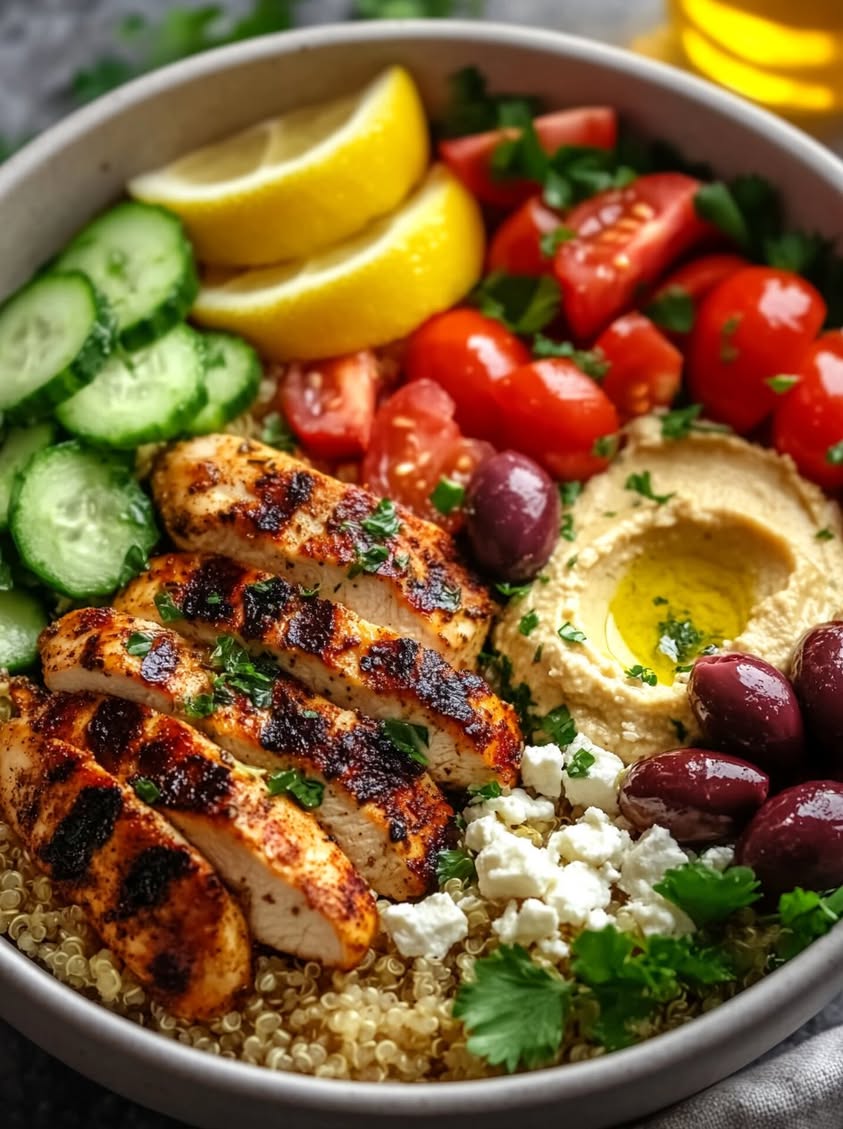
Sun-Kissed Mediterranean Lemon-Oregano Chicken Bowl Recipe: A Vibrant, Healthy Feast
Imagine a meal that captures the essence of a Mediterranean summer. This Sun-Kissed Mediterranean Lemon-Oregano Chicken Bowl Recipe does exactly that. It brings bright, zesty flavors and wholesome ingredients straight to your table. Moreover, it transforms simple components into a colorful and satisfying feast. Ultimately, each bite offers a perfect harmony of tender, herby chicken, creamy hummus, and crisp vegetables.
This recipe is more than just dinner. It is a vibrant, customizable experience that fits a healthy lifestyle. The marinade, bursting with fresh lemon and oregano, infuses the chicken with incredible flavor. Consequently, you get juicy, aromatic protein as the star of your bowl. Meanwhile, the creamy hummus provides a rich, smooth base that ties everything together beautifully.
Finally, assembling your bowl becomes a creative act. You layer textures and colors for a meal that delights all your senses. This Sun-Kissed Mediterranean Lemon-Oregano Chicken Bowl Recipe is your ticket to a delicious, nutritious escape. It proves that eating well can be incredibly simple and utterly delicious.
Quick Recipe Highlights
- Flavor Profile: This bowl delivers a bright, tangy punch from fresh lemon juice and zest, perfectly balanced by earthy, aromatic dried oregano. The garlic adds a savory depth, while the hummus contributes a creamy, nutty undertone. Altogether, these elements create a classic Mediterranean taste that is both refreshing and deeply satisfying.
- Texture: You experience a wonderful contrast in every mouthful. The chicken offers a tender, juicy bite with a slightly charred exterior from cooking. Conversely, the cucumber and tomato provide a refreshing crunch. Meanwhile, the hummus and tzatziki (if using) add luxurious creaminess, and the warm pita offers a soft, chewy component.
- Aroma: As the chicken marinates and cooks, it releases an irresistible fragrance. The primary notes are the sharp, clean scent of citrus from the lemon and the warm, piney aroma of oregano. Additionally, the garlic and olive oil mingle to create a savory, inviting smell that will fill your kitchen.
- Visual Appeal: This bowl is a feast for the eyes with its vibrant color palette. You see golden-brown chicken strips against the pale cream of the hummus. Furthermore, the brilliant red of cherry tomatoes and the deep green of cucumber and herbs create a stunning, Instagram-worthy presentation that looks as good as it tastes.
- Skill Level Needed: This is a fantastic recipe for cooks of all levels. It requires basic techniques like mixing a marinade, sautéing or grilling chicken, and simple vegetable chopping. Therefore, even a beginner can achieve fantastic results, while more experienced cooks can appreciate the balance of flavors and easy assembly.
- Special Equipment: You need only standard kitchen tools. A sharp knife and cutting board are essential for prep. Also, a mixing bowl, whisk, and large skillet or grill pan are necessary for the marinade and cooking. Ultimately, no fancy gadgets are required, making this recipe highly accessible.
Recipe Overview
- Difficulty Level: We rate this recipe as “Easy” for several compelling reasons. First, the steps are straightforward and logical, involving simple marinating, cooking, and assembly. Second, the techniques required, like chopping and pan-frying, are fundamental. Third, there is minimal room for error with clear visual cues for doneness. Consequently, it is a stress-free cooking project perfect for a weeknight.
- Category: This dish comfortably fits into multiple meal categories, making it wonderfully versatile. Primarily, it is a complete and balanced main course for lunch or dinner. Additionally, you can deconstruct it for a fantastic meal prep option. It also works beautifully as a shareable, interactive spread for casual entertaining.
- Cuisine: This recipe draws direct inspiration from the sun-drenched coasts of Greece and the wider Eastern Mediterranean. It uses hallmark ingredients of the region: olive oil, lemon, oregano, garlic, and chickpeas. The bowl format is a modern take on a meze platter, celebrating the fresh, healthy, and communal spirit of Mediterranean eating.
- Cost: Preparing this meal is surprisingly budget-friendly. Chicken thighs or breasts are an affordable protein source, especially when purchased in bulk. Likewise, the vegetables and pantry staples like spices and olive oil are inexpensive. Hummus can be homemade for ultimate savings or store-bought for convenience. Overall, it delivers restaurant-quality flavor at a fraction of the price.
- Season: This recipe shines brightest in the spring and summer months. The fresh, light flavors complement warmer weather perfectly. However, it is truly a year-round dish because the ingredients are readily available. During winter, it brings a much-needed burst of sunshine and vitality to your table.
- Occasion: It is ideal for countless occasions. It makes a quick and healthy family dinner during busy weeks. Simultaneously, it is impressive enough for casual dinner parties where guests can build their own bowls. Furthermore, it is an excellent option for meal prep, providing ready-to-eat lunches that stay fresh and delicious.
Why You’ll Love This Recipe
You will adore the taste and texture appeal of this dish. Every component is designed to complement the others, creating a harmonious eating experience. The lemon-oregano chicken is succulent and fragrant, providing a protein-packed foundation. Then, the cool, crisp vegetables cut through the richness, while the creamy hummus adds a satisfying depth. Ultimately, each forkful is a delightful mix of juicy, crunchy, and smooth textures that keeps you coming back for more. The flavors are bold yet balanced, offering a tangy, herby, and savory profile that feels both indulgent and clean.
The convenience and preparation benefits are significant. This Sun-Kissed Mediterranean Lemon-Oregano Chicken Bowl Recipe comes together in under 45 minutes, with much of that time being hands-off marinating. You can prepare elements in advance, making assembly a breeze at mealtime. Moreover, it uses one main pan for cooking, minimizing cleanup. The recipe is also incredibly forgiving; you can easily swap vegetables based on what you have on hand. Therefore, it solves the perennial “what’s for dinner” question with a reliable, fast, and delicious answer.
Nutritional advantages make this a smart choice for your well-being. This bowl is packed with lean protein from the chicken, which supports muscle repair and keeps you full. Chickpeas in the hummus provide plant-based protein and fiber, aiding digestion. Additionally, the fresh vegetables are loaded with vitamins, minerals, and antioxidants. Using olive oil, a source of healthy monounsaturated fats, promotes heart health. It is a balanced meal that fuels your body without weighing you down.
The social and entertaining value of this dish is high. Serving these components in a bowl format encourages interaction and customization. You can set up a “build-your-own-bowl” bar for guests, which is fun and accommodating for different preferences. It is a visually stunning dish that looks like you spent hours, yet it is deceptively simple. Consequently, it allows you to spend less time in the kitchen and more time enjoying company, making it perfect for relaxed gatherings.
Finally, the cost-effectiveness and accessibility are major wins. You do not need expensive or hard-to-find ingredients. Most items are pantry staples or available at any grocery store. You can stretch a single batch into multiple meals, making it economical. Furthermore, it is a fantastic way to introduce healthier eating habits to your family without a hefty price tag. This recipe proves that eating vibrant, flavorful, and nutritious food can be both easy and affordable.
Historical Background and Cultural Significance
The origin story of these flavors is deeply rooted in ancient Mediterranean culinary traditions. The combination of lemon, oregano, and olive oil as a marinade or dressing spans centuries across Greece, Turkey, and Italy. Historically, these ingredients were abundant, preserved well, and defined the region’s palate. Oregano, known as the “joy of the mountain,” grew wild in the hills. Similarly, lemons were cultivated extensively around the Mediterranean Sea. Cooks used these simple, potent flavors to enhance grilled meats and vegetables, a practice that continues today.
Cultural importance of such meals centers on community and health. The Mediterranean diet, recognized globally for its benefits, is not just about food but a lifestyle. Meals are often shared, leisurely events. A bowl like this embodies the principle of “mezze” – small, shared plates that encourage conversation and connection. The emphasis on fresh produce, lean protein, healthy fats, and whole grains reflects a traditional approach to eating that sustains both the body and social bonds. It is food meant to be enjoyed slowly and with others.
The evolution of the recipe into a “bowl” is a modern adaptation of classic principles. Traditionally, these components might be served on a large platter or as part of a multi-course meze spread. The contemporary bowl format caters to today’s desire for composed, Instagrammable, and portable meals. It takes the deconstructed elements of a Greek salad, grilled meat, and dips and layers them for individual serving. This evolution makes the vibrant flavors and nutritional balance of Mediterranean eating accessible for quick weeknight dinners and lunchboxes.
Regional variations are plentiful and exciting. In Greece, you might find this with a side of tzatziki and kalamata olives. A Lebanese version could include toum (garlic sauce) and sumac. In Cyprus, they might add a sprinkle of halloumi cheese. The type of grain or base can also vary; some regions use couscous, bulgur, or rice instead of or in addition to hummus. These variations highlight the adaptability of the core concept. They allow you to travel with your taste buds by simply tweaking an ingredient or two.
Ingredient Deep Dive
Chicken Thighs are the ideal choice for this Sun-Kissed Mediterranean Lemon-Oregano Chicken Bowl Recipe. Culturally, chicken is a versatile protein used across the Mediterranean, often marinated and grilled. Nutritionally, thighs offer more flavor and juiciness than breasts due to a slightly higher fat content, which also helps them stay tender during cooking. For selection, choose boneless, skinless thighs for quick, even cooking. Look for plump, pink flesh with minimal visible fat. Store them in the coldest part of your fridge and use within 1-2 days, or freeze for longer storage. For a substitution, chicken breasts work but require careful cooking to avoid dryness. Alternatively, try firm tofu or chickpeas for a plant-based version.
Fresh Lemon is the non-negotiable star that provides the “sun-kissed” brightness. Historically, lemons have been cultivated in the Mediterranean for over a thousand years, valued for their preserving and flavoring properties. They are packed with Vitamin C and antioxidants. Always choose lemons that feel heavy for their size with smooth, vibrant yellow skin, as they will be juicier. You can store them at room temperature for a week or in the fridge for longer. For the zest, wash thoroughly before grating. In a pinch, bottled lemon juice can be used, but fresh is vastly superior for both juice and zest. Do not skip the zest, as it contains potent aromatic oils.
Dried Oregano delivers the essential earthy, aromatic backbone. Unlike many herbs, Mediterranean oregano is preferred dried, as the drying process concentrates its robust, slightly bitter flavor. It has anti-inflammatory properties and is a good source of antioxidants. When purchasing, look for vibrant green color in a sealed container, and avoid any that looks brown or dusty. Store it in a cool, dark place away from heat to preserve its potency. For a substitution, you can use dried marjoram, which is sweeter, or a smaller amount of fresh oregano, though the flavor profile will change. True Greek oregano is the gold standard.
Extra Virgin Olive Oil is the liquid gold that ties the marinade together and embodies the heart of Mediterranean cuisine. It has been a staple for millennia, used for cooking, dressing, and even lighting. It is rich in monounsaturated fats and polyphenols, beneficial for heart health. Select a bottle labeled “extra virgin” for the highest quality and best flavor, ideally from a single region. Store it in a dark, cool cupboard to prevent rancidity. Do not substitute with refined olive oil or vegetable oil, as you will lose the distinctive fruity, peppery notes. This is one ingredient where quality truly impacts the final dish.
Hummus serves as the creamy, nutritious base of the bowl. Its origins trace back to the Middle East, with chickpeas being a dietary staple for centuries. It provides plant-based protein, fiber, and healthy fats. You can use high-quality store-bought hummus for convenience or make your own with chickpeas, tahini, lemon, and garlic. When selecting store-bought, check the ingredient list for simplicity. Store it in the refrigerator and use within a week of opening. For a substitution, try baba ganoush (roasted eggplant dip), whipped feta, or even a thick Greek yogurt sauce. The goal is a creamy element to contrast the other textures.
Common Mistakes to Avoid
- Not Marinating Long Enough: Rushing the marinating time is a common error. The chicken needs at least 20-30 minutes to properly absorb the lemon and herb flavors. If you skip this step, the chicken will taste bland and one-dimensional. For best results, plan ahead and let it marinate for up to 4 hours in the refrigerator.
- Overcooking the Chicken: Chicken thighs are forgiving, but they can still become dry and tough if cooked too long. They are done when the internal temperature reaches 165°F and the juices run clear. Use a meat thermometer for accuracy. Remember, they will continue to cook slightly after being removed from the heat.
- Using Old, Stale Spices: Dried oregano loses its potency over time. Using a jar that has been in your cupboard for years will result in a lackluster flavor. Always check the smell of your dried herbs before using. If they lack aroma, it is time to replace them with a fresh bottle.
- Skipping the Lemon Zest: The zest contains intense citrus oils that provide a fragrance and flavor the juice alone cannot. Grating only the yellow part and avoiding the bitter white pith is crucial. This simple step elevates the entire marinade and is worth the extra minute of effort.
- Crowding the Pan: When cooking the chicken, avoid adding all the pieces to the pan at once if they are touching. This causes them to steam instead of achieving a nice sear. Cook in batches if necessary to ensure each piece gets proper contact with the hot surface for that desirable golden color.
- Forgetting to Rest the Chicken: Slicing the chicken immediately after cooking causes all the precious juices to run out onto the cutting board. Let it rest for 5-10 minutes after cooking. This allows the fibers to relax and reabsorb the juices, ensuring every bite is moist and flavorful.
- Using Watery Vegetables: Adding freshly chopped cucumber and tomato directly to the bowl can make it soggy. If you have time, seed the cucumber and toss the tomatoes with a pinch of salt, letting them drain in a colander for 10 minutes. This removes excess water and intensifies their flavor.
- Serving Everything Cold: While the vegetables and hummus are cool, the chicken should be served warm or at room temperature, not straight from the fridge. The contrast between the warm, fragrant chicken and the cool, crisp veggies is a key part of the sensory experience.
Essential Techniques
Creating a Balanced Marinade: A good marinade needs acid, oil, and flavorings. The acid (lemon juice) tenderizes the meat, while the oil (olive oil) carries flavor and promotes browning. Whisking them together vigorously creates a temporary emulsion, ensuring the chicken is coated evenly. The key is to balance them so the acid does not overpower. Mastering this means your chicken will be flavorful and tender, not mushy. A common pitfall is using too much acid, which can actually start to “cook” the surface of the chicken in an unappealing way. Visual success is a homogenous, slightly thickened mixture that clings to the chicken.
Achieving a Perfect Sear on Chicken: This technique creates flavorful browning via the Maillard reaction. First, ensure your pan is properly preheated over medium-high heat before adding the oil. Then, pat the marinated chicken completely dry with paper towels; moisture is the enemy of browning. Place the chicken in the pan and do not move it for several minutes, allowing a crust to form. The importance is undeniable, as it develops complex, savory flavors. The common pitfall is flipping too early, causing the chicken to stick and tear. You will know it is ready to flip when it releases easily from the pan and has developed a golden-brown crust.
Proper Vegetable Prep for Texture: How you cut your vegetables directly impacts the eating experience. For this bowl, you want uniform, bite-sized pieces that are easy to eat with a fork. Dice the cucumber and onion consistently, and halve or quarter the cherry tomatoes. This ensures even distribution in every bite and professional presentation. The technique is important for both aesthetics and functionality. A common mistake is chopping vegetables into uneven, large chunks that are awkward to eat. Visual success is a colorful mix of similarly sized pieces that look inviting and are easy to combine with the other ingredients.
Pro Tips for Perfect Sun-Kissed Mediterranean Lemon-Oregano Chicken Bowls
Double the Marinade: Make a little extra marinade and reserve a portion before adding the chicken. You can then use this clean mixture as a final drizzle over the assembled bowls for an extra burst of flavor.
Warm Your Pita: If serving with pita bread, warm it briefly in a dry skillet or oven. Warm pita is more pliable, fragrant, and perfect for scooping up hummus and chicken.
Toast Your Spices: For an even deeper flavor, gently warm the dried oregano in a dry pan for 30 seconds before adding it to the marinade. This quick step awakens the essential oils.
Use a Microplane for Zest: A Microplane grater creates super-fine lemon zest that disperses flavor evenly throughout the marinade without leaving any large, bitter pieces.
Let Components Come to Room Temperature: Before assembling, let the cooked chicken rest and let the hummus sit out for 10-15 minutes. This takes the chill off and allows the flavors to shine.
Garnish Generously: Do not underestimate fresh herbs like parsley, dill, or mint as a final garnish. They add a pop of color and a fresh, aromatic finish that elevates the entire dish.
Season in Layers: Season the marinade, season the chicken lightly with salt before cooking, and you can even add a final flaky salt like Maldon on top of the assembled bowl. Layered seasoning creates depth.
Variations and Adaptations
Regional Variations: Travel through your bowl by incorporating regional twists. For a Greek island feel, add crumbled feta cheese, kalamata olives, and a dollop of tzatziki. A Lebanese version could include a sprinkle of sumac, a drizzle of pomegranate molasses, and a spoonful of garlicky toum. For a Turkish influence, add a spoonful of spicy red pepper paste (biber salçası) to the marinade and serve with a side of cacık (yogurt with cucumber).
Seasonal Adaptations: Embrace the produce of each season. In spring, add shaved radishes, asparagus tips, or fresh peas. Summer is perfect for adding roasted bell peppers or zucchini. For fall, incorporate roasted sweet potato cubes or roasted cauliflower. In winter, use hearty kale massaged with lemon juice or roasted root vegetables for warmth.
Dietary Modifications: This recipe is wonderfully adaptable. For a gluten-free version, ensure your hummus is certified GF and serve with gluten-free pita or over a quinoa base. To make it dairy-free, simply omit any yogurt-based garnishes like tzatziki. For a vegetarian or vegan bowl, replace the chicken with marinated and roasted chickpeas, cauliflower steaks, or grilled portobello mushrooms.
Flavor Variations: Experiment with the flavor profile of the marinade. Add a teaspoon of smoked paprika or ground cumin for warmth. Incorporate a tablespoon of chopped fresh herbs like rosemary or thyme alongside the oregano. For a spicy kick, add a pinch of red pepper flakes or a spoonful of harissa paste to the marinade.
Serving and Presentation Guide
Plating techniques matter for visual appeal. Start by spreading a generous swoosh of creamy hummus at the bottom of a wide, shallow bowl. This creates a flavorful base and a beautiful canvas. Then, artfully arrange the sliced lemon-oregano chicken over one section of the hummus. Next, group your prepared vegetables (cucumber, tomato, onion) in colorful piles around the bowl, leaving some of the hummus visible. This method keeps flavors distinct yet accessible.
Garnishing ideas add the final professional touch. A generous sprinkle of fresh chopped parsley, dill, or mint adds vibrant green color and freshness. A drizzle of high-quality extra virgin olive oil over everything adds shine and richness. A final dusting of paprika or sumac provides a beautiful color contrast. You can also add a few whole Kalamata olives or pepperoncini on the side for a traditional touch.
Traditional accompaniments complete the meal. Warm pita bread or pita chips are essential for scooping. A small bowl of tzatziki (yogurt-cucumber sauce) or a wedge of lemon for extra squeezing is always welcome. For a more substantial meal, you can add a side of rice pilaf, couscous, or a simple Greek salad.
Wine and Beverage Pairing
Wine pairings should complement the dish’s bright acidity and herbal notes. A crisp, dry white wine like a Greek Assyrtiko or a Sauvignon Blanc works beautifully, as their citrus flavors mirror the lemon in the recipe. Alternatively, a light-bodied, fruity red like a Beaujolais or a Greek Xinomavro can pair well if served slightly chilled. The key is to avoid overly oaky or tannic wines that would clash with the fresh, vibrant flavors of the bowl.
Non-alcoholic alternatives are equally exciting. Freshly squeezed lemonade or limeade enhances the citrus theme. Sparkling water with a splash of pomegranate juice and a sprig of mint feels festive and refreshing. Iced herbal tea, such as mint or lemon verbena, is another excellent choice that cleanses the palate between bites.
Storage and Shelf Life
Storage methods are straightforward but important for food safety. Store all components separately in airtight containers in the refrigerator. The cooked chicken will keep for 3-4 days. The chopped vegetables are best used within 2-3 days. Hummus should be consumed according to its package or homemade expiry date, typically 4-7 days. Storing components separately prevents sogginess and allows you to assemble fresh bowls throughout the week.
Reheating instructions focus on preserving texture. Reheat the chicken gently in a skillet over medium heat with a tiny splash of water or broth to prevent drying out. You can also use the microwave at 50% power in short bursts. Do not reheat the vegetables or hummus; they are best served cold or at room temperature. Assembled bowls do not reheat well and are best eaten fresh.
Make Ahead Strategies
Prep timeline can turn this into a seamless weeknight meal. You can marinate the chicken up to 24 hours in advance; this actually deepens the flavor. Chop all your vegetables 1-2 days ahead and store them in separate containers. You can also make or purchase your hummus ahead of time. On the day of serving, simply cook the chicken and assemble the bowls. This strategy cuts active cooking time to under 15 minutes.
Storage between steps is simple. Keep the marinating chicken in a sealed container or zip-top bag in the refrigerator. Store chopped veggies in containers lined with a paper towel to absorb excess moisture. Keep hummus in its own sealed container. When ready to assemble, let the hummus and chicken come to room temperature for about 10 minutes for the best flavor and texture.
Scaling Instructions
Halving the recipe is easy for smaller households. Simply divide all ingredient quantities by two. Use a smaller skillet for cooking the chicken. The marinating time remains the same. This is a perfect way to create a dinner for two with minimal leftovers.
Doubling or tripling is ideal for meal prep or feeding a crowd. Multiply all ingredients consistently. You will likely need to cook the chicken in multiple batches to avoid overcrowding the pan; keep cooked batches warm in a low oven (200°F) on a sheet pan. Consider using a large baking sheet to roast the chicken in the oven at 400°F for 20-25 minutes as an alternative to pan-frying for larger quantities.
Nutritional Deep Dive
Macro breakdown of this bowl is well-balanced. A typical serving provides a substantial amount of high-quality protein from the chicken and hummus, supporting muscle health and satiety. The healthy fats come primarily from the olive oil and tahini in the hummus, which are beneficial for heart and brain health. Complex carbohydrates and fiber are supplied by the vegetables and chickpeas, offering sustained energy and digestive support. It is a meal designed to keep you full and energized for hours.
Micronutrient analysis reveals a wealth of vitamins and minerals. The vegetables provide Vitamin C from tomatoes, Vitamin K from cucumbers, and a variety of antioxidants. Lemon juice is an excellent source of Vitamin C. Oregano contains antioxidants like thymol and carvacrol. Olive oil is rich in Vitamin E. Chickpeas offer iron, folate, and phosphorus. Together, they create a nutrient-dense meal that supports overall immune function and cellular health.
Dietary Adaptations
Gluten-Free: This recipe is naturally gluten-free if you use certified gluten-free hummus (or make your own) and serve it with gluten-free pita bread, over a bed of quinoa, rice, or simply with extra vegetables. Always check labels on pre-made spice blends or hummus for hidden gluten.
Dairy-Free: The core recipe contains no dairy. To keep it dairy-free, simply avoid garnishes like tzatziki or feta cheese. The bowl is still incredibly flavorful and creamy from the hummus and olive oil.
Vegan: Replace the chicken with a plant-based protein. Marinate and roast chickpeas, cubed extra-firm tofu, or thick slices of portobello mushroom using the same lemon-oregano marinade. Ensure your hummus is vegan (most are). The result is a vibrant, completely plant-powered bowl.
Low-Carb/Keto: Omit the hummus and pita. Increase the portion of chicken and add more low-carb vegetables like bell peppers, zucchini, and a generous serving of a healthy fat like avocado or a tahini-lemon sauce. This transforms it into a high-fat, moderate-protein, low-carb meal.
Troubleshooting Guide
Chicken is Bland: This usually points to insufficient marinating time, not enough salt, or stale spices. Next time, marinate for longer (up to 4 hours), be generous with seasoning, and ensure your dried oregano is fresh. You can also boost flavor by adding a splash of the marinade to the cooked chicken after slicing.
Bowls Become Soggy: Sogginess occurs when warm chicken is piled on top of vegetables or when components are stored assembled. The solution is to always store parts separately and assemble just before eating. Also, pat your chopped vegetables dry and consider seeding the cucumber.
Hummus is Too Thick: If using store-bought hummus that seems stiff, thin it out with a little warm water, lemon juice, or olive oil until it reaches a smooth, spreadable consistency. Stir vigorously to incorporate. This makes it easier to spread in the bowl and more enjoyable to eat.
Recipe Success Stories
Community feedback on this Sun-Kissed Mediterranean Lemon-Oregano Chicken Bowl Recipe has been overwhelmingly positive. Many readers report it has become a weekly staple in their meal rotation due to its simplicity and crowd-pleasing flavors. Families love that it is customizable for picky eaters—kids often enjoy deconstructed versions with the components separated. The common theme in feedback is how the recipe delivers restaurant-quality presentation and taste with minimal effort, making home cooks feel accomplished.
Adaptation stories from readers are inspiring. One home cook successfully made it for a large potluck by tripling the recipe and serving it as a DIY bowl bar, which was a huge hit. Another reader, following a vegan diet, shared their version with crispy roasted chickpeas, declaring it just as satisfying. Several have used it for meal prep, noting that the chicken and veggies hold up exceptionally well for lunches throughout the workweek, staying fresh and flavorful.
Frequently Asked Questions
Q: Can I use chicken breasts instead of thighs?
A: Absolutely. Chicken breasts are a great lean option. To prevent dryness, pound them to an even thickness for consistent cooking, and be vigilant about not overcooking them. Use a meat thermometer and remove them from heat at 165°F. They may cook faster than thighs, so reduce the cooking time slightly.
Q: How long can I marinate the chicken?
A: You can safely marinate the chicken in the refrigerator for up to 24 hours. Marinating for at least 30 minutes is necessary for good flavor, but 2-4 hours is ideal for maximum penetration. Do not marinate for longer than 24 hours, as the acid in the lemon juice can start to break down the texture of the meat too much.
Q: Can I grill the chicken instead of pan-frying?
A: Yes, grilling is an excellent method that adds wonderful smoky flavor. Preheat your grill to medium-high heat. Cook the chicken for 5-7 minutes per side, or until it reaches an internal temperature of 165°F. Grilling gives those beautiful, appetizing grill marks that enhance the visual appeal.
Q: What can I use if I don’t have dried oregano?
A: The best substitute is dried marjoram, which has a similar but sweeter flavor. You can also use 1 tablespoon of fresh chopped oregano for every teaspoon of dried. In a pinch, an Italian seasoning blend will work, but it will introduce other herbs like basil and thyme, changing the flavor profile slightly.
Q: Is this recipe good for meal prep?
A: It is one of the best meal prep recipes. Cook a batch of chicken, chop your vegetables, and portion everything out into separate containers. Store the hummus in its own container. Assemble your bowls fresh each day by combining the components. This keeps everything from getting soggy.
Q: Can I freeze the cooked chicken?
A: Yes, the cooked lemon-oregano chicken freezes well. Let it cool completely, then store it in a freezer-safe bag or container for up to 3 months. Thaw overnight in the refrigerator. Reheat gently in a skillet or microwave. Note that the texture may be slightly less juicy than fresh, but the flavor will remain.
Additional Resources
Related recipes that complement this bowl include a classic homemade hummus tutorial, a simple tzatziki sauce recipe, or a guide to making fluffy pita bread from scratch. Exploring other Mediterranean-inspired bowls, like a Greek Quinoa Bowl or a Shawarma-Spiced Chickpea Bowl, can provide more variety using similar techniques and ingredients.
Technique guides that will improve your results include articles on how to properly sear chicken, the science of marinating, and knife skills for chopping vegetables efficiently. Understanding these fundamental skills will make preparing this and countless other recipes faster, easier, and more successful.
{“success”:true,”message”:”Recipe created successfully”,”post_id”:8513,”tasty_recipe_id”:8513,”shortcode”:” Print
Sun-Kissed Mediterranean Lemon-Oregano Chicken Bowl with Creamy Hummus
Description
A vibrant and healthy bowl featuring tender lemon-oregano chicken, creamy hummus, and fresh Mediterranean vegetables, perfect for a light yet satisfying meal.
Ingredients
For the Crust:
- 4 boneless, skinless chicken breasts, cut into strips
- 1/4 cup olive oil
- 3 tablespoons fresh lemon juice
- 2 cloves garlic, minced
- 1 tablespoon dried oregano
- 1 teaspoon paprika
- Salt and black pepper to taste
- 1 cup prepared hummus
- 1 cucumber, diced
- 1 cup cherry tomatoes, halved
- 1/2 red onion, thinly sliced
- 1/4 cup Kalamata olives, pitted
- Fresh parsley for garnish
- Pita bread or cooked quinoa for serving
Instructions
1. Prepare the Crust:
- In a bowl, whisk together olive oil, lemon juice, garlic, oregano, paprika, salt, and pepper. Add chicken strips, toss to coat, and marinate for at least 30 minutes.
- Heat a grill or skillet over medium-high heat. Cook chicken for 5-7 minutes per side until fully cooked and slightly charred. Let rest for 5 minutes, then slice.
- Assemble bowls by spreading a layer of hummus at the bottom. Top with sliced chicken, cucumber, cherry tomatoes, red onion, and olives.
- Garnish with fresh parsley and serve with pita bread or quinoa on the side.
Notes
You can customize the seasonings to taste.

I’m Billy, a classically trained culinary school graduate from The Culinary Institute of America with over 12 years in the restaurant industry and over 19 years of cooking experience.