
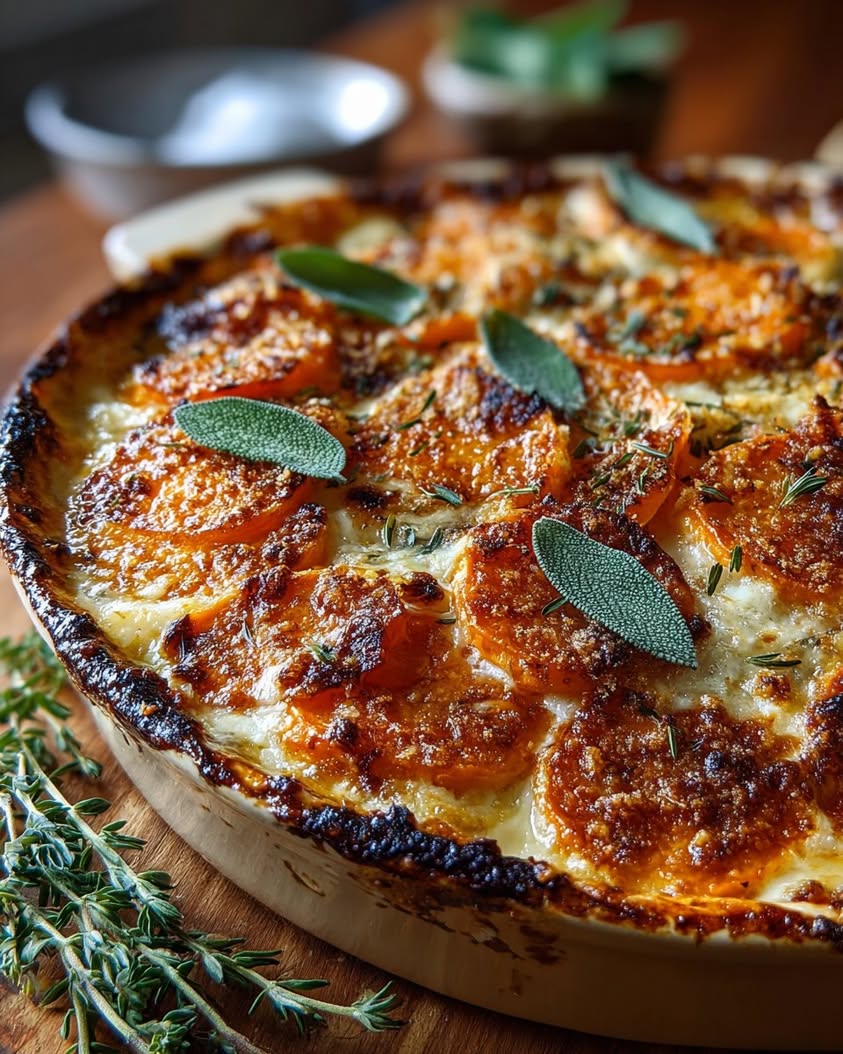
Sweet Potato and Sage Gratin with Parmesan Crust: The Ultimate Comfort Food Upgrade
Imagine a dish that perfectly captures the essence of fall and winter on a single plate. This Sweet Potato and Sage Gratin with Parmesan Crust is exactly that. It transforms humble root vegetables into a show-stopping side dish or a satisfying vegetarian main course. Moreover, it combines creamy, tender sweet potatoes with the earthy, aromatic punch of fresh sage, all under a golden, crispy Parmesan crust. Consequently, every bite delivers a symphony of textures and flavors that will have everyone asking for seconds.
This Sweet Potato Sage Parmesan Gratin Recipe is a fantastic alternative to traditional potato casseroles. It brings a natural sweetness and vibrant color to your holiday table or weeknight dinner. The process is straightforward, requiring simple layering and baking. Ultimately, the result is a decadent, comforting dish that feels special without demanding hours of complicated kitchen work. It is a reliable recipe that consistently delivers impressive results, making it a favorite for both novice and experienced cooks.
Furthermore, the beauty of this gratin lies in its versatility. You can prepare it ahead of time, pop it in the oven before guests arrive, and enjoy the incredible aroma that fills your home. The combination of rich cream, nutty cheese, and fragrant herbs elevates the sweet potatoes to new heights. This dish is a celebration of seasonal produce, showcasing how a few quality ingredients can create something truly memorable. Let’s dive into why this Sweet Potato and Sage Gratin with Parmesan Crust deserves a permanent spot in your recipe repertoire.
Quick Recipe Highlights
- Flavor Profile: This gratin masterfully balances the natural sweetness of roasted sweet potatoes with savory, earthy notes from fresh sage and garlic. The nutty, salty Parmesan crust adds a perfect umami finish that ties all the elements together beautifully.
- Texture: Expect a delightful contrast between the velvety, soft layers of sweet potato and the irresistibly crispy, golden-brown cheese topping. The cream mixture sets just enough to hold everything together without becoming soggy.
- Aroma: While baking, the fragrance of toasting Parmesan, caramelizing sweet potatoes, and warming sage will fill your kitchen with an unmistakably cozy and inviting scent that promises a delicious meal.
- Visual Appeal: The gratin presents stunning layers of orange and yellow sweet potatoes beneath a beautifully browned, bubbly crust. It’s a colorful and elegant dish that looks fantastic on any table.
- Skill Level Needed: This is an accessible recipe for all skill levels. The primary techniques involve simple slicing, layering, and baking. No advanced culinary skills are required for success.
- Special Equipment: A mandoline slicer is highly recommended for achieving uniformly thin sweet potato slices, which ensures even cooking. You will also need a sharp knife, a baking dish, and a mixing bowl.
Recipe Overview
- Difficulty Level: This Sweet Potato Sage Parmesan Gratin Recipe is rated easy. The steps are simple and sequential, involving basic prep work rather than complex techniques. The oven does most of the work, so active cooking time is minimal. Success is almost guaranteed with careful layering and timing.
- Category: This dish shines as a standout side dish for holiday feasts like Thanksgiving or Christmas dinner. It also works wonderfully as a hearty vegetarian main course when served with a simple green salad. Additionally, it’s perfect for potlucks and family gatherings.
- Cuisine: While gratins have French origins, this recipe leans into American comfort food with its use of sweet potatoes. It’s a modern, fusion-style dish that incorporates classic European technique with popular New World ingredients for a universally appealing result.
- Cost: The recipe is very cost-effective, especially during the fall and winter when sweet potatoes are in season. Parmesan and fresh sage are the only pricier components, but they are used in amounts that provide maximum flavor impact without breaking the bank.
- Season: This is an ideal autumn and winter recipe. Sweet potatoes are at their peak, and the warm, rich nature of the dish complements cooler weather perfectly. It brings warmth and brightness to the table during the darker months.
- Occasion: It is exceptionally suited for holidays, Sunday family dinners, and entertaining. Its make-ahead friendly nature and crowd-pleasing flavor profile make it a stress-free choice for hosting. It also elevates a simple weeknight meal.
Why You’ll Love This Recipe
First and foremost, the taste and texture of this Sweet Potato and Sage Gratin with Parmesan Crust are utterly irresistible. The sweet potatoes become meltingly tender and almost custard-like as they bake in the creamy sauce. Meanwhile, the top layer transforms into a crackly, cheesy crust that provides the perfect salty counterpoint. Each forkful delivers a complex harmony of sweet, savory, and herbal notes. The sage is not overpowering; instead, it infuses the cream with a subtle, woodsy fragrance that complements the potatoes beautifully. This dish satisfies cravings for both comfort and sophistication in a single bite.
From a practical standpoint, the convenience of this Sweet Potato Sage Parmesan Gratin Recipe is a major win. You can slice the sweet potatoes and prepare the cream mixture up to a day in advance. Then, simply assemble and bake when you’re ready. This makes it an ideal candidate for stress-free holiday cooking or easy entertaining. Furthermore, the baking time is mostly hands-off, allowing you to focus on other components of your meal. The recipe is also forgiving; slight variations in slice thickness or baking time still yield a delicious result. It’s designed to work reliably for home cooks.
Nutritionally, this gratin offers more than just empty calories. Sweet potatoes are a powerhouse of beta-carotene, which converts to vitamin A in the body and supports vision and immune health. They also provide a good amount of fiber and vitamin C. Using a combination of milk and cream keeps the dish rich but allows you to control the fat content. Parmesan cheese adds protein and calcium. When enjoyed as part of a balanced meal, this dish contributes valuable nutrients alongside its incredible flavor. It’s a way to indulge while still feeding your body well.
For social gatherings, this gratin is a guaranteed conversation starter. Its vibrant color and gorgeous presentation make it a centerpiece on the buffet table. It appeals to a wide range of palates, including vegetarians, and feels special enough for a celebration. Bringing this Sweet Potato and Sage Gratin with Parmesan Crust to a potluck ensures you’ll come home with an empty dish and requests for the recipe. It fosters a sense of warmth and sharing, embodying the spirit of communal dining. It’s a dish that people remember and request again.
Finally, the cost-effectiveness and accessibility of the ingredients make this a recipe you can turn to again and again. Sweet potatoes are an affordable vegetable available year-round. The other components—cream, milk, garlic, Parmesan—are common pantry or fridge staples. You don’t need any rare or expensive items to create something spectacular. This accessibility means you can enjoy restaurant-quality flavors at home without the restaurant price tag. It democratizes gourmet comfort food, proving that delicious, impressive cooking is within everyone’s reach.
Historical Background and Cultural Significance
The gratin, as a culinary technique, has its roots in French cuisine. The term “gratin” derives from the French word “gratter,” meaning “to scrape” or “grate,” referring to the browned crust that forms on top. Traditionally, a gratin involved a shallow dish of food topped with breadcrumbs, cheese, or butter and baked until golden. This method was a practical way to create a flavorful, textured topping that also helped insulate and cook the ingredients beneath. Classic French gratins often featured potatoes, known as Gratin Dauphinois. The adaptation to include sweet potatoes is a more modern, cross-cultural evolution.
Sweet potatoes themselves have a rich history originating in Central or South America, with evidence of cultivation dating back thousands of years. They were a staple food for indigenous peoples long before European contact. Following the Columbian Exchange, sweet potatoes spread across the globe, becoming integral to many cuisines, particularly in the American South and Asia. Their natural sweetness and versatility made them a favorite for both savory and sweet applications. Incorporating them into a European gratin format is a beautiful example of how food traditions merge and adapt over time and across continents.
The evolution of this specific recipe reflects contemporary cooking trends that prioritize vegetable-forward dishes and bold flavor combinations. The use of sage, a hardy herb associated with autumn and Thanksgiving in American culture, directly ties this Sweet Potato Sage Parmesan Gratin Recipe to seasonal holiday cooking. Parmesan cheese, while Italian, has become a global pantry staple for adding umami depth. This fusion creates a dish that feels both familiar and new. It respects the technique of the old-world gratin while celebrating the ingredients of the New World.
Regional variations of sweet potato casseroles abound, particularly in the United States. Some are topped with marshmallows or pecans for a decidedly sweet profile. This savory gratin with a Parmesan crust offers a sophisticated alternative that highlights the vegetable’s natural flavor rather than masking it with sugar. It represents a shift towards more nuanced side dishes that complement rather than compete with the main protein. This version has gained popularity for its elegant simplicity and its ability to bridge traditional and modern tastes on the holiday table.
Ingredient Deep Dive
Sweet Potatoes: Botanically distinct from yams, sweet potatoes are native to the Americas and are prized for their sweet, starchy flesh. They are an excellent source of beta-carotene, fiber, and vitamins B6 and C. When selecting sweet potatoes for this gratin, look for firm tubers with smooth, unblemished skin. Avoid any with soft spots, cracks, or signs of sprouting. Store them in a cool, dark, well-ventilated place—not in the refrigerator, as cold temperatures can alter their texture and flavor. For a different twist, you can substitute with a mix of sweet potatoes and Yukon Gold potatoes, or use garnet yams for a deeper orange color.
Fresh Sage: This aromatic, earthy herb is a cornerstone of fall and winter cooking. Its slightly peppery flavor with hints of lemon and eucalyptus mellows and becomes wonderfully fragrant when cooked. Sage has a long history of use in both culinary and medicinal contexts. For the best flavor in your Sweet Potato and Sage Gratin with Parmesan Crust, choose vibrant, firm green leaves without any wilting or brown edges. To store, wrap sage in a slightly damp paper towel and place it in a plastic bag in the refrigerator. If fresh sage is unavailable, you can use 1.5 teaspoons of dried rubbed sage, though the fresh herb’s flavor is superior.
Parmesan Cheese: Authentic Parmigiano-Reggiano, aged for at least 12 months, brings a complex nutty, salty, and umami-rich flavor that is irreplaceable. It grates into a fine powder that melts and browns into a perfect crust. Nutritionally, it is high in protein and calcium. Always buy a block of Parmesan and grate it yourself; pre-grated cheese contains anti-caking agents that prevent proper melting and browning. Store the block tightly wrapped in the refrigerator. For a different flavor, you could substitute with Pecorino Romano for a sharper, saltier note, or a mix of Parmesan and Gruyère for extra meltiness.
Heavy Cream & Whole Milk: The combination of cream and milk creates a luxurious sauce that is rich but not overly heavy. The milk helps to temper the fat content while still allowing the sauce to thicken and coat the potatoes. Heavy cream provides the necessary fat for a silky, cohesive texture. For a lighter version, you can use half-and-half in place of the cream, though the final texture will be slightly less indulgent. Ensure your dairy is fresh and cold when you begin. This mixture, infused with garlic and sage, is what transforms the sliced potatoes into a cohesive, creamy gratin.
Common Mistakes to Avoid
- Uneven Potato Slices: Slices that are too thick will not cook through properly, while slices that are too thin may turn to mush. Using a mandoline ensures consistent, 1/8-inch thick slices for even layering and perfect texture. If slicing by hand, take your time to keep them as uniform as possible.
- Not Infusing the Cream: Simply pouring cold cream over the potatoes misses a key flavor opportunity. Gently warming the cream with garlic and sage is essential. This step blooms the herb’s oils and mellows the garlic, creating a deeply flavored base for the entire dish.
- Using Pre-Grated Cheese: Pre-grated Parmesan contains cellulose to prevent clumping. This additive inhibits melting and can result in a grainy, less cohesive crust. For the best golden crust in your Sweet Potato Sage Parmesan Gratin Recipe, always grate a block of cheese fresh.
- Overcrowding the Dish: Forcing too many potato slices into the baking dish prevents the cream from circulating and can lead to uneven cooking. The layers should fit snugly but not be jammed tight. A 9×13 inch dish is ideal for this quantity.
- Skipping the Rest Time: Pulling the gratin from the oven and serving it immediately will cause it to be too loose. Allowing it to rest for 10-15 minutes lets the creamy sauce set slightly, making it easier to slice and serve neat portions.
- Underseasoning the Layers: Sweet potatoes need a good amount of seasoning. Be generous with salt and pepper between the layers, not just on top. Seasoning each layer ensures the flavor penetrates throughout the entire gratin.
- Baking at the Wrong Temperature: A temperature that is too low will steam the potatoes instead of browning the top. Conversely, too high a heat can cause the cream to curdle or the top to burn before the potatoes are tender. 375°F (190°C) is the sweet spot.
- Not Testing for Doneness: Relying solely on time can be misleading. Ovens vary. Always test by piercing the center with a sharp knife. The potatoes should offer no resistance. If they are still firm, cover with foil and bake a little longer.
Essential Techniques
Infusing the Cream: This technique involves gently heating the cream and milk with aromatics like garlic and sage. The goal is not to boil the mixture but to steep it, allowing the fat in the dairy to absorb the flavors. This creates a profoundly flavored liquid that seasons the gratin from within. To master it, use low heat and watch for small bubbles around the edge of the pan—this is a “scald.” Remove it from the heat just then and let it sit for 10-15 minutes. A common pitfall is letting it boil, which can cause the dairy to separate or develop a “skin.”
Layering for Success: Proper layering is what gives a gratin its signature structure and ensures even cooking. Start with a thin layer of the cream mixture in the bottom of the dish to prevent sticking. Then, arrange sweet potato slices in slightly overlapping rows, like shingles on a roof. Season this layer lightly with salt and pepper. Repeat the process, pouring a portion of the cream over each new layer. The final layer should be neatly arranged, as it will be visible under the cheese crust. This method distributes moisture and seasoning evenly, preventing dry spots.
Creating the Perfect Crust: The Parmesan crust is the crowning glory of this Sweet Potato and Sage Gratin with Parmesan Crust. The key is an even, generous sprinkling of freshly grated cheese over the top layer. As the gratin bakes, the cheese melts, fuses, and then dehydrates and browns. For optimal browning, place the dish in the upper third of the oven where the heat is more direct. If the top is browning too quickly before the potatoes are tender, tent it loosely with aluminum foil. The visual cue for success is a deep golden-brown color with some darker, crispy spots.
Pro Tips for Perfect Sweet Potato and Sage Gratin
For the most beautiful layers, alternate rows of orange sweet potatoes with white sweet potatoes or standard Yukon Gold potatoes. This creates a stunning visual stripe effect when sliced. Additionally, let the infused cream cool slightly before assembling. Pouring very hot cream over the potatoes can start cooking them prematurely, leading to uneven textures.
To prevent a soggy bottom, you can lightly butter your baking dish or give it a quick spray with cooking oil. Also, consider sprinkling a thin layer of the grated Parmesan on the very bottom layer before adding potatoes; it creates a delicious, slightly crispy base.
If your sweet potatoes are very starchy, you can rinse the sliced potatoes in cold water and pat them thoroughly dry with kitchen towels. This removes excess surface starch, which can make the gratin gluey. However, this step is optional and not always necessary.
For an extra flavor boost, add a pinch of freshly grated nutmeg to the cream mixture. Nutmeg is a classic pairing with creamy sauces and adds a warm, subtle complexity that complements the sage beautifully. A little goes a long way.
Use the tip of a sharp knife to check for doneness. It should glide through the center potato layers with no resistance. If you feel any hard spots, the gratin needs more time. Covering with foil at this stage will prevent further browning while the center finishes cooking.
Let the gratin rest after baking. This crucial 10-15 minute period allows the creamy sauce to thicken and set. Serving it straight from the oven will result in a delicious but soupy presentation. The resting time ensures clean, beautiful slices.
For maximum crispness on top, you can finish the gratin under the broiler for 1-2 minutes at the very end. Watch it like a hawk to prevent burning. This trick is perfect if the top is golden but not as crispy as you’d like.
If making ahead, assemble the gratin completely but do not bake it. Cover tightly and refrigerate for up to 24 hours. When ready to bake, let it sit at room temperature for 30 minutes before putting it in the oven. You may need to add 5-10 minutes to the baking time.
Variations and Adaptations
Regional Variations: In the American South, a similar dish might include a crunchy pecan streusel topping instead of Parmesan. A French-inspired version could use Gruyère or Comté cheese and thyme instead of sage. For an Italian twist, add layers of sautéed spinach or kale and use a blend of fontina and Parmesan cheeses. These adaptations show how the core concept of a layered potato bake can travel across culinary borders.
Seasonal Adaptations: In spring, try using a mix of sweet potatoes and thinly sliced fennel bulb, using fresh dill or chives in the cream. For summer, a lighter version with zucchini, yellow squash, and sweet potatoes with basil is refreshing. The autumn version with sage is classic, and in deep winter, adding a layer of caramelized onions or roasted garlic cloves adds wonderful depth.
Dietary Modifications: For a gluten-free diet, this Sweet Potato Sage Parmesan Gratin Recipe is naturally perfect as written. To make it dairy-free, use full-fat canned coconut milk and a vegan Parmesan alternative. For a vegan version, use plant-based milk and cream, nutritional yeast in the sauce, and a vegan cheese shred for the top. A lower-carb option might use a mix of sweet potato and cauliflower slices.
Flavor Variations: Experiment with different herbs. Rosemary or thyme can stand in for sage. Add a teaspoon of smoked paprika or a dash of cayenne pepper to the cream for a smoky or spicy kick. Incorporating a layer of crispy pancetta or bacon between the potato layers adds a salty, meaty element that is incredibly popular.
Texture Modifications: For a more substantial crust, mix the grated Parmesan with Panko breadcrumbs before sprinkling over the top. For an ultra-creamy, almost custard-like interior, increase the ratio of heavy cream to milk. If you prefer distinct potato layers with less sauce, reduce the total amount of cream mixture by about a quarter cup.
Presentation Alternatives: Instead of a large baking dish, assemble individual gratins in ramekins for a personalized, elegant presentation. You can also layer the ingredients in a cast-iron skillet and bring it straight to the table. For a free-form “galette” style, layer the slices in a circular pattern on a parchment-lined baking sheet, topping with cheese, and bake until crisp.
Serving and Presentation Guide
Plating Techniques: For a family-style meal, place the baking dish directly on the table with a serving spoon. For individual plates, use a wide, shallow spatula to lift out a full portion, keeping the layers intact. Wipe the edge of the plate clean for a professional look. If the gratin has set well, you can use a sharp knife to cut clean squares or rectangles before transferring.
Garnishing Ideas: A simple garnish elevates the visual appeal. A few fresh sage leaves fried in butter until crisp make a beautiful and flavorful topping. A light sprinkle of flaky sea salt or cracked black pepper over the sliced portions adds texture. A drizzle of high-quality balsamic glaze or a spoonful of sage-infused oil around the plate creates a restaurant-worthy presentation.
Traditional Accompaniments: This gratin is a classic partner for roasted meats. Serve it alongside herb-roasted turkey, prime rib, baked ham, or roast chicken. The creamy, sweet-savory flavors complement the richness of the meat perfectly. For a vegetarian feast, pair it with a hearty lentil loaf, stuffed mushrooms, or roasted Brussels sprouts.
Modern Serving Suggestions: Consider it as a brunch dish alongside poached eggs and a bitter greens salad. For a lighter meal, serve a smaller portion atop a large bed of arugula dressed with lemon vinaigrette. The warm gratin will slightly wilt the greens, creating a wonderful warm salad experience.
Temperature Considerations: This Sweet Potato and Sage Gratin with Parmesan Crust is best served warm. It can be served hot from the oven after its brief rest, or at room temperature. It is not ideal served cold from the refrigerator, as the fats in the cream and cheese will solidify. Always reheat leftovers gently until warmed through.
Portion Control Tips: As a rich side dish, a 3×4 inch portion (about the size of a deck of cards) is standard. As a vegetarian main course, aim for a 4×6 inch portion. Using a smaller baking dish will naturally yield taller, more compact portions, while a larger dish creates a thinner gratin with more servings.
Wine and Beverage Pairing
Wine Pairings: The sweet, earthy, and creamy elements of this gratin call for wines with good acidity to cut through the richness. A white wine like an oaked Chardonnay with its buttery notes complements the dish beautifully. Alternatively, a medium-bodied Pinot Noir with its red fruit and earthy character is an excellent red choice. For a festive pairing, a dry Riesling or a sparkling wine like Crémant offers a refreshing contrast.
Non-Alcoholic Alternatives: Sparkling apple cider is a fantastic pairing, as its sweetness and bubbles mirror those of Champagne but without alcohol. A tart cranberry spritzer made with unsweetened cranberry juice, club soda, and a twist of orange also works well. For a warmer option, a sage-infused tea or a chai latte picks up on the herbal notes in the gratin.
Coffee and Tea Pairings: After a meal featuring this gratin, a cup of coffee with mild, nutty notes is pleasant. A medium-roast coffee from Central America would be ideal. For tea, consider an Earl Grey, whose bergamot citrus notes provide a nice palate cleanser, or a simple chamomile tea for its soothing, herbal quality.
Temperature Considerations: Serve white wines and sparkling beverages well-chilled, between 45-50°F. Red wines like Pinot Noir should be served slightly cool, around 55°F. Non-alcoholic spritzers should be ice-cold. Warm beverages like tea or coffee should be served hot to provide a comforting contrast to the warm food.
Serving Suggestions: Always offer water alongside any other beverage to cleanse the palate. If serving wine, pour a taste first to ensure it’s to your liking before filling glasses for the table. For a cohesive experience, you can even add a fresh sage leaf as a garnish to cocktails or non-alcoholic drinks.
Storage and Shelf Life
Storage Methods: Allow any leftover Sweet Potato Sage Parmesan Gratin to cool completely to room temperature. Do not leave it out for more than two hours. Transfer the leftovers to an airtight container, or cover the baking dish tightly with plastic wrap or aluminum foil. Proper storage is key to maintaining quality and safety.
Temperature Requirements: This dish must be stored in the refrigerator at 40°F or below. The creamy dairy base is perishable and can harbor bacteria if left at room temperature. The gratin will keep safely in the refrigerator for 3-4 days. Always use your nose and eyes to check for signs of spoilage before consuming leftovers.
Container Recommendations: A shallow, airtight glass container is ideal, as it allows for quick chilling and easy reheating. If storing in the original baking dish, ensure the wrap is very tight to prevent the gratin from absorbing other refrigerator odors. You can also portion it into individual containers for easy grab-and-go lunches.
Signs of Spoilage: Discard the gratin if you notice an off or sour smell, significant liquid separation that wasn’t there before, or any visible mold growth. A change in texture to an unpleasantly slimy feel is also a clear indicator that it should not be consumed.
Reheating Instructions: For best results, reheat portions in a 350°F oven until warmed through, about 15-20 minutes. You can cover it with foil to prevent further browning. For a single serving, the microwave works in a pinch—use medium power and reheat in 30-second intervals, stirring gently if possible, to avoid overheating and separation.
Freezing Guidelines: Freezing is possible but not highly recommended, as the creamy sauce may separate and the potato texture can become watery upon thawing. If you must freeze, wrap individual portions tightly in plastic wrap and then foil. Thaw in the refrigerator overnight and reheat in the oven. Expect some textural changes.
Make Ahead Strategies
Prep Timeline: You can prepare this Sweet Potato and Sage Gratin with Parmesan Crust up to 24 hours in advance. The ideal timeline is to slice the sweet potatoes and make the infused cream mixture the day before. Store the sliced potatoes submerged in cold water in the refrigerator to prevent browning. Keep the cream mixture in a separate sealed container in the fridge.
Storage Between Steps: Storing the components separately is crucial for maintaining texture. The water bath keeps the potatoes from oxidizing and drying out. The chilled cream may thicken; this is normal. Let both components sit at room temperature for about 20-30 minutes before assembling to take the chill off, which promotes more even baking.
Quality Impact Assessment: Making this gratin ahead and refrigerating it unbaked has minimal impact on final quality. In fact, it can improve the dish by allowing the flavors to meld. The key is to ensure the potatoes are well-drained and patted very dry before layering to avoid excess water diluting the sauce.
Assembly Tips: When ready to assemble, drain the potato slices and pat them thoroughly dry with clean kitchen towels or paper towels. This step is non-negotiable for a non-watery gratin. Then, proceed with layering in your baking dish as directed. You may need to add a few extra minutes to the baking time since you’re starting with a cold dish.
Reheating Guidelines: If you have a fully baked gratin to reheat, cover it with foil and warm in a 325°F oven for 20-25 minutes, or until hot throughout. For a crisper top, remove the foil for the last 5-10 minutes. Avoid reheating in the microwave for large portions, as it can make the texture uneven.
Fresh Element Additions: If making ahead, add the final layer of Parmesan cheese just before baking, not before refrigeration. This ensures the crust will be fresh and crisp. You can also garnish with fresh herbs like extra sage or parsley after reheating to add a bright, fresh note to the finished dish.
Scaling Instructions
Halving the Recipe: To serve a smaller household, simply divide all ingredient quantities by two. Use an 8×8 inch or a 9-inch round baking dish. The baking time may be slightly reduced; start checking for doneness around the 35-minute mark. The principles of layering and infusion remain exactly the same, ensuring your smaller Sweet Potato Sage Parmesan Gratin Recipe is just as successful.
Doubling or Tripling: For a large crowd, double or triple the ingredients. Use two or three separate 9×13 inch dishes, or one very large roasting pan. It is crucial to increase the baking time significantly. A doubled recipe in a deeper dish may need 70-90 minutes. Use a knife to test the center for doneness, and rotate the dish(es) in the oven halfway through for even cooking.
Equipment Adjustments: Scaling up requires matching your dish size to the volume. A dish that is too small will overflow; one that is too large will result in a thin, dry gratin. As a rule, the layered potatoes should fill the dish by about three-quarters. If doubling, using two standard dishes is often easier than finding one giant one and ensures more consistent results.
Timing Modifications: Prep time scales linearly—double the ingredients, double your prep time. Baking time does not double; it increases by about 50% for a doubled recipe in a deeper dish. The best indicator is always the tenderness of the potatoes in the center. Cover with foil if the top browns too quickly while the interior finishes cooking.
Storage Considerations: A larger batch means more potential leftovers. Plan your storage containers in advance. Consider if you want to freeze portions. Baking in two separate dishes has an advantage here: you can bake one for now and freeze the other unbaked for later (though note freezing guidelines).
Nutritional Deep Dive
Macro Breakdown: A serving of this gratin provides a balance of carbohydrates from the sweet potatoes, fats from the cream, milk, and cheese, and a modest amount of protein primarily from the dairy. The exact values depend on specific brands and portion size, but it is an energy-dense dish perfect for a side or main in a balanced meal. The fats contribute to satiety and carry the fat-soluble vitamins present in the sweet potatoes.
Micronutrient Analysis: Sweet potatoes are the star here, offering a massive dose of vitamin A (as beta-carotene), vital for eye health and immunity. They also provide vitamin C, B6, potassium, and manganese. Parmesan cheese adds calcium and phosphorus for bone health. The sage contributes small amounts of vitamin K and various antioxidants. Together, they make this more than just a comfort food—it’s a nutrient-rich choice.
Health Benefits: The beta-carotene in sweet potatoes is a powerful antioxidant that helps combat oxidative stress. The fiber promotes digestive health and helps regulate blood sugar spikes. The calcium supports bone density. The herbs and spices offer anti-inflammatory compounds. When enjoyed in moderation as part of a varied diet, this gratin supports overall wellness.
Dietary Considerations: This dish is naturally gluten-free. It is vegetarian but not vegan due to the dairy and cheese. It is not suitable for a strict paleo or keto diet due to the carb content of the potatoes and the dairy. Those with lactose intolerance may need to use lactose-free dairy products or seek alternatives.
Portion Analysis: Mindful portion control allows you to enjoy this rich dish without overindulgence. As a side, a serving is roughly one cup. As a main, 1.5 to 2 cups is appropriate. Pairing it with a large green salad or lean protein can create a more balanced plate and help manage overall calorie intake for the meal.
Weight Management Tips: To lighten the dish for weight management, you can use half-and-half instead of heavy cream and low-fat milk. Increase the ratio of sweet potatoes to cream slightly. Remember, the portion size is the most significant factor. Enjoying a reasonable portion as part of a calorie-controlled diet is perfectly compatible with health goals.
Dietary Adaptations
Gluten-Free: This Sweet Potato and Sage Gratin with Parmesan Crust is naturally gluten-free as written. Always double-check that your Parmesan cheese is certified gluten-free, as some pre-grated brands may use anti-caking agents derived from wheat. No other modifications are needed for a safe and delicious gluten-free version.
Dairy-Free: Replace the heavy cream and whole milk with full-fat canned coconut milk. Use a high-quality, meltable vegan Parmesan cheese alternative for the topping. For the infused cream step, gently heat the coconut milk with garlic and sage. The result will be rich and creamy with a subtle coconut flavor that pairs surprisingly well with sweet potatoes.
Vegan: Follow the dairy-free adaptations above. To add cheesy flavor to the sauce, blend 2-3 tablespoons of nutritional yeast into the coconut milk during the infusion step. Ensure your vegan Parmesan alternative is free of animal products. The gratin will still brown and create a lovely crust with the right vegan cheese.
Low-Carb/Keto{“success”:true,”message”:”Recipe created successfully”,”post_id”:9129,”tasty_recipe_id”:9129,”shortcode”:”“}

I’m Billy, a classically trained culinary school graduate from The Culinary Institute of America with over 12 years in the restaurant industry and over 19 years of cooking experience.