
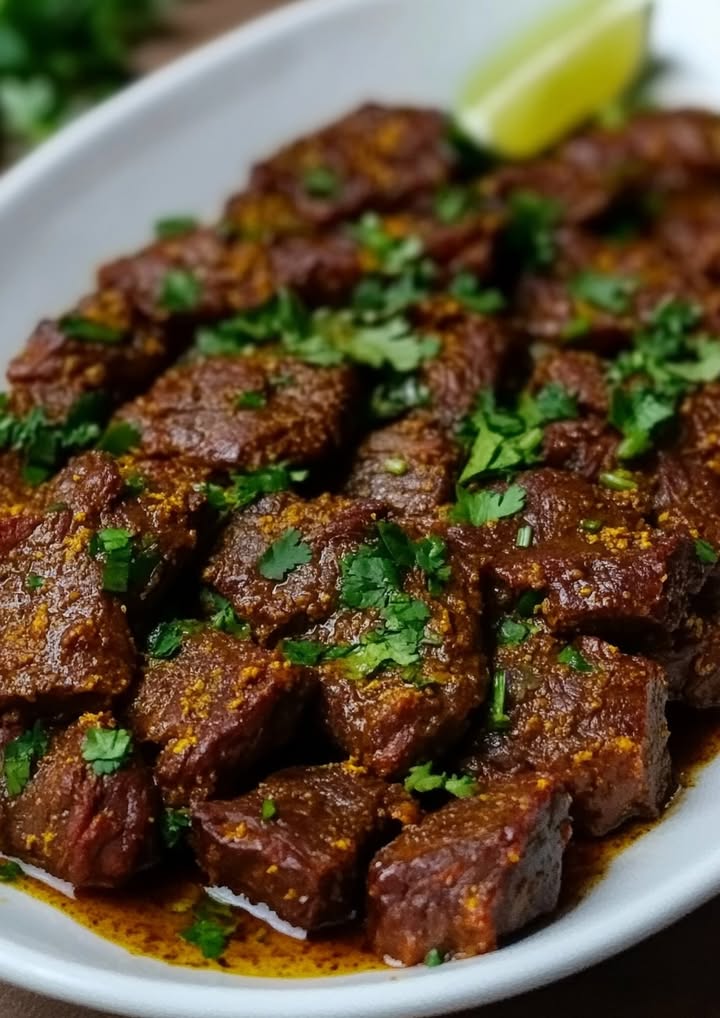
Traditional Myanmar-Style Marinated Beef with Aromatic Spices: A Journey into Burmese Flavor
Welcome to a culinary adventure that brings the vibrant heart of Myanmar to your kitchen. This authentic Myanmar-style marinated beef recipe is a celebration of bold, aromatic spices and tender, flavorful meat. Moreover, it offers a perfect introduction to Burmese cuisine, which masterfully balances savory, sweet, sour, and spicy notes. Consequently, this dish is not just a meal but an experience, promising to transport your senses to the bustling markets of Yangon with every bite.
The secret to this incredible flavor lies in the marinade, a complex paste of toasted spices, fresh aromatics, and savory elements. This traditional Myanmar-style marinated beef recipe requires a bit of patience for the flavors to meld, but the result is absolutely worth it. Ultimately, you will create a dish that is deeply savory, wonderfully fragrant, and surprisingly easy to execute once you have your ingredients prepped. Let’s dive into the world of Burmese cooking and unlock the magic of these aromatic spices.
Quick Recipe Highlights
- Flavor Profile: This dish delivers a robust, savory base from fish sauce and soy, beautifully balanced by the earthy warmth of turmeric and coriander. Additionally, a subtle heat from chili builds slowly, while a touch of sugar rounds out the flavor perfectly.
- Texture: The beef becomes incredibly tender and juicy from the marinating process, then develops a deliciously caramelized, slightly charred exterior when cooked over high heat. The final texture is succulent and satisfying with every bite.
- Aroma: Toasting the whole spices like cumin and coriander seeds releases their essential oils, creating an intoxicating, warm fragrance. This foundational aroma is then layered with the fresh scents of garlic, ginger, and shallot for a truly captivating smell.
- Visual Appeal: The turmeric gives the meat a beautiful golden-yellow hue, while the high-heat cooking creates appetizing dark brown sear marks. Typically served with fresh herbs and lime wedges, the final plate is a vibrant and colorful feast for the eyes.
- Skill Level Needed: This recipe is accessible to confident home cooks. The techniques involve simple knife work for chopping, toasting and grinding spices, and high-heat searing or grilling. Therefore, it’s a great project for anyone looking to expand their international cooking repertoire.
- Special Equipment: A spice grinder or mortar and pestle is essential for creating the fresh spice powder. Additionally, a heavy-bottomed skillet, grill pan, or outdoor grill is necessary to achieve the perfect sear on the marinated beef.
Recipe Overview
- Difficulty Level: We rate this recipe as intermediate. While the steps are straightforward, success hinges on properly toasting and grinding whole spices to build the flavor base. Furthermore, achieving the perfect sear on the marinated beef without burning the sugars in the marinade requires attentive heat management.
- Category: This dish fits beautifully as a main course for dinner. It can also be served as part of a larger Burmese-inspired feast alongside rice, salads, and vegetable dishes. Alternatively, slice it thinly and serve as a stunning appetizer or part of a shared table.
- Cuisine: This is a quintessential example of Burmese cuisine, which sits at a fascinating crossroads between the flavors of India, China, and Thailand. The use of a dry spice paste marinade shows Indian influence, while the combination of soy and fish sauce reflects Southeast Asian culinary traditions.
- Cost: The recipe is moderately priced, with the main cost being a good cut of beef like sirloin or flank steak. The spices are an initial investment but will last for many other dishes. Overall, it provides restaurant-quality flavor for a fraction of the cost of dining out.
- Season: This aromatic and hearty dish is fantastic year-round. It’s perfect for summer grilling outdoors or for bringing warmth to your kitchen during cooler months. The bright, fresh accompaniments like herbs and lime make it feel light even when the weather is warm.
- Occasion: This traditional Myanmar-style marinated beef is ideal for weekend family dinners, casual entertaining with friends, or special cultural-themed meals. It’s impressive enough for guests yet simple enough for a rewarding weeknight cooking project.
Why You’ll Love This Recipe
First and foremost, the taste and texture of this dish are utterly unforgettable. The marinade penetrates deep into the beef, ensuring every single piece is packed with flavor, from the first bite to the last. The combination of savory, sweet, and spicy elements creates a complex taste profile that is both exciting and deeply satisfying. Additionally, the contrast between the tender interior and the slightly crispy, caramelized exterior provides a mouthfeel that keeps you coming back for more. This is not a bland or one-note dish; it’s a symphony of Burmese flavors that will make your taste buds sing.
From a convenience standpoint, this recipe offers significant benefits. While the marinating time is crucial, the active prep time is relatively short and can be done ahead of time. You can easily prepare the spice paste and marinate the beef in the morning for a quick, spectacular dinner in the evening. Furthermore, the cooking process itself is fast, taking only minutes in a hot pan or on the grill. This makes the traditional Myanmar-style marinated beef an excellent choice for busy cooks who still want to serve an impressive, from-scratch meal without spending hours in the kitchen.
Nutritionally, this dish is a great source of high-quality protein from the lean beef. The spices themselves, particularly turmeric and ginger, are renowned for their anti-inflammatory and antioxidant properties. Using a controlled amount of oil for cooking and relying on spices for flavor instead of heavy sauces also keeps the dish relatively light. When served with a large portion of steamed rice and a side of vegetables, it becomes a balanced meal that fuels your body while delighting your palate.
The social and entertaining value of this recipe is exceptionally high. Food has a unique power to bring people together, and serving a dish from another culture sparks conversation and shared experience. Presenting a platter of this beautifully seared, aromatic beef is guaranteed to draw compliments and curiosity from your guests. It’s a conversation starter, a way to share a piece of Myanmar’s rich culinary heritage, and a guaranteed crowd-pleaser that will have everyone asking for the recipe.
Finally, this recipe is remarkably cost-effective and accessible. You can achieve restaurant-quality Burmese food at home for a fraction of the price. While some spices might be new to your pantry, they are a one-time investment that opens the door to countless other global recipes. The core technique of marinating and quick-cooking is universal, and the ingredients can often be found in well-stocked supermarkets or Asian grocery stores. This traditional Myanmar-style marinated beef proves that exotic, incredible flavor doesn’t have to be expensive or out of reach.
Historical Background and Cultural Significance
The origins of this dish are deeply rooted in Myanmar’s long history as a cultural and trade crossroads. For centuries, merchants traveling the Silk Road and spice routes brought new ingredients and techniques into the region. Consequently, Burmese cuisine evolved as a unique fusion, and this marinated beef recipe is a perfect example. The use of dry spice blends points to influence from Indian Mughlai cooking, while the quick searing technique and use of fresh aromatics like ginger and garlic show a Chinese culinary hand. This dish represents the beautiful synthesis that defines Myanmar’s food culture.
In Myanmar, food is central to community and family life. Dishes like this marinated beef are often prepared for shared meals, festivals, and special occasions. The process of toasting and grinding spices together is sometimes a communal activity, filling the home with anticipation and warmth. Serving this protein-rich dish signifies hospitality and generosity. It’s commonly part of a “hint” or curry spread, accompanied by rice, a sour soup, a fresh salad, and various condiments, allowing each diner to create their perfect balance of flavors on one plate.
The recipe has evolved over time with the availability of ingredients. Traditionally, a stone mortar and pestle would be used to create an ultra-fine paste, releasing maximum flavor. While modern cooks might use a blender or food processor, the goal remains the same: to create a deeply infused marinade. The choice of beef also reflects modern times; historically, meat was a luxury, and such a dish might have been made with tougher cuts that benefited immensely from the tenderizing marinade, often cooked slowly rather than quickly seared.
Regional variations of this recipe exist across Myanmar. In the drier central regions, you might find a heavier hand with the chili and dried spices. Conversely, in coastal areas, a splash of coconut milk might be added to the marinade for richness, or a bit of tamarind paste could introduce a sour note. Some versions use lemongrass or kaffir lime leaf for a brighter, more citrusy aroma. Exploring these variations is part of the joy of Burmese cooking, allowing you to tailor this traditional Myanmar-style marinated beef to your own taste preferences while staying true to its spirit.
Ingredient Deep Dive
Beef Sirloin or Flank Steak is the ideal canvas for this recipe. Sirloin offers great flavor and tenderness, while flank steak has a robust, beefy taste and beautiful grain that soaks up marinade wonderfully. Both cuts benefit from being sliced against the grain after cooking, ensuring each piece is tender. Nutritionally, beef is an excellent source of complete protein, iron, zinc, and B vitamins. When selecting your beef, look for bright red color with fine marbling. For the best texture, pat the meat dry before marinating and let it come to room temperature for 20 minutes before cooking.
Turmeric is the golden heart of this dish, providing vibrant color and earthy flavor. This rhizome has been used in Asian cooking and medicine for thousands of years. In Myanmar, it’s a staple in almost every curry and marinade. Fresh turmeric can be used, but ground turmeric is more common and convenient. It contains the active compound curcumin, known for its potent anti-inflammatory and antioxidant properties. When purchasing ground turmeric, seek out a reputable brand for the brightest color and flavor. Store it in a cool, dark place to preserve its potency.
Fish Sauce is the umami powerhouse. This fermented condiment, made from anchovies and salt, is fundamental to Southeast Asian cuisine. It provides a deep, savory salinity that soy sauce alone cannot replicate. Don’t be afraid of its pungent smell in the bottle; it mellows and transforms beautifully when cooked. A good quality fish sauce should have a clear, amber color and a list of ingredients that includes only fish and salt. It’s a source of protein and minerals from the fermentation process. For a vegetarian alternative, you can use a combination of soy sauce and mushroom seasoning, though the flavor profile will shift.
Shallots, Garlic, and Ginger form the aromatic trinity. In Myanmar, shallots are often preferred over onions for their milder, sweeter flavor. They caramelize beautifully in the marinade when cooked. Garlic adds its characteristic pungent warmth, while fresh ginger provides a sharp, clean heat and aids digestion. Together, they create a fragrant base that is essential to the dish’s complexity. Always use fresh garlic and ginger for the brightest flavor. To prepare, peel the ginger with a spoon and mince it finely alongside the garlic and shallots to ensure they integrate seamlessly into the spice paste.
Common Mistakes to Avoid
- Not Toasting the Whole Spices: Skipping the toasting step for the cumin and coriander seeds is a major error. Toasting unlocks their essential oils and deep, nutty flavors. Without it, your spice paste will taste raw and flat. Always toast in a dry pan over medium heat until fragrant.
- Marinating for Too Short a Time: The beef needs time to absorb the flavors and tenderize. Marinating for less than 2 hours, or just 30 minutes, won’t allow the spices and acids to penetrate. For best results, aim for at least 4 hours, or ideally overnight in the refrigerator.
- Using Pre-Ground Spices Exclusively: While ground turmeric and chili powder are fine, for the cumin and coriander, starting with whole seeds and grinding them yourself makes a world of difference. Pre-ground spices lose their potency quickly and lack the aromatic punch of freshly ground.
- Overcrowding the Pan During Cooking: To get a proper sear with caramelization, you need space. If you dump all the beef into a small pan, it will steam and boil in its own juices instead of searing. Cook in batches if necessary to ensure each piece has contact with the hot surface.
- Not Slicing Against the Grain: This is crucial for tenderness, especially with flank steak. Identify the direction of the muscle fibers and cut perpendicular to them. This shortens the fibers, making the meat much easier to chew and more enjoyable to eat.
- Skipping the Resting Time: After cooking, let the beef rest for 5-10 minutes before slicing. This allows the juices, which have been driven to the center by the heat, to redistribute throughout the meat. Slicing immediately will cause all those flavorful juices to run out onto the cutting board.
- Using the Wrong Cut of Beef: Very lean cuts like filet mignon can dry out, while very tough cuts like chuck need slow cooking. Stick with sirloin, flank, skirt, or hanger steak for the perfect balance of flavor, tenderness, and suitability for quick, high-heat cooking.
- Not Adjusting for Sugar Burn: The marinade contains sugar, which can burn easily over high heat. If you see black spots forming too quickly, reduce the heat slightly. The goal is a deep brown caramelization, not a bitter char.
Essential Techniques
Toasting and Grinding Whole Spices is the foundational technique for building flavor. Begin by heating a dry skillet over medium heat. Add the cumin and coriander seeds and toast them, shaking the pan frequently, for 1-2 minutes until they darken slightly and become incredibly fragrant. Immediately transfer them to a plate to cool; leaving them in the hot pan can cause them to burn. Once cool, grind them to a fine powder using a dedicated spice grinder or mortar and pestle. This process releases volatile oils and transforms the spices from raw and harsh to warm, complex, and deeply aromatic, forming the soul of your traditional Myanmar-style marinated beef.
Creating the Aromatic Paste is where the magic happens. After grinding your toasted spices, combine them with the turmeric, chili powder, minced shallot, garlic, ginger, fish sauce, soy sauce, and oil in a food processor or blender. Pulse until a coarse, vibrant paste forms. The goal is to break down the fibrous shallot, garlic, and ginger completely so they can coat the beef evenly. If the mixture is too thick and isn’t blending, you can add a teaspoon of water to help it along. This paste is not just a coating; it’s a penetrating marinade that will flavor the meat from the inside out.
High-Heat Searing is critical for texture development. Heat your skillet, grill pan, or outdoor grill until it is very hot. A drop of water should skitter and evaporate instantly. Add the marinated beef in a single layer, leaving space between pieces. Do not move the meat for the first 1-2 minutes; this allows a proper crust, known as the Maillard reaction, to form. Then, flip and cook the other side. This technique locks in juices and creates those desirable caramelized, slightly charred edges that contrast with the tender interior. It’s a fast process, so stay attentive.
Pro Tips for Perfect Traditional Myanmar-Style Marinated Beef
For an even more tender result, you can add a tablespoon of plain yogurt or a few slices of crushed pineapple to the marinade. The natural enzymes help break down muscle fibers. Remember to pat the beef thoroughly dry with paper towels before adding the marinade; this helps the paste stick better. When cooking, use a neutral oil with a high smoke point, like avocado or grapeseed oil, to prevent burning. If grilling, lightly oil the grates to ensure the beef doesn’t stick and tear. Finally, garnish generously with fresh cilantro and a squeeze of lime right before serving to add a burst of freshness that cuts through the rich spices.
Consider doubling the marinade recipe and freezing half for future use; it’s a fantastic time-saver. Always taste your marinade before adding the beef; it should be boldly flavorful, as the meat will dilute it slightly. If cooking indoors, turn on your exhaust fan, as searing the marinated beef can create some aromatic smoke. Let the cooked beef rest on a cutting board or warm plate, not on a cold surface, to maintain its temperature. For serving, warm your plates slightly so the dish stays hot longer at the table. These small steps elevate your final result from good to extraordinary.
Variations and Adaptations
For regional variations, explore adding a teaspoon of shrimp paste to the marinade for an even deeper umami kick, common in some Burmese households. Alternatively, for a hint of sweetness and color, blend in a tablespoon of grated palm sugar. If you enjoy herbal notes, include a finely chopped stalk of lemongrass or a few shredded kaffir lime leaves in the food processor when making the paste. These adaptations keep the dish authentic while allowing you to explore the diversity within Burmese cuisine itself.
Seasonal adaptations are simple and effective. In summer, cook the beef on an outdoor grill for a smoky flavor and serve it with a cooling cucumber salad. In winter, after searing, you can add a splash of coconut milk and a bit of broth to the pan, letting the beef simmer briefly to create a rich, saucy curry perfect for spooning over rice. For dietary modifications, use tamari instead of soy sauce for a gluten-free version. To make it vegetarian, substitute the beef with thick slices of portobello mushrooms or extra-firm pressed tofu, and use a vegetarian “fish” sauce or more soy sauce.
Serving and Presentation Guide
Plating this dish beautifully enhances the experience. Traditionally, it is served family-style on a large platter. Slice the rested beef against the grain and fan the slices out attractively. Drizzle any resting juices from the cutting board over the top. For garnish, a generous scattering of fresh cilantro leaves and thinly sliced red onion or shallot adds color and crunch. Place lime or lemon wedges on the side for guests to add a bright, acidic touch to their liking. This simple, vibrant presentation is authentic and inviting.
For accompaniments, steamed jasmine rice is the essential foundation. To round out the meal, consider traditional Burmese sides like a tart ginger salad, a light lentil soup, or simply some stir-fried greens with garlic. For a modern twist, serve the beef in lettuce cups for a hands-on appetizer, or slice it thinly over a bowl of rice noodles with herbs for a deconstructed noodle salad. Always serve the dish hot, immediately after slicing, to enjoy the contrast between the seared exterior and juicy interior. Portion control is easy; plan for about 6 ounces of raw beef per person for a main course serving.
Wine and Beverage Pairing
Choosing the right beverage can elevate your meal. For wine pairings, consider a medium-bodied red with low tannins and good acidity to complement the spices. A Grenache, Zinfandel, or a fruity Pinot Noir works wonderfully. If you prefer white wine, an off-dry Riesling or Gewürztraminer can handle the spice and echo the aromatic notes in the dish. The slight sweetness in these wines balances the heat and savory elements perfectly.
For non-alcoholic alternatives, a lightly sweetened iced lemongrass tea or ginger beer are fantastic choices. Their spice and sweetness counterbalance the savory beef. A classic limeade or a tamarind juice drink would also be authentically Burmese and refreshing. Serve all beverages well-chilled to provide a cooling contrast to the warm, spiced food. Encourage guests to take sips between bites to cleanse the palate and fully appreciate the layers of flavor in the traditional Myanmar-style marinated beef.
Storage and Shelf Life
Proper storage ensures you can enjoy leftovers safely. Allow any cooked beef to cool completely before storing. Place it in an airtight container and refrigerate for up to 3-4 days. The flavors often meld and deepen on the second day. For reheating, gently warm slices in a skillet over medium-low heat with a tiny splash of water to prevent drying out. Avoid the microwave, as it can make the beef rubbery.
You can also freeze the cooked and cooled beef for up to 2-3 months. Wrap it tightly in plastic wrap and then in aluminum foil or place it in a heavy-duty freezer bag, pressing out all the air. Thaw overnight in the refrigerator before reheating. Do not refreeze previously frozen raw beef after it has been marinated and cooked. Signs of spoilage include a sour smell, slimy texture, or any mold. When in doubt, it’s safest to discard the leftovers.
Make Ahead Strategies
This recipe is ideal for make-ahead preparation, which actually improves the flavor. The spice paste can be made up to 2 days in advance and stored covered in the refrigerator. You can also slice the beef and combine it with the marinade in a zip-top bag or container 24 hours before you plan to cook. This extended marinating time allows for maximum flavor penetration and tenderness. Simply pull the bag from the fridge about 30 minutes before cooking to take the chill off the meat.
For parties, you can fully cook the beef 1-2 hours ahead. After resting and slicing, keep it warm in a low oven (around 200°F) on a covered platter. For the freshest taste, add any fresh garnishes like cilantro and lime wedges just before serving. This strategy minimizes last-minute stress and allows you to enjoy time with your guests while still serving a hot, perfectly cooked main course of traditional Myanmar-style marinated beef.
Scaling Instructions
Scaling this recipe up or down is straightforward because it uses ratios. To halve the recipe, simply divide all ingredient quantities by two. Use a smaller skillet for cooking to maintain proper heat distribution. To double or triple for a crowd, multiply all ingredients accordingly. The key is to still marinate the beef in a single layer or in multiple containers to ensure even coverage. When cooking large batches, cook in multiple batches to avoid overcrowding the pan; keep finished batches warm in a low oven. Remember that toasting and grinding a larger quantity of whole spices may take a minute or two longer.
Nutritional Deep Dive
This dish is a nutrient-dense choice. A serving provides a substantial amount of high-quality protein, essential for muscle repair and satiety. The beef is a rich source of heme iron, which is easily absorbed by the body, and zinc, which supports immune function. The spices, particularly turmeric, contribute beneficial bioactive compounds like curcumin. The use of healthy fats from oil aids in the absorption of these fat-soluble nutrients. While the marinade contains sodium from fish and soy sauce, you control the amount, and it’s balanced by the lack of added salt elsewhere.
For portion analysis, a 6-ounce serving of cooked marinated beef, alongside a cup of steamed rice and vegetables, creates a balanced plate with protein, complex carbohydrates, and fiber. For those managing weight, you can increase the portion of non-starchy vegetables and slightly reduce the rice, while keeping the beef portion steady for protein. The dish is naturally low in sugar and, depending on the cut, can be relatively low in saturated fat, especially if you trim any visible fat from the beef before slicing.
Dietary Adaptations
For a Gluten-Free version, ensure your soy sauce is replaced with tamari or a certified gluten-free soy sauce. All other core ingredients are naturally gluten-free. For a Dairy-Free adaptation, this recipe is already perfect, as it contains no dairy products. To make it Paleo, use coconut aminos instead of soy sauce, and ensure your fish sauce has no added sugar. For a Low-Carb or Keto meal, serve the beef over cauliflower rice instead of regular rice and increase the portion of low-carb vegetables on the side.
A Vegan adaptation is possible with creative substitutions. Replace the beef with thick slices of seitan, tempeh, or king oyster mushrooms. Use a vegan fish sauce alternative or a combination of soy sauce and a bit of seaweed powder for umami. The spice paste itself is plant-based, so the flavors will still be vibrant and complex. For a Low-FODMAP version, replace the shallots and garlic with their infused oils (garlic-infused oil, for example) and use only the green parts of scallions for garnish. Always check individual ingredients for hidden FODMAPs if you are following a strict protocol.
Troubleshooting Guide
If your beef turns out tough, the likely culprit is not slicing against the grain, or the cut was too lean and cooked too long. Next time, use flank or skirt steak and ensure you slice perpendicular to the long muscle fibers. If the spices taste bitter, you may have burned them while toasting. Toast only until fragrant, not until they smoke. If the marinade burns during cooking, your heat was too high, or there was too much sugar. Cook over high heat but be ready to lower it slightly if you see blackening too quickly.
If the flavor seems bland, you may have marinated for too short a time, used stale spices, or not used enough salt/umami. Always taste your marinade—it should be almost too salty and spicy on its own. If the beef is steaming instead of searing, your pan wasn’t hot enough, or you overcrowded it. Ensure your cooking surface is piping hot before adding the meat, and work in batches. For equipment challenges, if you don’t have a spice grinder, use a mortar and pestle, or in a pinch, buy the freshest pre-ground spices you can find and toast them lightly in the dry pan to wake them up.
Recipe Success Stories
Readers who have tried this traditional Myanmar-style marinated beef often share how it has become a regular in their dinner rotation. Many are surprised by how approachable Burmese flavors are, describing the dish as “addictively good” and “restaurant-quality.” One home cook reported serving it for a potluck where it was the first dish to disappear, with several guests requesting the recipe on the spot. Another found that their children, who are usually hesitant about new spices, loved the flavorful beef, especially when served with rice.
Creative adaptations have also been a success. A reader following a gluten-free diet used tamari and reported fantastic results. Another grilled the beef on skewers for a summer barbecue, which was a huge hit. Photographers love the vibrant yellow color of the meat against a backdrop of green herbs and white rice, making it a visually stunning dish to share online. The common thread in all success stories is the transformative power of the fresh spice paste and the simplicity of the cooking method, proving that incredible global flavors are achievable at home.
Frequently Asked Questions
Can I use chicken instead of beef? Absolutely. Chicken thighs work exceptionally well with this marinade. Because they are more forgiving, you can cook them slightly longer without drying out. Just ensure they reach an internal temperature of 165°F.
I don’t have a food processor. How can I make the paste? You can use a mortar and pestle to grind the toasted spices, then finely mince the shallot, garlic, and ginger. Mix everything together in a bowl with the wet ingredients to form a coarse paste. It will still be delicious.
How spicy is this recipe? The heat level is moderate and adjustable. The recipe calls for chili powder or flakes; you can reduce the amount or omit it entirely for a mild version. Conversely, add more or include a fresh chopped chili in the paste for extra heat.
Can I bake this marinated beef instead of pan-searing? Yes, though you’ll lose the caramelized crust. Place the marinated beef on a rack over a baking sheet and broil on high for 5-7 minutes per side, watching closely to prevent burning from the sugars.
What’s the best way to slice flank steak? First, identify the direction of the long muscle fibers (the “grain”). Then, using a sharp knife, slice perpendicular (across) those fibers into thin strips. This cuts the long, tough fibers short, making the meat tender.
Can I use ground turmeric instead of fresh? Yes, ground turmeric is actually more common in this recipe. Use one teaspoon of ground turmeric in place of the fresh. The color and earthy flavor will be perfect.
Is there a substitute for fish sauce? For a similar umami depth, you can use soy sauce, but increase the amount slightly. For a closer approximation, try a combination of soy sauce and a pinch of anchovy paste or a bit of mushroom seasoning.
How long can I keep the raw beef in the marinade? You can safely marinate it in the refrigerator for up to 24 hours. Beyond that, the acids can start to break down the meat too much, giving it a mushy texture.
What should I do with leftover marinade? Do not reuse marinade that has touched raw meat. You can set aside a small portion of the paste before adding the beef to use as a basting sauce, but always boil it first if it has been in contact with raw meat.
My marinade is very thick. Is that normal? Yes, it should be a thick, spreadable paste, not a runny liquid. This helps it cling to the beef. If it’s so thick it won’t blend, add a teaspoon of water at a time until it comes together.
Additional Resources
To further explore Burmese cuisine, consider trying a classic Mohinga (fish noodle soup) or Laphet Thoke (fermented tea leaf salad). For technique guides, look into videos on how to properly toast whole spices or how to slice meat against the grain. To source authentic ingredients, visit a local Asian or international market where you can often find fresh turmeric, lemongrass, and high-quality fish sauce. A good mortar and pestle or a dedicated coffee grinder for spices are worthwhile equipment investments for any home cook interested in global flavors. Finally, remember that the best resource is your own palate—taste as you cook and adjust the balance of salty, sour, sweet, and spicy to make this traditional Myanmar-style marinated beef uniquely yours.
{“success”:true,”message”:”Recipe created successfully”,”post_id”:8249,”tasty_recipe_id”:8249,”shortcode”:” Print
Traditional Myanmar-Style Marinated Beef with Aromatic Spices
Description
A flavorful and tender beef dish marinated in a blend of traditional Myanmar spices, pan-fried to perfection and served with rice or noodles.
Ingredients
For the Crust:
- 500g beef sirloin, thinly sliced
- 2 tablespoons fish sauce
- 1 tablespoon soy sauce
- 1 tablespoon turmeric powder
- 1 teaspoon chili powder
- 3 cloves garlic, minced
- 1 inch ginger, grated
- 1 medium onion, sliced
- 2 tablespoons vegetable oil
- 1 teaspoon paprika
- 1/2 teaspoon ground coriander
- 1/4 teaspoon ground cumin
- Fresh cilantro for garnish
- Salt to taste
Instructions
1. Prepare the Crust:
- In a bowl, combine fish sauce, soy sauce, turmeric, chili powder, garlic, ginger, paprika, coriander, and cumin to make the marinade.
- Add the sliced beef to the marinade, mix well, and let it marinate for at least 1 hour in the refrigerator.
- Heat vegetable oil in a large pan over medium-high heat. Add sliced onions and sauté until softened.
- Add the marinated beef to the pan and cook for 5-7 minutes, stirring occasionally, until the beef is browned and cooked through.
- Season with salt to taste and garnish with fresh cilantro before serving.
Notes
You can customize the seasonings to taste.

I’m Billy, a classically trained culinary school graduate from The Culinary Institute of America with over 12 years in the restaurant industry and over 19 years of cooking experience.