
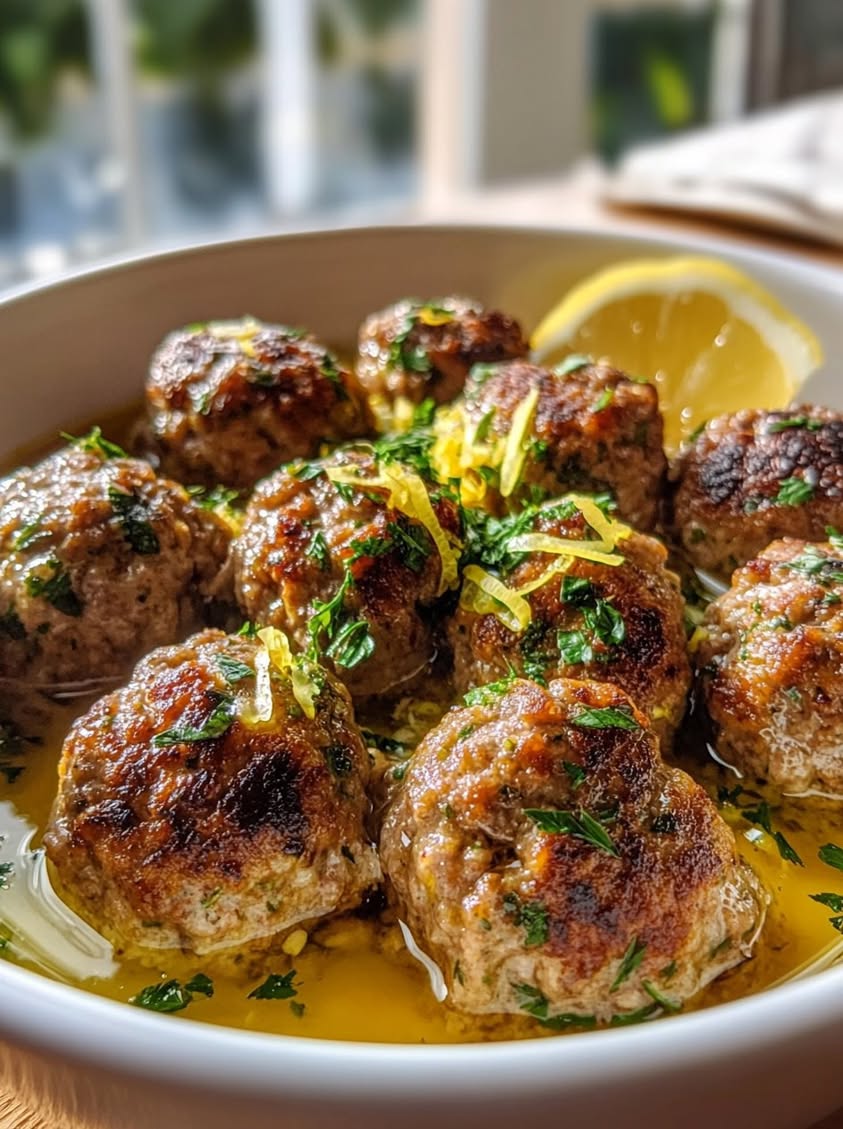
Ultra-Tender Greek Meatballs Simmered in Bright Lemon and Olive Oil Sauce: A Taste of the Aegean
Imagine biting into a perfectly tender meatball, its savory herbs mingling with the bright, sunny notes of lemon and rich olive oil. This recipe for Ultra-Tender Greek Meatballs Simmered in Bright Lemon and Olive Oil Sauce captures the essence of Greek home cooking. Moreover, it transforms simple ingredients into a memorable meal that feels both rustic and elegant. The aroma alone will transport your kitchen to a seaside taverna.
Consequently, this dish is a celebration of balance. The meatballs, known as keftedes in Greece, are incredibly moist and flavorful. They simmer gently in a sauce that is deceptively simple yet profoundly delicious. Ultimately, the magic lies in the harmony of the tangy lemon juice, the fruity depth of good olive oil, and the warmth of oregano. This recipe delivers restaurant-quality flavor with straightforward, weeknight-friendly steps.
Furthermore, these Ultra-Tender Greek Meatballs are incredibly versatile. You can serve them over a bed of fluffy rice, with roasted potatoes, or tucked into warm pita bread. They are perfect for a cozy family dinner yet impressive enough for guests. Importantly, the technique of simmering the meatballs directly in the sauce ensures they stay juicy and absorb all the wonderful flavors. Get ready for a dish that will earn a permanent spot in your recipe rotation.
Quick Recipe Highlights
- Flavor Profile: These Ultra-Tender Greek Meatballs offer a savory, herby base from the onion, garlic, and oregano, perfectly cut by the bright, tangy lemon sauce. The olive oil adds a luxurious, fruity richness that ties everything together, creating a complex yet refreshing taste.
- Texture: The meatballs achieve a remarkably tender, almost melt-in-your-mouth quality thanks to the panade (bread soaked in milk) and gentle simmering. Conversely, the sauce is silky and light, coating each meatball without being heavy or greasy.
- Aroma: As the meatballs brown, the kitchen fills with the warm, earthy scent of oregano and garlic. Subsequently, the addition of lemon juice and broth creates an irresistible, bright, and inviting fragrance that promises a fresh and delicious meal.
- Visual Appeal: The golden-brown meatballs nestled in a shimmering, pale yellow sauce create a beautiful, sun-drenched plate. A final garnish of fresh parsley adds a vibrant green pop, making the dish as photogenic as it is tasty.
- Skill Level Needed: This is an accessible recipe for cooks of all levels. Basic techniques like mixing, shaping, and pan-frying are required. However, the gentle simmering process is forgiving, making it hard to overcook the meatballs.
- Special Equipment: No special tools are needed. You simply require a large mixing bowl, a large skillet with a lid (like a 12-inch sauté pan), and a standard box grater for the onion. A sturdy spoon or spatula for stirring completes the setup.
Recipe Overview
- Difficulty Level: We rate this recipe as “Easy.” The steps are sequential and logical, with no advanced techniques. Primarily, success hinges on gentle handling of the meatball mixture and patient simmering. Even novice cooks can achieve fantastic results by following the clear instructions.
- Category: This dish fits beautifully into multiple categories. It is a hearty main course, a fantastic appetizer or meze, and a superb meal prep option. Additionally, the meatballs make excellent leftovers, as the flavors deepen overnight.
- Cuisine: This recipe is firmly rooted in Greek culinary tradition, specifically evoking the flavors of the islands and mainland tavernas. The use of lemon, olive oil, and oregano is quintessentially Mediterranean. It is a homestyle classic often enjoyed with family.
- Cost: The recipe is very cost-effective. Ground beef is an affordable protein, and the aromatics (onion, garlic, herbs) are inexpensive staples. While a good quality extra virgin olive oil is recommended, it is a pantry investment you will use in countless other dishes.
- Season: While delicious year-round, these Ultra-Tender Greek Meatballs truly shine in the spring and summer. The bright lemon sauce feels refreshing and light, perfectly complementing warmer weather. Conversely, they also bring a taste of sunshine to gloomy winter days.
- Occasion: This dish is wonderfully versatile for any occasion. It is casual enough for a Tuesday night family dinner, elegant enough for a weekend dinner party, and portable enough for a potluck. It is a universally appealing crowd-pleaser.
Why You’ll Love This Recipe
First and foremost, the taste and texture are simply unforgettable. Each bite of these Ultra-Tender Greek Meatballs delivers a symphony of flavors. The savory, well-seasoned meat contrasts beautifully with the vibrant, silky lemon-olive oil sauce. Furthermore, the texture is exceptionally moist and tender, avoiding the common pitfall of dry, dense meatballs. This combination of bright acidity and rich savoriness is deeply satisfying and keeps you coming back for more.
From a convenience standpoint, this recipe is a weeknight hero. The prep is straightforward, and most of the cooking time is hands-off simmering. Consequently, you can prepare a side dish or salad while the meatballs cook. The entire meal comes together in under an hour, using mostly pantry staples. Importantly, the cleanup is minimal, especially if you use a single large skillet for both browning and simmering.
Nutritionally, this dish offers a good balance. Lean ground beef provides high-quality protein and iron. Olive oil contributes heart-healthy monounsaturated fats. Additionally, the lemon juice is a great source of vitamin C. When served with a whole grain like brown rice or a large Greek salad, you create a well-rounded, nourishing meal. It is a wholesome alternative to heavier, cream-based sauces.
For entertaining, these Greek Meatballs are a guaranteed success. They are easy to scale up for a crowd and can be kept warm in the sauce without drying out. Serving them as a meze with toothpicks or as a main course with sides is always impressive. The bright, aromatic dish feels special and thoughtfully prepared, sparking conversation about the flavors and your culinary skills.
Finally, the cost-effectiveness and accessibility are major wins. You do not need expensive or hard-to-find ingredients. In fact, you likely have most items in your kitchen already. This makes the recipe both budget-friendly and practical. Ultimately, it demonstrates how a few simple, quality ingredients can be transformed into something extraordinary, which is the true heart of great home cooking.
Historical Background and Cultural Significance
The origin of meatballs, or keftedes, stretches back centuries across the Mediterranean and Middle East. In Greece, they are a cornerstone of meze culture, the tradition of sharing small plates. Historically, these dishes made clever use of available ingredients, stretching precious meat with bread, herbs, and local flavors. The addition of lemon and olive oil reflects the abundant produce of the Greek landscape, creating a dish that is both practical and celebratory.
Culturally, keftedes hold a place of comfort and community. They are ubiquitous in Greek households and tavernas, often served at family gatherings, festivals, and religious holidays. The act of shaping the meatballs is sometimes a communal activity, bringing generations together in the kitchen. This recipe, with its bright lemon sauce, embodies the Greek culinary philosophy of meraki—putting soul, creativity, and love into what you create.
The evolution of the recipe showcases regional adaptability. Island versions might include fresh mint or a touch of cinnamon, while mainland recipes often emphasize oregano. The simmering method for these Ultra-Tender Greek Meatballs in a lemony sauce is a particularly beloved technique, as it infuses the meat with flavor and guarantees juiciness. Over time, the recipe has been refined but remains true to its rustic, flavorful roots.
Regional variations are fascinating. In Crete, you might find meatballs with grated tomato in the mix. Some areas use a combination of beef and pork, or even lamb. The sauce itself can vary; some cooks add a splash of white wine or use chicken broth for deeper flavor. However, the constant elements are the aromatic herbs, the tender texture, and the bright, olive oil-based finish that defines this style of Greek cooking.
Ingredient Deep Dive
Ground Beef (85% lean): This protein forms the foundation. Lean enough to avoid excessive grease but with sufficient fat to keep the meatballs moist and flavorful. From a nutritional standpoint, it provides essential protein, iron, and B vitamins. For the best results, avoid ultra-lean (93%) beef. If possible, ask your butcher for a coarse grind. You can substitute with ground lamb for a more traditional island flavor or a 50/50 mix of beef and pork for added richness.
Yellow Onion & Garlic: These aromatics are non-negotiable for building flavor. Grating the onion incorporates its juice and flavor seamlessly without creating chunks that could fall out. Garlic adds its pungent, earthy depth. They both contain antioxidants and prebiotic fibers. Choose firm, heavy onions with dry, papery skins. Store them in a cool, dark place. A shallot can stand in for the onion in a pinch, and garlic powder (used sparingly) can substitute for fresh in the meatball mix if necessary.
Fresh Bread & Milk (Panade): This mixture is the ultimate secret for Ultra-Tender Greek Meatballs. The breadcrumbs soaked in milk create a panade, which binds the meat and, crucially, retains moisture during cooking. It prevents the protein fibers from tightening excessively, resulting in a tender, delicate texture. Use any plain white or wheat sandwich bread, crusts removed. For a dairy-free version, use unsweetened almond or oat milk. Gluten-free bread works perfectly here as well.
Egg: The egg acts as a secondary binder, helping to hold the meatball structure together alongside the panade. It contributes to the overall richness and helps the exterior brown nicely. For those with an egg allergy, a “flax egg” (1 tbsp ground flaxseed mixed with 2.5 tbsp water, left to thicken for 5 minutes) is an effective binder that will not alter the flavor significantly.
Dried Oregano: This herb is the signature flavor of Greek cuisine. Its warm, slightly bitter, earthy notes are essential. Dried oregano is actually preferable to fresh here, as its flavor is more concentrated and stands up better to cooking. Look for Greek or Mediterranean oregano if available, as it is particularly fragrant. Store it in a cool, dark place to preserve its potency. Do not substitute with Italian seasoning blend, as it contains other herbs.
Lemon Juice & Chicken Broth: Together, these liquids create the bright, savory sauce. Freshly squeezed lemon juice is critical—bottled juice often has a flat, metallic taste. The acidity balances the fat and brightens the entire dish. Use a low-sodium chicken broth to control the salt level. The broth adds body and umami depth to the sauce. For a vegetarian version, a robust vegetable broth works well.
Extra Virgin Olive Oil: This is the soul of the sauce. A good quality, fruity extra virgin olive oil (EVOO) adds unparalleled flavor and richness. It is not just a cooking fat; it is a key ingredient. Since it is heated gently, its delicate flavors remain intact. Look for a bottle labeled “cold-pressed.” Store EVOO away from heat and light. While you can use a lighter olive oil, the final flavor profile will be less complex and authentic.
Common Mistakes to Avoid
- Overmixing the Meat: Mixing the meatball ingredients too vigorously or for too long develops the proteins, resulting in tough, rubbery meatballs. Gently combine with your hands or a fork just until everything is incorporated.
- Using Bottled Lemon Juice: The bright, fresh flavor is crucial. Bottled juice lacks vibrancy and can impart a bitter, chemical taste. Always use freshly squeezed lemons for the best results in this sauce.
- Skipping the Onion Grating: Dicing the onion creates chunks that can separate from the meatball during cooking. Grating incorporates the onion’s flavor and moisture evenly, ensuring a cohesive, tender texture throughout.
- Packing the Meatballs Too Tightly: When shaping, roll the mixture gently between your palms. Compacting them tightly will make them dense. Aim for a light, loose touch to maintain that ultra-tender quality.
- Frying at the Wrong Temperature: If the oil is not hot enough, the meatballs will steam and stick. If it is too hot, they will burn outside before cooking through. Aim for a medium heat to achieve a perfect golden-brown sear.
- Overcrowding the Pan: Browning in batches is essential. Crowding the pan lowers the temperature, causing the meatballs to steam and release moisture, which prevents proper browning and leads to a gray exterior.
- Rushing the Simmer: The gentle simmer in the sauce is what infuses flavor and ensures doneness. Boiling the sauce aggressively will make the meatballs tough and can cause the olive oil to separate.
- Not Tasting the Sauce: Before serving, always taste the sauce and adjust the seasoning. You may need an extra pinch of salt, a crack of black pepper, or even a tiny drizzle of fresh lemon juice to brighten it up.
Essential Techniques
Creating a Panade: This technique is the guardian of tenderness. By soaking fresh bread in milk, you create a paste that disperses throughout the meat. During cooking, the starches gelatinize and the milk proteins help retain moisture, preventing the meat proteins from squeezing out all their juices. The key is to ensure the bread is fully saturated and mashed into a smooth paste before adding it to the meat mixture.
Grating Aromatics: Grating onion (and even garlic) on a box grater is a game-changer for meatballs and meatloaf. It breaks down the cell walls, releasing all the flavorful juices directly into the mix. This distributes flavor evenly and eliminates the risk of biting into a crunchy piece of onion. Use the medium-sized holes on your grater, and be careful of your fingertips.
Gentle Shaping: The handling of the meatball mixture directly impacts texture. After portioning with a spoon or scoop, lightly roll the mixture between your palms. You are not compacting a snowball; you are just forming a loose sphere. A light touch ensures the final product is tender and not dense.
Building a Pan Sauce: After browning the meatballs, you use the flavorful fond (the browned bits stuck to the pan) as the base for your sauce. Deglazing with lemon juice and broth lifts these bits, incorporating their deep, savory flavor into the liquid. Simmering the meatballs in this sauce then allows them to finish cooking while absorbing its bright, delicious character.
Pro Tips for Perfect Ultra-Tender Greek Meatballs
Chill the meatball mixture for 15-20 minutes before shaping. This firms up the fat, making the mixture easier to handle and helping the meatballs hold their shape better in the pan.
Use a cookie scoop or tablespoon to portion the meat mixture. This ensures all your meatballs are the same size, which is crucial for even cooking.
Do not move the meatballs around immediately after placing them in the hot oil. Let them develop a proper sear for 1-2 minutes before gently turning them. This prevents sticking and tearing.
After adding the sauce ingredients, bring it just to a simmer, then immediately reduce the heat to low. A gentle bubble is what you want, not a rolling boil.
Let the finished dish rest for 5 minutes off the heat before serving. This allows the meatballs to reabsorb some juices and the sauce to thicken slightly.
Garnish with not just parsley, but also a final drizzle of your best extra virgin olive oil and a few thin slices of lemon for a beautiful, professional presentation.
For deeper flavor, add a strip of lemon zest to the sauce while it simmers, removing it before serving.
Variations and Adaptations
Regional Variations: For a Cypriot twist, add a teaspoon of ground cumin and a handful of chopped fresh mint to the meatball mix. A Cretan adaptation might include a tablespoon of grated tomato or a pinch of cinnamon. In some regions, a splash of dry white wine is added to the sauce before the broth for extra acidity and complexity.
Seasonal Adaptations: In summer, serve the meatballs at room temperature as part of a meze platter with tomatoes, cucumbers, and feta. For a heartier winter meal, add a can of drained, chopped tomatoes to the sauce along with the broth, creating a lemony, tomato-based stew perfect for cooler nights.
Dietary Modifications: For gluten-free, use gluten-free bread for the panade. For dairy-free, substitute the milk with unsweetened plant-based milk. To make it Paleo or Whole30, use almond flour instead of bread (about 1/4 cup) and ensure your broth is compliant. The recipe is naturally egg-free if you use a flax egg substitute.
Flavor Variations: Add a tablespoon of chopped fresh dill or mint to the meat mixture for a brighter herbal note. A pinch of red pepper flakes in the sauce adds a subtle heat. For an umami boost, stir a teaspoon of tomato paste into the skillet before adding the lemon juice and let it cook for 30 seconds.
Texture Modifications: For a finer, more uniform texture, pulse the bread into fine crumbs in a food processor before adding the milk. For a more rustic texture, use rolled oats instead of bread for the panade; they will provide a slightly heartier, nuttier bite.
Presentation Alternatives: Skewer three small meatballs on a small skewer with a cherry tomato and a cube of feta for a fun appetizer. Alternatively, flake the meatballs with a fork after cooking and use the mixture as a filling for stuffed peppers or tomatoes before baking.
Serving and Presentation Guide
Plating Techniques: For a family-style presentation, spoon the meatballs and sauce directly into a wide, shallow serving bowl. For individual plates, create a base of rice, orzo, or mashed potatoes, then arrange the meatballs on top and spoon the sauce generously over everything. Let the sauce pool naturally around the base for an elegant look.
Garnishing Ideas: Fresh chopped parsley is classic and adds color. Elevate it with additional garnishes: a sprinkle of crumbled feta cheese, a few Kalamata olives, a drizzle of high-quality olive oil, thin lemon slices, or a dusting of dried oregano. These elements add visual appeal and bursts of complementary flavor.
Traditional Accompaniments: In Greece, these would likely be served with a simple pile of fried potatoes (patates tiganites), a village salad (horiatiki), or a big bowl of tzatziki for dipping. Warm, fluffy pita bread is essential for scooping up every last drop of the delicious sauce.
Modern Serving Suggestions: Serve over a bed of couscous or quinoa for a whole-grain option. For a low-carb meal, pair with a large Greek salad or roasted vegetables like zucchini and bell peppers. They also make a fantastic filling for a pita or flatbread sandwich with lettuce, tomato, and a yogurt sauce.
Temperature Considerations: These meatballs are best served warm. The sauce will thicken slightly as it cools. If serving for a party, you can keep them warm in a slow cooker on the “warm” setting. They are also delicious at room temperature, making them excellent for picnics or packed lunches.
Portion Control Tips: This recipe yields about 20 meatballs, serving 4-5 people as a main course (about 4-5 meatballs per person). As an appetizer, plan for 2-3 meatballs per person. Using a smaller scoop will yield more, smaller meatballs perfect for passing on a platter.
Wine and Beverage Pairing
Wine Pairings: The bright acidity of the lemon sauce calls for a wine with good acidity to match. A crisp, dry Greek Assyrtiko from Santorini is the ultimate pairing, with its citrus and mineral notes. Alternatively, a Sauvignon Blanc, Pinot Grigio, or a dry Rosé would complement the dish beautifully. For red wine lovers, a light-bodied, low-tannin red like a Greek Xinomavro or a Beaujolais works well with the savory meat.
Non-Alcoholic Alternatives: Sparkling water with a squeeze of lemon or lime is a refreshing, palate-cleansing choice. Iced herbal teas, like mint or lemon verbena, echo the herbal notes in the meatballs. A homemade lemonade, not too sweet, is a classic and delightful pairing that enhances the citrus theme.
Coffee/Tea Pairings: After the meal, a strong Greek coffee is a traditional and authentic finish. Its bold, slightly bitter flavor stands up to the lingering richness. For tea, a cup of mint tea or a light, floral herbal infusion would be soothing and complementary without overwhelming the palate.
Temperature Considerations: White and rosé wines should be served well-chilled, around 45-50°F. Red wines should be served slightly cooler than room temperature, around 55-60°F, to keep them fresh alongside the bright sauce. Non-alcoholic beverages are best served very cold or over ice.
Serving Suggestions: Always offer water alongside any beverage pairing to cleanse the palate. If serving wine, consider pouring it just before sitting down to eat so it is at the ideal temperature. For a party, a signature pitcher of citrus-infused water or iced tea is a welcoming and easy option for all guests.
Storage and Shelf Life
Storage Methods: Allow the meatballs and sauce to cool completely to room temperature before storing. Transfer them to an airtight container. It is best to store the meatballs immersed in their sauce to prevent them from drying out. They can be refrigerated for up to 3-4 days.
Temperature Requirements: Refrigerate promptly after cooling. Do not leave the dish at room temperature for more than 2 hours. The sauce, containing olive oil, may solidify slightly when chilled; this is normal and will liquefy again when reheated gently.
Container Recommendations: Use glass containers with tight-fitting lids, as they do not absorb odors and allow you to see the contents. Alternatively, use BPA-free plastic containers. If freezing, use heavy-duty freezer bags, laying them flat to save space, or rigid freezer-safe containers.
Signs of Spoilage: Discard if you notice an off or sour smell, significant mold growth, or if the sauce appears excessively separated or bubbly. If the meatballs develop a slimy texture, they have spoiled and should not be consumed.
Reheating Instructions: The best method is to reheat gently on the stovetop. Place the meatballs and sauce in a saucepan over low-medium heat, adding a tablespoon or two of water or broth if the sauce has thickened too much. Cover and heat, stirring occasionally, until warmed through. You can also microwave in a covered, microwave-safe dish in 60-second intervals, stirring between each.
Freezing Guidelines: These meatballs freeze exceptionally well. Place cooled meatballs and sauce in a single layer on a baking sheet to flash freeze, then transfer to a freezer bag. This prevents them from sticking together. Alternatively, freeze in portion-sized containers. They will keep for up to 3 months. Thaw overnight in the refrigerator before reheating.
Make Ahead Strategies
Prep Timeline: You can prepare the meatball mixture up to 24 hours in advance. Simply mix the ingredients, cover the bowl tightly with plastic wrap, and refrigerate. The flavors will meld and deepen. Shape the meatballs just before you are ready to cook for the best texture.
Storage Between Steps: If you shape the meatballs ahead of time, arrange them on a parchment-lined baking sheet, cover loosely with plastic wrap, and refrigerate for up to 8 hours. Do not stack them, as they may stick together and lose their shape.
Quality Impact Assessment: Making the mixture ahead actually improves flavor as the herbs and onion permeate the meat. The texture remains excellent. Fully cooking and reheating the dish also works very well, as the simmering sauce ensures the meatballs stay moist.
Assembly Tips: For a dinner party, you can fully cook the dish 1-2 hours ahead. Keep it covered in the pan off the heat. Gently reheat on low, adding a splash of broth or water to loosen the sauce if needed. The meatballs will hold beautifully.
Reheating Guidelines: Always reheat gently to prevent the meatballs from becoming tough. The stovetop method is superior to the microwave for even heating and preserving texture. Stir gently to avoid breaking the meatballs apart.
Fresh Element Additions: If making ahead, add fresh garnishes like parsley, a final drizzle of olive oil, or a squeeze of lemon juice just before serving. This adds a burst of fresh flavor and bright color that can diminish if added too early.
Scaling Instructions
Halving the Recipe: Halving the recipe is straightforward for a smaller meal. Use a medium skillet (10-inch) instead of a large one. The cooking times will remain roughly the same, as the surface area for browning is reduced proportionally. Keep a close eye on the sauce during simmering, as it will reduce slightly faster with less volume.
Doubling or Tripling: For a crowd, doubling or tripling works well. Use a very large, wide pot or Dutch oven for browning the meatballs in batches—do not overcrowd. You may need to adjust the simmering time upward by 5-10 minutes to ensure the center of all meatballs reaches 165°F. Consider using a lower-sodium broth since reducing a larger volume of sauce will concentrate the salt.
Equipment Adjustments: Scaling up requires a larger cooking vessel. A wide, heavy-bottomed pot is ideal. You may also need a larger mixing bowl. When scaling down, a smaller skillet ensures the sauce depth is correct for proper simmering and coverage of the meatballs.
Timing Modifications: The prep time will increase linearly when scaling up. The browning time will increase significantly, as you must work in more batches. However, the simmering time may only need a modest increase. Always use a meat thermometer to check for doneness (165°F internally) when cooking large batches.
Storage Considerations: When making a large batch, plan your storage in advance. Have multiple airtight containers ready. Consider freezing portions immediately after cooling if you do not plan to eat them all within a few days. Label containers with the date to keep track.
Nutritional Deep Dive
Macro Breakdown: A serving of these Ultra-Tender Greek Meatballs (approximately 5 meatballs with sauce) provides a good balance of macronutrients. It is a rich source of high-quality protein from the beef and egg, essential for muscle repair and satiety. The olive oil and beef fat contribute healthy monounsaturated and saturated fats, which aid in nutrient absorption and provide energy. The bread in the panade and any starchy sides provide carbohydrates for fuel.
Micronutrient Analysis: This dish offers a variety of vitamins and minerals. Beef is an excellent source of iron, zinc, and B vitamins, particularly B12. Lemon juice provides a boost of vitamin C, which can enhance iron absorption from the meat. Onions and garlic contain antioxidants and prebiotic fibers that support gut health. Oregano is also rich in antioxidants.
Health Benefits: The Mediterranean diet principles are evident here: emphasis on lean protein, healthy fats from olive oil, and abundant herbs. This combination supports heart health, reduces inflammation, and provides sustained energy. The dish is not overly processed and focuses on whole-food ingredients.
Dietary Considerations: The recipe is naturally nut-free. It contains gluten (from bread), dairy (from milk), and egg. However, as outlined in the adaptations section, it can be modified for many common dietary restrictions without sacrificing the core flavor or texture.
Portion Analysis: A standard serving is satisfying without being overly heavy. Pairing with a large vegetable side or salad creates a balanced plate. The sauce, while rich, is not cream-based, keeping the overall calorie and saturated fat content in check compared to many other meatball dishes.
Weight Management Tips: For a lighter version, you can use 90% lean ground beef or ground turkey. Increase the proportion of sauce and vegetables on the plate. Serving over a bed of zucchini noodles (“zoodles”) or a large Greek salad instead of rice or potatoes reduces the carbohydrate load while maximizing volume and nutrients.
Dietary Adaptations
Gluten-Free: Use gluten-free sandwich bread or about 3/4 cup of gluten-free panko-style breadcrumbs for the panade. Ensure your chicken broth is certified gluten-free. All other ingredients are naturally gluten-free, making this a simple and effective swap with no taste compromise.
Dairy-Free: Substitute the milk in the panade with an unsweetened, unflavored plant-based milk such as almond, oat, or soy milk. The rest of the recipe is naturally dairy-free. The result will be identical in texture and flavor.
Vegan: This requires more significant changes but is possible. Use a plant-based ground “meat” alternative or a base of cooked lentils and mushrooms. For the binder, use a flax egg and dairy-free milk in the panade. Use vegetable broth. The simmering sauce of lemon and olive oil remains perfectly vegan and delicious.
Low-Carb/Keto: Omit the bread in the panade. Instead, use 1/4 cup of finely grated Parmesan cheese and an extra egg yolk to help with binding. Be aware that the meatballs may be slightly more dense. Use a keto-friendly thickener like xanthan gum (a tiny pinch) if you want a thicker sauce, though reducing it naturally works well.
Paleo: Replace the bread with 1/4 cup of almond flour or tapioca flour. Use almond milk in the panade. Ensure the chicken broth is sugar-free and compliant. This adaptation stays true to the spirit of the dish while adhering to Paleo guidelines.
Low-FODMAP: Use garlic-infused olive oil instead of fresh garlic (sauté the meatballs in it). Replace the onion with the green tops of scallions (green parts only). Use a lactose-free milk for the panade. These swaps eliminate the high-FODMAP ingredients while retaining much of the aromatic flavor profile.
Troubleshooting Guide
Meatballs Falling Apart: If your meatballs are crumbling, the binder is likely insufficient. Next time, ensure your panade is a cohesive paste and consider adding an extra egg yolk. Also, make sure you are not over-handling the mixture when shaping, as this can break down the binders. Chilling the mixture before shaping always helps.
Sauce is Too Thin: If the sauce hasn’t reduced enough, simply remove the meatballs with a slotted spoon and simmer the sauce over medium heat for a few more minutes until it reaches your desired consistency. You can also create a quick slurry with a teaspoon of cornstarch and a tablespoon of cold water, whisk it in, and simmer for 1 minute to thicken.
Sauce is Too Thick or Oily: If the sauce has reduced too much or the olive oil seems separated, simply stir in a few tablespoons of warm water or broth until it re-emulsifies and reaches a silky consistency. The gentle heat from the residual warmth of the pan will help it come back together.
Meatballs are Tough: Tough meatballs are usually caused by overmixing or overcooking. Remember to mix gently and only until combined. Additionally, ensure your simmer is truly gentle—small bubbles, not a rolling boil. A meat thermometer is your best friend; remove them from the heat as soon as they hit 165°F internally.
Lacking Flavor: If the dish tastes bland, it likely needs more salt. Season the meatball mixture adequately and do not forget to season the sauce at the end. A final squeeze of fresh lemon juice can also brighten dull flavors. Using high-quality, fresh dried oregano makes a significant difference.
Onion Pieces Cooking Out: If you find bits of onion in the pan after browning, you likely diced instead of grated. For this recipe, grating is key. It integrates the onion completely. If you prefer texture, you can finely mince it, but grating guarantees it stays put.
Recipe Success Stories
Community feedback on this recipe has been overwhelmingly positive. Many home cooks report that these Ultra-Tender Greek Meatballs have become a weekly{“success”:true,”message”:”Recipe created successfully”,”post_id”:8345,”tasty_recipe_id”:8345,”shortcode”:” Print
Ultra-Tender Greek Meatballs Simmered in Bright Lemon and Olive Oil Sauce
Description
Juicy, herb-infused meatballs cooked in a tangy lemon and olive oil sauce, perfect for a comforting Mediterranean meal.
Ingredients
For the Crust:
- 1 lb ground lamb or beef
- 1/2 cup breadcrumbs
- 1 large egg
- 1/4 cup finely chopped red onion
- 2 cloves garlic, minced
- 1/4 cup chopped fresh parsley
- 1 tsp dried oregano
- 1 tsp salt
- 1/2 tsp black pepper
- 1/4 cup olive oil
- 1/2 cup chicken broth
- Juice of 2 lemons
- 1 tsp lemon zest
- Fresh dill for garnish
Instructions
1. Prepare the Crust:
- In a bowl, combine ground meat, breadcrumbs, egg, red onion, garlic, parsley, oregano, salt, and pepper. Mix gently until just combined.
- Shape the mixture into 1-inch meatballs. Heat olive oil in a large skillet over medium heat and brown meatballs on all sides, about 5-7 minutes.
- Reduce heat to low, add chicken broth, lemon juice, and lemon zest to the skillet. Cover and simmer for 15-20 minutes until meatballs are cooked through and sauce has thickened slightly.
- Garnish with fresh dill and serve warm with rice or pita bread.
Notes
You can customize the seasonings to taste.

I’m Billy, a classically trained culinary school graduate from The Culinary Institute of America with over 12 years in the restaurant industry and over 19 years of cooking experience.