
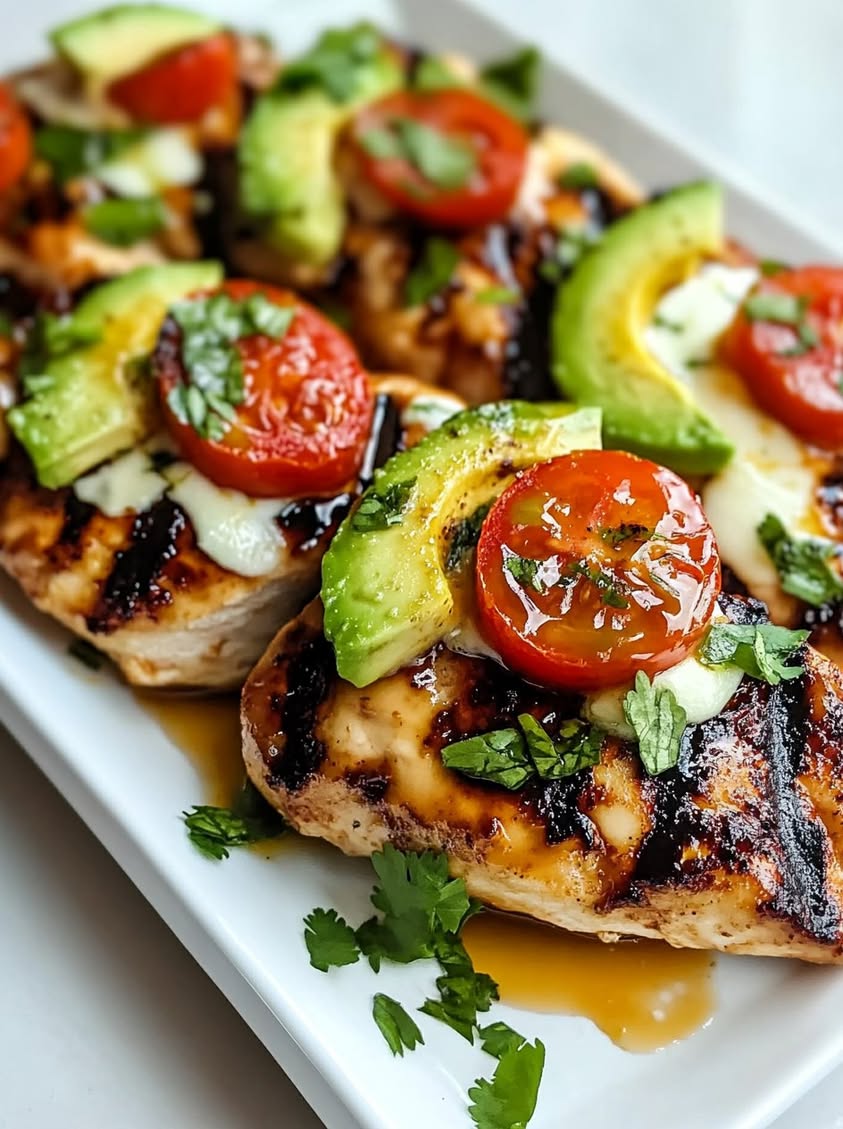
West Coast Grilled Chicken with Melted Avocado, Tomato & Citrus Flair: A Taste of Sunshine
Imagine the perfect bite of summer. First, you taste juicy, smoky grilled chicken, then a creamy, warm avocado melts into it. Next, a burst of fresh tomato and a bright, zesty citrus flair cut through the richness. This is the magic of West Coast Grilled Chicken with Melted Avocado, Tomato & Citrus Flair. This recipe captures the essence of California cuisine, where fresh, high-quality ingredients and simple, bold flavors reign supreme.
Furthermore, this dish is a celebration of texture and taste. The chicken gets a beautiful char from the grill, creating a slightly crispy exterior that gives way to tender, flavorful meat. Meanwhile, the avocado transforms into a luxurious, warm sauce that clings to every piece. The fresh tomato salsa adds a juicy crunch, and the citrus dressing ties everything together with a refreshing acidity. Ultimately, it is a balanced, satisfying meal that feels both healthy and indulgent.
Consequently, this recipe is your ticket to a restaurant-quality dinner in about thirty minutes. It requires minimal prep and uses ingredients you can find year-round. Whether you are cooking for a weeknight family dinner or hosting a casual backyard gathering, this West Coast Grilled Chicken with Melted Avocado, Tomato & Citrus Flair delivers impressive results with ease. The vibrant colors and fresh flavors are guaranteed to brighten your table and please every palate.
Quick Recipe Highlights
- Flavor Profile: This dish offers a harmonious blend of smoky, savory, creamy, and bright notes. The grilled chicken provides a deep, charred foundation, while the melted avocado adds a rich, buttery layer. Finally, the tomato and citrus dressing introduces a necessary pop of acidity and freshness.
- Texture: You will experience a fantastic contrast in every mouthful. The chicken has a firm, slightly charred crust with a juicy interior. Conversely, the avocado becomes luxuriously smooth and creamy. The diced tomatoes offer a pleasant, juicy burst that complements the other textures perfectly.
- Aroma: As the chicken grills, it releases a captivating smoky scent that mingles with the earthy aroma of avocado. When you add the fresh lime juice and cilantro, the air fills with a bright, herbaceous fragrance that signals a fresh and healthy meal is ready.
- Visual Appeal: The presentation is stunningly vibrant. The golden-brown chicken sits against the vibrant green of the avocado and the bright red of the tomatoes. A sprinkle of fresh herbs adds a final touch of color, making the plate look as good as it tastes.
- Skill Level Needed: This is an accessible recipe for cooks of all levels. Basic grilling or pan-searing skills are the only requirement. The assembly is straightforward, and the recipe forgives small variations, making it perfect for beginners and seasoned cooks alike.
- Special Equipment: A grill or grill pan is ideal for achieving the classic char. However, a heavy skillet works perfectly well. You will also need basic kitchen tools like a mixing bowl, a sharp knife, and a cutting board. No fancy gadgets are necessary.
Recipe Overview
- Difficulty Level: We rate this recipe as easy because it involves fundamental techniques like seasoning, grilling, and simple assembly. The steps are logical and sequential, with no complicated procedures. Even a novice cook can achieve excellent results by following the clear instructions. The short total time also contributes to its beginner-friendly nature.
- Category: This dish fits beautifully into several categories. It is a fantastic main course for lunch or dinner. Additionally, it works well as part of a healthy meal prep routine. The components can also be deconstructed for a vibrant salad or wrap filling, showcasing its versatility.
- Cuisine: This recipe is a direct homage to West Coast or California cuisine. This style emphasizes fresh, local produce, lean proteins, and clean, vibrant flavors. It draws inspiration from Mexican and Mediterranean culinary traditions, focusing on simple preparations that let the quality of each ingredient shine through.
- Cost: This is a cost-effective meal, especially when avocados and tomatoes are in season. Chicken breasts are an affordable protein source. The herbs and citrus are inexpensive flavor powerhouses. Overall, you can create a restaurant-quality dish for a fraction of the price of eating out.
- Season: While delicious year-round, this recipe truly sings in the late spring and summer months. This is when tomatoes are at their sweetest peak and avocados are abundant. The light, fresh nature of the dish also makes it ideal for warm weather dining, preferably outdoors.
- Occasion: It is perfect for casual weeknight dinners, weekend barbecues, and healthy lunch prep. Furthermore, it is impressive enough for casual entertaining. You can easily double the recipe to feed a crowd at a potluck or family gathering without spending all day in the kitchen.
Why You’ll Love This Recipe
First and foremost, the taste and texture combination is utterly irresistible. The savory, umami-rich grilled chicken pairs flawlessly with the decadent creaminess of warm avocado. Then, the fresh tomato and citrus cut through with a cleansing acidity that makes each bite exciting. You get richness, brightness, and savoriness in perfect harmony, ensuring you will not get bored with a single bite. This West Coast Grilled Chicken with Melted Avocado, Tomato & Citrus Flair is a masterclass in balanced flavor.
From a convenience standpoint, this recipe is a true weeknight hero. It comes together in about thirty minutes from start to finish. The prep work is minimal, involving mostly chopping and mixing. Since the cooking process is fast, you can have a gourmet-tasting meal on the table with very little active time. It is the perfect solution for those busy evenings when you want something healthy and delicious without a long, complicated process.
Nutritionally, this dish is a powerhouse. Lean chicken breast provides high-quality protein to keep you full and support muscle health. Avocado contributes heart-healthy monounsaturated fats and fiber. Tomatoes are loaded with vitamins and antioxidants like lycopene. Together, they create a meal that is satisfying, nourishing, and supportive of overall wellness. It is a guilt-free pleasure that fuels your body with good things.
For social and entertaining value, this recipe is a winner. It is visually stunning on a platter, making it perfect for sharing. The flavors are universally appealing, pleasing both adventurous and picky eaters. You can prepare components ahead of time, so you are not stuck in the kitchen while guests are over. Simply grill the chicken at the last minute and assemble. It is a surefire way to impress without stress.
Finally, it is incredibly cost-effective and accessible. The ingredients are common and affordable. You do not need any specialty items from a high-end grocery store. Even if you substitute or omit an herb, the core recipe remains delicious. This accessibility means anyone can recreate this taste of West Coast sunshine in their own kitchen, making it a reliable go-to recipe for any budget.
Historical Background and Cultural Significance
The origin of this dish is rooted in the culinary philosophy of the American West Coast, particularly California. Following the rise of California cuisine in the 1970s and 80s, chefs like Alice Waters championed a “farm-to-table” approach. This movement prioritized hyper-local, seasonal produce and simple preparations. Dishes like this grilled chicken naturally emerged from that ethos, combining the abundant local avocados and citrus with a simple grilled protein.
Culturally, this recipe represents a fusion of influences that define the West Coast. You can see the Mexican influence in the use of avocado, lime, and cilantro. The focus on grilling speaks to the region’s outdoor, healthy lifestyle. This dish is not tied to a single, ancient tradition but is a modern creation that reflects the diverse, fresh, and innovative food culture of California. It is food that feels both contemporary and timeless.
The evolution of the recipe is ongoing. The basic template of grilled chicken with avocado is classic. However, the “melted” avocado technique and the specific citrus flair dressing are modern twists that elevate the home cook’s experience. Originally, avocado might have been served simply sliced on the side. Now, warming and slightly mashing it creates a luxurious sauce that integrates more fully with the chicken, showcasing how simple recipes evolve for better texture and flavor integration.
Regional variations are plentiful. In Southern California, you might find a spicier version with jalapeños in the salsa. A Pacific Northwest adaptation could include fresh herbs like dill. Some versions might use a yogurt-based citrus sauce instead of a vinaigrette. The core elements remain, but local ingredients and tastes shape the final dish. This adaptability is a key reason for its enduring popularity across different palates and pantries.
Ingredient Deep Dive
Chicken breast is the perfect lean canvas for this recipe. Culturally, chicken is a globally accepted protein, adaptable to countless cuisines. Nutritionally, it is an excellent source of lean protein and essential B vitamins. For the best results, select plump, evenly-sized breasts. Look for organic or air-chilled varieties if possible, as they often have better texture and flavor. Store chicken in the coldest part of your refrigerator and use within 1-2 days of purchase. For a substitution, boneless chicken thighs offer more flavor and juiciness, though they are slightly higher in fat.
Avocado is the star that gives the dish its signature “melted” texture. Historically, avocados originated in south-central Mexico and have been cultivated for thousands of years. They are packed with monounsaturated fats, fiber, potassium, and vitamins C, E, and K. Choose an avocado that yields slightly to gentle pressure near the stem. If it is rock hard, ripen it in a paper bag on the counter. Store ripe avocados in the refrigerator to slow further ripening. For a substitution, a ripe, mashed white bean spread can mimic the creaminess in a pinch, though the flavor profile will change.
Fresh tomatoes provide the necessary juicy acidity. Tomatoes are native to western South America and are now a culinary staple worldwide. They are rich in lycopene, vitamin C, and potassium. Select tomatoes that are firm but give slightly, with a deep, vibrant color and a fragrant smell at the stem. Never refrigerate tomatoes, as cold temperatures degrade their texture and flavor. Store them stem-side down on your counter. For a substitution, high-quality canned diced tomatoes (well-drained) can work off-season, or try using diced mango for a sweet twist.
The citrus flair, typically from lime, is the essential brightener. Limes have a long history in Southeast Asian and Mexican cooking. They are an incredible source of vitamin C and antioxidants. Choose limes that feel heavy for their size and have a bright, glossy skin. Roll them on the counter under your palm before juicing to get the most juice. Store limes at room temperature for short-term use or in the refrigerator for longer storage. For a substitution, lemon juice works perfectly, or a splash of orange juice mixed with vinegar can provide a different kind of sweetness and acidity.
Common Mistakes to Avoid
- Overcooking the Chicken: This is the most common pitfall. Overcooked chicken breast becomes dry and tough. Use a meat thermometer and pull the chicken off the heat at 165°F internally, as it will continue to cook from residual heat. Let it rest for 5 minutes before slicing to retain its juices.
- Using Unripe Avocados: A hard avocado will not melt or mash properly. It will be flavorless and chunky. Always ensure your avocado is perfectly ripe—creamy and yielding to gentle pressure. Plan ahead and buy avocados a few days before you need them to allow for ripening.
- Not Preheating the Grill or Pan: If your cooking surface is not hot enough, the chicken will steam instead of sear. You will miss out on the flavorful, caramelized crust. Preheat your grill or skillet for a good 5-10 minutes until it is very hot before adding the chicken.
- Skipping the Resting Time: Slicing chicken immediately after cooking causes all the precious juices to run out onto the cutting board. Let the chicken rest for at least 5 minutes tented with foil. This allows the fibers to relax and reabsorb the juices, ensuring every bite is moist.
- Underseasoning: Chicken breast needs generous seasoning. Do not be shy with salt and pepper. Season both sides liberally before cooking. Remember, the avocado and tomato toppings are seasoned separately, so the chicken itself should be well-seasoned to stand on its own.
- Dicing the Tomato Too Finely: If you dice the tomato into tiny pieces, it can become watery and lose its satisfying juicy pop. Aim for a small to medium dice. This ensures each piece retains its structure and provides a distinct texture against the creamy avocado.
- Adding Citrus Too Early: If you mix the citrus juice into the avocado or tomato mixture too far in advance, the acid will start to “cook” the avocado and break down the tomato. For the freshest taste and best texture, combine the citrus elements just before serving.
- Forgetting to Oil the Chicken, Not the Grill: To prevent sticking, lightly brush or spray the chicken with oil instead of pouring oil on the grill grates. Oil on a hot grill can cause dangerous flare-ups. Oiling the protein is safer and just as effective.
Essential Techniques
Grilling for Perfect Char is crucial for flavor. A proper sear creates the Maillard reaction, which develops complex, savory flavors and an appealing texture. To master it, ensure your grill or pan is screaming hot before the chicken touches it. Do not move the chicken for the first few minutes to allow a crust to form. A common pitfall is flipping too often. You should only flip once. Visual cues for success include clear grill marks and a golden-brown crust that releases easily from the grates when ready to turn.
Creating the Melted Avocado texture transforms the dish. The goal is to warm the avocado just enough to make it soft and spreadable, not to cook it into a hot mush. After grilling, slice the avocado and place it on the warm chicken. The residual heat will gently warm it through. You can also briefly place the sliced avocado on the grill for 30 seconds per side. The visual cue is the avocado becoming slightly softer and warmer to the touch, but still holding its shape. Mashing it lightly with a fork on the plate will then create the perfect creamy sauce.
Balancing the Citrus Flair dressing is what ties the meal together. The technique involves emulsifying oil and acid with seasonings to create a cohesive dressing. Whisk the lime juice, a touch of honey or agave, salt, and pepper together first. Then, slowly stream in olive oil while whisking vigorously. This creates a temporary emulsion that coats the ingredients beautifully. A common pitfall is adding all ingredients at once, resulting in a separated dressing. The cue for success is a slightly thickened, glossy mixture that clings to the back of a spoon.
Pro Tips for Perfect West Coast Grilled Chicken
Pound the chicken breasts to an even thickness before cooking. This simple step ensures they cook uniformly, preventing the thin ends from drying out while the thick center finishes.
Marinate the chicken for extra depth. Even a quick 30-minute soak in the citrus dressing (reserving some for later) will infuse the meat with fantastic flavor and help keep it tender.
Use a meat thermometer. This is the only foolproof way to achieve perfectly juicy chicken. Insert it into the thickest part of the breast and pull at 165°F.
Warm your serving plates. Placing the hot chicken and avocado on a warm plate helps maintain the ideal temperature of the entire dish as you eat.
Garnish with fresh herbs just before serving. Adding a final sprinkle of chopped cilantro or parsley provides a burst of fresh aroma and color that elevates the presentation.
If using wooden skewers for a variation, soak them in water for at least 30 minutes beforehand. This prevents them from burning on the grill.
For extra smoky flavor, add a small piece of wood like mesquite or applewood to your charcoal grill, or use a smoker box on a gas grill.
Let all ingredients come to room temperature before assembling. This prevents the warm chicken from cooling down too quickly when topped with cold avocado and tomato.
Variations and Adaptations
For regional variations, consider a Baja-inspired twist. Add shredded cabbage, a creamy chipotle sauce, and serve the grilled chicken and avocado in warm corn tortillas. A Pacific Northwest version could incorporate fresh chopped dill and a drizzle of hazelnut oil in the dressing. These adaptations show how the basic recipe can travel and adapt to local tastes and ingredients.
Seasonal adaptations are easy and rewarding. In winter, use roasted cherry tomatoes instead of fresh for a deeper, sweeter flavor. For a fall twist, add roasted cubes of sweet potato or squash to the plate. In spring, incorporate fresh peas or asparagus spears grilled alongside the chicken. This keeps the recipe exciting and aligned with what is freshest at the market.
Dietary modifications are straightforward. For a keto or low-carb version, serve the chicken and toppings over a bed of cauliflower rice or simply on a plate with a side of grilled vegetables. To make it dairy-free, ensure any added cheese in variations is omitted. For a paleo adaptation, use coconut aminos in the marinade instead of any soy-based ingredient and confirm all other components are compliant.
Flavor variations can personalize the dish. Add a teaspoon of smoked paprika or cumin to the chicken rub. Mix minced jalapeño or serrano pepper into the tomato salsa for heat. Stir a tablespoon of chopped fresh mint or basil into the avocado for an herbal note. A teaspoon of grated ginger in the citrus dressing adds a lovely zing.
Texture modifications can cater to different preferences. For a chunkier avocado experience, simply slice it and fan it over the chicken without mashing. For a smoother, saucier avocado, blend it with the lime juice and a touch of olive oil until silky. You can also chop the chicken and mix everything together for a deconstructed salad-style presentation.
Presentation alternatives make the dish fit any occasion. Skewer cubed, marinated chicken before grilling for easy-to-eat chicken bites. Serve the components in individual lettuce cups for a light, handheld meal. Layer the sliced chicken, avocado, and tomato on a platter for family-style serving, or arrange it artfully on individual plates for a more formal dinner.
Serving and Presentation Guide
Plating techniques matter for visual appeal. For individual servings, slice the rested chicken breast on a diagonal and fan it out on the plate. Spoon the warmed avocado slices over the top, allowing them to drape naturally. Then, scatter the fresh tomato salsa around and over the chicken. Drizzle the citrus dressing in a zigzag pattern over everything. This creates height, color contrast, and makes every component accessible.
Garnishing adds the final professional touch. A sprinkle of flaky sea salt over the avocado enhances its flavor. Fresh microgreens, cilantro leaves, or thinly sliced radishes add color and a peppery bite. A wedge of lime on the side invites guests to add an extra splash of brightness. For a special touch, add edible flowers like nasturtiums, which have a peppery flavor that complements the dish.
Traditional accompaniments keep the meal light and fresh. A simple side of cilantro-lime rice or quinoa absorbs the extra dressing beautifully. Black beans or a three-bean salad complement the West Coast vibe. A crisp green salad with a light vinaigrette ensures the meal does not feel too heavy. Grilled corn on the cob or zucchini are perfect seasonal partners.
Modern serving suggestions can streamline your meal. Consider serving the components in a bowl over a base of greens or grains for a hearty salad. Stuff the mixture into a whole-wheat pita or wrap for a portable lunch. For a party, serve the grilled chicken sliced on a platter with bowls of avocado, tomato salsa, and dressing on the side for a build-your-own station.
Temperature considerations are key for the best experience. The chicken and avocado should be served warm, while the tomato salsa should be cool or at room temperature. This contrast is part of the magic. Warm your plates slightly to keep the hot components hot longer. Assemble the dish just before serving to maintain these distinct temperatures.
Portion control is easy with this nutritious dish. One standard chicken breast half per person is typically sufficient, especially with the filling avocado and fiber-rich sides. If serving heartier appetites, increase the chicken portion or offer more substantial sides like roasted potatoes. The healthy fats and protein are very satiating, so people often feel satisfied with reasonable portions.
Wine and Beverage Pairing
Wine pairings should complement the dish’s bright acidity and creamy texture. A crisp, unoaked Chardonnay from California is a classic choice. Its citrus notes mirror the lime, and its body can stand up to the avocado. Alternatively, a dry Rosé with its berry notes and crisp finish cuts through the richness beautifully. For red wine lovers, a light Pinot Noir with low tannins and red fruit flavors will not overpower the chicken and works well with the tomato.
Non-alcoholic alternatives can be just as sophisticated. A sparkling water infused with cucumber and lime slices is refreshing and cleansing. For a more crafted option, a virgin mojito or a ginger beer with a squeeze of lime complements the zesty flavors. Iced hibiscus tea offers a tart, cranberry-like flavor that pairs wonderfully with the savory and creamy elements of the dish.
Coffee and tea pairings are excellent if serving this for lunch. A light, citrusy tea like Earl Grey or a green tea with lemongrass can echo the citrus notes in the meal. After dinner, a medium-roast coffee with low acidity would be a pleasant finish, especially if the meal included spicy elements. The key is to choose beverages that are bright and not too heavy.
Temperature considerations are crucial for beverages. White wines, Rosés, and non-alcoholic sparklers should be served well-chilled, around 45-50°F. Light reds like Pinot Noir should be slightly cooler than room temperature, about 55°F. Iced teas and waters should be very cold to provide a refreshing contrast to the warm, savory food.
Serving suggestions enhance the experience. Offer a variety of options if you are hosting. Place bottles of chilled water on the table. Consider a signature mocktail in a pitcher for easy serving. If offering wine, a single, well-chosen bottle that pairs with the meal is better than multiple conflicting options. The goal is to choose drinks that refresh the palate between bites of the flavorful West Coast Grilled Chicken.
Storage and Shelf Life
Storage methods depend on whether the dish is assembled. Always store components separately for best quality. Place cooled, sliced grilled chicken in an airtight container in the refrigerator. Store the avocado separately, with the pit left in and pressed tightly against plastic wrap to minimize browning. Keep the tomato salsa in its own container. Properly stored, the grilled chicken will last for 3-4 days, while the fresh avocado and tomato toppings are best used within 1-2 days.
Temperature requirements are straightforward. All components must be refrigerated at or below 40°F. Do not leave the assembled dish at room temperature for more than two hours. If you have leftovers that were plated and served, consolidate them into shallow containers to cool quickly before refrigerating. This prevents bacterial growth and maintains food safety.
Container recommendations are key to preventing spoilage and flavor transfer. Use glass or BPA-free plastic containers with tight-fitting lids. For the avocado, a small container where the avocado can fill the space helps limit air exposure. You can also squeeze a little extra lime juice over the exposed surface of the avocado before sealing to further delay oxidation.
Signs of spoilage are important to recognize. Discard the chicken if it develops a sour smell, a slimy texture, or an off-color. Avocado will turn dark brown and develop a mushy, stringy texture when it goes bad. Tomato salsa will become overly watery and may ferment, creating bubbles or an alcoholic smell. When in doubt, it is safest to throw it out.
Reheating instructions apply only to the chicken. Reheat gently to avoid drying it out. The best method is in a skillet over medium-low heat with a splash of water or broth, covered, until just warmed through. You can also use the microwave at 50% power in short bursts. Never reheat the avocado or fresh tomato salsa; add them cold to the reheated chicken.
Freezing guidelines are limited. You can freeze the cooked, unadorned grilled chicken for up to 3 months. Wrap it tightly in plastic wrap and then in foil or place in a freezer bag, pressing out all air. Thaw in the refrigerator overnight before reheating. Do not freeze the avocado or tomato toppings, as their textures will be destroyed upon thawing.
Make Ahead Strategies
Your prep timeline can save you significant time. The day before, you can make the citrus dressing and store it in a jar in the fridge. You can also dice the tomatoes and store them in a container (without salt or lime juice to prevent sogginess). You can even pound the chicken breasts to an even thickness and keep them wrapped on a plate in the refrigerator. This leaves only grilling and final assembly for the day of serving.
Storage between steps is simple with proper planning. Keep prepped ingredients in separate, labeled containers. If you marinate the chicken, do so in a sealed bag or container in the refrigerator, not on the counter. For the avocado, prep it absolutely last, as it browns quickly. Having everything measured, chopped, and ready to go turns the final cooking into a quick, 15-minute process.
Assessing the quality impact of make-ahead steps is important. The dressing often improves after the flavors meld overnight. Diced tomatoes may release a little water, so drain them briefly before using. The chicken itself is best cooked fresh, but prepping it (pounding, seasoning) has no negative impact. The key is to protect the fresh, bright qualities of the herbs, citrus, and avocado by adding them at the very end.
Assembly tips for serving later are helpful for entertaining. Grill the chicken up to an hour before guests arrive. Let it rest, then slice it and keep it tented with foil in a warm oven (set to “warm” or 170°F). Prep the avocado and tomato mixtures but keep them separate and chilled. Just before serving, bring the chicken out, top with avocado to let it warm, then add the cold tomato salsa and a final drizzle of dressing.
Reheating guidelines for make-ahead chicken are gentle. If the chicken was cooked and fully cooled, reheat it using the gentle skillet method mentioned earlier. Avoid the microwave on high power, as it will make the chicken rubbery. The goal is to bring it back to a warm serving temperature without further cooking it.
Adding fresh elements is the final step. No matter how much you prep ahead, always add the final garnishes—like a fresh sprinkle of herbs, a last squeeze of lime, or a drizzle of olive oil—right before serving. This restores the vibrant, just-made appearance and aroma that makes the West Coast Grilled Chicken with Melted Avocado so inviting.
Scaling Instructions
Halving the recipe is simple for smaller households. Use one large chicken breast, sliced in half horizontally and pounded. Use half an avocado, one small tomato, and adjust the dressing ingredients proportionally. Cooking time may be slightly reduced due to smaller chicken pieces, so rely on your meat thermometer. All other techniques remain the same, making it an easy meal for two.
Doubling or tripling the recipe for a crowd requires minor adjustments. Use multiple baking sheets to hold the prepped chicken. Cook the chicken in batches on the grill to avoid overcrowding, which lowers the temperature and causes steaming. Keep cooked batches warm in a low oven. For the toppings, mix the tomato salsa in a large bowl and have multiple avocados ready to slice. Consider setting up a serving station so guests can assemble their own plates.
Equipment adjustments may be needed when scaling. For a large batch, a large outdoor grill or two large skillets will be necessary. You will need bigger mixing bowls for the salsa and dressing. If using an oven to keep chicken warm, ensure you have a large enough pan or baking sheet to hold it all in a single layer without stacking.
Timing modifications are crucial for large batches. The prep time will increase linearly as you chop more vegetables. The cooking time will extend because you must cook in batches. Plan for this extra time so everything is ready together. Start the first batch of chicken earlier and keep it warm, so it is all ready to serve simultaneously.
Storage considerations change with volume. Leftovers from a large batch should be divided into smaller, meal-sized portions before refrigerating. This allows for quicker cooling and easier reheating later. Label containers with the date to keep track of freshness. Remember, the avocado and tomato components are best consumed fresh, so only prepare what you think will be eaten.
Nutritional Deep Dive
The macro breakdown of this dish is well-balanced. A typical serving provides approximately 35 grams of high-quality protein from the chicken, essential for muscle repair and satiety. The healthy fats, primarily monounsaturated from the avocado and olive oil, contribute around 20 grams, supporting heart health and nutrient absorption. Net carbohydrates are relatively low, coming mainly from the tomato and trace amounts in the citrus, making it a suitable option for those monitoring carb intake.
Micronutrient analysis reveals a wealth of vitamins and minerals. The dish is rich in B vitamins from the chicken, particularly B6 and niacin, which aid energy metabolism. Avocado provides significant amounts of Vitamin K, folate, and potassium. Tomatoes contribute Vitamin C, Vitamin K, and the antioxidant lycopene. Lime juice adds a boost of Vitamin C. Together, they create a nutrient-dense meal that supports immune function, bone health, and cellular protection.
Health benefits are extensive. The lean protein and healthy fats promote stable blood sugar levels and prolonged fullness. The monounsaturated fats in avocado are linked to reduced inflammation and improved cholesterol profiles. Lycopene from tomatoes is associated with a lower risk of certain cancers and heart disease. The overall combination supports a healthy weight, cardiovascular system, and provides sustained energy without a heavy, bloated feeling.
Dietary considerations are mostly positive. The recipe is naturally gluten-free and dairy-free. It is also low in carbohydrates, fitting into low-carb and diabetic-friendly eating patterns. For those on a low-FODMAP diet, the avocado portion may need to be limited, and garlic or onion in variations should be omitted. It is a whole-foods-based recipe with minimal processed ingredients, aligning with clean-eating principles.
Portion analysis shows that one serving is satisfying without being excessive. The protein and fat content provide high satiety, which can help prevent overeating. The volume from the vegetables adds bulk and fiber, contributing to a feeling of fullness. This makes it an excellent choice for those practicing mindful eating or managing their weight, as it is difficult to overconsume calories from this nutrient-packed combination.
Weight management tips related to this dish focus on its inherent balance. Its high protein and fiber content increase thermogenesis and reduce hunger hormones. To keep calories in check, be mindful of the amount of olive oil used in the dressing. You can measure it with a spoon instead of free-pouring. Serving it with a large side of non-starchy vegetables, like a big green salad, can further increase volume and nutrients without adding many calories.
Dietary Adaptations
For a gluten-free adaptation, this recipe is already perfect. All core ingredients—chicken, avocado, tomato, citrus, herbs, and oils—are naturally gluten-free. Simply ensure that any packaged spices or condiments you use (like certain spice blends or pre-made marinades) are certified gluten-free. This dish is a safe and delicious option for those with celiac disease or gluten sensitivity.
A dairy-free adaptation is also inherent to the base recipe. No dairy products are used in the standard preparation. If you are creating a variation that includes cheese (like cotija or feta), simply omit it or use a reputable dairy-free cheese alternative. The creaminess from the avocado makes you not miss dairy at all, ensuring the dish remains rich and satisfying.
For a vegan version, replace the chicken with a plant-based protein. Grilled extra-firm tofu, tempeh, or thick slices of portobello mushroom work wonderfully. Marinate them in the citrus dressing to impart flavor. The avocado and tomato toppings remain the same. Ensure the protein is well-seasoned and grilled to achieve a similar savory, charred element that mimics the original chicken.
A low-carb or keto adaptation is straightforward. The recipe is already low in net carbs. Serve it on a bed of cauliflower rice or alongside other low-carb vegetables like zucchini noodles or a spinach salad. Avoid adding any sweeteners to the citrus dressing, or use a keto-friendly sweetener like stevia or monk fruit if a touch of sweetness is desired.
For a paleo adaptation, confirm all ingredients align with paleo guidelines. Use avocado oil or extra virgin olive oil. Ensure any added spices contain no anti-caking agents or additives. The recipe is naturally paleo-friendly as written, focusing on whole foods, lean meat, and healthy fats. It is an excellent example of a modern paleo meal.
A low-FODMAP adaptation requires a few tweaks. While avocado is low-FODMAP only in servings of 1/8 of a fruit, you can use a smaller amount. Omit garlic and onion entirely from any rubs or salsas. Use only the green tops of scallions for flavor. The tomato and citrus are low-FODMAP in typical serving sizes. This makes the dish manageable for those with IBS or FODMAP sensitivities.
Troubleshooting Guide
If your chicken is dry, it was likely overcooked. For future attempts, use a thermometer and pull at 165°F. For salvaging this batch, slice it thinly and serve it with extra citrus dressing or a dollop of Greek yogurt to add moisture back. You can also chop it and mix it thoroughly with the creamy avocado and juicy tomatoes to mask the dryness in a salad.
If the avocado is browning before serving, you likely prepared it too far in advance. To slow browning, keep the pit{“success”:true,”message”:”Recipe created successfully”,”post_id”:8357,”tasty_recipe_id”:8357,”shortcode”:” Print
West Coast Grilled Chicken with Melted Avocado, Tomato & Citrus Flair
Description
A vibrant, healthy grilled chicken dish topped with creamy melted avocado, fresh tomatoes, and a zesty citrus dressing, inspired by California flavors.
Ingredients
For the Crust:
- 4 boneless, skinless chicken breasts
- 2 ripe avocados, mashed
- 1 cup cherry tomatoes, halved
- 1/4 cup fresh lime juice
- 2 tablespoons olive oil
- 2 cloves garlic, minced
- 1 teaspoon smoked paprika
- 1/2 teaspoon cumin
- Salt and black pepper to taste
- Fresh cilantro for garnish
Instructions
1. Prepare the Crust:
- Season chicken breasts with smoked paprika, cumin, salt, and black pepper.
- Preheat grill to medium-high heat and brush with olive oil. Grill chicken for 6-7 minutes per side until cooked through.
- In a bowl, mix mashed avocados with lime juice, minced garlic, and a pinch of salt until smooth.
- In a separate bowl, toss cherry tomatoes with a drizzle of olive oil and a pinch of salt.
- Plate grilled chicken, top with melted avocado mixture, then add tomatoes. Garnish with fresh cilantro.
Notes
You can customize the seasonings to taste.

I’m Billy, a classically trained culinary school graduate from The Culinary Institute of America with over 12 years in the restaurant industry and over 19 years of cooking experience.