
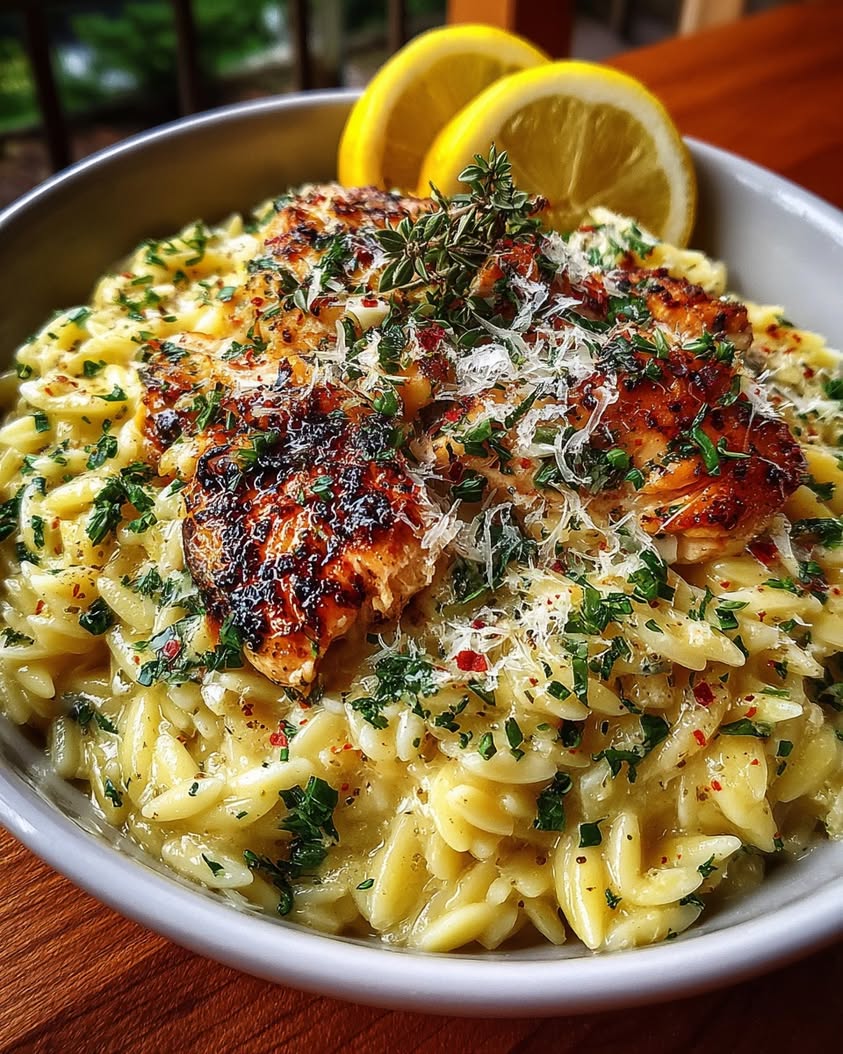
Zesty Lemon Garlic Butter Orzo with Fresh Herbs: A Bright, Creamy Pasta Dream
Imagine a dish that delivers the comforting creaminess of risotto without the constant stirring. This Zesty Lemon Garlic Butter Orzo does exactly that. It is a vibrant, one-pot wonder that transforms simple pantry staples into a restaurant-quality meal in under thirty minutes. Moreover, the combination of rich butter, punchy garlic, and bright lemon creates a symphony of flavors that feels both indulgent and refreshingly light. Ultimately, this recipe is your secret weapon for busy weeknights or impressive last-minute entertaining.
The magic of this Zesty Lemon Garlic Butter Orzo lies in its beautiful simplicity and incredible depth of flavor. As the orzo toasts slightly in the pan, it develops a lovely nutty base. Then, the garlic infuses the butter with its aromatic essence before a generous pour of broth cooks the pasta to a perfect, creamy al dente. Finally, a cascade of fresh lemon juice and zest, along with a handful of herbs, wakes up every single component. Consequently, you get a dish that is simultaneously rich, tangy, and herbaceous in every single bite.
Quick Recipe Highlights
- Flavor Profile: This dish is a masterclass in balance. It features the rich, savory depth of garlic butter beautifully contrasted by the sharp, sunny acidity of fresh lemon. Additionally, the fresh herbs add a final layer of grassy, aromatic complexity that ties everything together perfectly.
- Texture: The orzo achieves a uniquely delightful texture. It is tender and creamy, almost like a risotto, yet each individual rice-shaped pasta piece maintains a pleasant bite. Furthermore, the finished dish has a luxuriously smooth, cohesive sauce that clings to every morsel.
- Aroma: The cooking process fills your kitchen with an irresistible fragrance. First, you will smell the nutty toast of the orzo. Then, the sweet, pungent scent of garlic sizzling in butter takes over. Finally, the bright, citrusy burst of lemon zest finishes the aromatic experience on a high note.
- Visual Appeal: This dish is a feast for the eyes with its stunning color palette. The pale yellow orzo provides a creamy canvas, while the vibrant green flecks of parsley and chives create beautiful contrast. A final garnish of lemon zest adds a pop of sunny color that promises a burst of flavor.
- Skill Level Needed: This is a fantastic recipe for cooks of all levels. It requires only basic techniques like sautéing and simmering. Therefore, even a beginner can achieve spectacular results by simply following the straightforward steps and timing.
- Special Equipment: You need only one essential piece of equipment: a large skillet or saucepan with a lid. A microplane or fine grater for the lemon zest is highly recommended for the best flavor and texture. Otherwise, standard kitchen utensils are perfectly sufficient.
Recipe Overview
- Difficulty Level: We rate this Zesty Lemon Garlic Butter Orzo as “Easy” for several compelling reasons. The process is linear and intuitive, involving no complex techniques like tempering or baking. All steps happen in one pot, minimizing cleanup. Furthermore, the recipe is very forgiving, allowing for slight variations in simmering time without ruining the final product.
- Category: This versatile dish comfortably fits into multiple meal categories. It shines as a magnificent vegetarian main course, especially when paired with a simple side salad. Alternatively, it serves as an elegant and flavorful side dish for grilled chicken, fish, or shrimp. It is also perfect for potlucks and picnics.
- Cuisine: While orzo pasta is a staple of Greek and Italian cuisines, this preparation is a modern, fusion-style creation. It draws inspiration from Italian pasta techniques and the bright, herb-forward flavors often found in Mediterranean cooking. Consequently, it feels both familiar and excitingly new.
- Cost: This recipe is incredibly budget-friendly, making it a fantastic staple. The base ingredients—orzo, butter, garlic, broth—are pantry heroes with a low cost per serving. The fresh lemon and herbs are the only “splurge,” and they are still quite affordable, especially if you grow your own herbs.
- Season: This Zesty Lemon Garlic Butter Orzo is truly a dish for all seasons, yet it particularly sings in the spring and summer. The bright, citrusy profile complements the fresh produce of warmer months. Conversely, its comforting creaminess also makes it a welcome ray of sunshine during darker winter evenings.
- Occasion: Its flexibility makes it suitable for countless occasions. Whip it up for a quick and satisfying family dinner on a Tuesday. Alternatively, double the batch to serve as a stunning side at a dinner party or holiday gathering. It is equally at home on a casual patio table or a formal dining setting.
Why You’ll Love This Recipe
First and foremost, the taste and texture of this Zesty Lemon Garlic Butter Orzo are utterly irresistible. Each forkful delivers a creamy, comforting base that is immediately lifted by a vibrant, tangy punch from the lemon. The garlic provides a savory, aromatic backbone, while the fresh herbs add pops of clean, grassy flavor. This combination creates a dish that is deeply satisfying yet never feels heavy or overly rich. Every element works in perfect harmony, resulting in a complex flavor profile that belies its simple ingredient list.
From a practical standpoint, the convenience of this recipe is a major win. It comes together in one pot, meaning minimal cleanup and maximum efficiency. The total hands-on time is remarkably short, and most of the cook time is passive simmering. Therefore, you can easily prepare a side salad, set the table, or simply relax while the orzo works its magic. This makes the Zesty Lemon Garlic Butter Orzo a reliable go-to for those evenings when time is short but you still crave a homemade, delicious meal.
Nutritionally, this dish offers several advantages when enjoyed as part of a balanced diet. Orzo provides carbohydrates for energy, and using a good-quality broth adds depth without excessive fat. The fresh lemon juice is an excellent source of vitamin C, while garlic boasts allicin, a compound with noted health benefits. By controlling the amount of butter and salt, you can tailor the dish to your dietary preferences. Adding a protein like grilled shrimp or chickpeas can easily transform it into a complete, well-rounded meal.
For entertaining, this Zesty Lemon Garlic Butter Orzo is a true superstar. It is visually impressive and tastes far more sophisticated than the effort required. You can prepare it largely ahead of time, needing only a quick reheat and the addition of fresh herbs before serving. Guests will be delighted by its restaurant-quality flavor, and you will appreciate the stress-free preparation. It pairs wonderfully with a wide variety of mains, making menu planning a breeze.
Finally, the cost-effectiveness and accessibility of this recipe cannot be overstated. It relies on inexpensive, shelf-stable staples that you likely already have on hand. Even the fresh components are affordable and widely available year-round. This makes the Zesty Lemon Garlic Butter Orzo an economical choice for feeding a family or a crowd without sacrificing an ounce of flavor or satisfaction. It proves that eating well does not require expensive or hard-to-find ingredients.
Historical Background and Cultural Significance
Orzo, which means “barley” in Italian, is a rice-shaped pasta that has been a staple in Mediterranean and Middle Eastern cuisines for centuries. Despite its Italian name, its exact origin is somewhat debated, with strong ties to both Greek and Italian culinary traditions. Historically, this small pasta was prized for its versatility and ability to stretch more expensive ingredients like meat and cheese. It was commonly used in soups, pilafs, and baked dishes, providing a hearty, satisfying base that absorbed flavors beautifully. The technique of toasting orzo before simmering it, as done in this recipe, is a traditional method to enhance its nutty flavor and prevent it from becoming mushy.
The cultural significance of orzo is deeply rooted in family and community gatherings. In Greece, it is a central component of “youvetsi,” a beloved baked dish often made for celebrations. In Italy, it frequently appears in “minestre,” or hearty soups. The act of sharing a large pot of orzo-based food symbolizes hospitality and comfort. This Zesty Lemon Garlic Butter Orzo recipe taps directly into that tradition of creating a communal, shareable dish that brings people together. It modernizes the concept by focusing on bright, quick-cooking flavors suited to contemporary lifestyles.
The evolution of this specific recipe reflects broader trends in home cooking. The classic combination of lemon, garlic, and butter—sometimes called “piccata” style—has long been a favorite for proteins like chicken and fish. Applying this iconic flavor trio to pasta, and specifically to orzo, is a relatively recent innovation that maximizes convenience and comfort. It represents a fusion approach, taking a timeless flavor profile and pairing it with a pasta that behaves uniquely, creating a creamy result without the need for dairy-heavy sauces. This evolution speaks to the creativity of home cooks seeking fast, flavorful solutions.
Regional variations of lemon-herb orzo abound, showcasing local ingredients. A Greek version might include Kalamata olives and feta cheese, while an Italian take could feature toasted pine nuts and Parmigiano-Reggiano. In coastal regions, adding seafood like shrimp or scallops is common. Some Middle Eastern variations incorporate warm spices like cumin or a drizzle of tahini. This particular Zesty Lemon Garlic Butter Orzo recipe serves as a brilliant, neutral canvas. Consequently, it invites you to explore these global influences by adding your own preferred regional touches, making the dish uniquely yours.
Ingredient Deep Dive
Orzo Pasta: This small, rice-shaped pasta is the star of the dish. Made from semolina wheat, it originates from Italy but is beloved across the Mediterranean. Nutritionally, it provides complex carbohydrates for sustained energy and contains some protein and fiber. When selecting orzo, opt for a reputable brand for the best texture. You can store dry orzo in your pantry for months. For a gluten-free version, seek out orzo made from brown rice or corn. The key to its creamy texture here is the starch it releases while cooking, which naturally thickens the sauce.
Fresh Lemon: The “zesty” in Zesty Lemon Garlic Butter Orzo comes entirely from fresh citrus. Lemons have a rich history in Mediterranean and Middle Eastern cooking, valued for their preserving qualities and bright flavor. They are an excellent source of vitamin C and antioxidants. Always choose lemons that are heavy for their size with smooth, vibrant yellow skin, as they will be juicier. For this recipe, you need both the juice and the zest. The zest contains potent aromatic oils that provide intense lemon flavor without added acidity. Store whole lemons in the refrigerator to extend their life.
Garlic: A culinary cornerstone for thousands of years, garlic adds indispensable savory depth. It contains allicin, which has been studied for various health benefits. For the best flavor in your Zesty Lemon Garlic Butter Orzo, use fresh garlic cloves, minced finely. Avoid pre-minced jarred garlic, as it often has a muted, sometimes bitter flavor. Look for firm, plump heads with tight, papery skin. Store garlic in a cool, dark, dry place—not in the refrigerator. If you must substitute, garlic powder can work in a pinch, but use only about one-third the amount since it is more concentrated.
Butter: Butter is responsible for the rich, luxurious mouthfeel and helps carry the flavors of garlic and lemon. It has been a cooking fat and flavor enhancer across cultures for centuries. For the best results, use unsalted butter so you can control the sodium level of the dish. The butter is used both to sauté the garlic, infusing it with flavor, and to finish the dish, adding a glossy sheen. You can store butter in the refrigerator for weeks or freeze it for longer. For a dairy-free version, a high-quality vegan butter or olive oil works well, though the flavor profile will shift slightly.
Fresh Herbs (Parsley & Chives): Fresh herbs are non-negotiable for the vibrant finish of this dish. Parsley, often used as a garnish, is actually a nutritional powerhouse rich in vitamins K, C, and A. Chives offer a mild, onion-like flavor. Both herbs represent a commitment to fresh, bright finishing elements common in modern cooking. Choose bunches with perky, vibrant green leaves and no signs of wilting or yellowing. Store them in your refrigerator with stems in a glass of water, covered loosely with a bag. While dried herbs are not a good substitute here, other soft herbs like dill, basil, or tarragon can create delicious variations.
Common Mistakes to Avoid
- Not Toasting the Orzo: Skipping the step of toasting the dry orzo in the butter is a missed opportunity. This brief toast deepens the pasta’s nutty flavor and helps the grains stay separate during cooking. If you add the broth immediately, the orzo will simply boil and can become gummy.
- Burning the Garlic: Adding garlic to very hot butter and leaving it unattended is a common error. Burnt garlic turns bitter and will ruin the entire dish’s flavor. Instead, cook the garlic just until it becomes fragrant, which takes only about 30 seconds to a minute over medium heat.
- Using Bottled Lemon Juice: The bright, clean acidity of fresh lemon juice is irreplaceable. Bottled juice often has a metallic or stale taste that will dull your Zesty Lemon Garlic Butter Orzo. Always squeeze lemons fresh for both the juice and the zest to achieve the intended vibrant flavor.
- Overcooking the Orzo: Orzo continues to cook and absorb liquid even off the heat. Therefore, you should aim for an al dente texture—slightly firm to the bite—while it is still in the pot. It will soften to perfect tenderness as it rests and is served. Overcooked orzo becomes mushy and loses its appealing texture.
- Adding Cheese Too Early: If you choose to add Parmesan cheese, stir it in at the very end, off the heat. Adding cheese while the pot is still on the burner can cause it to clump or become oily. The residual heat is sufficient to melt the cheese smoothly into the creamy sauce.
- Skipping the Rest Time: Immediately serving the orzo after cooking doesn’t allow the sauce to fully settle and thicken. Letting the dish rest, covered, for 3-5 minutes gives the starch time to work its magic, resulting in a creamier, more cohesive final product.
- Using the Wrong Pot Size: Using a pot that is too small will cause the liquid to evaporate too quickly, potentially leaving the orzo undercooked. Using a pot that is too large can cause the liquid to evaporate unevenly. A large, deep skillet or a 3-quart saucepan is ideal for this recipe.
- Neglecting to Season in Layers: Seasoning only at the end leads to a flat-tasting dish. Instead, season lightly when toasting the orzo, and then again after adding the broth. Finally, do a final seasoning adjustment at the end with salt, pepper, and lemon juice. This builds a more complex flavor profile.
Essential Techniques
Toasting the Orzo: This foundational technique is crucial for developing flavor. It involves cooking the dry pasta in melted butter for a few minutes until it turns lightly golden and emits a nutty aroma. This step seals the starch on the surface of the orzo, which helps the grains remain distinct and prevents them from clumping together later. The key is constant stirring over medium heat to ensure even toasting without burning. You will know it is ready when the kitchen smells wonderfully toasty and the orzo’s color has deepened slightly.
Sautéing Garlic: The goal here is to gently cook the minced garlic to mellow its raw pungency and release its sweet, aromatic oils into the butter. The common pitfall is using heat that is too high, which causes the garlic to brown or burn in seconds, creating bitterness. Master this by adding the garlic to the butter after toasting the orzo, when the heat is medium. Stir constantly and cook just until the garlic becomes fragrant—about 30 seconds. The visual cue for success is that the garlic will sizzle gently and become translucent, not brown.
The Simmer and Absorption Method: This is the core cooking technique for the Zesty Lemon Garlic Butter Orzo. After adding the broth, you bring the mixture to a boil, then immediately reduce it to a gentle simmer and cover the pot. The orzo cooks by absorbing the flavorful liquid, much like rice. It is important to maintain a true simmer, not a rolling boil, to cook the pasta evenly without breaking it. Avoid the temptation to stir too frequently, as this can release excess starch and make the dish gluey. The technique is mastered when the liquid is absorbed and the orzo is tender but still al dente.
Finishing with Acid and Fat: Adding the lemon juice and final pat of butter off the heat is a classic restaurant technique called “monter au beurre.” It creates a glossy, emulsified sauce that clings to the pasta. The residual heat gently melts the butter and incorporates the lemon juice without causing it to separate. The technique brightens the entire dish and adds a layer of richness. The visual cue for success is a creamy, slightly shiny sauce that coats the back of a spoon. Stir vigorously during this step to achieve a perfectly unified sauce.
Pro Tips for Perfect Zesty Lemon Garlic Butter Orzo
Use a high-quality, low-sodium chicken or vegetable broth as it forms the flavor base of the entire dish. The broth you choose will directly influence the final taste, so opt for one you would enjoy drinking on its own.
Zest your lemon before juicing it. This is infinitely easier than trying to zest a juiced, floppy lemon half. Use a fine microplane to get fluffy zest without the bitter white pith.
Reserve a little of the fresh herbs for garnish. Sprinkling a final handful of bright green parsley and chives on top of the finished Zesty Lemon Garlic Butter Orzo just before serving enhances its visual appeal and adds a fresh aroma.
If the orzo seems too dry after absorbing the liquid but is still slightly undercooked, add more broth or hot water in small increments, about ¼ cup at a time. Conversely, if it is too soupy, let it simmer uncovered for an extra minute or two.
For an extra layer of flavor, consider adding a Parmesan rind to the pot along with the broth. Simmer it with the orzo and remove it before serving. It will impart a subtle, savory umami depth to the dish.
Let the dish rest covered for five minutes after cooking. This allows the residual heat and steam to finish cooking the pasta evenly and lets the sauce thicken to the perfect creamy consistency.
Taste and adjust the seasoning with absolute precision at the end. The balance of salt, pepper, and lemon juice is what makes this dish sing. Often, a final small squeeze of lemon or pinch of salt is the difference between good and great.
Variations and Adaptations
For regional variations, explore the flavors of the Mediterranean. A Greek-inspired version could include crumbled feta cheese, Kalamata olives, and a sprinkle of dried oregano. An Italian twist might feature toasted pine nuts, sun-dried tomatoes, and a generous helping of grated Pecorino Romano. For a taste of the American South, add sweet corn and chopped cherry tomatoes in the summer.
Seasonal adaptations make this dish a year-round favorite. In spring, stir in fresh peas and asparagus tips during the last few minutes of cooking. For summer, add sweet corn and cherry tomatoes. In fall, incorporate roasted butternut squash cubes and sage. During winter, mix in sautéed mushrooms and a touch of thyme for earthy warmth.
Dietary modifications are straightforward. For a gluten-free Zesty Lemon Garlic Butter Orzo, use certified gluten-free orzo made from rice or corn. To make it vegan, substitute the butter with olive oil or vegan butter and use vegetable broth. For a dairy-free version, follow the vegan butter substitution and omit any cheese garnish.
Flavor variations can take this base recipe in countless directions. Add a pinch of red pepper flakes with the garlic for a spicy kick. Stir in a tablespoon of capers for a briny, piccata-like note. Incorporate a spoonful of pesto at the end for a herbal basil flavor. A dash of white wine added after the garlic and before the broth adds wonderful acidity.
Texture modifications can cater to different preferences. For a richer, risotto-like texture, stir in an extra tablespoon of butter and a splash of cream at the end. For a brothier, soup-like consistency, simply add more liquid. To add crunch, top the finished dish with toasted breadcrumbs, chopped nuts, or crispy fried shallots.
Presentation alternatives can elevate the dish for special occasions. Serve the orzo in a hollowed-out roasted lemon or bell pepper. For individual portions, pack the orzo into a small bowl or ramekin and invert it onto the plate for a neat, molded presentation. Garnish with edible flowers or whole herb sprigs for a restaurant-worthy finish.
Serving and Presentation Guide
Plating techniques matter for visual appeal. For a casual family meal, serve the Zesty Lemon Garlic Butter Orzo directly from the pot at the table. For a more formal presentation, use a large, shallow serving platter or individual pasta bowls. Create a slight well in the center of the orzo with the back of a spoon, which creates attractive shadows and highlights. This technique also provides a perfect spot for a garnish or a protein topping.
Garnishing ideas are simple yet effective. Beyond the standard fresh herbs, consider long curls of Parmesan cheese made with a vegetable peeler, thin slices of lemon arranged in a fan, or a final drizzle of high-quality extra virgin olive oil. A sprinkle of freshly cracked black pepper or smoked paprika adds both color and a flavor hint. For texture, a small handful of toasted pine nuts or slivered almonds works beautifully.
Traditional accompaniments for a dish like this lean toward simple proteins and vegetables. Grilled or pan-seared chicken breasts, shrimp, salmon, or white fish like halibut are classic pairings. For a vegetarian meal, serve it alongside a large, crisp green salad with a lemony vinaigrette or with roasted vegetables like broccoli, zucchini, or cherry tomatoes.
Modern serving suggestions embrace its versatility. Serve it as a sophisticated bed for seared scallops or as a warm side at a picnic alongside grilled sausages. You can also pack it into a lunch container the next day—it reheats well and tastes great cold. For a party, consider serving it in a chafing dish as part of a buffet spread.
Temperature considerations are key. This Zesty Lemon Garlic Butter Orzo is best served warm, immediately after its brief rest. However, it also holds its texture well at room temperature, making it excellent for potlucks. If it cools down and thickens too much, revive it with a small splash of warm broth or water when reheating.
Portion control tips are helpful for meal planning. As a main course, plan for about 1 to 1.5 cups per person. As a side dish, ¾ cup is a standard serving. Remember that orzo is deceptively filling due to its starch content. Using a measuring cup to serve ensures everyone gets an equal amount and helps with nutritional tracking if needed.
Wine and Beverage Pairing
Wine pairings should complement the dish’s bright acidity and rich texture. A crisp, unoaked white wine like Sauvignon Blanc or Pinot Grigio is a perfect match, as their citrus notes echo the lemon in the orzo. For a richer option, a lightly oaked Chardonnay can stand up to the butteriness. If you prefer red wine, choose a light-bodied, low-tannin option like a Pinot Noir served slightly chilled, which won’t overpower the delicate flavors.
Non-alcoholic alternatives can be just as thoughtful. Sparkling water with a twist of lemon or lime complements the meal without competing. For a more crafted option, a herbal iced tea with mint or lemon verbena is refreshing. A tart lemonade or limeade, perhaps diluted with a bit of sparkling water, mirrors the citrus theme of the Zesty Lemon Garlic Butter Orzo beautifully.
While not a classic coffee dish, certain warm beverages can work if serving this for a cozy lunch. A light roast coffee with bright, citrusy notes itself can be a surprising and pleasant pairing. A cup of herbal tea, such as lemon ginger or chamomile with lemon, can provide a soothing, complementary finish to the meal without overwhelming the palate.
Temperature considerations for beverages are straightforward. White wines and non-alcoholic sparklers should be served well-chilled, between 45-50°F. Light reds like Pinot Noir are best at a cool cellar temperature, around 55°F. Iced teas and lemonades should be very cold to provide a refreshing contrast to the warm, creamy pasta.
Serving suggestions for beverages focus on enhancing the dining experience. Always offer water alongside any other drink to cleanse the palate. If serving wine, consider pouring it just before the meal is served so it is at its ideal temperature. For a casual gathering, a large pitcher of citrus-infused water or iced tea on the table allows guests to help themselves.
Storage and Shelf Life
Storage methods are simple but important for food safety. Allow any leftover Zesty Lemon Garlic Butter Orzo to cool to room temperature within two hours of cooking. Then, transfer it to an airtight container. Do not leave it sitting out for extended periods, as the dairy and starchy composition can promote bacterial growth. For best results, portion it into meal-sized containers for easy reheating later.
Temperature requirements are standard for cooked pasta. Refrigerate the leftovers promptly and keep them at or below 40°F. The orzo will keep well in the refrigerator for 3 to 4 days. For longer storage, you can freeze it for up to 2 months, though the texture of the pasta may become slightly softer upon thawing.
Container recommendations include glass or BPA-free plastic containers with tight-fitting lids. These prevent odor transfer in the fridge and help retain moisture, preventing the orzo from drying out. If freezing, use a freezer-safe container or a heavy-duty freezer bag, removing as much air as possible to prevent freezer burn.
Signs of spoilage are easy to spot. Discard the orzo if you notice an off or sour smell, visible mold (often appearing as fuzzy spots), or a significant change in texture becoming unpleasantly slimy. If it has been stored for longer than 4 days in the fridge, it is safest to err on the side of caution and dispose of it.
Reheating instructions are crucial for restoring creaminess. The best method is on the stovetop. Place the orzo in a saucepan with a small splash of water, broth, or milk. Heat over medium-low, stirring frequently, until warmed through. You can also use a microwave: place in a microwave-safe dish, cover loosely, and heat in 30-second intervals, stirring between each, until hot. Reheating helps re-emulsify the sauce.
Freezing guidelines can extend the life of your meal. To freeze, cool the orzo completely. Portion it into freezer bags, lay them flat to freeze, which saves space and speeds thawing. Thaw overnight in the refrigerator before reheating. Note that the fresh herb flavor will diminish after freezing, so you may want to add a fresh sprinkle after reheating.
Make Ahead Strategies
Prep timeline for this dish is very flexible. You can prep all ingredients up to a day in advance. Mince the garlic, juice and zest the lemon, and chop the herbs. Store each component separately in small containers in the refrigerator. The garlic can be covered with a thin layer of oil to prevent drying out. This “mise en place” makes the actual cooking process incredibly fast and stress-free.
Storage between steps is straightforward when prepping ahead. Keep pre-chopped herbs wrapped in a damp paper towel inside a sealed bag to maintain freshness. Store lemon juice in an airtight container; it may darken slightly but the flavor will be fine. Prepared ingredients will hold well for 24 hours, allowing you to assemble the entire Zesty Lemon Garlic Butter Orzo in just 15 minutes when you are ready to cook.
Quality impact assessment is important. The dish is best served immediately after cooking for peak texture and vibrant herb flavor. However, you can cook it completely 1-2 hours ahead of serving. Keep it warm in a low oven (around 200°F) with a lid on, or in a slow cooker on the “warm” setting. Add a tiny splash of broth or water if it thickens too much during holding.
Assembly tips for make-ahead involve holding back key elements. If you need to cook it more than 2 hours in advance, undercook the orzo slightly by reducing the simmer time by 1-2 minutes. Also, reserve the final pat of butter, the lemon juice, and all the fresh herbs. Right before serving, reheat the orzo, then stir in these finishing elements off the heat to refresh the flavor and texture.
Reheating guidelines for make-ahead batches are similar to reheating leftovers. Use the stovetop method with added liquid for the best texture restoration. Gentle heat and constant stirring are your friends to prevent sticking and to re-emulsify the butter and lemon into a smooth sauce. Avoid high heat, which can cause the dairy to separate.
Fresh element additions are the secret to making a make-ahead dish taste just-cooked. No matter when you prepared the base, always add the majority of your fresh herbs at the very end, just before serving. This ensures their bright color and potent aroma are at their peak. A final grating of lemon zest over the top also adds an unmistakable note of freshness.
Scaling Instructions
Halving the recipe is simple for smaller households. Use a medium saucepan instead of a large skillet. Precisely halve all ingredient quantities. The cook time may be slightly shorter, perhaps by 1-2 minutes, because a smaller volume of liquid will come to a boil and be absorbed more quickly. Start checking for doneness a couple of minutes earlier than the original recipe suggests.
Doubling or tripling the recipe is excellent for feeding a crowd. Use a large Dutch oven or stockpot to accommodate the increased volume. You may need to increase the initial toasting time for the orzo by a minute or two to ensure all grains get toasted. The simmering time will likely remain similar, but stir occasionally to prevent sticking on the bottom. Ensure the broth is fully absorbed and the orzo is tender before proceeding.
Equipment adjustments are necessary when scaling. For a double batch, your standard large skillet may not be big enough. Crowding the pan will lead to uneven cooking. For a triple batch, a 6-quart or larger pot is advisable. When significantly increasing the recipe, you might also need a larger whisk or spoon for effective stirring to incorporate all ingredients evenly.
Timing modifications are minimal but worth noting. While the active prep time scales linearly, the cooking time does not double when you double the ingredients. The time to bring the broth to a boil will be longer, but the simmering absorption time may only increase by a few minutes. The key is to rely on visual and textural cues—tender pasta and absorbed liquid—rather than strictly following the original clock time.
Storage considerations change with batch size. A large batch means more potential leftovers. Plan your storage containers in advance. It is often better to store a large batch in several smaller containers rather than one giant one. This allows for quicker cooling (important for food safety) and provides ready-to-go portions for future meals, making the Zesty Lemon Garlic Butter Orzo a fantastic meal-prep option.
Nutritional Deep Dive
Macro breakdown for a standard serving provides a good overview. A serving of this Zesty Lemon Garlic Butter Orzo primarily offers carbohydrates from the pasta, which supply energy. The butter and any added cheese contribute fats, which aid in nutrient absorption and provide satiety. There is a modest amount of protein from the orzo itself. Using vegetable broth and loading up on herbs increases the micronutrient profile without adding significant calories. For a more balanced meal, consider adding a lean protein source.
Micronutrient analysis reveals some beneficial components. Fresh lemon juice is an excellent source of vitamin C, a powerful antioxidant. Garlic contains manganese, vitamin B6, and vitamin C. Parsley is surprisingly rich in vitamins K, A, and C. Using whole-grain orzo, if available, would increase the fiber and mineral content. While not a superfood, the dish incorporates several whole-food ingredients that contribute valuable vitamins and minerals to your diet.
Health benefits are tied to its whole ingredients. The monounsaturated fats in butter (and olive oil if substituted) can be part of a heart-healthy diet in moderation. Garlic has been associated with supporting immune function and cardiovascular health. The antioxidants in lemon and herbs combat oxidative stress. As a comforting home-cooked meal, it also supports mental well-being by reducing reliance on processed convenience foods.
Dietary considerations are important for specific needs. The basic recipe is vegetarian. For those monitoring sodium, using low-sodium broth and controlling added salt is key. Individuals with celiac disease or gluten sensitivity must seek certified gluten-free orzo. The dish contains dairy from butter, which can be substituted. It is generally not suitable for low-carb or keto diets due to the pasta, but serving size can be adjusted.
Portion analysis helps with mindful eating. A standard side-dish portion is satisfying without being excessive. Because the dish is flavorful and creamy, it is easy to feel satisfied with a reasonable amount. Using a smaller plate can help with visual portion control. Remember, the orzo will continue to absorb liquid and expand slightly even after serving, contributing to a{“success”:true,”message”:”Recipe created successfully”,”post_id”:9364,”tasty_recipe_id”:9364,”shortcode”:”“}

I’m Billy, a classically trained culinary school graduate from The Culinary Institute of America with over 12 years in the restaurant industry and over 19 years of cooking experience.