
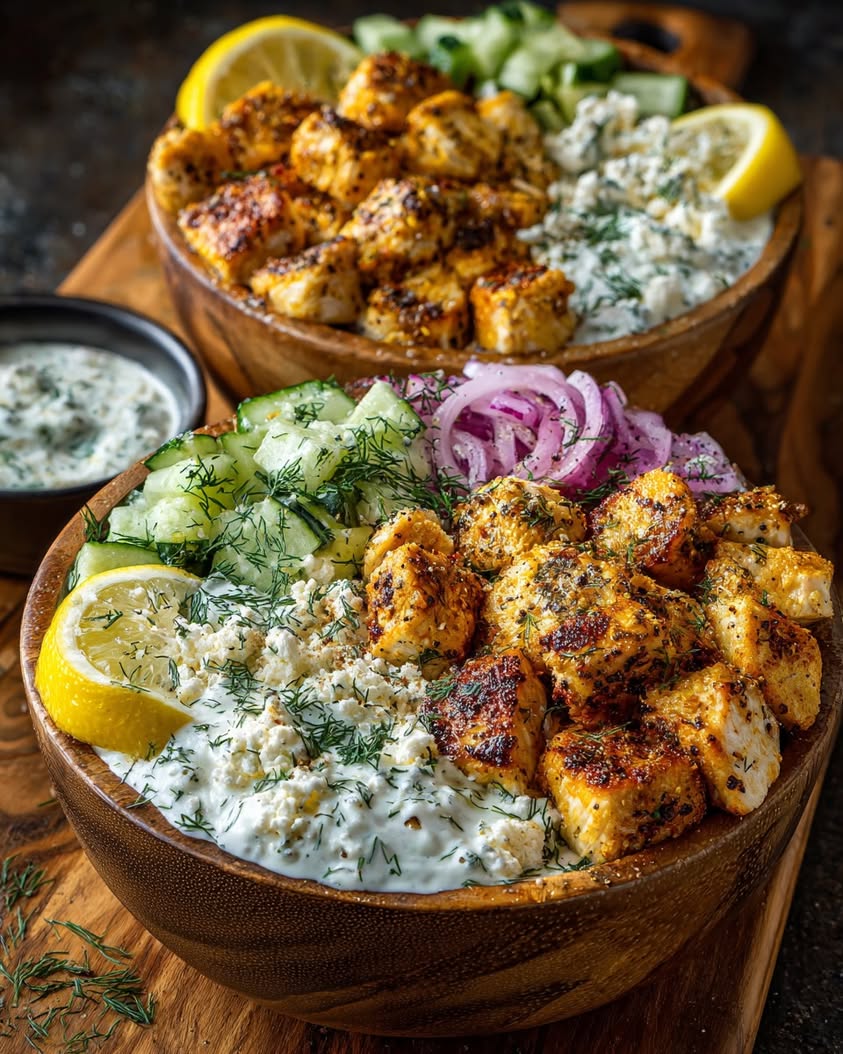
Lemon Pepper Ranch Chicken Cottage Cheese Bowls: Your New Favorite High-Protein Meal
Imagine a meal that perfectly balances creamy, tangy, and savory flavors while packing a serious protein punch. That is exactly what you get with these Lemon Pepper Ranch Chicken Cottage Cheese Bowls. This recipe transforms simple, wholesome ingredients into a vibrant and satisfying dish that feels both indulgent and nourishing. Furthermore, it comes together in about thirty minutes, making it an ideal solution for busy weeknights or a standout lunch prep option.
The magic of these bowls lies in their brilliant combination of textures and tastes. You experience tender, juicy chicken coated in zesty lemon pepper seasoning. Next, you encounter the cool, creamy base of seasoned cottage cheese. Finally, you get the fresh, crisp crunch of colorful vegetables. Each component plays a crucial role, creating a symphony in your mouth with every single bite. Consequently, this dish proves that healthy eating does not have to be boring or bland.
Ultimately, these Lemon Pepper Ranch Chicken Bowls are more than just a meal; they are a testament to smart, flavorful cooking. They cater to fitness enthusiasts seeking a high-protein lunch, families needing a quick dinner, and anyone craving a delicious, no-fuss bowl. The recipe is incredibly adaptable, allowing you to swap ingredients based on what you have on hand. Therefore, let us dive into how you can create this culinary masterpiece in your own kitchen tonight.
Quick Recipe Highlights
- Flavor Profile: These bowls deliver a bright, tangy kick from the lemon pepper seasoning, perfectly complemented by the herby, creamy notes of the ranch-infused cottage cheese. The savory, well-seasoned chicken balances the fresh vegetables for a truly satisfying taste experience.
- Texture: You will enjoy a delightful contrast between the tender, juicy chicken and the smooth, creamy cottage cheese base. Additionally, the crisp raw vegetables like cucumber and bell pepper add a necessary fresh crunch that makes every bite interesting.
- Aroma: As the chicken cooks, your kitchen will fill with the inviting, citrusy scent of lemon pepper and the savory aroma of roasting chicken. The fresh herbs in the ranch seasoning add a final layer of garden-fresh fragrance to the finished dish.
- Visual Appeal: These bowls are a feast for the eyes with their vibrant colors. The golden-brown chicken sits atop a white creamy base, surrounded by a rainbow of red cherry tomatoes, green cucumbers, and bright bell peppers, making them incredibly Instagram-worthy.
- Skill Level Needed: This is a beginner-friendly recipe requiring only basic cooking skills like chopping vegetables and pan-searing chicken. No advanced techniques are necessary, making it accessible for cooks of all experience levels.
- Special Equipment: You only need a good skillet or frying pan for the chicken, a mixing bowl, and a few basic kitchen knives and cutting boards. No fancy appliances or tools are required to achieve perfect results.
Recipe Overview
- Difficulty Level: We rate this recipe as easy because it involves straightforward techniques like seasoning, pan-cooking, and assembling. The steps are simple and logical, with minimal room for error. Even a novice cook can follow the instructions and achieve a restaurant-quality result. The entire process is designed for efficiency and success.
- Category: This dish fits perfectly into several meal categories: it is an excellent high-protein main course for lunch or dinner, a fantastic meal prep option, and a great light yet filling bowl recipe. It bridges the gap between a hearty salad and a comforting grain bowl without the grains.
- Cuisine: While not tied to a specific traditional cuisine, these bowls draw inspiration from American comfort food (ranch seasoning) and the global trend of healthy, protein-packed bowls. The use of lemon pepper adds a universal, zesty flavor profile that appeals to a wide audience.
- Cost: This is a very budget-friendly recipe. Chicken breast and cottage cheese are affordable protein sources. The vegetables are common and inexpensive, especially when in season. The seasonings are pantry staples for most home cooks, keeping the overall cost per serving remarkably low.
- Season: This recipe shines year-round but is particularly perfect for spring and summer. The fresh, bright flavors of lemon and the cool cottage cheese are refreshing in warmer weather. However, it also provides a light and healthy option during heavier winter months.
- Occasion: These bowls are versatile for any occasion. They are ideal for a quick family weeknight dinner, a healthy lunch at your desk, or even for serving guests in a casual setting. You can easily double the recipe for a crowd without any stress.
Why You’ll Love This Recipe
First and foremost, the taste and texture appeal is undeniable. Each forkful delivers a complex yet harmonious blend of flavors. You get the sharp, citrusy zing from the lemon pepper chicken immediately. Then, the creamy, tangy cottage cheese base mellows everything out beautifully. Finally, the fresh vegetables provide a clean, crisp finish that keeps the dish feeling light. This combination ensures you never get bored, making it a meal you will genuinely crave again and again.
Next, consider the sheer convenience and preparation benefits. These Lemon Pepper Ranch Chicken Bowls come together in thirty minutes from start to finish. The cooking process is simple and mostly hands-off once the chicken is in the pan. Moreover, the recipe is a meal prep superstar. You can cook the chicken and chop the vegetables ahead of time, then assemble your bowls in minutes throughout the week. This makes healthy eating effortless, even on your busiest days.
From a nutritional standpoint, these bowls are a powerhouse. They are packed with high-quality protein from both the chicken and the cottage cheese, which helps keep you full and supports muscle maintenance. The colorful vegetables contribute essential vitamins, minerals, and fiber. Importantly, the dish is naturally low in carbs and sugars, aligning with many popular dietary approaches. You are nourishing your body with whole, recognizable ingredients without any compromise on flavor.
Furthermore, this recipe offers excellent social and entertaining value. It is incredibly easy to scale up for a group. You can set up a “bowl bar” with separate containers of chicken, cottage cheese, and various veggie toppings, allowing guests to build their own creations. This interactive element makes dinner fun and caters to different preferences effortlessly. It is a surefire way to impress friends and family with a meal that looks and tastes gourmet.
Finally, the cost-effectiveness and accessibility are major wins. You do not need expensive or hard-to-find ingredients. Chicken breast, cottage cheese, and basic vegetables are available at any grocery store. The seasonings are common pantry items. This makes the recipe accessible to everyone, regardless of their grocery budget. You get a restaurant-quality, nutrient-dense meal for a fraction of the price you would pay eating out, which is a fantastic value for your wallet and your health.
Historical Background and Cultural Significance
The origin story of this dish is a modern tale of culinary fusion. It does not hail from a specific region but rather evolved from contemporary health and wellness trends. The concept of the “protein bowl” or “macro bowl” gained massive popularity in the 2010s, driven by fitness communities and the demand for convenient, balanced meals. Our Lemon Pepper Ranch Chicken Bowls are a direct descendant of this movement, combining the American love for ranch flavor with the global appreciation for quick, assembled meals.
Regarding cultural importance, this recipe represents a shift towards mindful, protein-focused eating. Cottage cheese, once seen as a dated diet food, has experienced a major resurgence as a versatile, high-protein ingredient. Simultaneously, the lemon pepper seasoning blend has roots in Southern American cooking but has become a nationwide staple for its ability to add instant flavor. This bowl brings these elements together, creating a dish that feels both nostalgic and decidedly modern.
The evolution of the recipe follows the path of home cooking innovation. Home cooks constantly seek ways to make healthy food more exciting. The idea of using seasoned cottage cheese as a creamy, high-protein base instead of dressings or grains was a genius innovation. It provides richness and substance without the heaviness. Adding the universally loved lemon pepper chicken on top was the logical next step, creating a complete meal that satisfies multiple cravings at once.
Regional variations of this concept are endless, which speaks to its adaptability. In the Southwest, you might add black beans, corn, and a sprinkle of chili powder. A Mediterranean version could feature olives, feta, and oregano. The basic framework of protein + creamy element + fresh veggies is a global template. Our specific combination of lemon pepper and ranch simply offers one delicious, crowd-pleasing iteration of this modern culinary format.
Ingredient Deep Dive
Starting with chicken breast, this lean protein is the cornerstone of the dish. Culturally, chicken is one of the most universally consumed meats, prized for its mild flavor and versatility. Nutritionally, it is an excellent source of complete protein, B vitamins, and selenium. For the best results, select plump, evenly-sized breasts. You can also use chicken thighs for more fat and flavor. Always pat the chicken dry before seasoning to ensure a good sear. Store raw chicken in the coldest part of your fridge and use within two days.
Next, cottage cheese is the revolutionary base of these bowls. Historically, cottage cheese is one of the oldest cheeses, made by curdling milk. It has long been valued in health and diet circles. Its nutritional profile is impressive, offering casein protein (which digests slowly), calcium, and probiotics. For this recipe, choose a small-curd, full-fat or low-fat variety based on your preference; avoid non-fat as it can be watery. If you are not a fan of the texture, you can blend it until smooth. Store it tightly sealed in its original container.
The lemon pepper seasoning is the flavor hero. This blend typically contains dried lemon zest, cracked black pepper, salt, and sometimes garlic and onion powder. It provides a bright, zesty, and slightly spicy note without any added liquid. You can use a store-bought blend or make your own by combining lemon zest with coarse black pepper and salt. The key is to coat the chicken generously for maximum flavor impact. Check the label if you are sodium-sensitive, as some blends are high in salt.
Finally, the fresh vegetables like cucumber, cherry tomatoes, and bell pepper are crucial for texture and nutrition. These vegetables add hydration, fiber, vitamins, and a pop of color. Select firm, vibrant vegetables for the best crunch and flavor. You can absolutely substitute based on seasonality—try radishes in spring or roasted sweet potato in fall. For optimal freshness, store chopped vegetables in airtight containers with a paper towel to absorb excess moisture. Their freshness is what makes the bowl truly sing.
Common Mistakes to Avoid
- Overcooking the Chicken: This is the most common pitfall. Overcooked chicken breast becomes dry and tough. To avoid this, use a meat thermometer and remove the chicken from the pan when it reaches 165°F internally. Remember, it will continue to cook slightly while resting.
- Not Drying the Chicken: If you season wet chicken, the seasoning will not stick properly and the chicken will steam instead of sear. Always pat chicken breasts thoroughly dry with paper towels before adding oil and seasoning.
- Using Watery Cottage Cheese: The wrong cottage cheese can make your bowl soggy. Avoid brands with excessive liquid. If yours is watery, drain it in a fine-mesh strainer for a few minutes before mixing with the ranch seasoning.
- Underseasoning the Cottage Cheese: Plain cottage cheese on its own can be bland. Do not skip mixing it with the ranch seasoning packet. This step is essential for transforming it into a flavorful, creamy sauce for your bowl.
- Chopping Vegetables Too Far in Advance: For meal prep, you can chop veggies a day or two ahead. However, if chopped too early, they can lose their crispness and become limp. Store them in very airtight containers.
- Skipping the Resting Time for Chicken: Cutting into the chicken immediately after cooking releases all the precious juices onto your cutting board. Let it rest for 5-10 minutes before slicing to ensure it stays juicy.
- Overcrowding the Pan: If you put too much chicken in the pan at once, the temperature drops and the chicken steams instead of developing a beautiful golden crust. Cook in batches if necessary to give each piece space.
- Forgetting to Taste and Adjust: Before assembling the final bowls, taste your components. Does the cottage cheese need more pepper? Does the chicken need another pinch of salt? A final seasoning adjustment makes a world of difference.
Essential Techniques
Pan-Searing Chicken: This technique is crucial for developing flavor through the Maillard reaction, which creates a delicious brown crust. To master it, ensure your pan is properly preheated over medium-high heat before adding oil. Then, place your seasoned, dry chicken in the pan and do not move it for several minutes. This allows the crust to form. A common pitfall is flipping the chicken too early. Wait until it releases easily from the pan. The visual cue for success is a deep golden-brown color on the cooked side.
Slicing Against the Grain: This technique is vital for ensuring your chicken is tender and easy to chew. The “grain” refers to the direction of the muscle fibers running through the meat. After the chicken rests, identify these long lines. Then, use a sharp knife to slice perpendicularly across those lines, not parallel to them. This shortens the muscle fibers, making each piece much more tender. If you slice with the grain, the chicken will be stringy and tough, regardless of how well it was cooked.
Seasoning Layering: Building flavor at multiple stages is what makes this dish exceptional. You season the chicken directly before cooking. You season the cottage cheese separately. Finally, you can add a final pinch of flaky salt or pepper over the assembled bowl. This approach ensures every component is flavorful on its own and that the final dish has depth. The mistake is seasoning only once, usually at the end, which leads to bland bites and overly salty surfaces.
Pro Tips for Perfect Lemon Pepper Ranch Chicken Bowls
For the juiciest chicken, brine your chicken breasts for 30 minutes in a simple saltwater solution before cooking. This helps the meat retain moisture during the high-heat cooking process.
Let the seasoned cottage cheese mixture sit for at least 10 minutes before assembling the bowls. This allows the dried herbs in the ranch seasoning to rehydrate and the flavors to meld together perfectly.
Use a mix of colors for your vegetables. Incorporating red, yellow, and orange bell peppers along with green cucumber makes the bowl visually stunning and provides a wider range of nutrients.
Add a squeeze of fresh lemon juice over the assembled bowl right before eating. This brightens all the flavors and adds a layer of freshness that powdered seasoning alone cannot provide.
If meal prepping, store the components separately. Keep the sliced chicken, seasoned cottage cheese, and chopped vegetables in their own containers. Assemble just before eating to maintain ideal textures.
For an extra flavor boost, add a sprinkle of everything bagel seasoning, toasted sesame seeds, or a drizzle of chili crisp over the top of your finished bowl.
Warm your serving bowls slightly before assembling. A warm bowl will take the chill off the cottage cheese and make the entire eating experience more cohesive and pleasant.
Variations and Adaptations
For regional variations, consider a Tex-Mex twist. Swap the lemon pepper for taco seasoning on the chicken. Then, use a blend of cottage cheese with salsa verde instead of ranch. Top with black beans, corn, avocado, and cilantro. Alternatively, try a Greek version with oregano and garlic-seasoned chicken, and mix the cottage cheese with dill and lemon zest. Top with kalamata olives, red onion, and a sprinkle of crumbled feta cheese.
Seasonal adaptations are simple and rewarding. In summer, use heirloom cherry tomatoes, fresh sweet corn, and zucchini. For fall, roast cubed butternut squash or sweet potato and use it as a warm topping alongside the chicken. Winter calls for heartier greens like massaged kale as a base instead of all raw veggies. Spring is perfect for adding fresh peas, asparagus tips, and radishes for a crisp, fresh bite.
Dietary modifications are straightforward. For a dairy-free version, replace cottage cheese with a thick, plain dairy-free yogurt or a blended silken tofu base seasoned with ranch spices. To make it keto or ultra-low-carb, ensure your ranch seasoning packet has no added sugars and increase the portion of high-fat toppings like avocado. For a Paleo adaptation, omit the dairy entirely and use a creamy avocado mash or “ranch” dressing made from compliant ingredients as your base.
Serving and Presentation Guide
Plating is key for visual appeal. Start by spreading the seasoned cottage cheese in a smooth layer at the bottom of a wide, shallow bowl. This creates a creamy canvas. Then, artfully arrange the sliced lemon pepper chicken in the center or slightly to one side. Next, group your vegetable toppings in small, distinct piles around the chicken, creating a colorful and organized look. This method is more appealing than haphazardly tossing everything together.
Garnishing adds the final professional touch. A light sprinkle of freshly cracked black pepper, a few lemon zest curls, or a scattering of microgreens or chopped fresh chives elevates the dish instantly. If you have fresh dill or parsley, a small sprig adds a touch of green. For a bit of texture contrast, a small handful of toasted pine nuts or sunflower seeds works wonderfully. Remember, garnish should be edible and complement the flavors.
Consider traditional and modern accompaniments. While the bowl is a complete meal, you can serve it with a side of crusty whole-grain bread or garlic toast for dipping. For a more substantial meal, a simple side salad with a light vinaigrette works well. In a modern context, these bowls are often enjoyed solo as a perfectly balanced macro meal. For serving temperature, the contrast between the warm chicken and the cool cottage cheese and veggies is part of the charm, so serve immediately after assembly.
Wine and Beverage Pairing
For wine pairings, you want something that complements the dish’s bright, creamy, and herbal notes. A crisp, unoaked Sauvignon Blanc is an excellent choice. Its citrus and grassy flavors mirror the lemon pepper and fresh herbs beautifully. Alternatively, a dry Riesling with its slight stone fruit notes can balance the tanginess of the cottage cheese. If you prefer red, opt for a light-bodied, low-tannin Pinot Noir served slightly chilled, which will not overpower the chicken’s delicate seasoning.
Non-alcoholic alternatives are just as important. Sparkling water with a squeeze of lemon or lime is a classic, refreshing choice that cleanses the palate. For something more substantial, a lightly sweetened iced herbal tea, like lemon verbena or mint, pairs wonderfully. A cucumber-infused water also echoes the fresh vegetable components in the bowl. The goal is to choose a beverage that refreshes without competing with the meal’s distinct flavors.
Temperature considerations are crucial for enjoyment. White wines and non-alcoholic sparklers should be served well-chilled, around 45-50°F. This cool temperature provides a refreshing contrast to the warm chicken. If serving iced tea or infused water, ensure it is cold but not so icy that it numbs the palate. The beverage should enhance the eating experience, not distract from the carefully balanced flavors of your Lemon Pepper Ranch Chicken Bowls.
Storage and Shelf Life
Proper storage methods are essential for food safety and quality. Store all components separately in airtight containers in the refrigerator. The cooked, sliced lemon pepper chicken will keep for 3-4 days. The seasoned cottage cheese is best used within 4-5 days. The chopped raw vegetables are most crisp within 2-3 days. Never leave the assembled bowls at room temperature for more than two hours. For the best texture, assemble your bowl just before eating.
Signs of spoilage are important to recognize. Discard any chicken that has developed an off odor, a slimy texture, or an unusual color. Cottage cheese that smells excessively sour or shows signs of mold should be thrown away. Vegetables that have become limp, slimy, or discolored are no longer good. When in doubt, follow the golden rule: if you are unsure, it is safer to discard the item than risk foodborne illness.
Reheating instructions apply only to the chicken. To reheat, place the sliced chicken in a microwave-safe dish with a splash of water or broth. Cover and heat in 30-second intervals until just warmed through to prevent drying out. Alternatively, reheat it gently in a skillet over low heat with a teaspoon of oil or water. Do not reheat the cottage cheese or raw vegetables, as this will ruin their texture. Always add them fresh to the reheated chicken.
Make Ahead Strategies
An efficient prep timeline can save you hours during the week. On your prep day, cook and slice all the chicken, then let it cool completely before storing. Next, mix the cottage cheese with the ranch seasoning and portion it into containers. Finally, wash, dry, and chop all your vegetables. Store each component in its own dedicated container. This system allows you to assemble a fresh, crisp bowl in under two minutes on a busy weekday.
Understanding storage between steps is key. Cool the chicken completely before sealing it in a container to prevent condensation, which can make it soggy. Place a paper towel over the cottage cheese before sealing the lid to absorb any excess moisture that may weep out. For the vegetables, store them with a dry paper towel in an airtight container to maintain crispness. Proper staging like this preserves the quality of each element.
For assembly tips, always start with the cold base. Add the seasoned cottage cheese to the bowl first. Then, add your cold vegetables. Finally, top with the reheated (or cold, if you prefer) chicken. This order prevents the warm chicken from wilting the vegetables prematurely. If taking the bowl to go, use a container with compartments or a large jar, layering the cottage cheese at the bottom, then veggies, with chicken on top to keep everything separated until you are ready to eat.
Scaling Instructions
Halving the recipe is simple for smaller households. Use one large chicken breast (about 8 oz), half a container of cottage cheese (1 cup), and half a packet of ranch seasoning. Reduce the vegetable quantities by roughly half. The cook time for the chicken may decrease slightly since you are using a smaller piece, so keep a closer eye on it and use a thermometer. All other techniques remain exactly the same.
Doubling or tripling the recipe for a crowd requires minor adjustments. Use a very large skillet or cook the chicken in multiple batches to avoid overcrowding. You can also bake the chicken breasts on a sheet pan at 400°F for 18-22 minutes for easier bulk cooking. For the cottage cheese, simply mix a full 16-ounce container with an entire 1-ounce packet of ranch seasoning. Increase your vegetable chopping accordingly. Consider setting up an assembly line for efficient bowl building.
Equipment adjustments may be necessary when scaling. For a double batch, ensure you have a large enough mixing bowl for the cottage cheese. You may need two skillets going simultaneously or to use your oven’s broiler to finish multiple chicken breasts. Timing modifications are minimal; while the chicken for a double batch may take slightly longer if cooked in batches, the hands-on prep time increases linearly. The beauty of this recipe is its scalability without complex formula changes.
Nutritional Deep Dive
The macro breakdown of one serving is impressive. You get approximately 35-40 grams of high-quality protein from the combination of chicken and cottage cheese, which is excellent for satiety and muscle support. The fat content is moderate and comes primarily from the chicken and the dairy, providing essential fatty acids. Carbohydrates are low, coming almost exclusively from the vegetables, making this a naturally low-carb, high-protein meal ideal for many dietary approaches.
Micronutrient analysis reveals a wealth of vitamins and minerals. The chicken provides B vitamins, particularly B6 and niacin, which are crucial for energy metabolism. Cottage cheese is a significant source of calcium and phosphorus for bone health. The colorful vegetables contribute vitamin C from bell peppers, vitamin K from cucumbers, and lycopene from tomatoes. This combination supports immune function, skin health, and overall cellular protection.
For weight management, these bowls are a powerful tool. The high protein and moderate fat content promote feelings of fullness and can help regulate appetite throughout the day. The low carbohydrate and sugar content help manage insulin response. Furthermore, the high volume of vegetables adds bulk and fiber with minimal calories, allowing you to eat a satisfying, large portion without overconsuming calories. It is a sustainable approach to healthy eating that does not feel restrictive.
Dietary Adaptations
For a gluten-free adaptation, this recipe is naturally gluten-free. However, you must always check the labels on your seasoning packets, as some ranch and lemon pepper blends may contain gluten as a filler or anti-caking agent. Look for certified gluten-free brands or make your own blends using pure spices and dried herbs to be absolutely safe.
A dairy-free version is easily achievable. Replace the cottage cheese with a thick, plain, unsweetened dairy-free yogurt made from coconut or almond milk. Alternatively, use a blended silken tofu base. Season it with a homemade ranch spice mix (dill, garlic powder, onion powder, chives) and a squeeze of lemon juice to mimic the tang. The result will be similarly creamy and flavorful.
For a keto or very low-carb adaptation, confirm your ranch seasoning has no added sugars or starches. You can increase the healthy fat content by adding sliced avocado or a drizzle of olive oil to the bowl. Ensure your vegetable choices are lower in carbs, focusing on cucumbers, bell peppers, and leafy greens, and perhaps reducing the amount of cherry tomatoes slightly.
Troubleshooting Guide
If your chicken turns out dry, the most likely cause is overcooking. Next time, use a digital meat thermometer and remove the chicken from the heat at 160°F, as it will carry over to 165°F while resting. For the current batch, you can salvage it by dicing it small and mixing it thoroughly with the creamy cottage cheese, or by serving it with an extra drizzle of olive oil or a side of sauce.
If the flavors seem bland, you likely underseasoned. Do not be afraid to season in layers. Next time, be generous with the lemon pepper on the chicken and ensure the cottage cheese is well-mixed with the ranch packet. For the bowl in front of you, try adding a pinch of flaky sea salt, a crack of fresh black pepper, or a squeeze of fresh lemon juice over the top to wake up all the flavors instantly.
If your vegetables become soggy in meal prep, moisture is the enemy. Ensure all chopped vegetables are thoroughly dried after washing. Store them with a dry paper towel in an airtight container. For cucumbers specifically, you can wait to chop them until the day you plan to eat the bowl, as they release the most water. Consider heartier vegetables like bell peppers and radishes for longer prep windows.
Recipe Success Stories
Community feedback on this recipe has been overwhelmingly positive. Many readers report that it has become a weekly staple in their homes because it is so reliable and satisfying. One common theme is how the recipe has helped people increase their protein intake without feeling like they are on a “diet.” Families love that it is easy to customize for picky eaters by serving the components deconstructed.
Variation successes from readers are inspiring. One home cook shared that she added a tablespoon of everything bagel seasoning to the cottage cheese mixture for an extra savory crunch. Another substituted the ranch seasoning for a Greek yogurt herb blend and added kalamata olives for a Mediterranean twist. A fitness enthusiast shared that he doubles the chicken portion for his post-workout meal and adds a side of quinoa for extra carbs.
Reader suggestions have also improved the recipe. Several people recommended letting the seasoned cottage cheese sit overnight in the fridge, claiming the flavors deepen and meld perfectly. Others suggested using an air fryer to cook the chicken for an even easier, less messy method with a consistently crispy exterior. These community-driven tips showcase the recipe’s versatility and how it sparks creativity in the kitchen.
Frequently Asked Questions
Can I use chicken thighs instead of breasts? Absolutely. Chicken thighs will be more flavorful and juicy due to their higher fat content. Adjust cooking time slightly, as thighs may take a minute or two longer to cook through. The lemon pepper and ranch pairing works equally well with dark meat.
I don’t like the texture of cottage cheese. Any alternatives? Yes, you can blend the cottage cheese until completely smooth before mixing with the ranch seasoning. Alternatively, use full-fat plain Greek yogurt for a similar protein content and creamy texture with less curd.
Can I make this recipe ahead for meal prep? Definitely. It’s an excellent meal prep recipe. Store the cooked chicken, seasoned cottage cheese, and chopped vegetables separately in airtight containers for up to 4 days. Assemble your bowl just before eating to keep the veggies crisp.
Is there a way to make my own lemon pepper seasoning? Easily. Combine 2 tablespoons lemon zest (dried is best), 2 tablespoons cracked black pepper, 1 tablespoon salt, and 1 teaspoon each of garlic powder and onion powder. Store in an airtight jar.
What can I use instead of a ranch seasoning packet? Make your own blend with 1 tsp each dried dill, parsley, chives, garlic powder, onion powder, plus 1/2 tsp salt and 1/4 tsp black pepper. Mix this into the cottage cheese.
Can I eat this cold? Yes, it’s delicious cold. The chicken can be enjoyed chilled straight from the fridge, making this a great no-reheat lunch option. All the flavors still shine through at a cooler temperature.
How can I add more healthy fats to this bowl? Add half an avocado, sliced or diced, to your bowl. You can also drizzle with a high-quality olive oil or sprinkle with toasted nuts or seeds like sunflower seeds or slivered almonds.
My cottage cheese seems watery. What should I do? Drain it in a fine-mesh strainer for 10-15 minutes before mixing with the seasoning. You can also look for a “dry curd” or “small curd” cottage cheese, which typically has less liquid.
Can I freeze the cooked chicken for this recipe? You can freeze the cooked, sliced lemon pepper chicken for up to 3 months. Thaw in the refrigerator overnight. Note that the texture may be slightly less juicy after freezing and reheating.
What are the best vegetables to add? Beyond cucumbers and tomatoes, try bell peppers, red onion, shredded carrots, sugar snap peas, blanched broccoli, or roasted zucchini. Choose veggies you enjoy raw or lightly cooked for the best texture contrast.
Additional Resources
For related recipes, explore other high-protein bowl concepts. A Southwest Chicken Bowl with black beans, corn, and avocado crema follows a similar assembly principle. A Greek Yogurt Chicken Salad Bowl uses seasoned Greek yogurt as the base instead of cottage cheese. These recipes all offer the same convenience and nutritional balance, allowing you to rotate flavors throughout the week without getting bored.
If you want to deepen your technique skills, research proper chicken searing and resting methods. Understanding how to use a meat thermometer correctly will improve all your protein cooking. Learning basic knife skills for efficiently chopping vegetables will also speed up your prep time for this and countless other recipes. These foundational skills are the true secret to consistent kitchen success.
For ingredient information, look into the benefits of different protein sources. Understanding the difference between casein (in cottage cheese) and whey protein can help you time your meals for fitness goals. Learning about the micronutrient profiles of colorful vegetables might inspire you to try new varieties in your bowls, maximizing the health benefits of every meal you create.
{“success”:true,”message”:”Recipe created successfully”,”post_id”:9313,”tasty_recipe_id”:9313,”shortcode”:”“}

I’m Billy, a classically trained culinary school graduate from The Culinary Institute of America with over 12 years in the restaurant industry and over 19 years of cooking experience.