
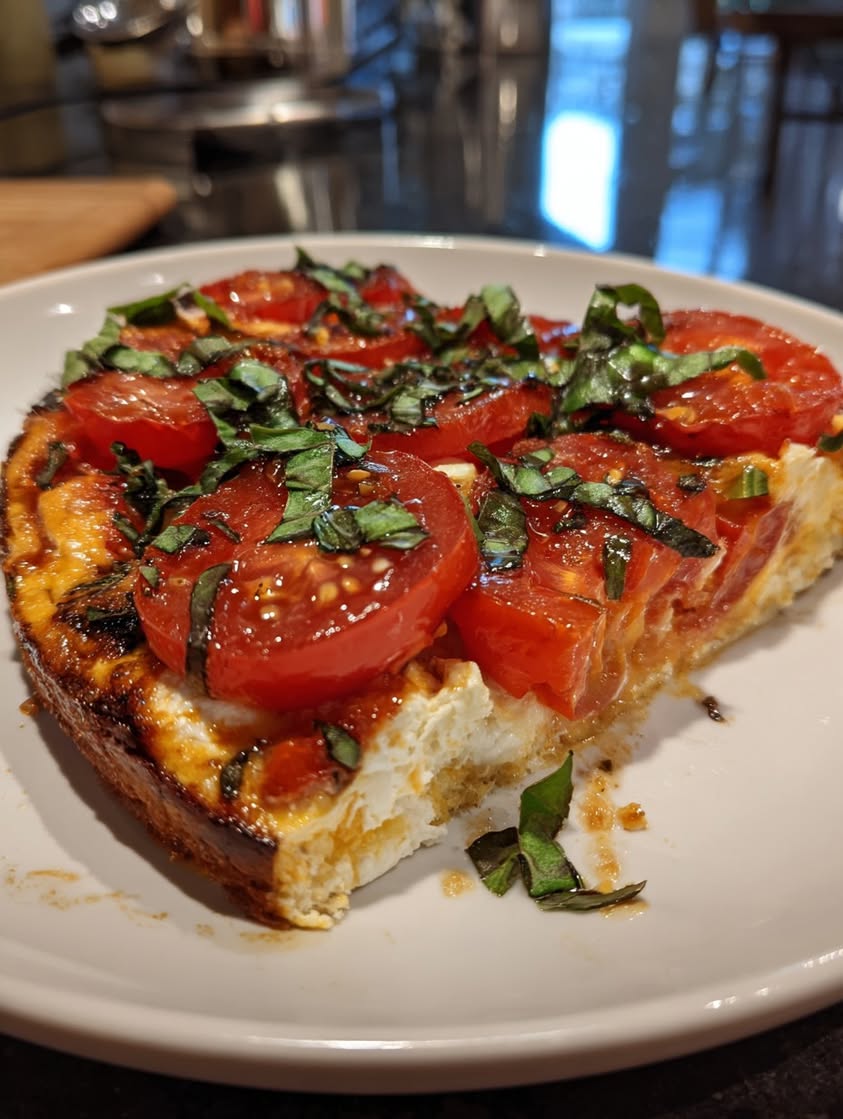
Tomato Basil Cottage Skillet: A High-Protein Mediterranean Meal
Imagine a dish that combines the rustic charm of the Mediterranean with the quick convenience of a modern weeknight dinner. This Tomato Basil Cottage Skillet is precisely that kind of magical meal. It brings together juicy, sun-ripened tomatoes, fragrant fresh basil, and creamy, high-protein cottage cheese in a single pan. Consequently, you get a vibrant, satisfying dish that feels both wholesome and indulgent. The aroma that fills your kitchen as it simmers is nothing short of intoxicating, promising a feast for the senses.
This high-protein Mediterranean meal is a testament to how simple ingredients can create extraordinary flavors. Each bite offers a delightful contrast between the sweet, acidic burst of tomatoes and the rich, milky tang of the cottage cheese. Furthermore, the fresh basil adds a peppery, aromatic lift that ties everything together beautifully. It is a recipe designed for real life, delivering maximum flavor with minimal effort and cleanup. Ultimately, it is the perfect answer for anyone seeking a nutritious, delicious, and uncomplicated dinner solution.
Quick Recipe Highlights
- Flavor Profile: This dish features a bright, tangy foundation from the tomatoes, perfectly balanced by the creamy, mild cottage cheese. The garlic and basil add layers of aromatic depth, creating a classic Mediterranean taste that is both familiar and exciting.
- Texture: You will experience a wonderful medley of textures, from the soft, almost melt-in-your-mouth quality of the cooked tomatoes to the creamy, curded body of the cottage cheese. The result is a comforting and cohesive skillet meal that is incredibly satisfying.
- Aroma: As the dish cooks, the kitchen fills with the unmistakable, savory scent of sautéing garlic, which then mellows into the sweet, herbaceous fragrance of fresh basil. This aromatic combination is the hallmark of simple, fresh Mediterranean cooking.
- Visual Appeal: The Tomato Basil Cottage Skillet is a feast for the eyes, boasting a vibrant red color from the tomatoes, dotted with white curds from the cheese and flecks of green basil. It is a colorful, rustic presentation that looks as good as it tastes.
- Skill Level Needed: This recipe is perfect for absolute beginners, as it requires no advanced techniques. Essentially, you just need to know how to chop vegetables and stir ingredients in a pan, making it an accessible and foolproof cooking project.
- Special Equipment: The only essential tool is a reliable, medium-sized oven-safe skillet. Otherwise, you just need basic kitchen gear like a cutting board and a knife, ensuring you can make this high-protein meal without any specialized gadgets.
Recipe Overview
- Difficulty Level: We classify this Tomato Basil Cottage Skillet as easy because it involves straightforward chopping and simple stovetop simmering. There are no complex techniques or precise baking times to worry about. The process is forgiving and intuitive, making it an ideal recipe for a busy weeknight or a novice cook building confidence in the kitchen.
- Category: This versatile dish fits perfectly into several meal categories. It works wonderfully as a hearty vegetarian main course, a substantial side dish alongside grilled chicken or fish, or even a luxurious breakfast or brunch option. Its flexibility is one of its greatest strengths for meal planning.
- Cuisine: This recipe draws direct inspiration from the sun-drenched flavors of the Mediterranean. It embodies the region’s culinary philosophy of using a few, high-quality, fresh ingredients to create healthy and flavorful dishes. The combination of tomato, basil, and garlic is a classic trifecta in Italian cooking, celebrated for its simplicity and delicious results.
- Cost: This is an exceptionally budget-friendly meal. Cottage cheese and canned tomatoes are inexpensive protein and produce staples. Fresh basil and garlic, while flavorful powerhouses, are used in modest quantities, keeping the overall cost very low. You can create a satisfying meal for four without straining your grocery budget.
- Season: While this high-protein Mediterranean meal is fantastic year-round, it truly shines in the summer. This is when tomatoes and basil are at their peak of freshness and flavor, harvested straight from the garden or found abundantly at farmers’ markets. However, using quality canned tomatoes makes it a reliable winter comfort food as well.
- Occasion: This skillet is incredibly versatile for different events. It is quick enough for a casual family dinner, elegant enough for a relaxed weekend brunch with friends, and healthy enough for a post-workout meal. Its simple, crowd-pleasing flavor profile makes it suitable for almost any informal gathering.
Why You’ll Love This Tomato Basil Cottage Skillet
First and foremost, the taste and texture of this high-protein Mediterranean meal are utterly captivating. The sweet and tangy tomatoes create a lush, saucy base that clings to the creamy, mild curds of the cottage cheese. Each forkful is a harmonious blend of bright acidity and rich, milky comfort, punctuated by the fresh, peppery notes of basil. The flavors are robust yet balanced, satisfying cravings for something both light and substantial. It is a comforting dish that feels gourmet without any of the complicated preparation typically associated with restaurant-quality food.
From a convenience standpoint, this Tomato Basil Cottage Skillet is a true weeknight hero. It comes together in one pan, meaning you have minimal cleanup after enjoying your meal. The prep work is incredibly simple, involving little more than chopping some garlic and basil. Furthermore, the entire cooking process takes less than thirty minutes from start to finish. This efficiency makes it an ideal solution for those evenings when you are short on time but still want a homemade, nutritious dinner that the whole family will enjoy.
The nutritional advantages of this dish are significant and a major reason to love it. Cottage cheese is the star, providing a massive boost of high-quality protein that promotes muscle repair and keeps you feeling full and satisfied for hours. Tomatoes are packed with lycopene, a powerful antioxidant, and vitamin C. Together, these ingredients create a high-protein Mediterranean meal that supports a healthy lifestyle without sacrificing flavor. It is a guilt-free option that aligns with various health and wellness goals.
This recipe also holds tremendous social and entertaining value. Its vibrant, colorful appearance makes it look impressive on the table, as if you spent much more time cooking than you actually did. You can easily double the recipe to feed a crowd for a brunch or casual dinner party. Moreover, its familiar yet elevated flavors appeal to a wide range of palates, including both adults and children. It is a reliable dish that guarantees compliments and satisfied guests with very little stress for the host.
Finally, the cost-effectiveness and accessibility of this Tomato Basil Cottage Skillet cannot be overstated. The ingredients are humble, affordable, and readily available at any standard grocery store. You do not need to hunt for expensive, exotic items. This accessibility makes it a sustainable recipe to add to your regular rotation. You get a restaurant-worthy, high-protein Mediterranean meal for a fraction of the cost of eating out or preparing more elaborate dishes, proving that eating well does not have to be expensive or complicated.
Historical Background and Cultural Significance
The origin story of dishes like this Tomato Basil Cottage Skillet is deeply rooted in peasant cooking traditions across Europe, particularly in Mediterranean regions. For centuries, home cooks relied on simple, readily available, and inexpensive ingredients to feed their families. Cottage cheese, being a way to preserve milk, was a common staple. Similarly, tomatoes and basil were summer garden staples. Combining them in a skillet was a natural, resourceful way to create a nourishing and flavorful meal from what was on hand. This dish is a modern interpretation of that timeless, frugal, and flavorful approach to cooking.
The cultural importance of this combination lies in its embodiment of the “cucina povera” or “poor kitchen” philosophy. This Italian culinary tradition celebrates the art of creating extraordinary meals from ordinary, humble ingredients. It is a cuisine born of necessity and ingenuity, focusing on the quality of a few components rather than the quantity of many. This Tomato Basil Cottage Skillet honors that tradition by transforming basic pantry items into a dish that feels both rustic and refined. It is a testament to the idea that the best food does not need to be expensive or complicated.
The evolution of this specific recipe is a fascinating look at modern dietary trends meeting classic flavors. While the combination of tomato, basil, and cheese is ancient, the specific use of cottage cheese as a primary protein source reflects contemporary interests in health and fitness. Historically, a similar dish might have used fresh ricotta or another local, fresh cheese. The modern adaptation specifically leverages cottage cheese for its high protein content and creamy texture, updating a classic flavor profile to meet today’s nutritional preferences and wellness goals.
Regional variations of this concept are found throughout the Mediterranean. In Greece, you might find a similar preparation with feta cheese and oregano. In southern France, herbs de Provence could be used alongside the basil. The Italian version remains the most iconic, with its unwavering commitment to tomato, basil, and garlic. This particular Tomato Basil Cottage Skillet leans into the Italian tradition but remains adaptable, encouraging cooks to incorporate their own local ingredients or herb preferences. This flexibility is a key characteristic of all great peasant-style dishes, allowing them to travel and adapt across cultures and kitchens.
Ingredient Deep Dive
Cottage Cheese: Cottage cheese has a long history as a frugal source of protein, dating back to times when preserving milk was essential. It is made by curdling milk, a simple process that yields a fresh cheese with a distinctive texture. Nutritionally, it is a powerhouse, offering a high amount of casein protein which digests slowly, keeping you full. It is also rich in calcium and selenium. When selecting cottage cheese, look for brands with minimal additives for the best flavor and texture. For storage, always keep it refrigerated and consume it by the use-by date. If you need a substitution, ricotta cheese is the closest alternative, though it has a slightly different texture and fat content.
Fresh Tomatoes: Tomatoes are a New World fruit that became central to Mediterranean cuisine after their introduction from the Americas. Their journey to culinary stardom in Europe is a fascinating story of cultural exchange. They are loaded with health benefits, most notably lycopene, an antioxidant linked to reduced risk of heart disease and cancer, as well as vitamin C and potassium. For the best flavor in this skillet, choose ripe, in-season tomatoes that feel heavy for their size and have a deep, uniform color. Store them at room temperature until they are perfectly ripe. Out of season, high-quality canned diced tomatoes are an excellent and reliable substitute that often provides more consistent flavor than off-season fresh ones.
Fresh Basil: Basil, known as the “king of herbs,” has been cultivated for over 5,000 years and holds significant cultural and religious symbolism in many traditions, particularly in Italy and India. It is revered for its aromatic qualities. This herb is not just for flavor; it contains essential oils like eugenol, which have anti-inflammatory properties, and it is a good source of vitamin K. Always select basil with vibrant green, perky leaves without any dark spots or wilting. The best way to store it is like a bouquet of flowers—stems in a glass of water on the counter. If you cannot find fresh basil, a tablespoon of pesto can be used as a substitute, though the flavor profile will be more complex.
Garlic: Garlic has been a culinary and medicinal staple since the time of the ancient Egyptians and Romans, valued for both its flavor and its purported health benefits. It is a fundamental building block of flavor in countless cuisines worldwide. From a health perspective, garlic is celebrated for its allicin content, a compound that forms when garlic is crushed or chopped and is associated with cardiovascular and immune system support. Choose firm, plump heads of garlic with tight, unbroken papery skin. Store it in a cool, dark, and dry place with good air circulation. In a pinch, a quarter teaspoon of garlic powder can substitute for one fresh clove, though the sharp, pungent flavor of fresh garlic is ideal for this dish.
Common Mistakes to Avoid
- Overcooking the Cottage Cheese: Adding the cottage cheese too early or letting the skillet boil vigorously will cause the cheese to become tough, watery, and grainy. For a creamy texture, you should always stir it in at the very end, just to warm it through. This gentle treatment preserves its delicate curds and luxurious mouthfeel.
- Using Underripe Tomatoes: Bland, underripe tomatoes will result in a lackluster, acidic sauce without the necessary sweetness. Always seek out the ripest, most flavorful tomatoes you can find. If fresh tomatoes are not in season, do not hesitate to use high-quality canned diced tomatoes, as they are often picked and packed at their peak.
- Burning the Garlic: Garlic burns incredibly quickly and becomes bitter, which can ruin the entire dish. Saute the garlic only for about 30 seconds to one minute, just until it becomes fragrant. You must keep the heat at a medium level and stir constantly to prevent it from taking on any color.
- Chopping the Basil Too Early: If you chop your fresh basil long before you need it, it will wilt and turn black on the cutting board, losing its vibrant color and fresh aroma. Always chop your basil just before you are ready to use it, ideally right before garnishing the finished skillet.
- Skipping the Seasoning Layers: Forgetting to season at each step—such as salting the tomatoes as they cook—will lead to a flat-tasting final dish. Seasoning in layers as you build the recipe ensures that every component is flavorful and that the final product is perfectly balanced.
- Using a Non-Stick Skillet for Finishing: While you can use a non-stick skillet, a stainless steel or cast-iron skillet is superior. These pans develop fond—the browned bits on the bottom—when cooking the tomatoes, which deglazes with the tomato juices to create a more complex and deeply flavored sauce.
- Neglecting to Taste Before Serving: The acidity of tomatoes can vary, and your personal salt preference is unique. Always do a final taste test after combining all the ingredients. Adjust the seasoning with more salt, a crack of black pepper, or even a tiny pinch of sugar if the tomatoes are too acidic.
- Crowding the Pan: If you double the recipe, ensure you use a large enough skillet. Overcrowding the pan will cause the tomatoes to steam rather than sauté, preventing them from developing a concentrated flavor and causing the dish to become too watery.
Essential Techniques
Sauteing Aromatics: Properly sauteing garlic is the first and most critical technique for building the flavor foundation of this dish. The goal is to gently warm the garlic in oil to release its aromatic compounds without letting it brown or burn. Burnt garlic becomes bitter and can overpower the entire skillet. To master this, heat your oil over medium heat, add the minced garlic, and stir it constantly for just 30 to 60 seconds. The visual cue for success is when the garlic becomes very fragrant and maybe just barely starts to turn a light golden color at the edges. Immediately proceed to the next step to stop the cooking process.
Simmering Tomatoes: Simmering the tomatoes correctly is what transforms them from a raw ingredient into a luxurious, saucy base. This process breaks down the tomato’s cell walls, concentrates its natural sugars, and melds its flavor with the other ingredients in the pan. The key is to maintain a gentle bubble, not a rolling boil. Let the tomatoes cook until they have released their juices and those juices have thickened slightly. A common pitfall is rushing this step, which leaves you with a watery sauce. The success cue is when the tomatoes are soft and broken down, and the liquid in the pan has reduced to a saucelike consistency that coats the back of a spoon.
Folding in Cottage Cheese: The technique of incorporating the cottage cheese is crucial for the final texture. “Folding” means gently combining it without aggressively stirring or breaking down the curds. You should add the cottage cheese off the heat to prevent it from overheating. Use a spatula to gently stir it in, just until it is evenly distributed and warmed through. Over-stirring or cooking the cottage cheese will cause it to seize, release whey, and become grainy. The visual cue for perfect integration is seeing distinct, creamy white curds nestled within the red tomato sauce, maintaining their integrity for a pleasing textural contrast.
Pro Tips for Perfect Tomato Basil Cottage Skillet
For an extra depth of flavor, consider adding a pinch of red pepper flakes to the oil with the garlic. This infuses the entire dish with a subtle, background warmth that complements the sweet tomatoes and rich cheese beautifully.
If your tomatoes are not as juicy as you’d like, add a splash of vegetable broth or water to the pan after adding them. This creates just enough steam and liquid to help them break down properly into a saucy consistency.
Let the skillet sit off the heat for five minutes before serving. This brief resting period allows the flavors to meld together more completely and gives the cottage cheese time to set up, resulting in a creamier final dish.
For a richer, more decadent version, stir in a quarter cup of grated Parmesan cheese along with the cottage cheese. The Parmesan adds a salty, umami kick that elevates the overall flavor profile significantly.
Always use a rubber or silicone spatula to fold in the cottage cheese. A metal spoon can be too harsh and may break the delicate curds, affecting the ideal creamy texture you are trying to achieve.
To make this a complete one-pan meal, you can crack a few eggs into wells made in the tomato mixture during the last five minutes of cooking. Cover the skillet to poach the eggs to your desired doneness.
Variations and Adaptations
For regional variations, you can easily take this basic template in new directions. A Greek-inspired version would use crumbled feta cheese instead of cottage cheese and add a teaspoon of dried oregano. For a Provencal twist, substitute the basil with a teaspoon of herbes de Provence. You could even create a Spanish-style dish by adding a pinch of smoked paprika and using manchego cheese. These simple swaps demonstrate how the core concept of a tomato and cheese skillet is wonderfully adaptable across the Mediterranean landscape.
Seasonal adaptations are straightforward and recommended. In the peak of summer, use an abundance of fresh, heirloom tomatoes and basil from your garden. As autumn arrives, incorporate roasted cubed butternut squash into the skillet for sweetness and heartiness. During winter, a handful of chopped kale or spinach stirred in at the end adds color and nutrients. In the spring, fresh peas and a sprinkle of mint can lighten the dish. This flexibility ensures your high-protein Mediterranean meal remains exciting and relevant throughout the entire year.
Dietary modifications are simple to implement. For a vegan version, use a plant-based cottage cheese alternative or crumbled firm tofu seasoned with a bit of nutritional yeast for a cheesy flavor. To make it keto-friendly, ensure you are using full-fat cottage cheese and serve it over zucchini noodles or simply enjoy it on its own. For a gluten-free diet, this recipe is naturally compliant as long as you serve it with a gluten-free side like quinoa or a simple green salad. It is an incredibly inclusive recipe that can be tailored to meet almost any dietary need.
Serving and Presentation Guide
Plating this dish beautifully enhances the overall dining experience. For a rustic, family-style presentation, bring the entire skillet directly to the table. Alternatively, you can spoon individual servings into shallow bowls, which helps contain the saucy elements. To create height and visual interest, use a large spoon to gently mound the skillet mixture in the center of the plate or bowl. Avoid spreading it out flat. This technique makes the portion look more generous and appealing, turning a simple meal into a restaurant-worthy presentation.
Garnishing is the final touch that elevates the dish. Obviously, a generous sprinkle of freshly chopped basil is essential for color and aroma. Beyond that, a light drizzle of a high-quality extra virgin olive oil just before serving adds richness and shine. For a bit of texture, a sprinkle of toasted pine nuts or walnuts provides a delightful crunch. If you have them, a few small, whole basil leaves placed artistically on top make for a beautiful and professional finish. These small details take minimal effort but have a maximum impact on the visual appeal.
Considering traditional accompaniments, crusty bread is a non-negotiable side for sopping up the delicious tomato and cheese sauce. A simple arugula salad with a lemon vinaigrette provides a peppery, acidic contrast that cuts through the richness of the cottage cheese. For a more substantial meal, serve it alongside grilled chicken breasts, fish like salmon or cod, or even a few simple Italian-style sausages. These pairings make the Tomato Basil Cottage Skillet the centerpiece of a well-rounded and satisfying Mediterranean-inspired feast.
Wine and Beverage Pairing
Selecting the right wine can elevate your Tomato Basil Cottage Skillet from a simple meal to a gourmet experience. The bright acidity of the tomatoes and the creamy texture of the cheese call for a wine that is both crisp and versatile. A classic Italian Pinot Grigio or a Vermentino is an excellent choice, as their citrus notes and clean finish complement the dish without overpowering it. For a red wine option, a light-bodied, low-tannin wine like a Chianti or a Barbera works wonderfully. The key is to avoid heavily oaked or high-tannin wines, as they can clash with the tomatoes’ acidity and make the cottage cheese taste metallic.
For non-alcoholic alternatives, you have several refreshing options. A sparkling lemonade or limeade provides a sweet-tart counterpoint that cleanses the palate between bites. Iced herbal teas are also fantastic; consider a basil-infused iced tea to echo the herbal notes in the dish, or a peppermint tea for a cool, contrasting flavor. For a simple and elegant option, sparkling water with a squeeze of fresh lemon and a sprig of basil is always a winner. These beverages enhance the fresh, Mediterranean character of the meal without any alcohol.
If you are considering coffee or tea pairings for a brunch serving, opt for a medium-roast coffee with low acidity. The nutty and chocolatey notes of such a coffee will harmonize with the creamy, savory elements of the skillet. For tea, a simple Earl Grey can be delightful, as the bergamot orange flavor provides a bright, aromatic lift that contrasts nicely with the rich cottage cheese. Ultimately, the goal is to choose a beverage that refreshes the palate and highlights the simple, fresh flavors of this high-protein Mediterranean meal.
Storage and Shelf Life
Proper storage is key to enjoying your Tomato Basil Cottage Skillet leftovers. After the dish has cooled completely to room temperature, transfer it to an airtight container. You must refrigerate it promptly, and it will keep well for up to three days. It is not recommended to leave this dish at room temperature for more than two hours due to the dairy content. For the best quality, consume the leftovers within 48 hours, as the tomatoes will continue to release water over time, potentially making the dish a bit soupy.
Reheating instructions are important for maintaining texture. Gently reheat portions in a saucepan over low heat on the stovetop, stirring occasionally. You can also use a microwave, but use a lower power setting (50%) and heat in short, 30-second intervals, stirring in between. Avoid boiling the dish during reheating, as this will cause the cottage cheese to become tough and rubbery. The goal is simply to warm it through. If the mixture seems dry, add a teaspoon of water or broth to loosen it up.
Freezing this dish is possible but not ideal. The high water content of the tomatoes and cottage cheese means the texture will change significantly upon thawing. The tomatoes may become mushy, and the cottage cheese is likely to become grainy and separate. If you must freeze it, expect to use it in a cooked application like a pasta sauce or a filling for lasagna, where the textural change is less critical. For the best eating experience, this high-protein Mediterranean meal is truly meant to be enjoyed fresh.
Make Ahead Strategies
You can efficiently break down the preparation of this Tomato Basil Cottage Skillet to save time during a busy week. The day before, you can complete all your mise en place. Mince the garlic and store it in a small, airtight container in the refrigerator. Wash and thoroughly dry the basil, then store the whole leaves wrapped in a slightly damp paper towel inside a zip-top bag in the fridge. You can even measure out your cottage cheese and keep it sealed. Having all your ingredients prepped and ready turns the actual cooking process into a swift, ten-minute affair.
While you can fully assemble the skillet a day in advance, the texture of the cottage cheese will suffer upon reheating. A better strategy is to prepare the tomato base ahead of time. Saute the garlic and cook the tomatoes with the seasonings until they form a thick sauce. Let this base cool and store it in the refrigerator for up to two days. When you are ready to eat, gently reheat the tomato sauce in your skillet, then simply turn off the heat and fold in the fresh cottage cheese and basil. This method preserves the fresh, creamy quality of the final dish perfectly.
For the freshest flavor, any make-ahead plan should always leave the basil as a last-minute addition. If you are prepping the tomato base, do not add the basil until the final assembly. Chopped basil wilts and turns dark if it sits in the acidic tomato sauce for too long. By stirring in the fresh, chopped basil just before serving, even when using a pre-made base, you guarantee that vibrant color and explosive aroma that makes this dish so special. This simple timing tip is the secret to a make-ahead meal that still tastes freshly made.
Scaling Instructions
Halving this Tomato Basil Cottage Skillet recipe is perfectly straightforward and ideal for a solo dinner or a meal for two. Simply use half of every ingredient. A medium-sized skillet will still work well for the smaller volume. The cooking times will remain largely the same, though the tomato mixture may thicken a minute or two faster due to the reduced volume. This is a great way to enjoy a fresh, portion-controlled meal without any waste. The recipe scales down beautifully without any need for special adjustments.
Doubling or tripling the recipe for a crowd is equally simple. Double all the ingredients, but be sure to use a very large skillet or a wide Dutch oven to avoid overcrowding. If the pan is too small, the tomatoes will steam instead of sauté, resulting in excess water and a diluted flavor. The cooking time for the tomatoes may need to be extended by a few minutes to allow the larger quantity to break down and thicken properly. When stirring in the cottage cheese, do it in batches to ensure even distribution without overworking the cheese. Scaling up is easy, but the pan size is the most critical factor for success.
Nutritional Deep Dive
This Tomato Basil Cottage Skillet is a nutritional powerhouse, primarily due to its impressive macro breakdown. A single serving provides a substantial amount of high-quality protein, roughly 15-20 grams, courtesy of the cottage cheese. This protein is essential for muscle repair, satiety, and metabolic health. The carbohydrates in the dish come primarily from the tomatoes, offering a source of natural energy along with fiber. The fat content is relatively low, especially if you use a low-fat cottage cheese, making this a lean yet satisfying meal that fits well into various dietary plans, from weight management to athletic training.
The micronutrient profile is equally impressive. Tomatoes are an excellent source of vitamin C, potassium, folate, and vitamin K. Most notably, they are rich in lycopene, a powerful antioxidant linked to reduced risk of heart disease and certain cancers. The cooking process actually increases the bioavailability of lycopene. Basil contributes vitamin K, vitamin A, and manganese, along with anti-inflammatory essential oils. Garlic provides manganese, vitamin B6, and vitamin C. Together, these ingredients create a meal that is not just filling but also densely packed with vitamins, minerals, and protective plant compounds.
From a health benefits perspective, this high-protein Mediterranean meal supports several wellness goals. The high protein and fiber content promote prolonged satiety, which can aid in weight management by reducing overall calorie intake. The combination of nutrients supports heart health by providing potassium and antioxidants. The anti-inflammatory properties of the herbs and vegetables contribute to overall cellular health. Furthermore, this dish is a perfect example of the Mediterranean diet in action—emphasizing plant-based foods, lean protein, and healthy fats—which is consistently ranked as one of the healthiest eating patterns in the world.
Dietary Adaptations
Gluten-Free: This recipe is naturally gluten-free, as none of the core ingredients contain gluten. The primary consideration is what you serve it with. Ensure any bread on the side is a certified gluten-free variety. For a grain-based side, quinoa, rice, or certified gluten-free pasta are all safe and delicious options that complement the skillet perfectly.
Dairy-Free/Vegan: To create a vegan version of this skillet, substitute the cottage cheese with crumbled firm or extra-firm tofu. Press the tofu first to remove excess water, then crumble it to resemble cottage cheese curds. For a “cheesy” flavor, stir in two tablespoons of nutritional yeast along with the tofu. The result is a plant-based, high-protein meal with a surprisingly similar texture and a savory, satisfying taste.
Low-Carb/Keto: This dish is already relatively low in carbohydrates. To make it fully keto-compliant, use full-fat cottage cheese and be mindful of your tomato portion, as tomatoes contain natural sugars. You can slightly reduce the amount of tomatoes and bulk up the dish with keto-friendly vegetables like sautéed mushrooms or spinach. Serve it on its own or over zucchini noodles for a complete, low-carb meal.
Low-Sodium: For those monitoring sodium intake, simply use a no-salt-added cottage cheese and no-salt-added canned tomatoes if using. Rely on other flavor enhancers like extra garlic, a generous amount of black pepper, and a splash of fresh lemon juice at the end to brighten the dish without adding extra salt.
Troubleshooting Guide
Problem: The dish is too watery.
Solution: This usually happens if the tomatoes were not cooked long enough to reduce their juices. To fix it, simply return the skillet to the stove and simmer the mixture over medium heat, stirring occasionally, until the excess liquid evaporates. You can also create a quick slurry with a teaspoon of cornstarch and a tablespoon of water, stir it in, and simmer for one minute to thicken the sauce instantly.
Problem: The cottage cheese is grainy and separated.
Solution: This occurs if the cottage cheese was overheated or stirred too vigorously. Unfortunately, you cannot reverse this texture change. For future reference, always add the cottage cheese off the heat and fold it in gently. For the current batch, try stirring in a tablespoon of cream or olive oil to help smooth it out slightly, and consider repurposing it as a pasta sauce where the texture is less central.
Problem: The flavors taste flat or bland.
Solution: The most likely culprit is underseasoning. Tomatoes need a surprising amount of salt to shine. Add more salt in small increments, tasting after each addition. Acid can also brighten flavors; a squeeze of fresh lemon juice or a tiny drizzle of balsamic vinegar can work wonders. Finally, a pinch of sugar can help balance out the acidity of the tomatoes if they were particularly tart.
Recipe Success Stories
We have received wonderful feedback from our community of home cooks who have tried this Tomato Basil Cottage Skillet. One reader, Sarah from Colorado, shared that it has become her family’s “Meatless Monday” staple, and her picky teenagers now request it. She loved that she could prepare the entire meal in the time it took her kids to finish their homework. Another home cook, Mark, reported that he added a pound of ground turkey to the recipe for extra heartiness and said it was a fantastic way to meal prep for his high-protein diet. These stories highlight the recipe’s versatility and family-friendly appeal.
Many readers have also shared their successful adaptations. A vegan reader successfully used our tofu substitution tip and raved about the result. Others have added different vegetables they had on hand, like zucchini, bell peppers, or spinach, with great success. One creative cook even used it as a filling for stuffed bell peppers, baking them until tender. These variations show how this recipe serves as a fantastic template for culinary creativity. It is incredibly rewarding to see how a simple set of instructions can inspire so many delicious and personalized interpretations in kitchens across the country.
Frequently Asked Questions
Can I use dried basil instead of fresh?
While you can use dried basil in a pinch, the flavor profile will be quite different. Dried basil is more muted and earthy, lacking the bright, peppery punch of fresh basil. If you must substitute, use one teaspoon of dried basil for every tablespoon of fresh, and add it when you cook the tomatoes to help rehydrate it and release its oils.
What can I use if I don’t have an oven-safe skillet?
No problem at all. Simply prepare the entire recipe in a regular saucepan or saute pan. If your recipe includes a broiler step to melt cheese, you can transfer the mixture to a small, heat-proof baking dish before placing it under the broiler for that final finish.
Is this recipe suitable for meal prep?
Yes, it is an excellent candidate for meal prep. You can divide the finished skillet into individual airtight containers and refrigerate for up to three days. For the best texture when reheating, use the stovetop method over low heat rather than the microwave.
Can I add meat to this skillet?
Absolutely. Cooked and crumbled Italian sausage, ground beef, or diced chicken breast are fantastic additions. Brown the meat first in the skillet, remove it, and then proceed with the recipe. Stir the cooked meat back in when you add the cottage cheese to warm it through.
I’m Billy, a classically trained culinary school graduate from The Culinary Institute of America with over 12 years in the restaurant industry and over 19 years of cooking experience.